REVIEW · KRAKOW
From Krakow: Auschwitz-Birkenau Private or Shared Tour
Book on GetYourGuide →Operated by Krakow4you.pl · Bookable on GetYourGuide
A day here feels heavy, fast, and precise. I like how this tour is built around smooth transfers and clear guidance, so you spend less time wrestling logistics and more time understanding what you’re seeing. Two standouts for me are the express security check (less lining up) and the way the guides set a thoughtful tone en route, with touches like bottled water and local sweets for the ride. One thing to consider: even on the private side, you still join official museum educators on-site, and the pacing can feel brisk when crowds are thick.
From Kraków, you’re picked up at your hotel or apartment and transported by comfortable car. The goal is simple: get you to Auschwitz with enough time to handle the mandatory museum inspection and get handed over cleanly to the right guide. In multiple cases, drivers like Dariusz and hosts like Alicja (and other named guides such as Edubijes and Kasia) are praised for keeping things organized, calm, and human—plus for that small, practical hospitality that matters before a long, emotional walk.
In This Review
- Key points before you go
- From Krakow to Auschwitz: how the day is staged
- Comfort and logistics: the car matters more than you think
- Entry day reality check: express security and the mandatory inspection
- Auschwitz I: the main building, a controlled pace, and a real starting point
- The short transfer to Birkenau: internal bus and mental transition
- Birkenau: scale hits differently when a guide keeps you oriented
- Private vs shared: what you really change (and what you don’t)
- The guides’ role: kindness, clarity, and readiness
- What to bring (and what to leave at home)
- Accessibility and pacing: built for many people, but not for slowness
- Price and value: why $642 can make sense
- Who this tour is best for
- Should you book this Auschwitz-Birkenau tour from Krakow?
- FAQ
- What’s the total duration of the Auschwitz-Birkenau tour from Kraków?
- Are hotel pickup and drop-off included?
- Do I need an ID, and does my name have to match?
- Is there an express security check?
- Is lunch included?
- Can I cancel for a refund?
Key points before you go
- Hotel pickup and drop-off in Kraków keeps the start of your day low-stress.
- Express security helps you lose less time to the museum entry process.
- Official museum educators lead you through Auschwitz I and Auschwitz II-Birkenau.
- Bottled water and local snacks are included for the ride (and one big reason people aren’t miserable on a long day).
- Groups still move through memorial sites in set ways, so expect some crowd-and-timing pressure.
- Language options include English plus several others, such as Spanish, German, Italian, and Icelandic.
From Krakow to Auschwitz: how the day is staged
This is a long, full-day trip, set up to run like a well-run train schedule: pick-up, drive, museum entry, guided walking, then the return. The total duration is about 7 hours, which sounds compact until you realize you’re packing in two different sites (Auschwitz I and Birkenau), plus transfers and a short break.
The drive out of Kraków is usually around 1.5 hours, and the best tours treat that time as more than transit. In the reviews, drivers and hosts like Alicja and Dariusz are repeatedly described as giving on-the-way context about what you’re about to see and how the camps fit into the wider story of Poland during World War II. Even if you already read a bit, this kind of setup can help you follow what the museum guides point out later.
You’ll also want to remember this is not just a quick sightseeing stop. Auschwitz and Birkenau require mental processing. The structure here helps you avoid the two common trip problems: arriving scattered and leaving exhausted because you rushed through the hardest part.
You can also read our reviews of more private tours in Krakow



Comfort and logistics: the car matters more than you think
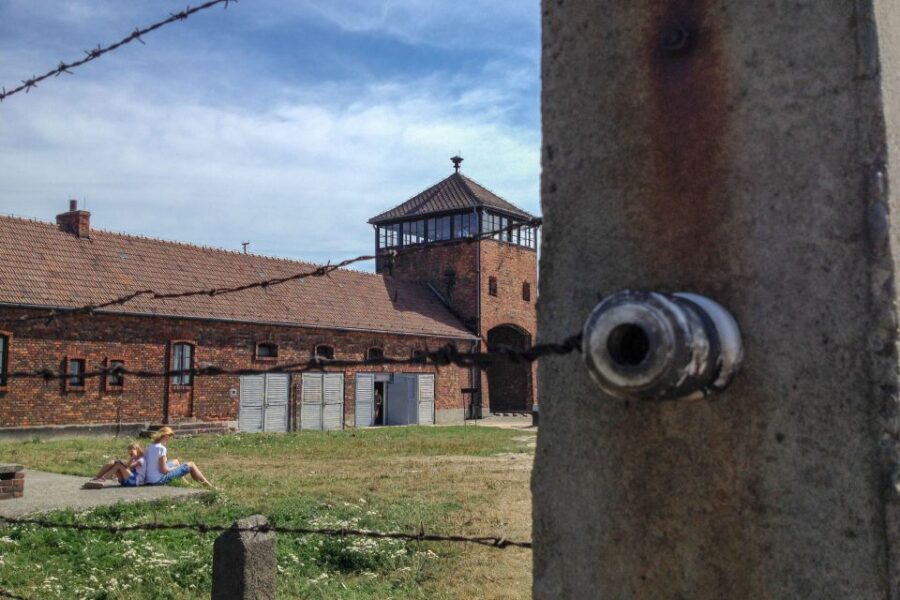
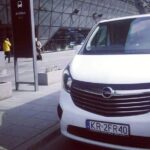
You’re picked up from your hotel, apartment, or other chosen location in Kraków and taken in a comfortable car for roundtrip transport. For many people, that’s a major value point. Getting to Auschwitz on your own can mean coordinating rides, ticket entry timing, and walking between places under stress. This tour hands you a ride and then smoothly moves you into the museum flow.
One practical detail I appreciate is that the company provides bottled water and local sweets/snacks on board. That’s not glamorous, but it matters. Several reviews mention that early pickup can skip breakfast, and having something small helps you stay steady through the emotional day.
There is, however, a real-world trade-off: the “private vs shared” choice can mainly affect the transport style, while the museum experience still uses official educators and group movement patterns. A few guests noted that the van seating felt tight or odd, especially when more people were in the car than you’d ideally want. If you’re traveling with long legs, motion sensitivity, or just hate cramped seating, private transport is worth considering—not because it changes the camps, but because it may change how comfortable the drive feels.
Entry day reality check: express security and the mandatory inspection
Auschwitz runs like a memorial and museum, not a casual attraction. Before you get your bearings, you’ll go through a mandatory inspection process at the main site, described as similar to airport security. The tour helps with skip-the-line through an express security check, which can save you the worst of the waiting—especially in peak months.
After you arrive at Auschwitz I, you’ll handle the inspection, then meet your guide and join your guided experience. Depending on your chosen option, you either join a group tour with an official museum guide or visit with a private guide. Either way, the goal is that you’re not wandering around trying to figure out where to stand, where to start, or how to follow the official route.
One thing to plan for: the departure time may shift due to Auschwitz museum scheduling. The tour provider confirms the exact pickup time after the memorial’s timing is finalized. For a day like this, that’s normal—but it’s also why you should be ready at the reception desk (or outside your building if there’s no reception) at least 5 minutes early.
Auschwitz I: the main building, a controlled pace, and a real starting point
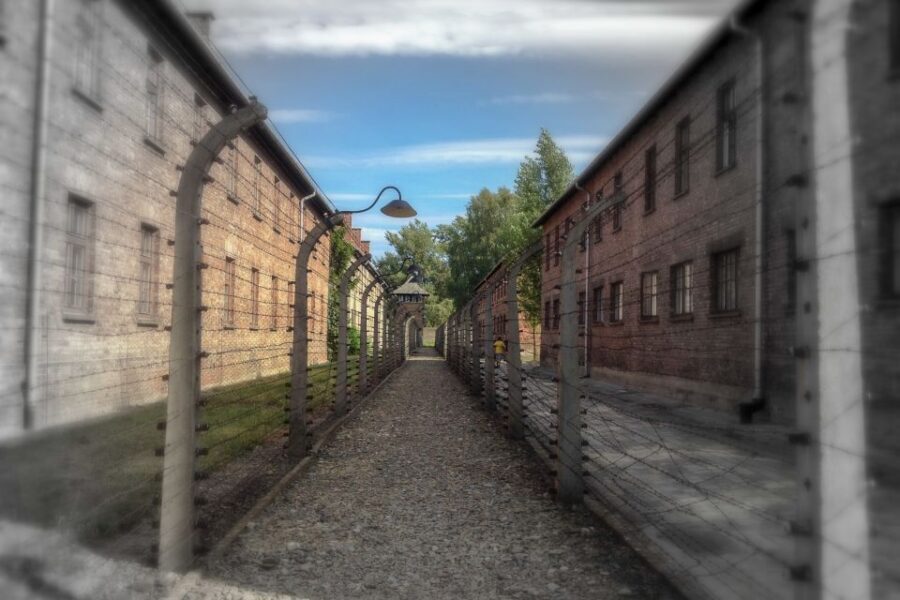
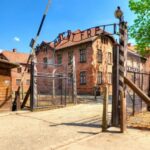
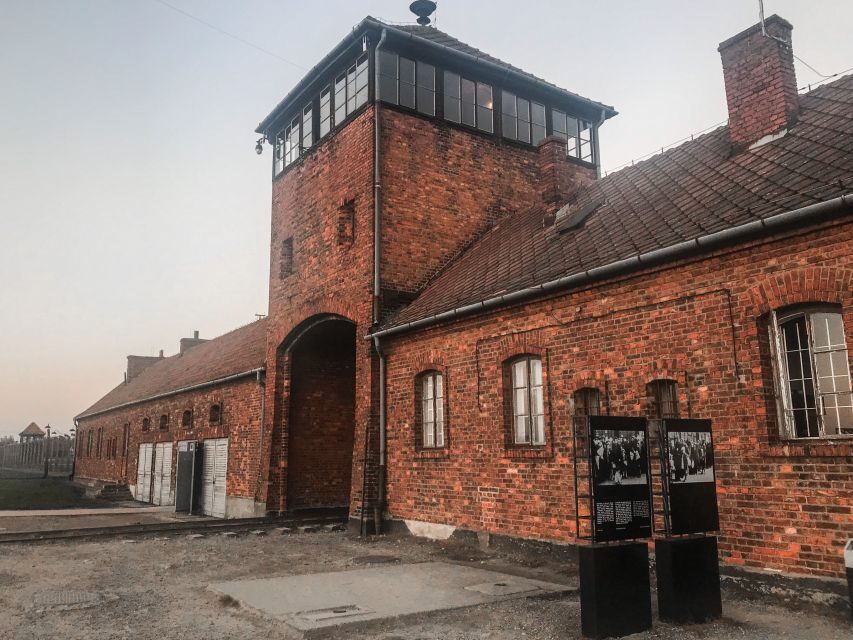
Auschwitz I is the place where the story becomes more concrete because it’s the core museum site now. Your visit begins at the main building, where you meet up with the official educator and start your guided walk.
The timing here is structured: about 2 hours at Auschwitz I, followed by a short 15-minute break. You then move on to the transfer portion of the day (and yes, the break is short). It’s plenty to reset your body, but not enough to fully decompress emotionally.
What makes Auschwitz I special is that you’re seeing the memorial in a way designed for visitors to understand chronology, function, and scale. In the reviews, guides are praised for handling the subject with care and professionalism, including being attentive to the pace of the group and the emotional impact of what’s presented. For example, guests describe official guides such as Kasia guiding them through Auschwitz with compassion and clarity, and hosts like Alicja preparing them for how the visit would feel.
The main drawback? Crowds can affect how much you can absorb at each stop. Even when the guiding is excellent, you might find your group is moving through rooms and spaces on a schedule. If you tend to get overwhelmed in high-traffic environments, go in expecting that you’ll still be processing even after the guide moves to the next point.
The short transfer to Birkenau: internal bus and mental transition
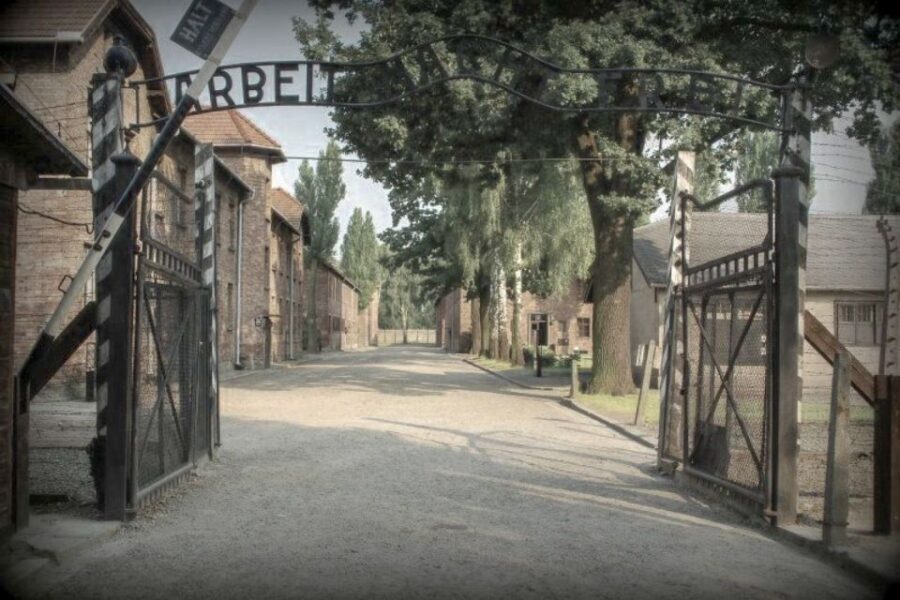
Between Auschwitz I and Auschwitz II-Birkenau, the distance is about 3 km. The tour handles this with an internal bus that takes the group (with the guide) between the sites. This matters because it stops you from spending energy on logistics right when your brain is maxed out.
A useful way to think about this transfer: it’s also a mental shift from the more focused museum environment at Auschwitz I to the overwhelming openness and scale of Birkenau. That transition is why the visit is split and timed rather than done as one endless walk without a reset.
The transfer portion itself is short—around 5 minutes—so don’t treat it like a break. Use it as a moment to adjust your shoes, water, and mindset.
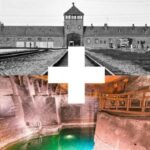
Birkenau: scale hits differently when a guide keeps you oriented
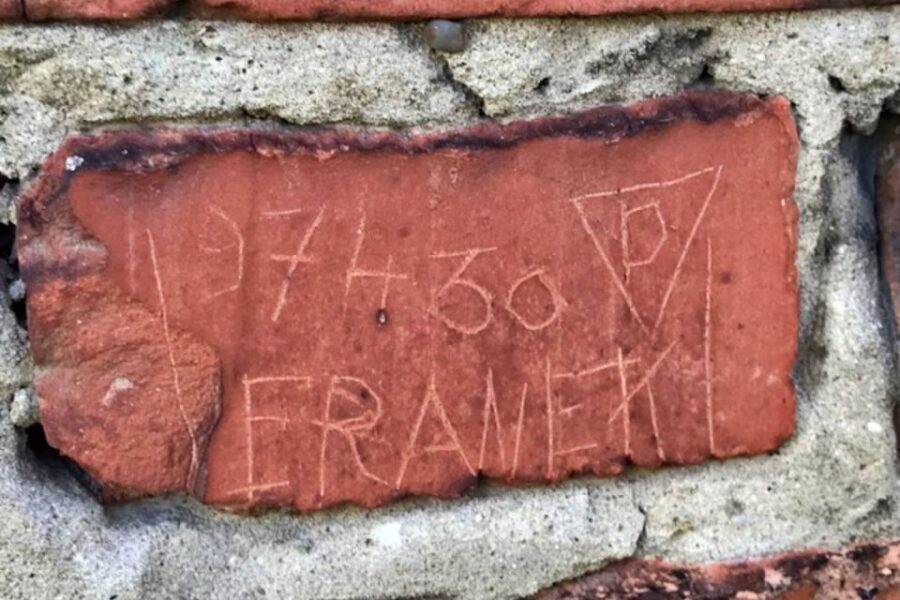
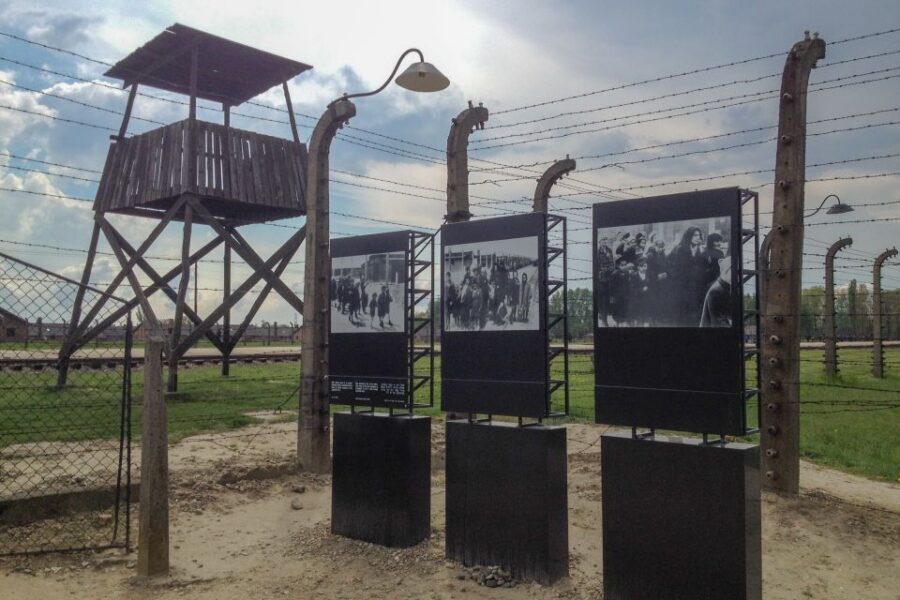
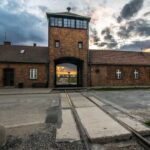
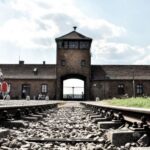
Birkenau (Auschwitz II) is where many people feel the weight in a new way because of the sheer size and layout. Your guided tour here lasts about 1 hour.
This hour is crucial. Birkenau’s spaces can look confusing at first glance. A skilled guide helps you understand what you’re looking at—paths, structures, and the logic of how people and systems were arranged. Reviews often highlight the sensitive, human approach of guides at Birkenau, and names like Kasia and Alicja come up again and again as people who explain without turning it into shock entertainment.
One recurring theme: it can feel rushed in peak crowds, because the memorial’s visitor flow moves groups through the route. That’s not a flaw unique to this tour—it’s how the sites operate. Still, the best tours make the guided hour count by staying organized and keeping you from missing key points.
Also note: some guests described their day as flexible when conditions changed, including doing the tour in a different direction due to weather. Don’t assume that will happen every time, but it’s a sign the guides know how to adapt within the memorial’s rules.
Private vs shared: what you really change (and what you don’t)
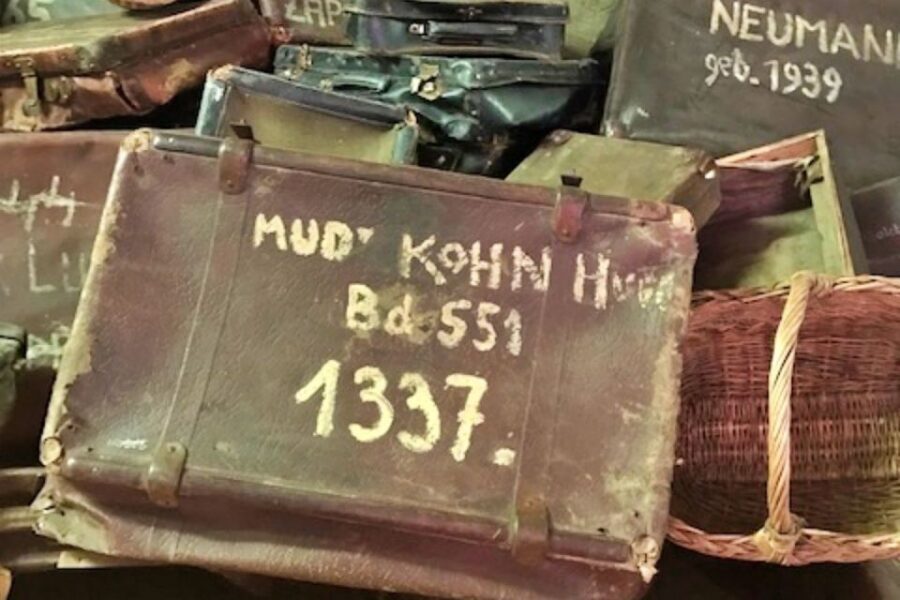
This tour offers a choice between private guide and a shared tour option. Here’s the practical truth: the official museum parts still happen with official educators and the memorial’s pacing. What changes most is the transport experience and how individualized your handling feels.
In many reviews, private transport is described as more personal—guides like Dariusz or hosts like Alicja are praised for meeting you smoothly, chatting during the drive, walking you through key entry points, and staying available at the end. One guest even noted their driver used the early arrival window to show things nearby before the main tour started. Those are small moments, but they help the day feel supported rather than transactional.
Shared tours can reduce cost, but they can also increase the chance of crowd pressure affecting how smoothly the group moves. One guest said the van configuration felt cramped with seats facing each other. Another guest felt the on-site museum tour was rushed due to group size and movement patterns. These aren’t universal, but they’re the kind of trade-offs you’re choosing when you pick shared.
So, if your priority is comfort and a calmer handoff, private transport is a smart move. If your priority is value and you don’t mind group pacing once you’re inside the memorial, the shared option can work well.
The guides’ role: kindness, clarity, and readiness
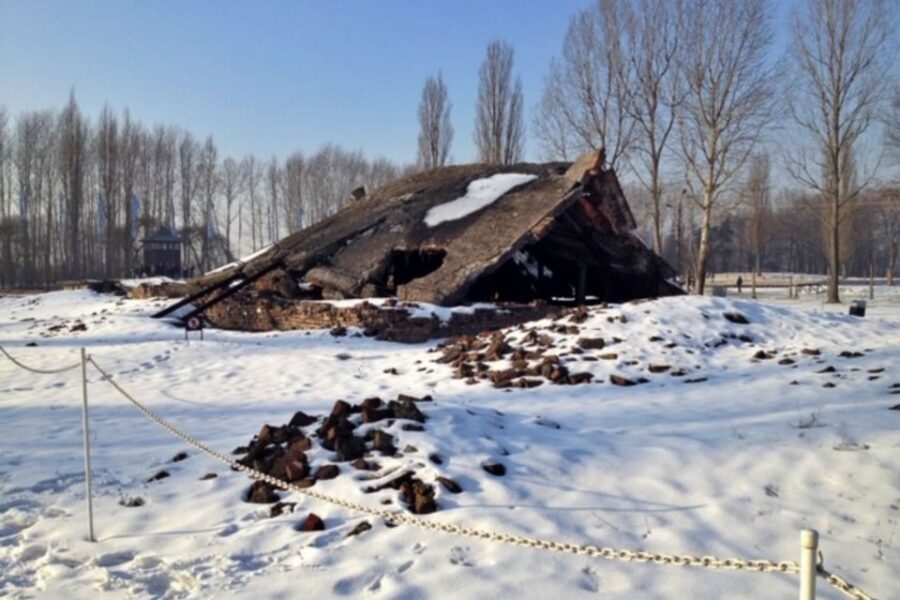
With Auschwitz-Birkenau, you don’t just need facts. You need someone who can guide your attention in a respectful way. The reviews put a big spotlight on the people doing that job.
You’ll likely experience two layers of guidance:
1) A history introduction and coordination from the driver/host before you enter.
2) The official educator inside the museum sites.
Names repeatedly mentioned include:
- Alicja as a host and guide, often praised for being flexible, prepared, and kind before and after the museum visits.
- Dariusz as a driver, described as professional, supportive, and attentive to guests’ needs.
- Official educators such as Kasia and Spanish-language guidance connected to Edubijes.
In multiple accounts, the “extra” isn’t about fluff. It’s about you not being left stranded at the ticket office, having your questions handled, and getting to the right place at the right time. That’s the kind of competence that keeps you from wasting the limited time the memorial allocates.
What to bring (and what to leave at home)
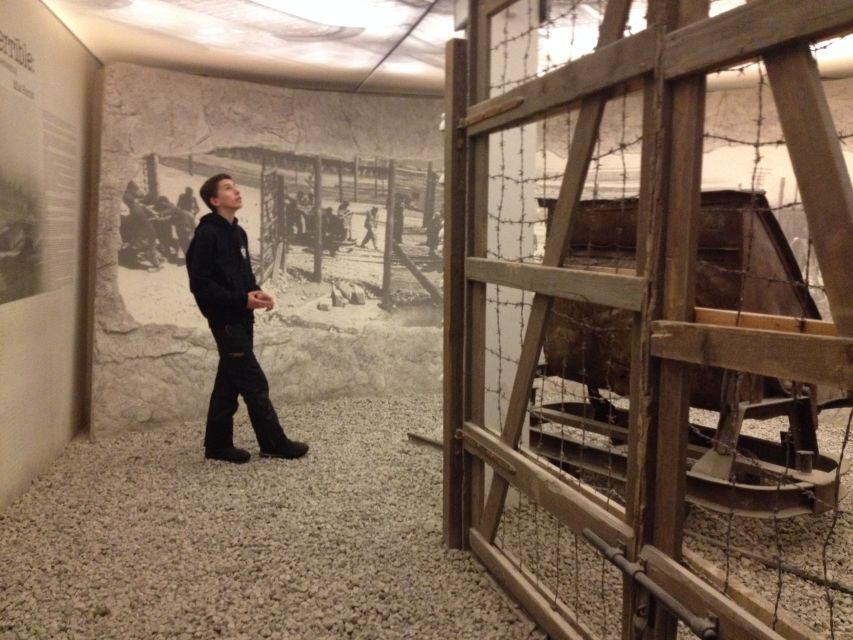
This is one of those days where small things can ruin big moments—so I’d rather you be prepared.
Bring:
- Passport or ID card
- Comfortable shoes (you’ll do walking in a serious mood, and comfort matters)
Don’t bring:
- Pets
- Smoking
- Luggage or large bags
There’s also a strict name matching rule. You must provide your full name and contact details when booking, and entry can be refused if the name on your booking doesn’t match the ID you show at the gate.
If you want a lunch plan, the tour does not automatically include lunch. You can request a lunch box, and some guides have helped with food planning when pickup is early. Still, build your day around that short break and the included snacks.
Accessibility and pacing: built for many people, but not for slowness
The tour is wheelchair accessible, which is a meaningful point for travelers who need that support. At the same time, the memorial sites themselves determine much of the pacing. Even with a great guide, Auschwitz and Birkenau are walking-focused, and visitor service rules shape how long you stay in each section.
So if you have mobility limits, the best move is to be honest about your needs when booking and then plan your expectations around the museum route. This is not a place where you can stop for long, flexible detours without affecting the group flow.
Price and value: why $642 can make sense
At $642 per person for a 7-hour day with hotel pickup, you might wonder if it’s worth it. Here’s how I’d judge it.
You’re paying for:
- Roundtrip transportation from Kraków in a comfortable car
- Hotel pickup and drop-off
- History introduction on the way (which makes the museum visit easier to follow)
- Skip-the-line express security check
- A structured guided visit at Auschwitz I and Birkenau with official educators
- Bottled water and local sweets/snacks
If you had to do this independently, you’d still need transport, timed entry, and a way to navigate the official educator system without losing time. The higher cost often buys you the reduction of stress at a moment when stress is the enemy.
Is it expensive? Yes. But you’re buying a day that removes the usual travel friction—and, based on the repeated praise in reviews, you’re also buying a calmer experience around the hardest parts.
Who this tour is best for
This is a strong choice if:
- You want a guided, structured route through both Auschwitz I and Birkenau.
- You’d like a smoother day with pickup, transport, and a careful handoff to the official educators.
- You prefer not to wrestle entry timing and museum orientation on your own.
- You care about respectful explanations and organization before and after the memorial sites.
It’s less ideal if:
- You’re sensitive to group pacing and crowded routes.
- You’re expecting a slow, private wander at your own tempo once inside the memorial.
- You need a fully child-friendly format—this tour is not suitable for children under 14.
Should you book this Auschwitz-Birkenau tour from Krakow?
I’d book it if you want the day to run cleanly: pickup in Kraków, express entry help, official educators at the sites, and small comforts like water and snacks. The named guides in the reviews—especially Alicja and Dariusz—show up as people who take care of guests before and after the museum visits, not just during the walking parts.
Skip it (or consider a different format) if your top priority is maximum flexibility on-site. Auschwitz and Birkenau are not built for you to set your own schedule once you arrive. You’ll be guided on a route with memorial timing, and crowds can affect how long certain moments feel.
If you want a respectful, organized, and practical day—this one is a solid bet.
FAQ
What’s the total duration of the Auschwitz-Birkenau tour from Kraków?
The tour is about 7 hours, with the exact start time depending on availability.
Are hotel pickup and drop-off included?
Yes. Pickup and drop-off are included, and you should be ready at your hotel reception desk or in front of the building if there is no reception at least 5 minutes before pickup.
Do I need an ID, and does my name have to match?
Yes. You need a passport or ID card, and your full name on the booking must match the name on your ID provided at entry. Entrance may be refused if the names don’t match.
Is there an express security check?
Yes. The tour includes skip-the-line access through an express security check.
Is lunch included?
Lunch isn’t included as a standard item. A lunch box can be requested, and there is a short break during the day.
Can I cancel for a refund?
You can cancel up to 5 days in advance for a 50% refund.