REVIEW · KRAKOW
Krakow: Schindler’s Factory Tour & Skip-the-Line Entry
Book on GetYourGuide →Operated by CRACOW LOCAL TOURS · Bookable on GetYourGuide
You’ll feel the war in every room. This Kraków Schindler’s Factory tour guides you through the former enamel factory where Oscar Schindler’s story is tied to Kraków’s wider fate from 1939 to 1945. I especially like the skip-the-line entry, so you start learning fast, and the museum’s theatrical, cinematic design that turns history into scenes you can actually follow.
The other big plus is how the tour frames everyday life: Poles, Jews, and the Nazi occupiers are all part of the story, not just one name. The main drawback to consider is that it’s not a deep, Schindler-only biography; you spend more time on Kraków during the war and the moral choices people faced than on the man himself.
In This Review
- Quick hits
- Schindler’s Factory in Kraków: walking into a former enamel factory
- Skip-the-line entry and the meeting point on Lipowa
- Inside the 90 minutes: Schindler’s office, the Survivor’s Ark, and film evidence
- Schindler office, preserved in the administrative building
- The Survivor’s Ark of enamel pots
- Evidence mix: photographs, eyewitness accounts, and multimedia
- The pace is guided, not silent
- Kraków under Nazi occupation: tram scenes, a recreated Jewish apartment, and daily life
- Plaszów artifacts and the Hall of Choices: the moral weight of the war
- Price and value: why $49 makes sense for this format
- Who this tour fits best (and who might prefer something else)
- What to bring and what to expect on site
- Should you book this tour?
Quick hits
- Skip-the-line entry helps you lose less time sitting around and more time seeing
- The visit is set inside Schindler’s former enamel factory, not a generic museum room
- You’ll see the preserved Schindler office within the administrative building
- The display includes the Survivor’s Ark made of thousands of enamel pots
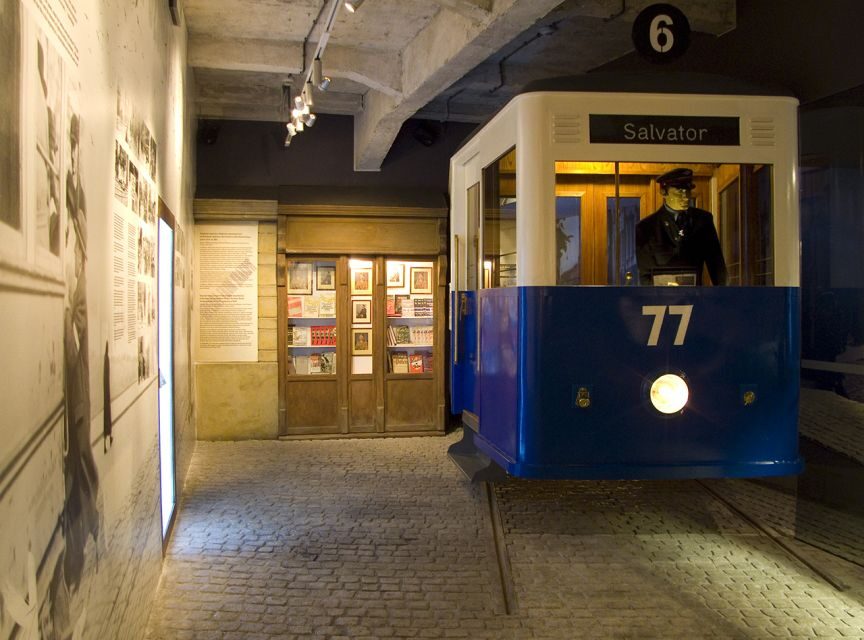
- Expect theatrical spaces like a Jewish apartment recreation and a tram documentary sequence
- The tour ends with the heavy, thought-provoking Hall of Choices installation
Schindler’s Factory in Kraków: walking into a former enamel factory
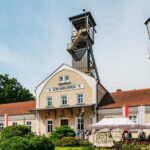
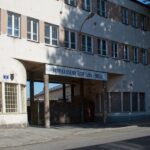
This is one of those places where the building does some of the talking. The guided visit takes place in Oscar Schindler’s former enamel factory, and that matters. It keeps the story grounded in industry, paperwork, and cramped spaces, instead of making everything feel like a distant film set.
The museum’s permanent collection leans hard into theatrical storytelling. The creative team behind the staged recreations includes stage designer Michał Urban and theatre director Łukasz Czuj, and you can feel that in the way rooms function like scenes. You’re not just reading panels; you’re being guided through a sequence meant to help you place yourself in 1939–1945 Kraków.
And yes, Steven Spielberg’s Schindler’s List made this story famous, but this tour is broader than that. You’ll learn how Kraków’s centuries-long Polish-Jewish relationships were brutally disrupted, while also seeing what happened to Poles as well as Jews under Nazi rule.
You can also read our reviews of more tours and experiences in Krakow
Skip-the-line entry and the meeting point on Lipowa
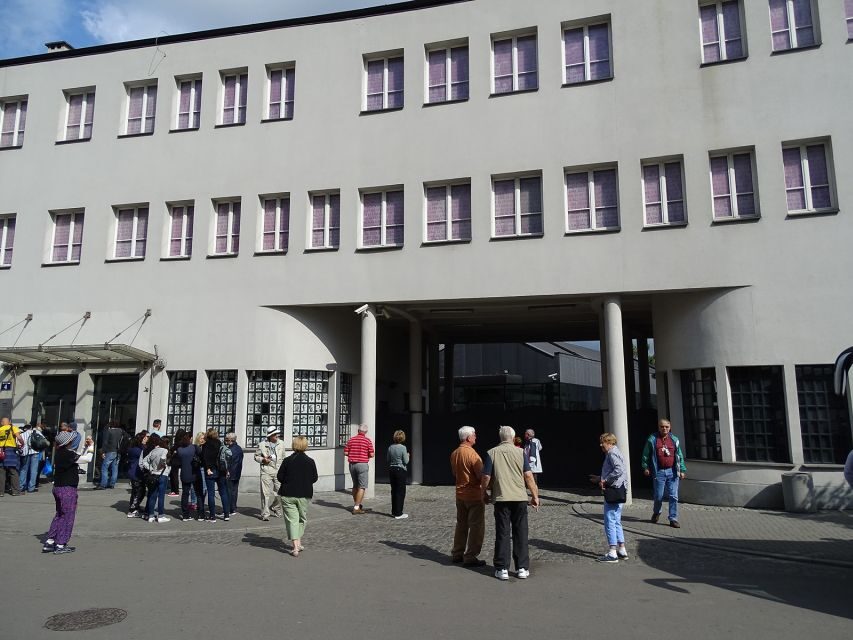
This tour keeps things practical: you get entrance fees included and you meet a guide at the front of the museum’s main entrance.
Meeting point: Lipowa 4, 33-332 Kraków, Polska.
You’re asked to look for a guide holding an excursion.city sign.
This is the kind of detail that saves stress in Kraków, where a late start can turn into a rush later. With skip-the-line entry, you’re less likely to lose half your energy to waiting, and more likely to land inside the museum with time to settle into what you’re seeing.
One more scheduling note: times are listed in a way that can shift. From January 1, 2026, tour times are approximate because they depend on Schindler’s Factory Museum scheduling. You can choose a preferred time, but the exact timing isn’t guaranteed, so keep an open window around your chosen slot.
Inside the 90 minutes: Schindler’s office, the Survivor’s Ark, and film evidence
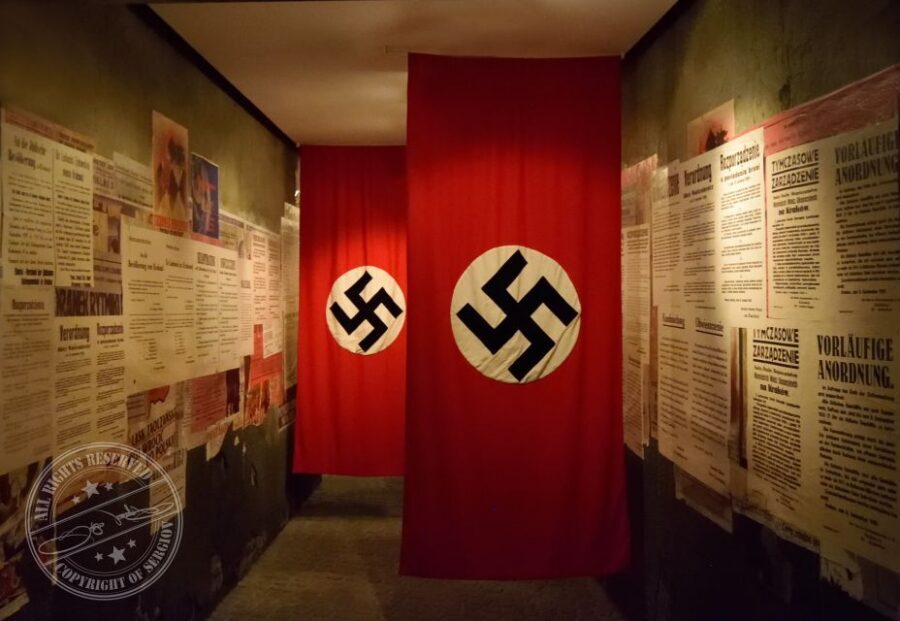
The guided portion lasts about 1.5 hours, which is a smart length for a museum like this. Long enough to follow a coherent story, short enough that you won’t feel stranded when your focus starts to fade.
Here’s what the tour emphasizes as you move through the collection:
Schindler office, preserved in the administrative building
You’ll enter Schindler’s office area, preserved within the factory’s administrative building. Even if you know the general plot, seeing the physical space makes the story feel less like a legend and more like a set of real decisions made under real pressure.
The Survivor’s Ark of enamel pots
A signature stop is the Survivor’s Ark, built from thousands of enamel pots that resemble the kind the factory produced. The point isn’t just the scale; it connects the wartime story to the manufacturing world the Nazis tried to force into service. It’s also visually unforgettable, which helps when you want your memories to stay accurate later.
Evidence mix: photographs, eyewitness accounts, and multimedia
Expect a blend of documentary photographs, eyewitness accounts, film documentaries, and multimedia presentations. This matters because it keeps the history from turning into one-note emotion. You get structure: what happened, who saw it, and how the story is interpreted through records and media.
The pace is guided, not silent
The tour is narrated by a professional guide. That guidance helps you connect the scenes instead of treating each room like an isolated exhibit. It’s also where language variety matters: the live guide is offered in Spanish, Italian, French, English, and German.
Kraków under Nazi occupation: tram scenes, a recreated Jewish apartment, and daily life
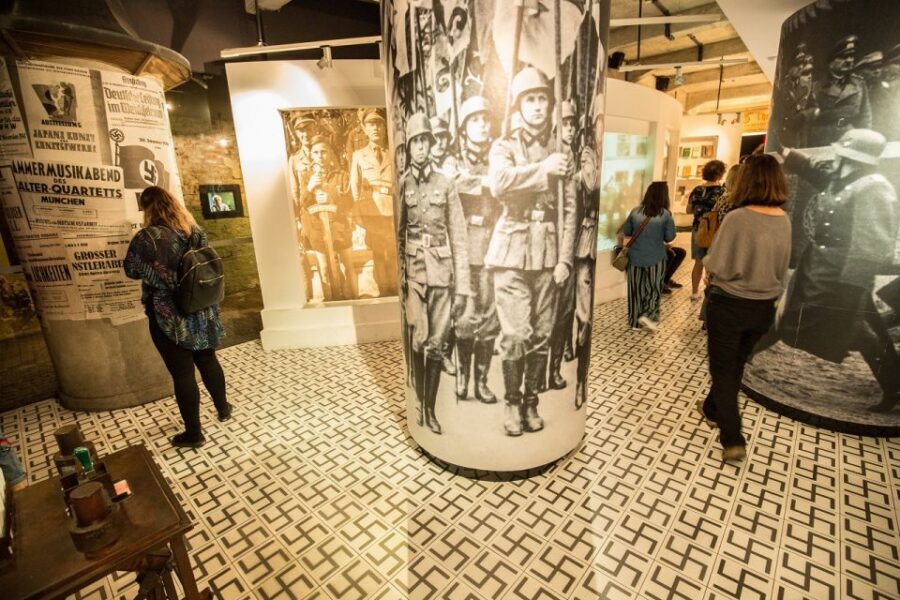
One thing I like about this experience is that it tries to teach you how ordinary life broke down, not just the end results. The exhibition covers everyday life in Kraków during the Nazi occupation from 1939 to 1945, and it doesn’t limit itself to one community or one timeline.
You’ll walk through theatrical recreations of historical city space, including a sequence where you board a tram and watch a documentary portraying everyday city life. That kind of “transfer” from exhibit to scene is effective, especially in a place this emotionally intense. It gives your brain something visual and temporal to hold onto: streets, movement, and routine.
Then you move into smaller, personal scale history—like a typical Jewish apartment recreation. Again, you’re not just learning facts; you’re shown what daily domestic space looked like, and how that space was threatened and reshaped by persecution.
This part of the tour is especially valuable if you’re not coming in with much background on Kraków’s wartime reality. The guide helps you understand the layers: community life, Nazi disruption, and what people were forced to do to survive.
Plaszów artifacts and the Hall of Choices: the moral weight of the war
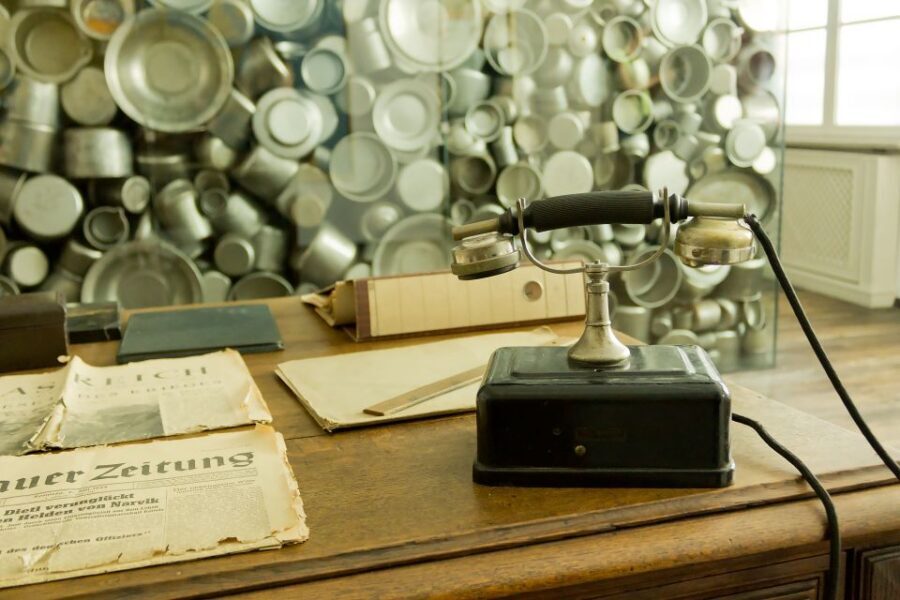
After you’ve built that sense of daily life, the museum shifts into harder territory. You’ll see artifacts tied to the Plaszow camp. Even when you can’t absorb every object, the inclusion of material traces helps you connect personal stories to places of incarceration and death.
Then comes the Hall of Choices. It’s described as a sculptural installation that symbolizes ethical dilemmas people faced during the war. This is the part that tends to stay with you, because it pushes beyond “what happened” into “what choices existed” and “what survival demanded.”
It’s also where good guiding helps. If you’re prone to skimming, a structured tour keeps you from rushing through the most important moments. If you’re the type who likes time to read slowly, a guided experience can still work, but you’ll want to accept that you’re following the narrative arc rather than setting your own pace for every plaque.
Price and value: why $49 makes sense for this format
At $49 per person (for a 90-minute guided, entrance-fee-included visit), the value depends on what you want from the museum.
Here’s what you’re paying for that matters:
- A professional guide, not just an audio headset
- Skip-the-line entry, so you spend time inside learning rather than waiting
- A curated storyline that connects scenes: factory rooms, office preservation, apartment recreation, tram documentary, camp-related artifacts, and the Hall of Choices
You also avoid the common problem of museums where you stand in front of exhibits wondering what order matters. Here, the guide provides that order and explains what each space is trying to show you.
One trade-off: this format can feel less like a self-directed museum wandering session. The tour is structured, and if you’re hoping to linger over every display text, you might feel gently guided onward.
Who this tour fits best (and who might prefer something else)
This is an excellent fit if you want:
- A guided explanation of Kraków during Nazi occupation, not just the famous Schindler story
- A museum experience that uses theatrical, cinematic staging, tram scenes, and multimedia evidence
- A time-efficient way to see a heavy museum without spending the whole day there
It’s also a good match if you like asking questions. A number of visitors noted that guides were clear and responsive, and that the group pace can flex if someone needs slower movement.
It might be less ideal if you’re only interested in Oscar Schindler as an individual. The tour content puts serious emphasis on broader Kraków history through the war years, including how multiple communities experienced the occupation.
What to bring and what to expect on site
Before you go, keep it simple:
- Bring passport or ID card
- Don’t bring food and drinks
- Leave luggage or large bags behind
And because this museum uses personalized tickets, you must provide full names of all participants when reserving. Without that, entry may be denied. If you’re traveling with someone, double-check spellings match their IDs.
Should you book this tour?
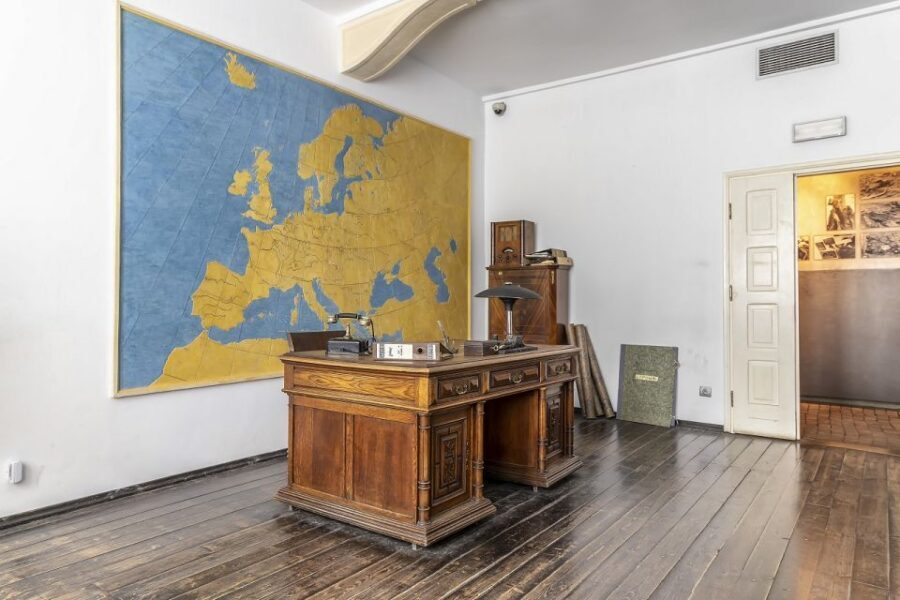
Yes, I’d book it if you want a well-structured, guided way to understand Kraków’s wartime reality inside Schindler’s Factory—especially with skip-the-line entry. The price makes more sense when you remember what’s included: the guide plus entrance, and a narrative route that connects the factory story to daily life, the camp context, and the Hall of Choices.
Hold off if you’re mainly hunting for a Schindler-focused, person-by-person biography or if you prefer full freedom to roam at your own pace without a timeline. In that case, you may want a more flexible museum approach.