REVIEW · KRAKOW
Jewish Krakow in German
Book on GetYourGuide →Operated by Walkative Tours · Bookable on GetYourGuide
Krakow has stories you feel in your stomach. This German-language walk focuses on Jewish life in Kazimierz, then turns to what happened during World War II—down to where the Holocaust took place in the city. You get a structured narrative, not just a scatter of buildings.
I especially like the way the guide ties Jewish culture and architecture to real places, including the fact that seven old synagogues still survive after the destruction of WWII. I also love that the tour covers both tragedy and renewal, so you don’t leave with only heavy history. Max, one of the guides mentioned in recent feedback, is praised for speaking excellent German and telling the story with solid facts and great energy.
One possible drawback: 150 minutes can feel tight if you stop to read every detail or you want extra time at a specific stop—some people wished they had more time in certain places.
In This Review
- Key highlights worth your attention
- Jewish Krakow in German: What 150 Minutes Actually Covers
- Meeting on the Steps of the Old Synagogue
- Kazimierz Synagogues and the Jewish Quarter Story
- WWII Destruction, Second World War Context, and the Meaning of Places
- Podgórze and the Former Ghetto: 1941–1943 in Real Space
- Modern Kazimierz Today: Jewish Culture’s Revival in Krakow
- Price, Value, and How the Pay-as-You-Wish Part Works
- Who Should Book This Jewish Krakow Tour (and who might not need it)
- Should You Book It?
- FAQ
- Where do we meet for the tour?
- What language is the guide?
- How long is the Jewish Krakow tour?
- How much does the tour cost?
- What’s included in the ticket price?
- Is hotel pickup or return transport included?
- Is a snack provided?
- Can I cancel for a full refund?
- Is there a reserve and pay later option?
- Is it a fixed-price tour or pay as you wish?
- What time should I arrive?
Key highlights worth your attention
- Seven surviving old synagogues are part of the walk, so you see proof that some Jewish life endured in stone and brick.
- Kazimierz is treated as more than scenery, with context on the historic Jewish quarter and its meaning for Krakow.
- Podgórze is included for the WWII ghetto story, focusing on 1941–1943 and what that meant for the original buildings.
- German live guiding makes the history easier to follow, especially when the guide explains the connections clearly.
- Both destruction and revival are covered, so today’s small Jewish community and culture have a place in the story.
- Strong guide quality shows up in feedback: excellent German, confident storytelling, and good group interaction.
Jewish Krakow in German: What 150 Minutes Actually Covers
This is a 150-minute Jewish Krakow experience built like a story with a beginning, middle, and ending. You start in the historic Jewish district and move through the places tied to Jewish life in Krakow, then you face the WWII period directly. The goal isn’t shock for its own sake; it’s understanding what happened and what changed.
The tour’s structure matters because Jewish history in Krakow isn’t one theme. It’s community life, art and architecture, loss, and then—importantly—return. By keeping both tragedy and revival in the same walk, you get a fuller sense of the city, not just one chapter.
Language also matters. This tour is in German, and feedback points out how smoothly the guide can explain. If your German is comfortable enough to follow a guided conversation, you’ll likely get more out of the tour than if you only catch a few keywords.
You can also read our reviews of more tours and experiences in Krakow.
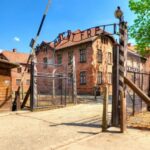
Meeting on the Steps of the Old Synagogue
You meet on the stairs in front of the old synagogue, on the main street of the Jewish district. This is practical: it’s a clear landmark, and it puts you right where the story starts—before you wander off into random alleyways.
Arrive 10 minutes early. That buffer helps you find the group, settle in, and be ready when the guide begins the first part of the narrative. With a shorter tour like 150 minutes, you don’t want to lose even 15 minutes to confusion.
Also note what isn’t handled for you. Hotel pickup and return transport are not included, and there’s no snack included. In real terms, that means plan to meet on your own and think about water and timing so the walk stays comfortable.
Kazimierz Synagogues and the Jewish Quarter Story
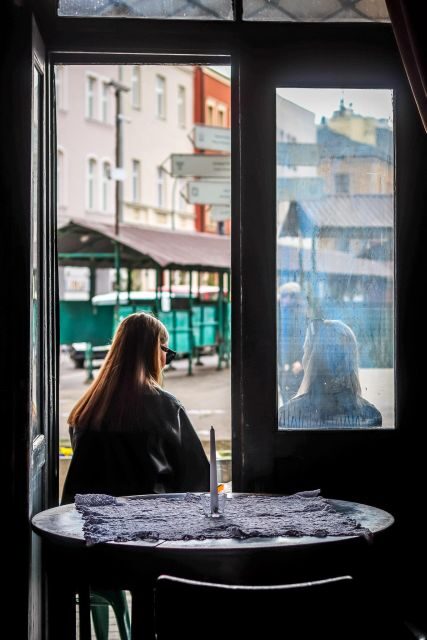
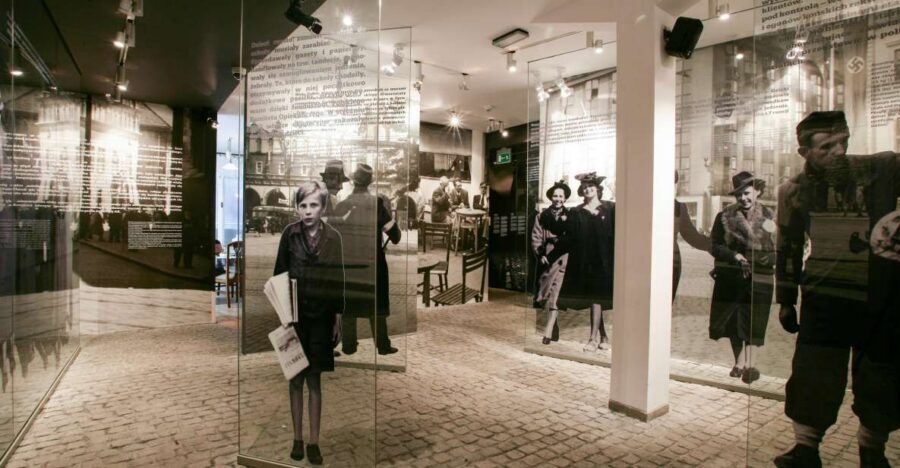
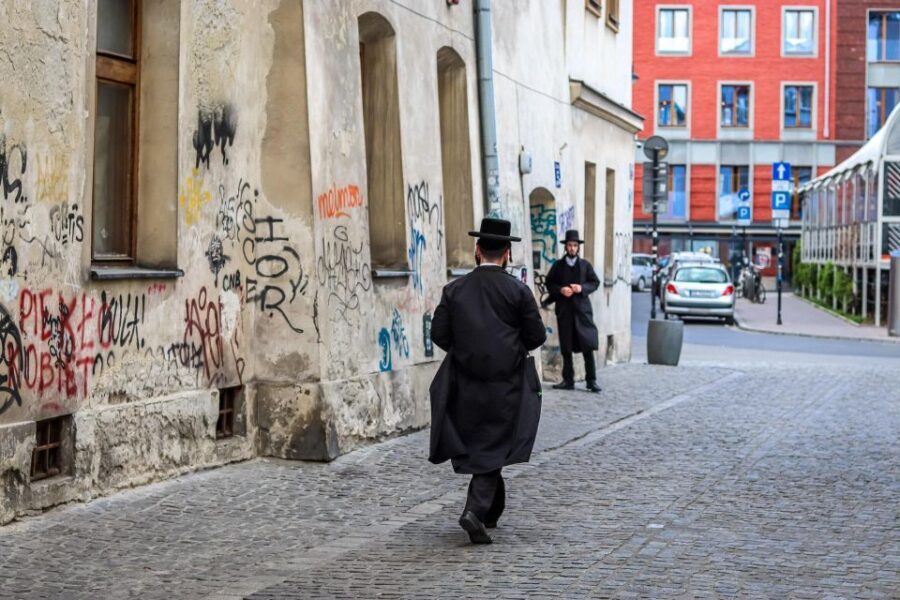
Kazimierz is where the tour gives you the backbone: what Jewish community life looked like in Krakow and why this quarter mattered so much. You’ll explore the historic Jewish quarter as a real neighborhood, tied to art and architecture, and not just as a museum-like route.
A standout detail here is the mention of seven old synagogues that surprisingly survived the destruction of World War II and the Holocaust. That fact changes how you look at buildings. They’re not only architectural objects anymore; they become evidence—symbols that some physical traces remained when so much else was erased.
As you walk, the guide focuses on historical context for the local Jewish community. That’s useful because it helps you place what you see later in Podgórze into the bigger timeline. When you understand what existed before, the WWII section hits with more clarity.
One thing I appreciate is the balance of focus. You’re not just told dates. You’re guided to meaning: why these places mattered, how the Jewish quarter shaped Krakow’s identity, and why people still care about Kazimierz today.
WWII Destruction, Second World War Context, and the Meaning of Places
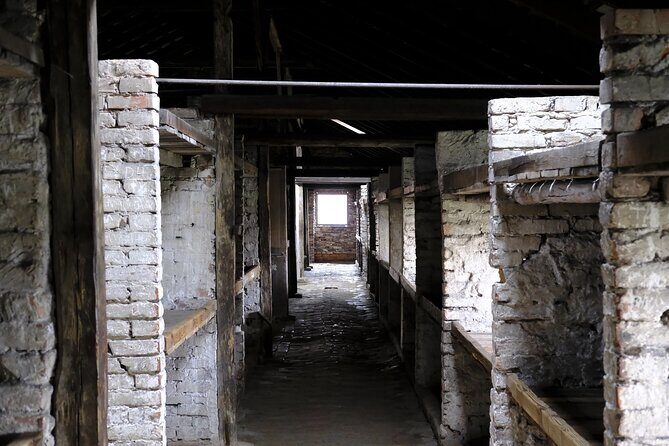
At some point, the story shifts from community life to death and destruction during the Second World War. The tour explicitly covers that reality, and it does it within the flow of the walk, not as a separate lecture you’d forget after.
This matters because Holocaust history can turn into memorized facts if the route isn’t connected. Here, the guide keeps linking what you’re standing near with what happened, so the places don’t feel interchangeable. You’re looking at a city map, but the guide is helping you read it like a timeline.
What I find practical about this approach: it prepares you to handle the later ghetto locations with more context. If the WWII section feels heavy—and it will—it’s better when you can follow the story step by step rather than being thrown into it.
Pay attention to the guide’s pacing. German guiding can be fast if the guide is excited (and feedback suggests guides are). If you want to process, slow down your own pace for a moment during stops, especially when the guide explains how certain areas were affected.
Podgórze and the Former Ghetto: 1941–1943 in Real Space
The tour then moves to Podgórze, the area of the former Jewish ghetto during World War II. This section is described as showing how the original buildings experienced tragedy between 1941 and 1943, and the walk keeps the attention on that lived reality.
Podgórze is where a lot of visitors need a mental shift. Kazimierz tells you about community and culture; Podgórze tells you about containment and destruction. The value of having both in one tour is that you can feel how Krakow’s same neighborhoods turned into different kinds of space under persecution.
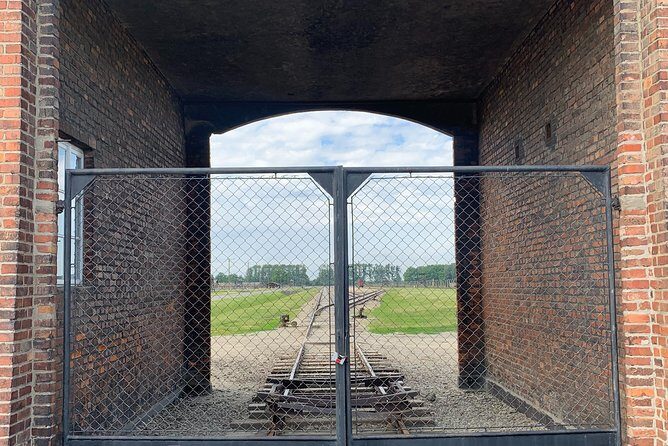
You should expect a respectful, serious tone here. The fact that the tour includes where the Holocaust took place in Krakow means you won’t avoid the hardest part of the story. That’s not for shock—it’s for understanding.
A small practical tip: keep your phone put away. Use the time to watch how the guide points out locations and connects them to what happened. In this area, it’s the explanation and the order of the story that makes the route meaningful.
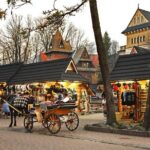
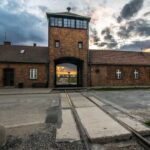
Modern Kazimierz Today: Jewish Culture’s Revival in Krakow
Here’s where the tour becomes more than a history lesson. It also shows the amazing revival of Jewish culture in today’s Krakow. The tour describes Kazimierz as the cultural heart of the modern city, and it notes a small but lively Jewish community there.
That’s an important element for your takeaway. If you only focus on the destruction, it’s easy to leave feeling like the story ended in tragedy. Instead, you get a sense of continuity—how cultural life persists even after being violently interrupted.
I like that this tour doesn’t treat revival as an afterthought. It’s woven into the narrative, so you can understand the modern quarter as something real people actively maintain and use—not just a memorial backdrop.
You’ll likely notice this contrast most when you’re finishing the walk. After the WWII sections, the idea that Jewish life is still present in Krakow can feel grounding, not insensitive.
Price, Value, and How the Pay-as-You-Wish Part Works
The price is $26 per person for 150 minutes, and the guide is live in German. At this rate, what you’re really buying is time with a local expert and a carefully structured story that connects multiple key areas in a compact route.
It also helps that the experience has a 4.8 rating with 114 reviews. That’s a strong signal that the guiding quality and storytelling structure are consistent.
One detail you should understand before you book: this tour is described as a general pay as you wish tour. In this case, the amount you pay covers the reservation fee and the guide’s payment. In other words, you’re not just buying access—you’re participating in a system where your recognition can matter.
If you prefer fixed-price tours, that model can feel unfamiliar. But it can also be a good fit if you care about excellent guiding. The feedback highlights guides like Max as strong storytellers in German, and that makes the pay-as-you-wish structure feel more intentional.
Who Should Book This Jewish Krakow Tour (and who might not need it)
This experience is a great fit if you want a guided walk through Krakow’s Jewish heritage with WWII history included in a connected way. I think it suits people who like order—who want a story that links Kazimierz and Podgórze rather than picking spots from a list.
It’s also a strong choice if German is your comfortable tour language. Multiple comments point to guides speaking excellent German, and that kind of language clarity makes a huge difference in understanding names, context, and the meaning of places.
You might reconsider if you:
- Want a very long, unhurried walk. 150 minutes is focused, so you won’t linger everywhere.
- Prefer only lighter cultural content without confronting the Holocaust in detail.
- Need your tour to include snack breaks or hotel transport. Those aren’t included here.
Should You Book It?
Yes, I’d book it if you want one clear, guided route that covers Jewish community life in Kazimierz, the WWII period, and Podgórze’s ghetto context in Krakow. The value is in the structure: a carefully structured story that uses the physical city to teach meaning.
I’d also book it if you’ve found other city walks too scattered. Here, the focus on Jewish heritage, the seven surviving synagogues, and the WWII locations gives your time a purpose. Just go in knowing it’s serious history with a guided pace, and you’ll get the most out of it.
FAQ
Where do we meet for the tour?
You meet on the stairs in front of the old synagogue, in the main street of the Jewish district.
What language is the guide?
The live tour guide speaks German.
How long is the Jewish Krakow tour?
The duration is 150 minutes.
How much does the tour cost?
The price is $26 per person.
What’s included in the ticket price?
Included are an expert, local travel guide and a carefully structured story.
Is hotel pickup or return transport included?
No. Collection from the hotel and return transport are not included.
Is a snack provided?
No. Snack is not included.
Can I cancel for a full refund?
Yes. Free cancellation is available up to 24 hours in advance for a full refund.
Is there a reserve and pay later option?
Yes. You can reserve now and pay later.
Is it a fixed-price tour or pay as you wish?
This booking is part of a general pay as you wish tour. The amount you pay covers the reservation fee and the guide’s payment.
What time should I arrive?
Please arrive at the meeting point 10 minutes before the activity starts.