REVIEW · KRAKOW
Krakow: Kazimierz, Schindler’s Factory & Ghetto Guided Tour
Book on GetYourGuide →Operated by excursions.city · Bookable on GetYourGuide
Step into Krakow’s layered past. This Kazimierz, Schindler’s Factory & Ghetto tour links prewar Jewish life, wartime terror, and individual acts of courage into one guided route. You get a licensed local guide, plus skip-the-line entry into Schindler’s Factory Museum, so your time goes toward context instead of waiting.
What I like most is how the tour keeps switching from street-level detail to big historical meaning without turning it into a lecture. You also hit hard, specific sites like Ghetto Heroes Square with the Chair Memorial and the Under the Eagle Pharmacy story tied to Tadeusz Pankiewicz. The main consideration: it is a serious experience with lots of walking, and Schindler’s Factory includes narrow corridors that can feel tight and a bit demanding if you’re sensitive to enclosed spaces.
Here’s the essential feel: if you want a guided overview that makes these places easier to understand and harder to forget, this is a strong pick.
In This Review
- Key things you’ll notice on this tour
- Kazimierz Streets: why starting in the Jewish Quarter matters
- Schindler’s Factory Museum: skip-the-line, plus a guide that connects the dots
- Moving from walls to memory: the Kraków Ghetto route
- Under the Eagle Pharmacy: the story of Tadeusz Pankiewicz
- How the 5 hours actually feel on your feet
- Guides can make or break this day
- Price and value: what you’re really paying for at $81
- Best for history-minded walkers (and a few people to think twice)
- When you should book this tour
- FAQ
- Where do I meet the guide?
- How long is the tour?
- Is Schindler’s Factory included, and do I skip the ticket line?
- What languages are offered?
- Is food or drink included?
- What should I bring for entry to Schindler’s Factory (from 2026)?
- What time should I arrive?
Key things you’ll notice on this tour
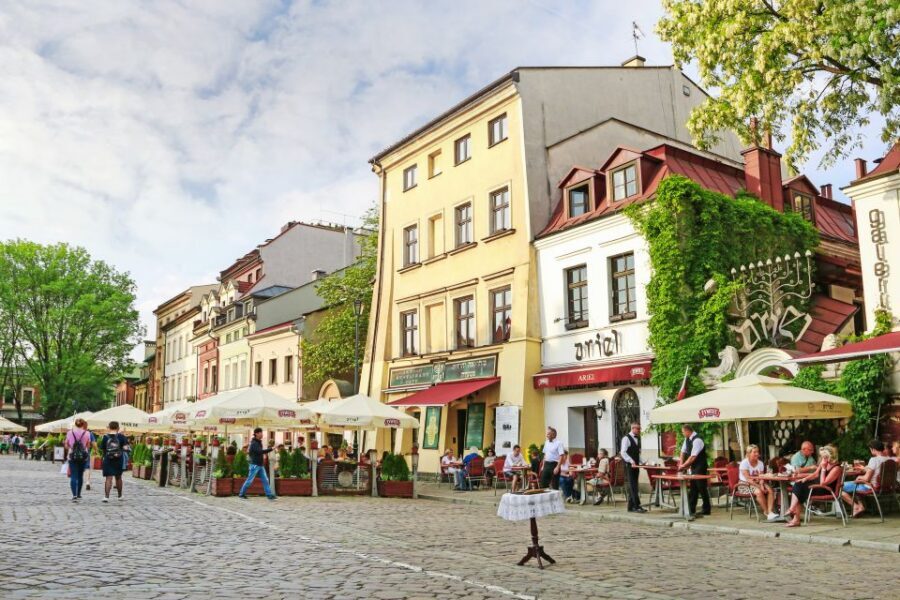
- Kazimierz first, not last: you start in the Jewish Quarter so the wartime sites hit with more context.
- Skip-the-line at Schindler’s Factory: less waiting, more time with the guide’s explanations.
- A guided story at every major stop: from ghetto wall remnants to the Chair Memorial.
- Under the Eagle Pharmacy, not just names: the tour connects the site to Tadeusz Pankiewicz’s risk and choices.
- One-language group tours: you’ll share the pace and narrative with your language group.
Kazimierz Streets: why starting in the Jewish Quarter matters
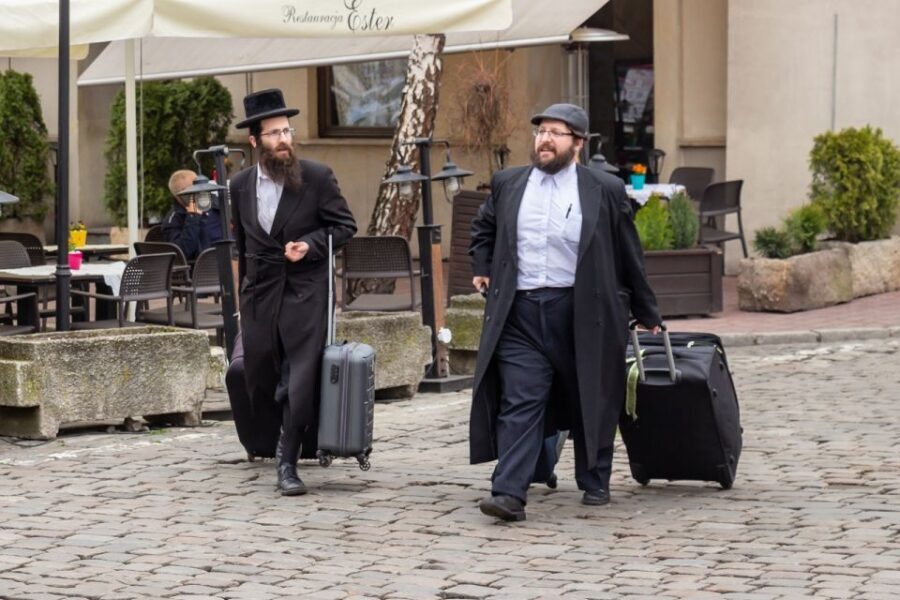
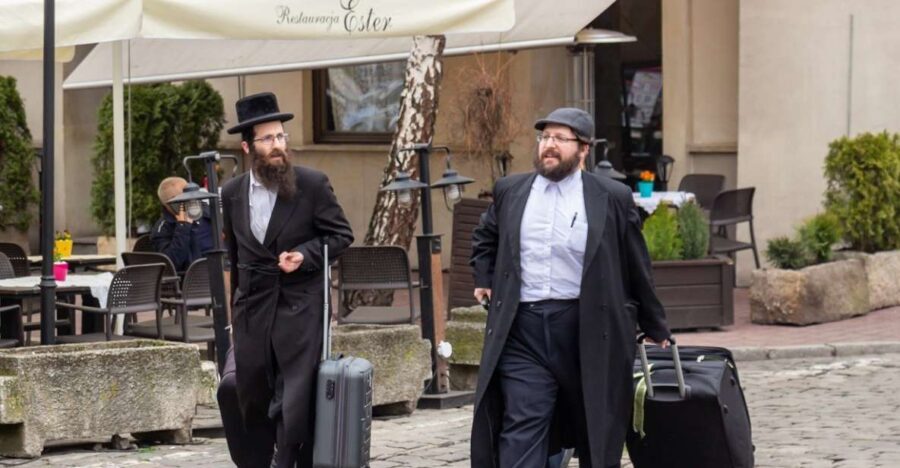
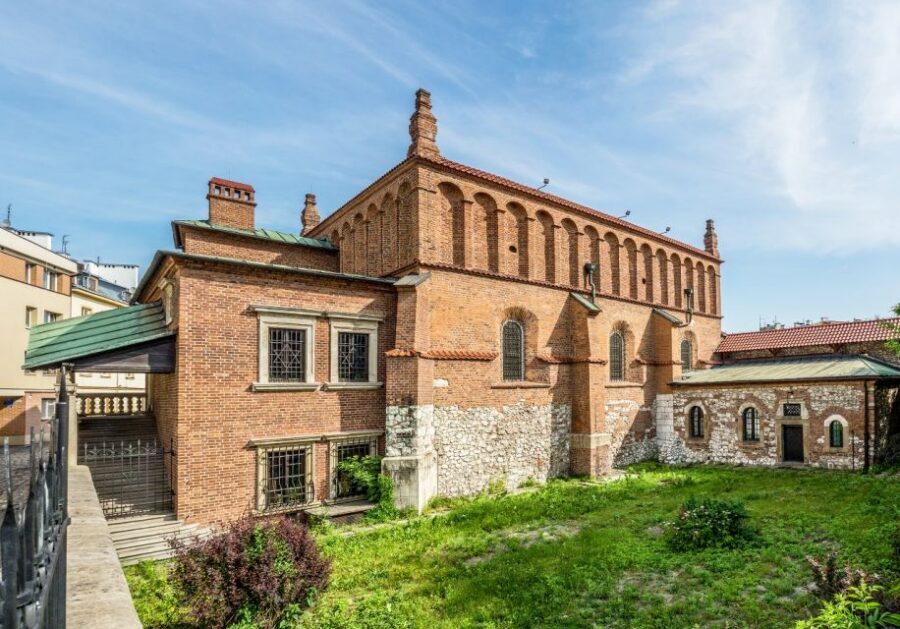
The tour begins in Kazimierz, Krakow’s historic Jewish Quarter—one of those places where you can’t really understand the WWII part unless you first see what existed before it was shattered. Your meeting point is the steps of the Old Synagogue, and the guide will hold an excursions.city sign.
From there, you walk the narrow, cobbled streets lined with centuries-old buildings tied to Jewish religious and community life. This is not just pretty architecture. The guide frames what you’re seeing: prayer houses, traditional townhouses, and the kinds of everyday spaces where faith, learning, and family life played out long before the war.
I especially like how this start gives you a mental map. If you know the prewar rhythm, then later, the ghetto sites feel less like isolated monuments and more like the collapse of an actual community. Even when the material turns dark, you keep a thread of continuity.
The group stays moving, and it’s a walking tour—so wear shoes you trust. Reviews mention hot and rainy days, and people noted the day can feel tiring because you’re on your feet for hours.
You can also read our reviews of more guided tours in Krakow
Schindler’s Factory Museum: skip-the-line, plus a guide that connects the dots
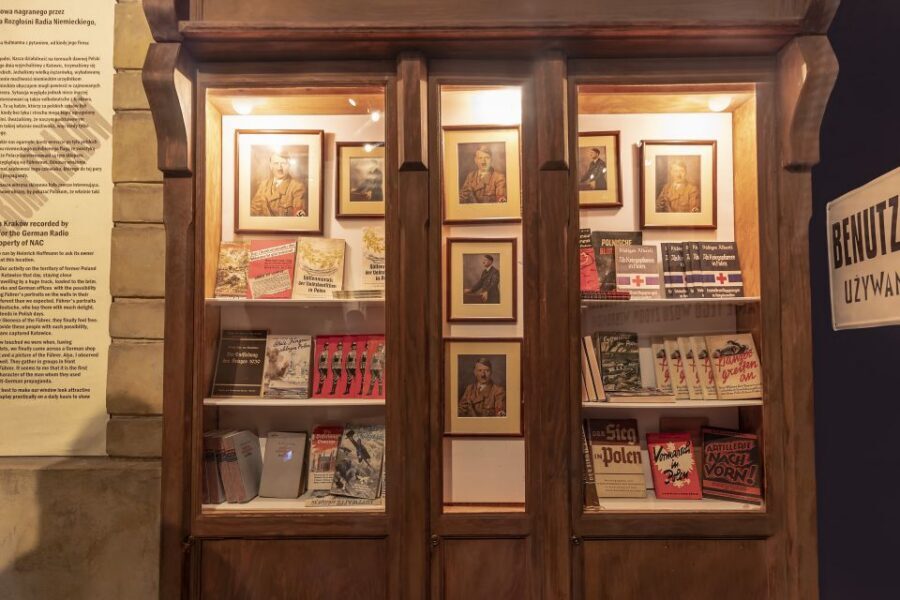
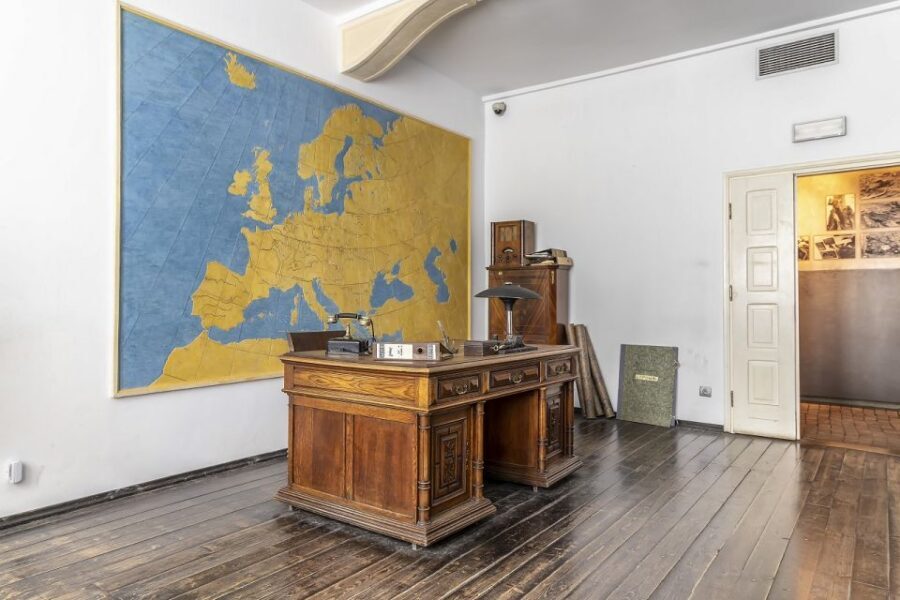
Next is Schindler’s Enamel Factory Museum, with skip-the-line admission and a licensed expert guide. Important detail: the building is now a museum, and while it’s tied to the factory complex, it does not operate as a true factory floor tour with original machinery. You’re seeing the museum’s spaces and historical interpretation, including the story of Oskar Schindler and the broader wartime context of Krakow under Nazi occupation.
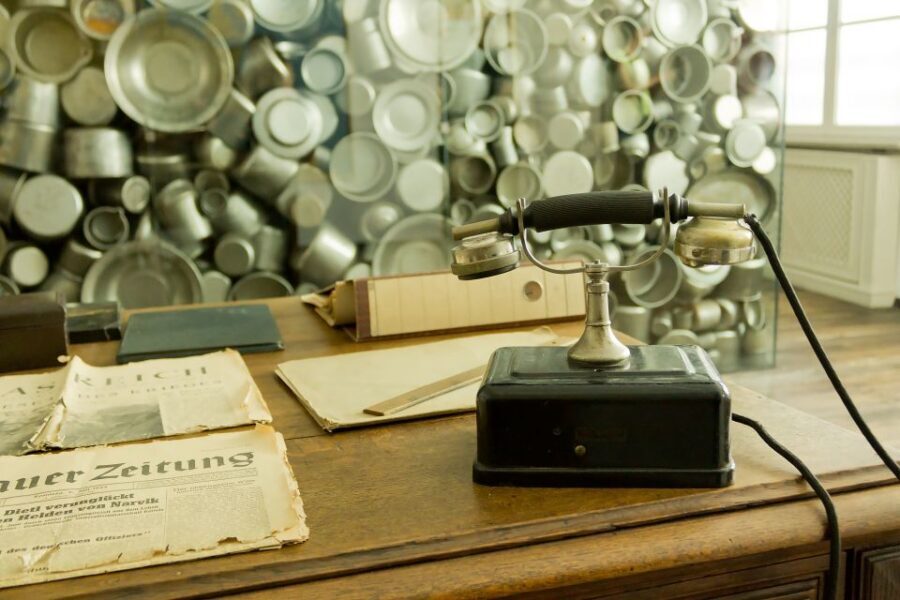
Inside, the exhibition is designed to recreate the wartime atmosphere—using narrow corridors and immersive-style staging, along with authentic-feeling photographs, artifacts, and soundscapes. In practical terms, that means you’ll spend time in tighter areas than typical museums. If you get claustrophobic or hate dim, narrow hallways, consider that before you go.
The guide role here is huge. The museum’s content is powerful, but the real value is the translation of what you see into what it meant: how people faced impossible choices, how hiding and survival worked at street level, and how Schindler’s efforts fit within a larger story of Krakow’s residents—Jewish and non-Jewish—during 1939–1945.
Also pay attention to something that comes up in the feedback: it isn’t just a generic overview. People praise guides for laying out decision-making pressures and for making the timeline feel clear. In guides cited by name, you’ll see frequent praise for Alice, Eva, Magdalena, Helena, Dominika, and Phil (Philip)—and that matches what you’ll want from this stop: someone who can keep facts human and coherent.
Moving from walls to memory: the Kraków Ghetto route
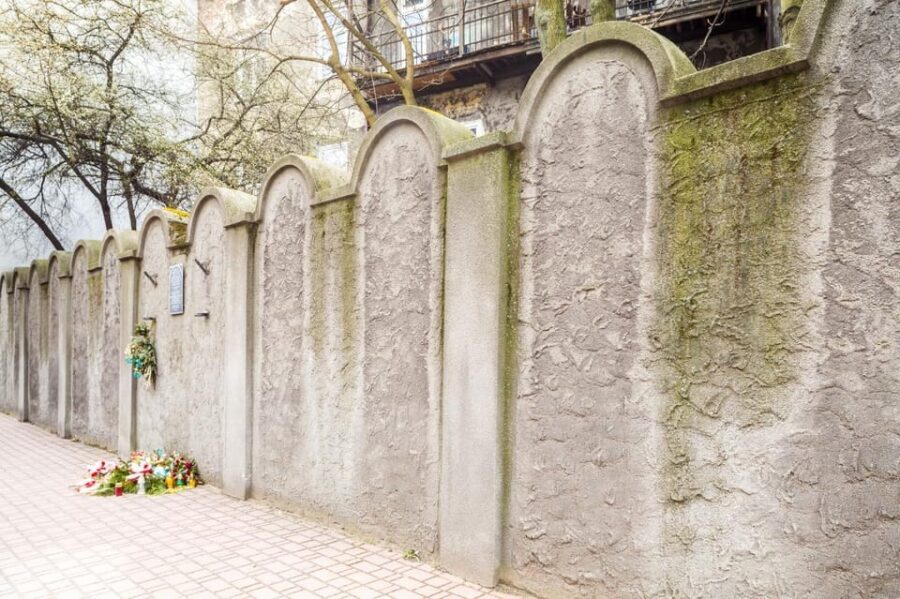
After Schindler’s Factory, the tour transitions into the Kraków Ghetto area. This part is built around geography and memory: remnants of the original ghetto wall still exist as quiet witnesses to what happened there.
You then reach Ghetto Heroes Square, a site tied to mass deportations and now known for the Chair Memorial. The empty chairs represent lives lost. It’s one of those places where the guide doesn’t just point out the structure—the guide explains why it’s placed where it is, and what the memorial is meant to evoke.
This section can feel heavy, and that’s the point. But the structure helps. By coming from Kazimierz first, you don’t only learn facts about persecution. You remember that these were real streets with real community life before they were cut off.
If you’re the kind of person who likes to process with your own pace, there may be times you want to linger for photos or reflection. The tour keeps a steady pace, so if you want extra time at the Chair Memorial, try to pause during the guide’s brief stops rather than after everyone has moved on.
Under the Eagle Pharmacy: the story of Tadeusz Pankiewicz
One of the most memorable elements of this tour is how it brings the ghetto story into specific human actions. Near the ghetto area, you’ll visit the Under the Eagle Pharmacy, tied to the wartime work of Tadeusz Pankiewicz.
The tour focuses on the practical help he provided and the risk involved: medicine, shelter, and hope for people trapped inside the ghetto. It’s not a vague hero story. The guide frames it as courage under pressure—help that required moral nerve and daily willingness to keep going despite the danger.
This stop balances the day. Schindler’s Factory tells a broader story about rescue and survival at scale, while Under the Eagle shows how individual choices could still matter when the world collapsed. If you’ve read about WWII before and found it too big and abstract, this kind of site-specific narrative often makes it click.
How the 5 hours actually feel on your feet
The tour lasts 5 hours, and that’s not a short walk. You’re covering three major areas—Kazimierz, Schindler’s Factory Museum, and the WWII ghetto zone—so your energy plan matters.
Here’s how I’d think about the pace:
- Kazimierz is your context-builder. Expect steady walking and street-level explanations.
- Schindler’s Factory adds indoor time with narrow corridors and a denser, more reflective atmosphere.
- Ghetto walking is outdoors again, and the memorial stops are where your emotions catch up with the facts.
Reviews repeatedly mention pacing that doesn’t feel rushed, with guides answering questions and keeping attention. But they also mention weather: hot sun, steady rain, and dark conditions at the end. That means you should pack for discomfort, not just sightseeing—especially if you’re booking in shoulder season.
If your schedule is tight, remember this is walking-focused. There is no hotel pickup or drop-off, so you’ll need to get yourself to the meeting point on time.
Guides can make or break this day
This is one of those tours where the guide quality really shows up. The overall rating is extremely high, and the comments repeatedly point to guides who blend compassion with clear explanations and a strong sense of pacing.
Names that come up often include Helena, Magda, Magdalena, Alice, Eva, Dominika, Barbara, Phil/Philip, and Alyce/Alice variants. The consistent theme across those praises: guides don’t just recite facts. They explain the logic behind what people had to do, and they keep the story respectful.
There’s also a practical benefit to a strong guide: when you’re reading museum signage or trying to interpret memorials, it’s easy to miss connections. A good guide helps you connect stops into one coherent narrative instead of three separate visits.
Price and value: what you’re really paying for at $81
At $81 per person for a 5-hour guided tour, the value is strongest if you care about interpretation, not just checklist sightseeing.
Here’s why it’s priced fairly for what you get:
- You get a licensed local guide for the walking tour.
- You get skip-the-line admission to Schindler’s Factory Museum, which saves time at a high-demand site.
- You get a guided visit inside Schindler’s Factory, not just a ticket and a “good luck” situation.
Food and drinks aren’t included, so budget for a meal break or snacks. But the core experience—three serious historical stops with guidance—already takes care of the biggest cost drivers: guiding time and museum entry.
If you were going to do these places on your own, you’d spend more time figuring out what each site means and when to go inside. The guide effectively reduces that guesswork.
Best for history-minded walkers (and a few people to think twice)
This tour suits you if:
- You want a guided overview that connects Kazimierz → Schindler’s Factory → the ghetto.
- You like stories that explain why people made impossible choices.
- You value expert local context more than extra free time.
It may not suit you as well if:
- You’re not comfortable with long walking days or tight indoor corridors.
- You want a lighter, casual sightseeing rhythm. This day is emotionally serious.
- You dislike group tours where one language is used throughout the session.
Also consider timing. There’s a note that museum scheduling can affect times, and it says from January 1, 2026, times are approximate. If you have a hard appointment after the tour, give yourself buffer.
When you should book this tour
Book this tour if you want the best chance of walking away with understanding, not just photos. The combination is smart: start with Kazimierz so the wartime sites land with context, then use a guide at Schindler’s Factory to make the museum make sense, then finish in the ghetto area with memorial sites that carry real meaning.
One more thing to note for your decision: the strongest feedback in the reviews focuses on guides who stay engaged for the full walk and answer questions. If that’s what you care about, this is one of the safer bets.
If you’re short on time in Krakow but still want the core WWII and Jewish Quarter story in one day, this format is efficient. If you have more time, you could also pair it with other Krakow history stops—but as a single “must-do” day, it’s hard to beat.
FAQ
Where do I meet the guide?
Meet your guide on the steps of the Old Synagogue, and they will hold an excursions.city sign.
How long is the tour?
The duration is 5 hours.
Is Schindler’s Factory included, and do I skip the ticket line?
Yes. The tour includes skip-the-line admission to Schindler’s Factory Museum, plus a guided tour inside the museum.
What languages are offered?
The live tour guide is available in French, Spanish, English, Italian, and German. The group tours run in one language, so choose your preferred language when booking.
Is food or drink included?
No. Food and drinks are not included.
What should I bring for entry to Schindler’s Factory (from 2026)?
From January 1, 2026, you must provide the full names of all participants when reserving and bring a passport or ID for entry to Schindler’s Factory Museum.
What time should I arrive?
Arrive 10 minutes before the tour begins. If the group has departed, latecomers won’t be able to join and tickets cannot be refunded.