REVIEW · KRAKOW
Guided Tour of the Wawel Castle & Cathedral in Cracow
Book on GetYourGuide →Operated by Hello Cracow · Bookable on GetYourGuide
Wawel feels like Kraków’s royal heartbeat. In just two hours, this guided tour strings together the Wawel Castle State Rooms and the Wawel Cathedral in a way that actually makes the stories click—Polish kings, coronations, and the art that survived centuries. I particularly like how the guide connects what you see (Renaissance rooms, chapels, and crypts) to what it meant politically and culturally. I also love the built-in moment for views and good luck: the chance to go up the tower and touch the Sigismund Bell.
The main thing to watch is time and pacing. It’s a short, focused visit with a dress code for worship spaces, so you won’t have hours to wander at your own speed or linger forever in every room.
In This Review
- Key highlights worth showing up for
- Why Wawel Castle and Cathedral belong high on your Kraków list
- The 2-hour flow: what you’ll see and why it’s arranged this way
- Meeting point reality check (and how to not lose your slot)
- Fast-track entry and guided storytelling you can actually follow
- Wawel Castle State Rooms: Renaissance décor and the Lanckoroński Italian connection
- Porcelain, arms, and Ottoman tents: Poland at the crossroads
- Wawel Cathedral: coronations, gilded chapels, and why the details matter
- Climb the tower and touch the Sigismund Bell
- The royal crypts: the monarchy story ends quietly
- Price and value: is $58 for 2 hours worth it?
- Dress code and other small constraints that affect comfort
- Who this tour suits best (and who may want a different pace)
- Tips to make the most of Wawel in a short guided sprint
- Should you book this Wawel Castle and Cathedral tour?
- FAQ
- How long is the Guided Tour of Wawel Castle & Cathedral?
- Where is the meeting point?
- Is there skip-the-line entry?
- What parts of Wawel are included in the tour?
- Do we get to touch the Sigismund Bell?
- What language is the tour conducted in?
- How big is the group?
- Are audio headsets included?
- Is there a dress code?
- Are there any time-sensitive rules on arrival?
Key highlights worth showing up for
- Priority access to one permanent exhibition at Wawel Castle (subject to availability) to cut waiting time
- Royal State Rooms with Renaissance décor and notable collections, including the Lanckoroński holdings of Italian art
- Distinctive artifacts like porcelain, arms, and Eastern material, including Europe’s largest set of Ottoman tents
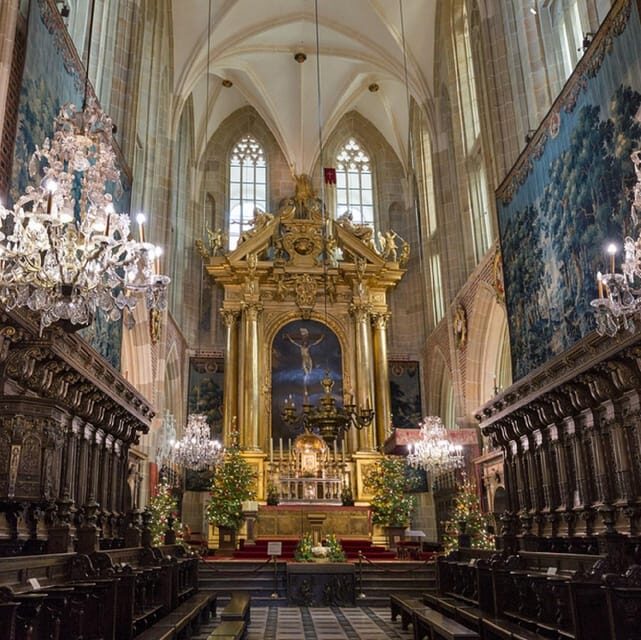
- Wawel Cathedral as the ceremonial heart of the monarchy, with richly decorated chapels and gilded details
- Tower ascent and the Sigismund Bell moment for sweeping Kraków views and a traditional good-fortune touch
Why Wawel Castle and Cathedral belong high on your Kraków list
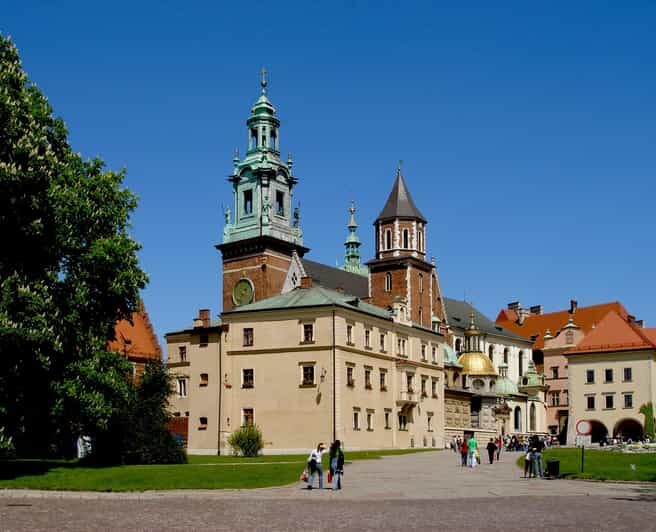
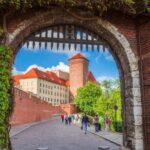
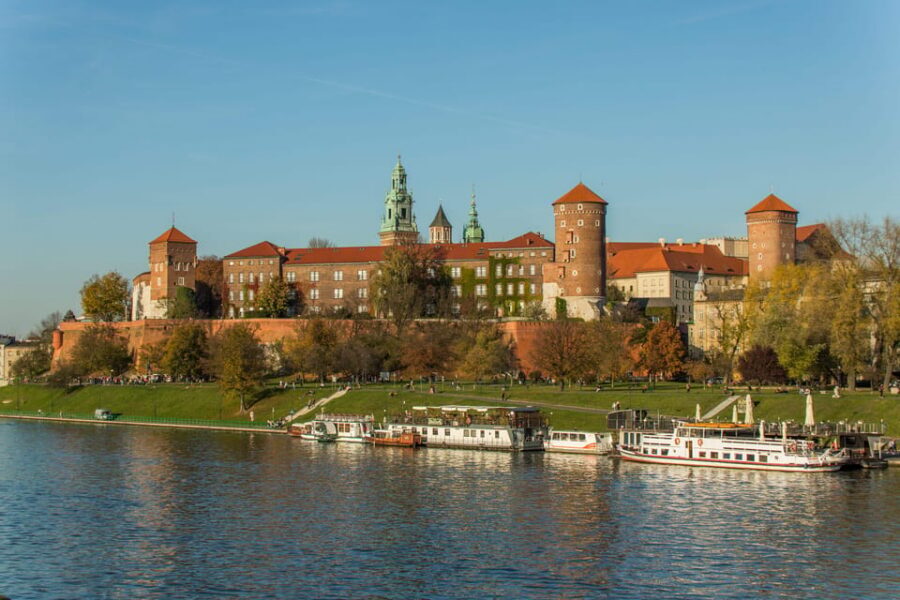
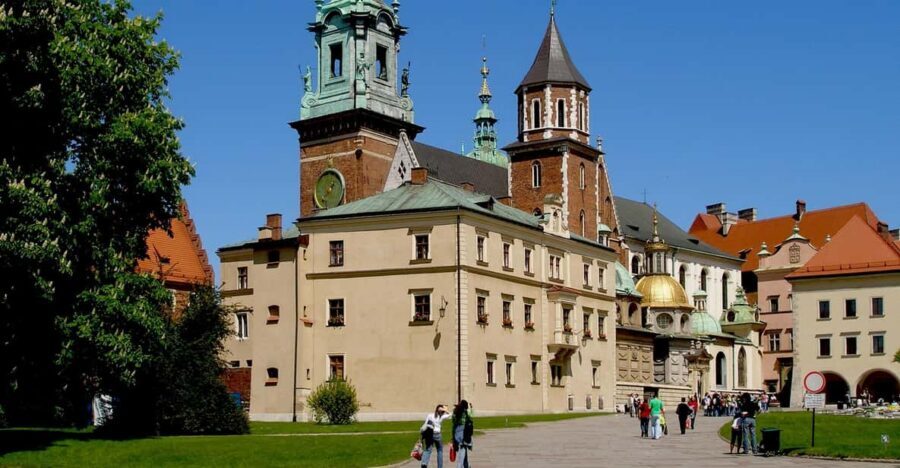
If you’re choosing what to do in Kraków with limited time, Wawel is the no-brainer. Wawel Hill dominates the skyline, and the castle-and-cathedral pair tells you why. This is where power gathered, where rulers were crowned, and where art and objects collected across cultures ended up under one roof.
What makes this tour work well for most visitors is that it doesn’t treat Wawel like a scrapbook of sights. You get a guided walk that links the royal interiors with the ceremonial space of the cathedral, so you understand what you’re looking at. The castle side shows you the “state” side of history—how wealth, taste, and official display were staged. The cathedral side gives you the “sacred and political” side—chapels, coronations, and the final resting place of major figures.
Another underrated part: you’re not left to puzzle out the place on your own. A licensed guide keeps the story straight, and that matters at Wawel where similar-looking chapels and architectural details can blur together if you’re going solo.
You can also read our reviews of more guided tours in Krakow


The 2-hour flow: what you’ll see and why it’s arranged this way
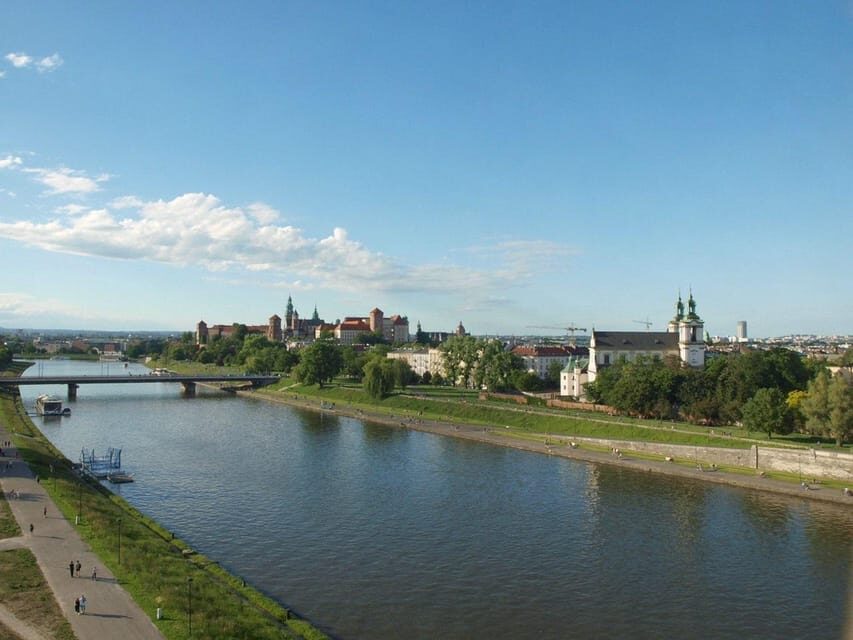
The tour is built as a straight line through the two most important monuments. It starts in Wawel Castle and moves into Wawel Cathedral, with about two hours of guided walking across the grounds.
That order is smart. The castle rooms help you grasp the political world around the monarchy—decor, collections, and the way the state showcased power. Then the cathedral becomes easier to read: once you’ve seen the royal setting, the sacred chapels and coronation heart of the monarchy land with more meaning.
You’ll also get a practical “top and bottom” experience inside the cathedral complex:
- You’ll go upward for views by climbing the tower.
- You’ll go downward to the royal crypts, where the story closes in a more somber way.
If you only do one organized Wawel option, this format is a good choice because it checks both boxes—art/architecture and the big historical narrative—without requiring a whole day.
Meeting point reality check (and how to not lose your slot)
The meeting point can vary depending on your option, and it’s not on Wawel Hill. That detail matters, because Wawel gets busy and it’s easy to end up staring at the wrong landmark. Your voucher tells you the exact location.
Plan to arrive at least 10 minutes early. Once the group has entered, joining late isn’t possible and tickets aren’t refundable. That’s pretty typical for museum and monument tours, but it’s still worth taking seriously. Set a buffer in your schedule and treat it like a train departure: show up early enough that you can relax.
Group size is capped at 30 participants. That’s the sweet spot for a guided experience at Wawel—large enough to meet other visitors, small enough that you can still hear the guide and follow along.
Fast-track entry and guided storytelling you can actually follow
This tour includes a licensed local specialist in Kraków’s royal heritage. The goal isn’t just to point at things; it’s to explain what they mean, in the context of Polish monarchy and culture.
A nice practical touch: audio headsets are included for groups of 9 participants or more. That matters in big stone spaces where voices can get swallowed. With headsets, you can keep your eyes on what the guide is pointing out instead of half-turning your body every sentence.
Tours run in a single language chosen at booking. If you’re booking for someone who needs English, French, German, Italian, Spanish, or Polish, double-check the language selection before you confirm.
The guide’s explanations are one of the most consistently praised parts of the experience. Expect clear historical framing—especially around the cathedral—and a route that helps you understand the royal story instead of just collecting photos.
Wawel Castle State Rooms: Renaissance décor and the Lanckoroński Italian connection
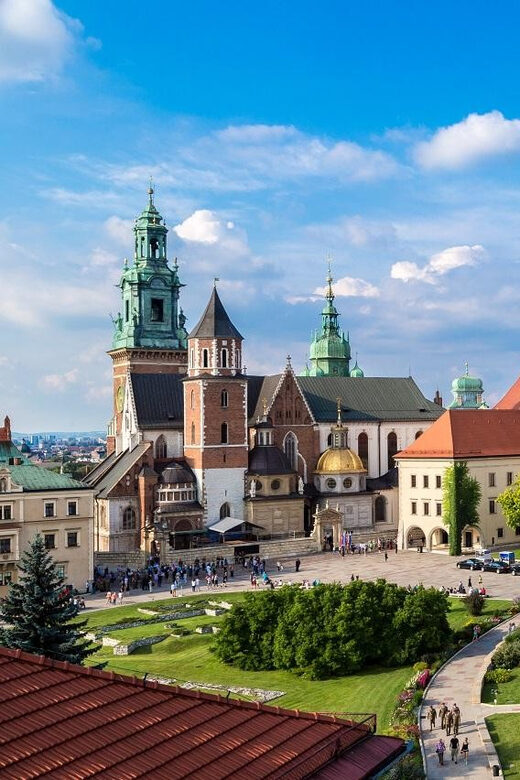
The castle visit focuses on the State Rooms—today a leading museum. These rooms are all about official display: furniture, décor, and art arranged to communicate status. If you like architecture and visual “how power looked,” this part is where you start feeling the scale of the monarchy’s influence.
You’ll see Renaissance décor and impressive textiles, including tapestries. The guide’s job here is to make these details more than decoration. In places like Wawel, the art isn’t random; it reflects European connections and the tastes of the court.
One of the major draws is the Lanckoroński collection of Italian art. If you’re the type who enjoys recognizing schools, styles, and artists from a big region (or you just like seeing how cultures fed into each other), this stop gives you a strong payoff. You’ll also get a sense of how art collecting worked in the royal environment: curated objects used to project identity and authority.
A time-keeping note: because the tour is only about two hours total, you won’t see every room in exhaustive detail. That’s not a negative—it’s just a reality of value. You’ll get the most important, most telling highlights guided by someone who knows how to prioritize.



Porcelain, arms, and Ottoman tents: Poland at the crossroads
After the Renaissance rooms, the castle museum elements broaden the story beyond pure Western Europe. You’ll encounter displays that include porcelain, arms, and Eastern artifacts.
The standout named in the tour description is that Wawel houses Europe’s largest set of Ottoman tents. Even if you don’t know the first thing about Ottoman military or ceremonial textiles, the sheer scale makes the point immediately: Polish history wasn’t happening in a sealed-off bubble. It intersected with neighboring worlds in direct, material ways.
This section is valuable because it gives you context for the monarchy’s place in a shifting region. You’re not just seeing art objects; you’re seeing evidence of contact and exchange. For many visitors, this is where Wawel becomes more interesting than the postcard version.
Wawel Cathedral: coronations, gilded chapels, and why the details matter
Then you step into Wawel Cathedral, the ceremonial heart of the Polish monarchy. The big idea here is that this church isn’t just beautiful—it’s tied to national rituals. The cathedral is a key venue for royal coronations, and that theme shapes how the space feels.
Expect richly decorated chapels and masterful details. Look for the gilded elements and the way the interior design directs your attention. The cathedral can feel overwhelming on your own because there’s a lot going on. With a guide, you get structure: where to look first, what to notice, and what each chapel ties back to in the monarchy story.
The tower and crypts later in the visit add two different “modes” for understanding the cathedral:
- Upward, for perspective over Kraków
- Downward, for the weight of history resting in place
This tour is particularly strong for people who care about architecture and symbolism, because the guide’s explanations help you connect ornate design with the roles these spaces played.
Climb the tower and touch the Sigismund Bell
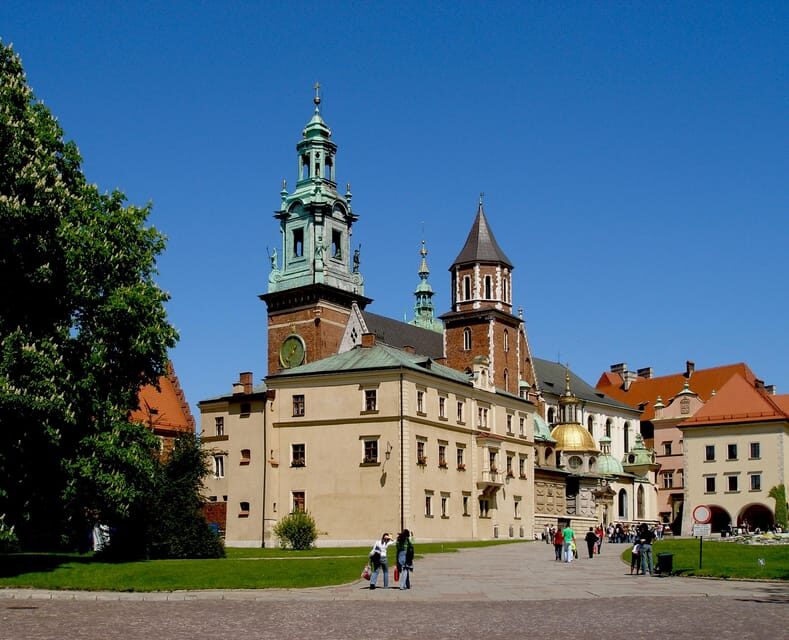
One of the most memorable parts is the cathedral tower ascent. It’s your chance for sweeping views of Kraków, which turns the stone-and-gold interior into a broader city story.
Then comes the signature moment: you can touch the Sigismund Bell for good fortune. It’s a short ritual, but it’s exactly the kind of tradition that makes a historical site feel alive. Even better, this part of the experience tends to be handled in a way that helps you find the bell—so you don’t waste time hunting while the group moves on.
The practical takeaway: wear comfortable footwear. Steps inside and around historic towers can be uneven, and with only limited time, you’ll want your body to cooperate so you can enjoy the view instead of worrying about your footing.
The royal crypts: the monarchy story ends quietly
After the views and the bell moment, the tour heads to the royal crypts—the final resting place of Poland’s most eminent rulers and visionaries.
This is where Wawel shifts from spectacle to reflection. The guide’s job here is important because crypts can feel like a list of names if you’re not given context. With the right framing, you understand that you’re standing in a physical memory system for the monarchy—where the nation kept its leadership story, not just in documents, but in stone and burial.
It’s also a good “last stop” rhythm. You’ve seen the power display in the castle. You’ve seen the coronation heart in the cathedral. Now you get the closure, where history becomes personal and heavy.
Price and value: is $58 for 2 hours worth it?
At $58 per person for a 2-hour guided visit, you’re paying for three things that are hard to replicate on your own in the same amount of time:
- Priority access to one permanent exhibition at Wawel Castle (subject to availability)
- A licensed local guide who can connect art and architecture to the monarchy story
- A tight route that covers both major monuments—castle and cathedral—in one go
If you’re the type who reads a plaque and still wants a clear narrative, the guide component is where the value really shows. Without a guide, Wawel can become a museum marathon of objects and details competing for your attention.
Where price can feel less worth it is if you’re planning to linger a lot, take your time, and go fully self-guided. This tour is designed for a structured highlights route. If that’s not your style, consider whether you want a longer visit instead.
Dress code and other small constraints that affect comfort
Places of worship and selected museums enforce a dress code: clothing must cover shoulders and knees. That means no sleeveless tops and no shorts.
It’s not just a rule on paper. If your outfit doesn’t meet the requirement, you might get turned back. So check your plans before you arrive. Bring a light layer if needed—something you can put on quickly.
Also, Wawel is a walking experience. Expect guided walking across the castle grounds and into cathedral spaces. Comfortable shoes matter more than you think, especially if you’re doing the tower.
Who this tour suits best (and who may want a different pace)
This works best for you if you:
- Care about Polish history and monarchy and want it explained clearly
- Like art and architecture, especially Renaissance décor and cathedral chapels
- Have limited time and want the main Wawel story in about two hours
- Want the traditional and fun moment of touching the Sigismund Bell
You might choose a different approach if:
- You want to spend long stretches in only the castle or only the cathedral
- You don’t want to follow a timed group flow
- You’re uncomfortable with dress-code rules for worship spaces
Tips to make the most of Wawel in a short guided sprint
Keep these in mind so you get maximum value from the high-priority, limited-time format:
- Arrive 10 minutes early at the meeting point listed on your voucher (and remember it’s not on Wawel Hill).
- Plan your outfit around the shoulders-and-knees rule.
- Put your phone away for the first few minutes. Listen to the guide’s framing, then start taking photos.
- If you’re drawn to the art side, pay attention to the Lanckoroński Italian art discussion—those comments help you look smarter at the works.
- If you love quirky historical material, don’t skim past the Eastern artifacts and the mention of the Ottoman tents. It’s a standout story in the tour’s mix.
Should you book this Wawel Castle and Cathedral tour?
If you want one efficient, story-led way to see Wawel without guessing what matters most, I think booking is a smart move. The biggest strengths are the guided explanations (especially around the cathedral and tower) and the way the route connects castle art and royal power to the sacred coronation heart of Poland.
I’d book this if your goal is clarity, highlights, and a memorable moment with the Sigismund Bell—plus tower views—without spending a full day.
If you’re the type who needs hours to wander room to room and stare at every object detail, you may feel rushed. But for most people, this tour’s structure is exactly the right amount of Wawel in one outing.
FAQ
How long is the Guided Tour of Wawel Castle & Cathedral?
The duration is about 2 hours.
Where is the meeting point?
The meeting point may vary depending on the option booked, and it is not on Wawel Hill. The exact location is provided on your voucher.
Is there skip-the-line entry?
Yes, the tour includes skip-the-line entry to one permanent exhibition at Wawel Castle, subject to availability.
What parts of Wawel are included in the tour?
You’ll visit Wawel Castle State Rooms and Wawel Cathedral, including opportunities for the tower and the royal crypts.
Do we get to touch the Sigismund Bell?
Yes, the tower portion includes the opportunity to touch the Sigismund Bell for good fortune.
What language is the tour conducted in?
All group tours are conducted in a single language chosen at the time of booking. Available languages are German, Polish, Italian, Spanish, French, and English.
How big is the group?
Group size is limited to a maximum of 30 participants.
Are audio headsets included?
Audio headsets are included for groups of 9 participants or more.
Is there a dress code?
Yes. In places of worship and selected museums, clothing must cover shoulders and knees. Shorts or sleeveless tops are not permitted.
Are there any time-sensitive rules on arrival?
Please be at the meeting point at least 10 minutes before the scheduled start time. After the group has entered, it won’t be possible to join late, and tickets are non-refundable.