REVIEW · KRAKOW
Jewish Quarter, Oskar Schindler’s sites and Kraków under Nazi occupation
Book on Viator →Operated by Krakow private tours, transfers & apartments · Bookable on Viator
Nazi-occupied Krakow can feel like a blur of names from a book. This tour makes it feel clearer by walking you through Kazimierz and Podgórze, then landing you at the sites where wartime change left physical marks.
I like how the pace is built around real places, not just speeches. You get a private guide, so you can ask what you’re noticing as you go.
I also love that Schindler’s Factory includes time inside the museum, so the story isn’t only on street corners. One thing to consider: parts of the route cover emotional ground and you’ll be doing a fair amount of walking in a few stretches, so wear comfortable shoes.
In This Review
- Key things I’d focus on
- Why this Krakow route works (Kazimierz to Płaszów)
- Kazimierz: the streets that give you context fast
- Synagogue stops: what’s included, what to expect, what to budget
- Ghetto monuments and surviving reminders on the ground
- Schindler’s Factory museum: the 2 hours that tie it together
- Płaszów Concentration Camp: leftovers that still demand attention
- Private transport and 4.5 hours of smart pacing
- Price check: what $65 buys you (and what it doesn’t)
- Who this tour fits best
- Should you book this Kraków tour?
- FAQ
- How long is the tour?
- What is included in the $65 price?
- Do I need to pay for synagogue admission?
- What should I bring since snacks and water aren’t included?
- What kind of fitness level do I need?
- Is the booking refundable or changeable?
Key things I’d focus on
- Private guide with undivided attention, plus private transportation
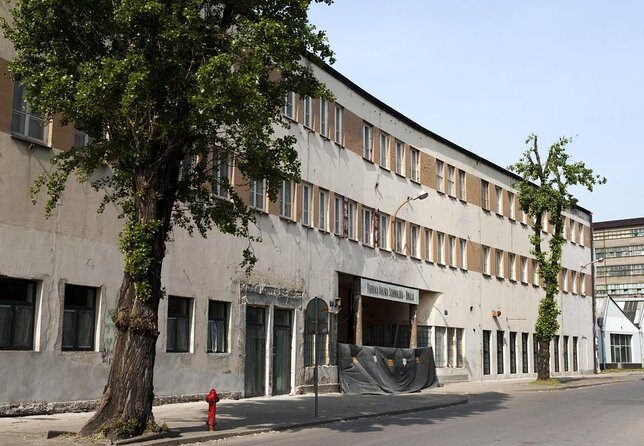
- Schindler’s Factory museum inside the building, with 2 hours to work through it
- Kazimierz on foot: Plac Wolnica, the Market Square, and Szeroka Street
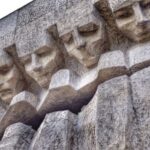
- Ghetto-era monuments and remnants, including the chairs monument at Plac Bohaterów Getta
- Remuh Synagogue as the only active synagogue in Kraków (ticket not included)
- Płaszów camp area: leftovers of two Jewish cemeteries and former camp buildings
Why this Krakow route works (Kazimierz to Płaszów)
This is one of those tours where the order matters. Starting in Kazimierz helps you understand what Jewish Kraków looked like before the Nazis tightened the grip. Then the move toward Podgórze and the camp area turns the lights on: you start seeing how the war rewired daily life, neighborhoods, and choices.
The tour is also practical. You’re not piecing together public transport stops and guessing what each street is really pointing at. A private guide keeps the timeline straight, and your route is long enough to feel substantial but short enough to stay manageable in a single afternoon.
And yes, this kind of history hits hard. The guide’s job here is not to shock you. It’s to explain what you’re seeing, what happened nearby, and why those places still matter.
You can also read our reviews of more tours and experiences in Krakow.
Kazimierz: the streets that give you context fast
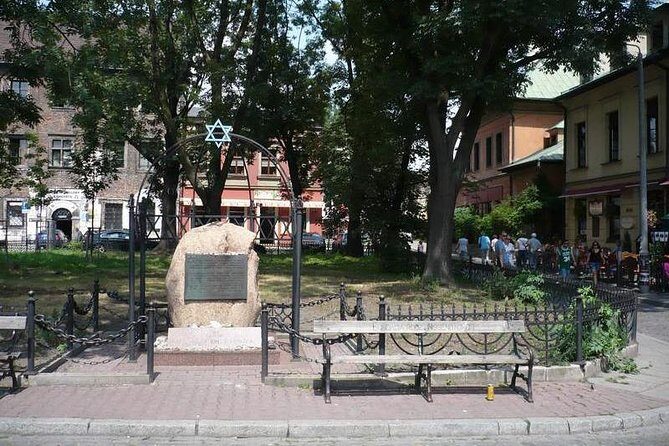
Kazimierz used to be a separate town, and you start right at Plac Wolnica, the main square. It’s a good opener because it’s easy to orient yourself: wide space, clear street lines, and a sense of how a community centered on public squares.
From there you move to the Market Square, described as a former Jewish marketplace. Even without a long lecture, the location helps you imagine commerce, bargaining, and ordinary life—things people did until everything changed.
Next comes Szeroka Street, the heart of the Jewish Quarter. This is the kind of street where you’ll likely slow down without being told to. It’s a natural “walk and listen” stretch, with the guide pointing out what made the area feel like home for residents before wartime disruptions.
Two practical tips here:
- Keep your phone away for a minute during the guide’s explanation, so you can actually track the story instead of recording it.
- If you’re the type who likes details, ask what the guide wants you to notice about the buildings as you pass them.
Synagogue stops: what’s included, what to expect, what to budget
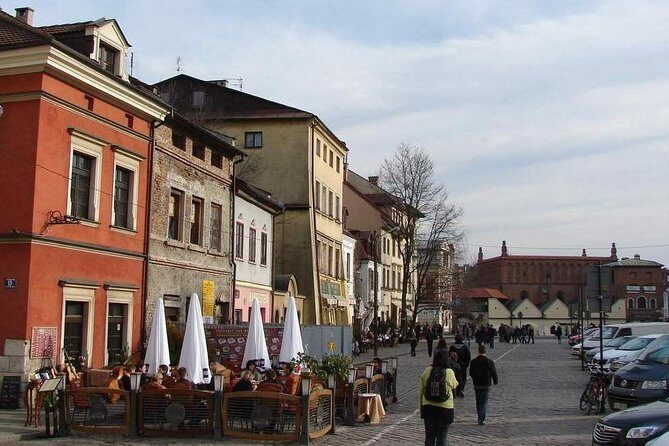
A tour like this lives and dies by how it handles religious sites. Here, you’ll encounter multiple synagogue-related stops, including what the route calls the largest synagogue in Kraków (the tour includes entry-free time around this area). Since the tour data doesn’t specify admission charges for the largest-synagogue stop(s), you’ll mainly rely on your guide for what parts you can go into and what you’ll see from outside.
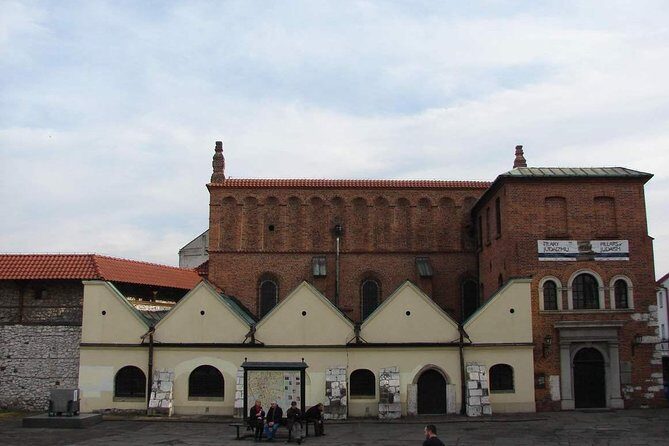
Then you’ll visit Remuh Synagogue (Synagoga Remuh). This is the only active synagogue in Kraków, and the route data notes it’s Poland’s oldest synagogue. That makes it special in a different way: you’re not only looking at wartime loss, you’re seeing continuity.
Important for budgeting: Remuh Synagogue admission is not included. The tour includes everything else at the other stops (marked free), and it includes the museum ticket later. So when planning your day, expect to pay for Remuh separately.
What you’ll get by stopping at an active synagogue is also a shift in atmosphere. Even in a tour focused on Nazi occupation, Remuh grounds the day in the reality that Jewish life didn’t end with the war. The guide’s commentary helps connect that point so it doesn’t feel like a detour.
Ghetto monuments and surviving reminders on the ground
After Kazimierz, the tour moves toward the ghetto story and the way memory shows up in the city today.
At Plac Bohaterów Getta, you’ll find the Ghetto Monument—chairs are part of what you’ll see. This spot is designed to make you slow down. The chairs aren’t just art; they’re a visual shorthand for absence, displacement, and the way the ghetto system stripped people down to what could be counted and moved.
From there, you’ll also stop at places tied to individuals and remnants:
- The route points to where Tadeusz Pankiewicz used to work.
- You’ll see a remainder of the ghetto wall at Lwowska street.
These are the moments where a private guide pays off. Without context, a wall fragment is just stone. With the right explanation, it becomes a clue: what that area looked like, why boundaries mattered, and how the ghetto was enforced.
If you want a simple way to stay steady emotionally: let the guide handle the heavy parts, and focus your eyes on physical details. The city is the “document” here—street lines, wall segments, and monuments that still hold shape.
Schindler’s Factory museum: the 2 hours that tie it together
The best value stop on this tour is Fabryka Emalia Oskara Schindlera, the Schindler Factory museum. It’s included in the price and scheduled for about 2 hours, which is a smart chunk of time. You’re not rushed. You get enough minutes to read exhibits, connect names to places, and let the guide’s narration fill in what you might miss on your own.
This stop also does something important for your understanding: it takes the story off the street and puts it in a focused indoor setting. Outside, you’re reading the city. Inside the museum, you’re reading the wartime world—how industry, survival, and terror collided.
The tour data also highlights this as a key highlight: you go inside the building that was once Schindler’s Factory. That’s a meaningful difference from tours that only point from across the street. When you step into the same kind of space where people worked, it changes how you process the scale of what happened.
If you want to get the most from these 2 hours, do this:
- Listen first, then read.
- Don’t worry if you miss something. The guide can point you to the main threads so you don’t get lost in details.
And yes—this is the part many people remember most from the day, because it’s where the commentary and exhibits finally lock together.
Płaszów Concentration Camp: leftovers that still demand attention
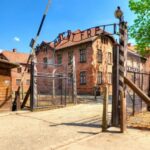
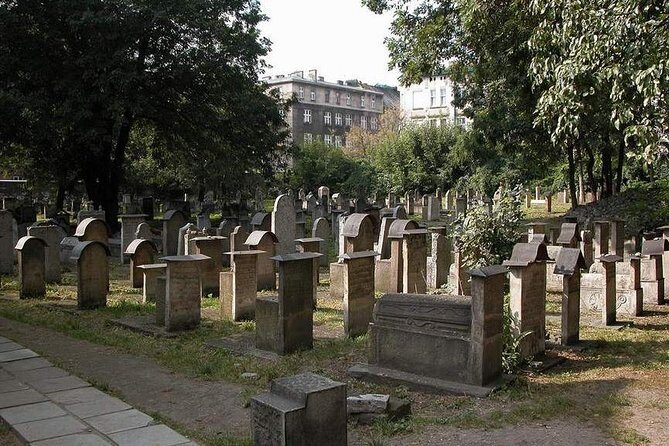
Next comes Plaszow Concentration Camp, an area tied to the large labor and concentration camp Płaszów. The tour time here is about 20 minutes, but don’t confuse “short” with “light.” Even in a brief stop, you’ll see remnants that include leftover areas from two Jewish cemeteries and camp buildings.
What helps here is having the guide frame what you’re looking at. Camp areas can feel confusing because they’re not intact in the way a fully preserved site might be. The guide’s job is to turn uneven ground and scattered remains into a clearer picture of how the camp functioned and how it affected surrounding communities.
Practical advice: bring your attention down to the basics—where you stand, what’s left, and what the site wants you to understand from what survives. If you try to force a “picture” that isn’t there, you’ll feel frustrated. Let the guide do the mapping.
Private transport and 4.5 hours of smart pacing
This is a private tour, with only your group participating. That matters because the route covers emotionally serious material. You want control over questions, pacing, and small moments of pause.
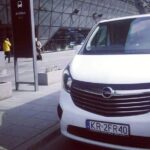
The tour also includes private transportation. Based on the experience style people comment on, the ride tends to keep you comfortable while moving between stops. That’s not a luxury detail—it’s time and energy saved. In a 4.5-hour window, it helps you spend more of the day actually looking at places and less of it figuring out connections.
Duration is listed as about 4 hours 30 minutes. You should plan to start the afternoon ready to walk and listen. The tour suggests moderate physical fitness, and it also notes you’re near public transportation, which can help if you need flexibility.
Also: snacks and bottled water are not included. In places like this, you’ll forget to eat until you’re staring at a museum exhibit with a headache. Pack a small snack if you know you get hungry.
Price check: what $65 buys you (and what it doesn’t)
At $65, you’re paying for more than a guide. The price includes:
- Professional guide service for a private tour
- Private transportation
- All fees and taxes
- Admission to the Schindler’s Factory museum
That’s where the value sits. Many history tours either charge extra for major admissions or force you to figure them out. Here, the big-ticket museum stop is included, and most walking stops are marked free.
What’s not included is mostly minor but worth knowing:
- Snacks and bottled water
- Remuh Synagogue admission (explicitly not included)
So the real question is whether you’ll use the time well. If you want a guided route that links Kazimierz, ghetto sites, and Płaszów without you doing homework, this price can feel fair. If you prefer reading everything at your own pace and already know the sites well, you might find cheaper options. But for clarity and one-stop logistics, this is a strong deal.
Who this tour fits best
This tour is a good match if you:
- Want a guided route that connects neighborhoods to wartime events
- Care about seeing the Schindler’s Factory museum from inside the building
- Prefer private explanations over self-guided guessing
It’s also a good choice if you’re short on time in Kraków. You get major areas in one go: Kazimierz, ghetto memory points in Podgórze, and the Płaszów camp area.
If you’re traveling with limited tolerance for emotional content or you know you need long recovery breaks, you might want to plan a lighter day afterward. The itinerary is compact, and the subject matter is heavy.
Should you book this Kraków tour?
I’d book it if your main goal is understanding Nazi-occupied Krakow through the city’s actual geography—especially if Schindler’s Factory is on your list. The inclusion of private transportation plus the museum ticket makes it easier to commit without juggling admissions.
I’d think twice if you’re sensitive to difficult topics and you prefer slower, longer stops where you can step away. The tour is designed to cover key points in one afternoon, not to linger for hours at any one site.
Overall, this is a practical way to connect Kazimierz, ghetto-era reminders, and the Płaszów camp area without losing the thread.
FAQ
How long is the tour?
The tour lasts about 4 hours 30 minutes.
What is included in the $65 price?
The price includes a professional private guide, private transportation, and all fees and taxes. Admission to the Schindler’s Factory museum is included.
Do I need to pay for synagogue admission?
Remuh Synagogue admission is not included. The other listed stops are marked as free in the tour information.
What should I bring since snacks and water aren’t included?
Bring snacks and bottled water if you think you’ll need them during the 4.5-hour walk-and-visit route.
What kind of fitness level do I need?
The tour asks for moderate physical fitness level.
Is the booking refundable or changeable?
No. The experience is non-refundable and cannot be changed for any reason.