REVIEW · KRAKOW
Krakow: Former Concentration Camp Plaszow Guided Tour
Book on GetYourGuide →Operated by INTERCRAC Ltd. · Bookable on GetYourGuide
Plaszow hits hard, and faster than you expect. This 2-hour guided visit to the former Krakow–Plaszow camp turns open space and ruins into a clear timeline, from forced labor roots in 1940 to a concentration camp shift in 1941. It also connects the site to Schindler’s List, including what was filmed nearby.
I love the way the tour centers on memorial stops, so remembrance is built into the route instead of tacked on at the end. I also like the practical, on-the-ground way you learn about Oskar Schindler and then stand where a film replica was built in the Liban Quarry.
One possible drawback: this is emotionally heavy and it’s an outdoor site, so plan for weather and expect some walking over uneven ground.
In This Review
- Key Highlights You Shouldn’t Rush
- Why Plaszow Matters More Than the Schindler’s List Scenes
- Meeting at Apteka Pod Orlem: Easy Start, Clear Follow-Through
- The Camp Timeline You’ll Actually Understand in 120 Minutes
- Quarry and Factories: Where “Work” Meant Coercion
- Memorials Across the Grounds: Remembering Without Turning Away
- Oskar Schindler and the Film Connection That Doesn’t Feel Forced
- Liban Quarry Replica: Where You Can See the Story’s Footsteps
- Price and Value: Is $23 Worth It for This Site?
- Who This Tour Fits Best (and Who Might Want to Skip It)
- Should You Book the Krakow-Plaszow Guided Tour?
- FAQ
- How long is the Krakow-Plaszow guided tour?
- Is the tour guided in English?
- Where do I meet the guide?
- What is included in the ticket price?
- Are tram tickets included?
- What should I bring?
- Is the Spielberg-related replica visited?
- Is there free cancellation?
- Can I reserve now and pay later?
Key Highlights You Shouldn’t Rush
- Forced labor turned concentration camp: you’ll hear how the camp evolved beginning in 1940 and officially changed in 1941
- Krakow ghetto deportations: the tour explains how deportations that began in 1942 unfolded
- Quarry and factory labor: you’ll learn what intensive work looked like in places tied to the camp
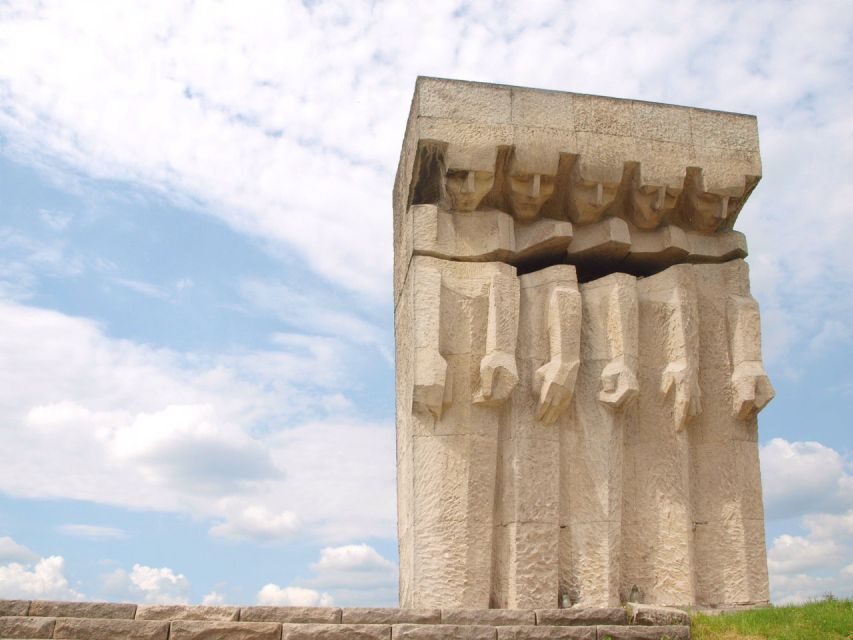
- Memorials for victims: you’ll visit multiple remembrance points across the grounds
- Oskar Schindler + Schindler’s List context: you get the man behind the film and where the story connects locally
- Liban Quarry replica: the Spielberg-directed set is a short walk away and makes the film link feel real
Why Plaszow Matters More Than the Schindler’s List Scenes
It’s easy to think of Plaszow as a movie location. The tour resists that shortcut. Instead, you get a straight, sober explanation of how the camp functioned and why the place became infamous during Nazi rule in the Krakow area.
The core story starts with how the site opened as a forced labor camp in 1940 and then became a concentration camp in 1941. That timeline matters because it explains the shift from one form of exploitation into a much harsher system. Once you know that, the different areas you move through stop feeling random. They become parts of a working machine.
Then the tour layers in the Schindler connection in a grounded way. You learn about Oskar Schindler as a person, not just a film character. And you hear how Schindler’s List (1993) portrayed the camp experience, alongside the local filming link—so you can separate what cinema dramatizes from what the real place reveals.
This tour is strongest when you’re willing to treat it as history on the ground, not as a guided recap of a plot.
You can also read our reviews of more guided tours in Krakow
Meeting at Apteka Pod Orlem: Easy Start, Clear Follow-Through
You meet at the entrance of Apteka Pod Orlem. Look for the guide holding the excursions.city sign. The activity ends back at the meeting point, which makes the end of the tour feel simple: you’re not left figuring out how to get back across town.
The tour runs about 2 hours, and starting times depend on availability, so it’s smart to check what slot fits your day in Krakow. The guide is live and English-speaking, which helps if you want more than basic signage.
Two practical notes to plan around:
- Tram tickets are not included, so have a way to get yourself to and from the meeting area.
- The experience is weather-dependent. Bring weather-appropriate clothing, because you’ll be outdoors for the walk and stops.
If you like having support after the tour, that’s a bonus. One guide named Olga went above and beyond for a group by walking them to the nearest bus stop and helping them catch the right bus back toward Old Town. Even if your guide doesn’t do exactly that, it’s a sign you’re working with people who think about the full travel experience, not just the tour script.
The Camp Timeline You’ll Actually Understand in 120 Minutes
The tour’s first job is clarity: it gives you the timeline so the site makes sense. You start with when the camp opened in 1940 and what it began as—a forced labor camp. Then you move to the key transition in 1941, when it was converted into a concentration camp.
You’ll also connect the camp to the wider Nazi control system in the region. A major thread is what happened to Jewish residents in Krakow, including the deportations from the Krakow ghetto beginning in 1942. Hearing that date and sequence matters because it helps you understand that Plaszow wasn’t an isolated evil event. It was part of a broader policy with planning behind it.
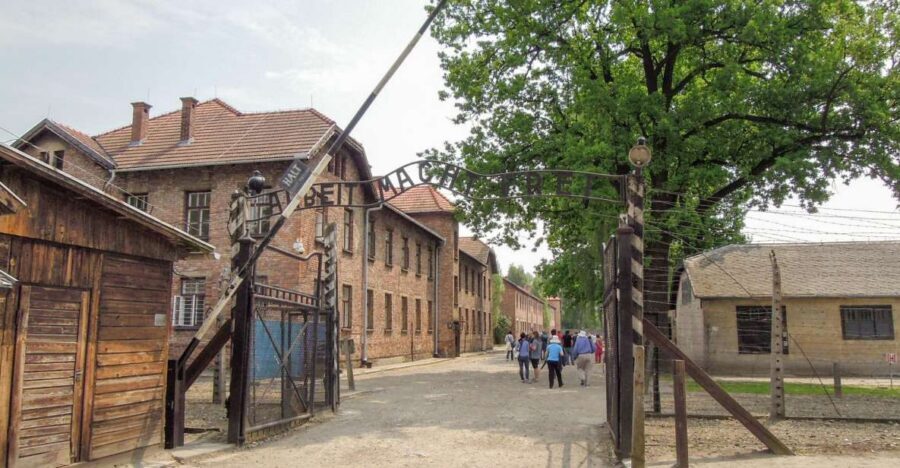
The tour then brings you into the camp’s different parts so you can see how a site designed for control and labor was laid out. That’s important for first-time visitors. Without guidance, many people wander through information boards and ruins and still leave with questions like: What exactly did this area do? Who was brought here? What was the daily routine?
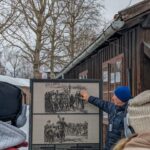
A good guide helps you answer those questions as you walk. The best moments are when the guide ties the story to what you can see—ruins, memorials, and site features—so your brain builds a mental map instead of just absorbing facts.
Quarry and Factories: Where “Work” Meant Coercion
One of the most sobering parts of this tour focuses on labor. You’ll learn about the intensive labor carried out at the quarry and tied to military factories. It’s the kind of detail that changes how you see the site.
Quarry labor matters because it’s physically demanding by nature. In a concentration camp context, that basic reality becomes part of the machinery of exploitation and death. When the tour connects those locations to camp operations, it stops being generic “work under the Nazis.” You get a clearer picture of the kind of environment the camp created and the pressure put on prisoners.
The military factory element adds another layer. It shows how the Nazi system tried to extract labor value while maintaining control through brutal conditions. The camp isn’t just a detention space. It’s also a workplace created for suffering.
This section can feel intense, but it’s also what makes Plaszow more than a memorial stop. You learn how the camp functioned day-to-day, which is often what people wish they understood when they visit Holocaust sites without context.
Memorials Across the Grounds: Remembering Without Turning Away
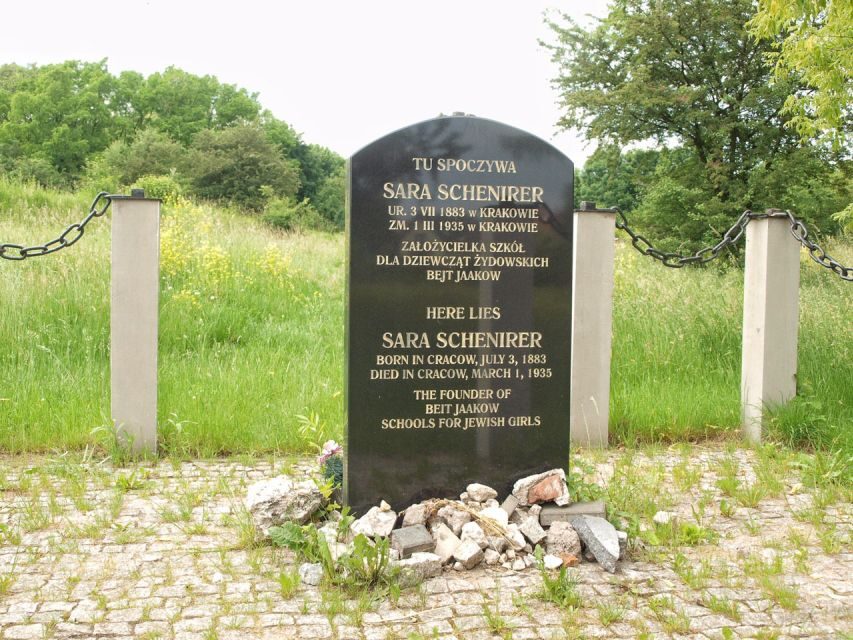
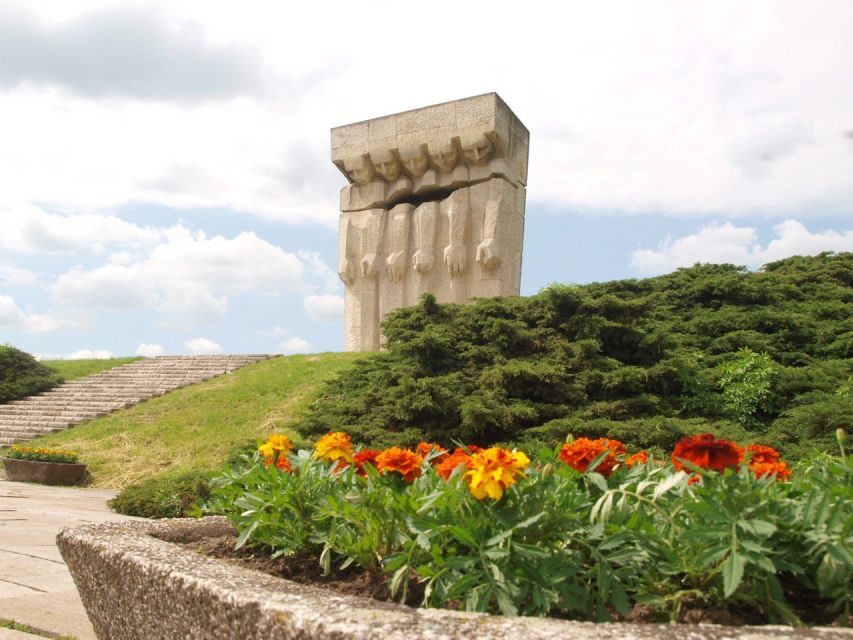
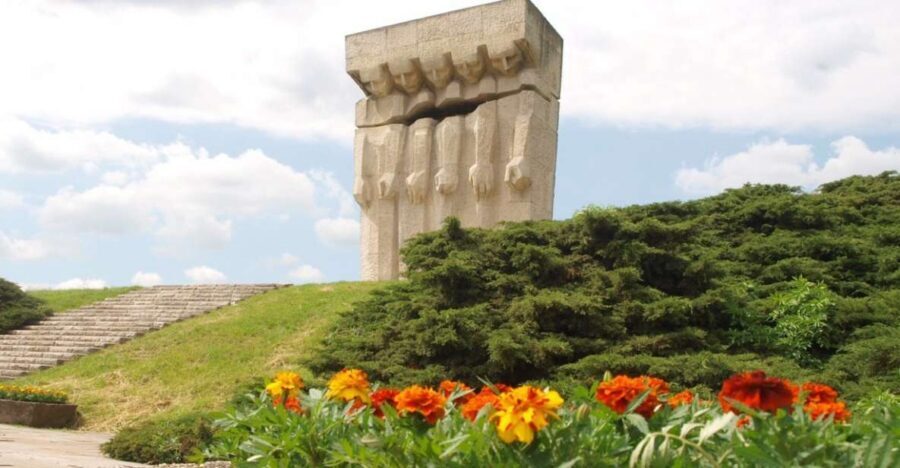
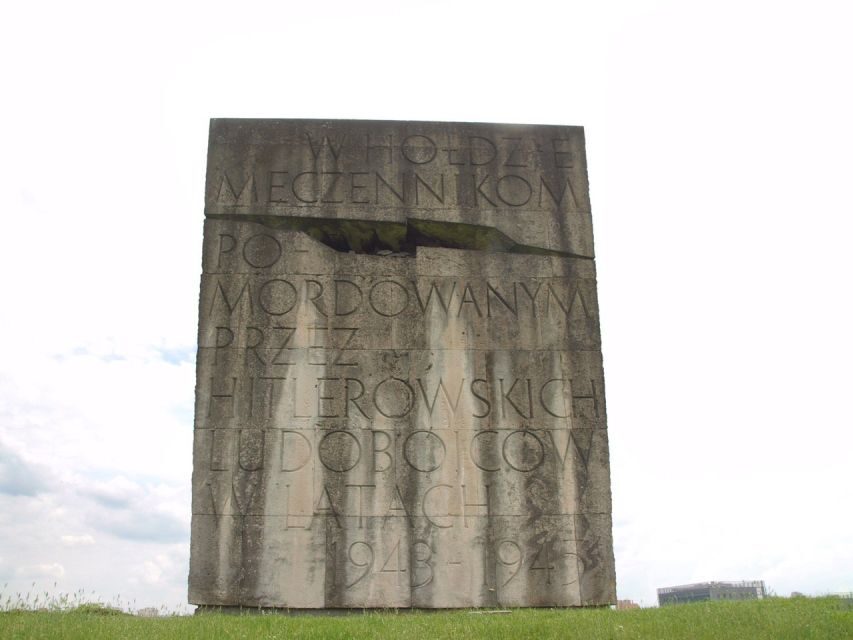
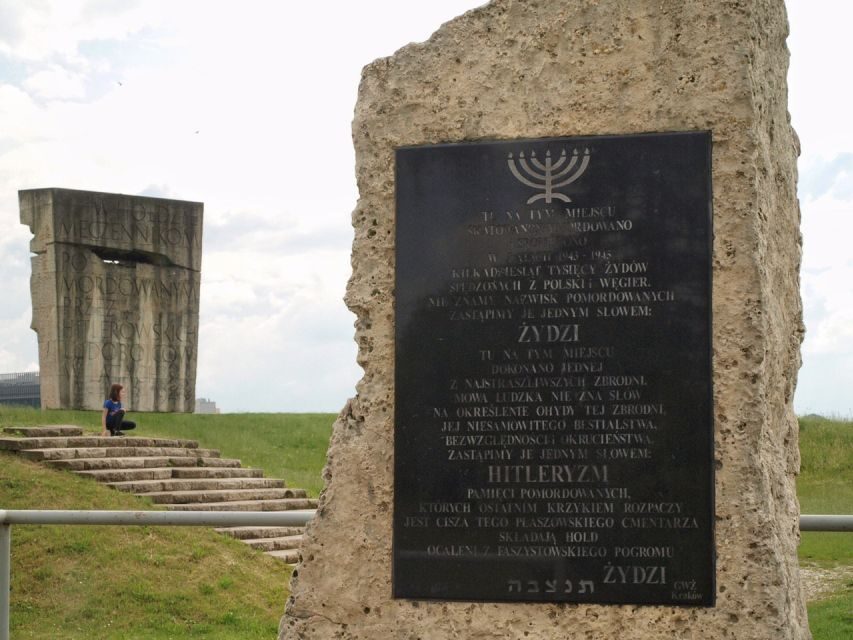
Plaszow isn’t a single monument. It’s a camp landscape with multiple memorials dedicated to remembering the victims. That spread is part of the reason a guide makes such a difference.
As you move from point to point, the tour encourages you to slow down and connect the physical layout to human loss. You’ll also hear about what the site represents today and why it matters that the story stays visible rather than fading into “just another ruins area.”
One thing I appreciate is how remembrance isn’t treated like a checklist item. The tour frames the memorial stops as the heart of the visit. That approach matters because the camp’s history is not about trivia—it’s about honoring people who were targeted, displaced, and murdered.
There’s also a practical reality here: the grounds are not always emotionally intuitive at first glance. Based on how the site feels today, you can see why guidance matters. It’s been turned into a public space with information boards, memorials, and building ruins rather than a closed-off museum bubble. That can help you absorb details at your own pace, but it also risks turning the visit into wandering unless you have context.
A good guide keeps the story anchored so the quiet places still carry weight.
Oskar Schindler and the Film Connection That Doesn’t Feel Forced
The tour’s Schindler section is where many visitors start asking bigger questions: How does a real person connect to a fictionalized retelling? What role did opportunity, risk, and timing play?
You’ll hear about Oskar Schindler’s life and how he fits into the broader narrative tied to Plaszow and the deportations from Krakow. Then the tour connects that to how the 1993 movie Schindler’s List portrayed the camp experience.
The key value here is the way the tour treats the movie as a bridge, not a replacement. Once you understand the real site and the camp purpose, the film connection becomes easier to interpret. You can appreciate why Spielberg’s 1993 film made certain choices, while still recognizing the difference between cinema and history.
If you’re a film fan, this section is the reason you’ll be glad you booked a guide. If you’re not a film fan, you’ll still benefit because Schindler’s story helps put faces and moral choices into a system designed to erase individual lives.
Liban Quarry Replica: Where You Can See the Story’s Footsteps
One of the tour’s most interesting local touches is the visit to a replica of the camp built under the direction of Steven Spielberg in the Liban Quarry. It’s about a hundred meters away, so you can keep it all within a single outing without feeling like you’re crisscrossing town.
This stop is useful for a simple reason: it makes the film connection physical. Instead of thinking about what the movie set looked like in a studio, you stand near the recreated camp environment. That can help you understand why movie scenes feel convincing—they’re built to match the look and layout people associate with Plaszow.
But here’s the balanced way to use it: treat the replica as interpretation. It’s there to help you visualize the story, not to “replace” the real site. You’ll get more from it if you keep the history narrative close in your mind as you look around.
I like this pairing because it keeps your visit from turning into two separate experiences—one for history, one for film. You get a single thread: real place, memorial meaning, and the film’s local roots.
Price and Value: Is $23 Worth It for This Site?
At $23 per person for a 2-hour English-language guided tour, the value is mostly about what you’re buying: interpretation.
Plaszow is not a site where the meaning automatically leaps out at you. It’s a public landscape with memorials and ruins. Without a guide, many visitors can leave with vague impressions instead of a clear timeline—forced labor in 1940, concentration camp conversion in 1941, deportations from the Krakow ghetto beginning in 1942, and the roles of quarry and factory labor.
This tour includes a licensed guide. That’s the big “cost saver” here: you’re paying for someone to translate the terrain into understanding. That’s especially important for a topic where details matter and where skipping context can lead to misunderstanding.
So yes, I’d call it fair value—especially if you want the Schindler and Spielberg link explained properly instead of guessing.
Who This Tour Fits Best (and Who Might Want to Skip It)
This tour fits best if you:
- want a clear WWII-era understanding of Plaszow tied to Krakow’s Jewish community history
- are curious about how Schindler’s List connects to real locations
- like guided structure when visiting sites that are emotionally heavy and physically spread out
It may not be the best match if you’re looking for a light stroll, a purely cinematic experience, or a “quick photo stop.” This place asks for attention.
One more tip: if you’re planning other WWII stops in Krakow, space this tour out so you don’t overload your emotions and memory. Two hours is enough to absorb a lot. Give yourself time to process afterward.
Should You Book the Krakow-Plaszow Guided Tour?
I’d book it if you care about understanding the site, not just seeing it. The licensed English guide, the memorial-focused pacing, and the way the tour connects the camp timeline to Oskar Schindler and the Liban Quarry replica make this more than a sightseeing outing.
I’d think twice only if you’re not ready for heavy historical content or you hate outdoor walking in real weather.
If you want one practical decision rule: if you’re willing to listen and take your time at remembrance points, you’ll get a visit that stays with you for the right reasons.
FAQ
How long is the Krakow-Plaszow guided tour?
The tour lasts about 2 hours.
Is the tour guided in English?
Yes, it’s a live guided tour in English.
Where do I meet the guide?
Meet at the entrance of Apteka Pod Orlem. Look for the guide with the excursions.city sign.
What is included in the ticket price?
The ticket includes a licensed guide.
Are tram tickets included?
No, tram tickets are not included.
What should I bring?
Bring weather-appropriate clothing, since the tour takes place outdoors.
Is the Spielberg-related replica visited?
Yes. The tour includes a visit to a replica set built under Steven Spielberg’s direction in the Liban Quarry, about a hundred meters away.
Is there free cancellation?
Yes. You can cancel up to 24 hours in advance for a full refund.
Can I reserve now and pay later?
Yes. You can reserve now and pay later.