REVIEW · KRAKOW
Krakow: Jewish Museum Galicja – Skip the line Ticket
Book on Viator →Operated by DISCOVER CRACOW · Bookable on Viator
Some museums ask you to rush. This one doesn’t. The skip-the-line access and mobile ticket make it easy to get inside, then settle in for a self-paced look at Holocaust remembrance and Jewish life in Galicia.
What I love most is the way the museum uses images—especially photographs—to do the heavy emotional lifting without drowning you in noise. I also really like the permanent exhibition Traces of memory, shaped to commemorate 800 years of Jewish culture in Poland. The main drawback: since there’s no guide service included, you’ll want to pay attention to the wall text and captions to get the full meaning.
In This Review
- Key highlights you’ll feel right away
- Jewish Museum Galicja in Krakow: what you’re actually booking
- Skip-the-line, mobile ticket, and the reality of a 2-hour visit
- The main event: Traces of memory and what it’s trying to do
- A good way to pace yourself
- Photographs that carry the story (and why that works)
- What about temporary exhibitions: contrast, pacing, and surprises
- Logistics that matter: timing, entry, and keeping it meaningful
- Think self-guided, not self-guided-on-hard-mode
- Where this museum fits in your Krakow day
- Who should book this skip-the-line ticket
- Price and value: $8.52 for real entry value
- Should you book the Jewish Museum Galicja skip-the-line ticket?
- FAQ
- What is the price of the ticket?
- How long should I plan for the visit?
- Does this ticket include skip-the-line entry?
- Is there a guide service included?
- Is the ticket available on my phone?
- Where is this experience located?
- What are the opening hours?
- Can I bring a service animal?
- Is the museum near public transportation?
- How does cancellation work?
Key highlights you’ll feel right away
- Skip-the-line entry helps you start watching sooner, not waiting.
- Mobile ticket keeps things simple on your phone.
- Traces of memory links Holocaust commemoration with the wider story of Jewish life in Galicia.
- Photo-led exhibitions give you time to reflect at your own pace.
- Quiet, unhurried pacing makes a short visit actually feel complete.
- Short-term displays can add a surprising contrast, including themed offbeat shows like painted skateboards.
Jewish Museum Galicja in Krakow: what you’re actually booking
This is a straightforward museum ticket with one big advantage: you don’t waste time in the entry line. For me, that matters at cultural sites because waiting can push your visit into “look fast, leave fast” mode. With the skip-the-line entrance included, you can walk in and get your bearings fast, then spend your energy where it counts—on the exhibits.
The core experience is the Galicia Jewish Museum in Krakow, focused on honoring victims of the Holocaust and keeping Jewish heritage in focus for the region of Galicia. It’s not trying to be an entertainment stop. It’s built for memory, context, and careful attention.
One more practical note: the ticket does not include a guide service. That’s not a dealbreaker, but it does change how you should approach it. You’ll get the space and time to read, look, and reflect—without someone talking at you.
You can also read our reviews of more tours and experiences in Krakow


Skip-the-line, mobile ticket, and the reality of a 2-hour visit
The visit is listed at about 2 hours, which is a sweet spot for a museum like this. You can move at a comfortable pace, pause for the photos that hit you hardest, and still leave before fatigue sets in.
The mobile ticket format is also the kind of small win that makes travel less stressful. You don’t need to hunt for paper tickets or figure out last-minute printing. You’ll receive confirmation at the time of booking, and then you can plan your arrival around the museum’s opening hours.
Opening hours are Monday through Sunday, 11:00 AM–6:00 PM, during the long seasonal window listed. If you’re visiting in the afternoons, this schedule can help you build a smooth day: museum first, then something lighter afterward.
Also, the museum is near public transportation, so you’re not forced into a “taxi tax” day in Krakow. And if you travel with a service animal, they’re allowed.
The main event: Traces of memory and what it’s trying to do
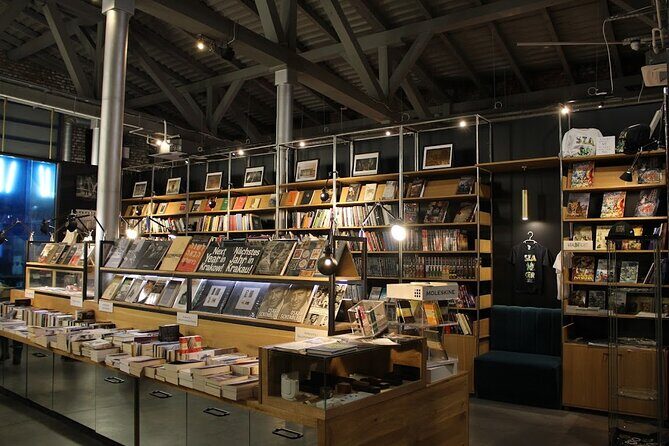
Your visit centers on the permanent exhibition Traces of memory. This show is described as the outcome of twelve years of artistic work. That detail isn’t just a production note—it hints at the museum’s intention: the exhibits are designed with care, not thrown together.
The exhibit commemorates 800 years of Jewish culture in Poland. That matters because it keeps the story from becoming only one-note. Yes, the museum honors Holocaust victims. But the larger goal is to cultivate Jewish heritage and preserve the broader cultural context, especially for the world of Galicia.
In practical terms, you should treat this part like a slow read with visuals. Expect material that asks you to connect dates, names, and places. Even if you only spend a portion of the time you have, don’t rush through the permanent galleries. This is the section that gives you the backbone.
A good way to pace yourself
A simple trick: pick two or three clusters of photos and documents to focus on deeply, then do a lighter sweep through the rest. That way you don’t try to “finish the museum,” but you still get a real sense of what it’s building.
Photographs that carry the story (and why that works)
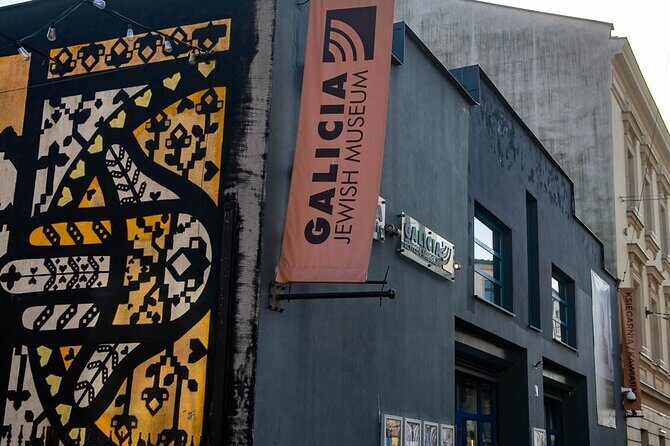
The museum experience is often described as photo-focused, and that fits the vibe you’ll find once you’re inside. One of the strongest comments from people who rate the museum highly is that the photographs do the storytelling—each image “telling its own story throughout the years.”
That’s a powerful approach. Photographs don’t just illustrate. They hold tension. They can show everyday life, loss, absence, and memory in a way that’s different from a standard text-heavy exhibit.
In the same spirit, it’s worth knowing that the museum’s photo-based presentation can map out the annihilation of entire Jewish communities. That’s heavy material. The benefit is that you’re not pulled along by a guide’s rhythm—you can stop and sit with what you’re seeing.
One more detail that makes the experience feel different: the museum isn’t only permanent galleries. You may also encounter short-term exhibitions, and at least one high-scoring comment notes a display involving painted skateboards. That kind of unexpected pairing can feel jarring at first—until you realize the museum isn’t just about tragedy. It’s also about culture continuing, changing, and being expressed in different ways.
You can also read our reviews of more museum experiences in Krakow





What about temporary exhibitions: contrast, pacing, and surprises
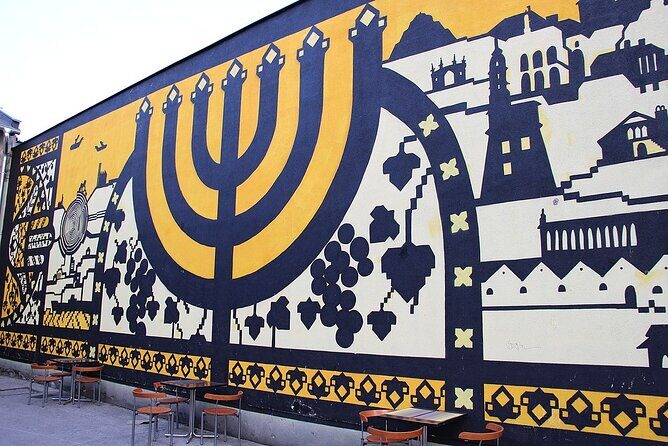
Temporary shows are mentioned in feedback in a couple ways: as additional displays alongside the main focus, and as moments of variety. If you’re the type who gets restless in a single long exhibit theme, the rotation of short-term displays can help.
The catch is that temporary exhibitions can change over time. So you shouldn’t assume any specific theme is guaranteed on your dates. But you can expect the museum to keep some movement in the program—especially through visual, creative formats.
When you see something outside the core Holocaust-and-memory storyline—like the painted skateboards mentioned in feedback—it can work as a mental breather. Not a replacement for the serious parts, just a reminder that Jewish heritage isn’t only past tense.
Logistics that matter: timing, entry, and keeping it meaningful
Even though this ticket is “just” skip the line, your timing still affects the emotional feel of your visit.
Go when you can give it your full attention. In a museum like this, the difference between arriving right at opening time and walking in late is real. Early tends to mean quieter rooms and more space to read. Later in the day can be busier, and you might feel more pressure to keep moving.
You’re looking at about 2 hours total, and that’s best treated as a buffer. If you find you’re absorbed, you might naturally stay closer to the upper end. If you’re someone who likes to review labels and photos carefully, build extra mental space. This isn’t a “checklist” museum.
Think self-guided, not self-guided-on-hard-mode
Because there’s no guide service included, the museum becomes self-guided. That’s not a negative—it’s a choice. The value is that you control the speed.
The downside is that you’ll miss some background if you don’t read the captions. So come with the right mindset: plan to linger, and accept that you’ll be using your eyes more than a commentary voice.
Where this museum fits in your Krakow day
Krakow is packed. This site works best when you want one focused, reflective stop rather than three fast ones.
Pair it with:
- A gentle walking stretch afterward, so your brain has time to settle.
- A meal you don’t rush, because you’ll likely want normal life to “snap back” after the exhibit’s emotional tone.
Keep the rest of your day flexible. If you schedule something intense right after, you can end up feeling like you’re multitasking your emotions. It’s better to leave space for decompression.
Who should book this skip-the-line ticket

This ticket is a good match if you:
- Want to keep costs reasonable while still getting a high-impact museum.
- Like photo-led exhibits and are willing to spend time with captions and visuals.
- Prefer self-paced visits over guided tours.
It may be less ideal if you:
- Want a live guide to explain context in detail (since guide service is not included).
- Need a fully structured itinerary with talking and group discussion to stay engaged.
Because it’s available to “most travelers,” it’s also a solid option for people who want an accessible cultural stop with minimal fuss.
Price and value: $8.52 for real entry value
At $8.52 per person, this ticket sits in the “good deal” zone for Krakow museum experiences—especially when skip-the-line is part of what you’re paying for. The value here isn’t just saving money. It’s saving time and reducing friction.
You’re also getting a complete visit centered on the museum’s permanent exhibition, with additional short-term displays depending on the date. For a ~2-hour block, that’s efficient.
Just be honest with yourself about what you want: if you value a guide’s spoken context, you may find you want to add that elsewhere or supplement with your own reading. If you’re happy to go at your own pace and let the photos speak, the price becomes even more attractive.
Should you book the Jewish Museum Galicja skip-the-line ticket?
I think you should book it if you want a quiet, photo-centered museum stop in Krakow that focuses on remembrance and Jewish heritage in Galicia. The skip-the-line benefit makes it practical, and the permanent exhibition Traces of memory is the kind of curated experience that you’ll remember because you actually take time with it.
Skip this ticket only if you strongly prefer a guided explanation or you know you don’t enjoy reading captions and interpretive text on your own. In that case, you may feel you’re missing the “connective tissue.”
If your goal is thoughtful viewing without unnecessary waiting, this is a strong yes.
FAQ
What is the price of the ticket?
The ticket costs $8.52 per person.
How long should I plan for the visit?
Plan on about 2 hours (approx.).
Does this ticket include skip-the-line entry?
Yes. Skip the line entrance is included.
Is there a guide service included?
No. Guide service is not included.
Is the ticket available on my phone?
Yes. It’s a mobile ticket.
Where is this experience located?
It’s in Krakow, Poland, at the Galicia Jewish Museum.
What are the opening hours?
Monday through Sunday, 11:00 AM to 6:00 PM (for the listed date range).
Can I bring a service animal?
Yes. Service animals are allowed.
Is the museum near public transportation?
Yes. It’s near public transportation.
How does cancellation work?
Free cancellation is available up to 24 hours in advance for a full refund.