REVIEW · KRAKOW
Krakow Kazimierz and Jewish Ghetto Tour with Synagogues
Book on Viator →Operated by Rosotravel - Wawel Castle and other Tours · Bookable on Viator
History has a street address in Krakow. This tour ties Kazimierz (the historic Jewish quarter now full of life) to the city’s Jewish Ghetto story in a way that feels personal, not textbook. I especially love how it slows down at memorial moments like the Plac Bohaterow Getta empty-chairs concept, and I like ending in synagogues that are still part of Jewish life today, including the Remuh Synagogue (with the Old Jewish Cemetery on the longer option). One drawback to plan around: if you pick the 2-hour version, you won’t get Remuh or the cemetery tickets.
What makes this work is the structure: you walk through neighborhoods, pause at the physical traces of history, then step into buildings where the details matter (architecture, art, and the fact that services have continued). I also like that the tour is private, so your guide can answer your questions as you go—plus my guide Helena was not only extremely well-prepared, but also very personable, which helps when the subject turns heavy.
If you want to get the most out of it, choose your time window carefully. The sites overlap a bit between options, but the big “this is why it mattered” parts—Remuh and the cemetery—are tied to the 4-hour schedule.
In This Review
- Key things I’d plan around before you go
- Krakow’s Jewish Quarter walk: what you’ll actually experience
- How to pick 2, 3, or 4 hours without missing the best parts
- Kazimierz streets and the former ghetto district: start where the community moved
- Schindler’s List locations: history you recognize even if you didn’t plan to watch films
- Plac Bohaterow Getta and the empty-chair memorial effect
- Synagogues in Kazimierz: why these buildings matter beyond the walls
- Stara Synagoga / Old Synagogue: one of the surviving Gothic synagogues
- Remuh Synagogue: small, Renaissance, and still active
- Tempel Synagogue: stained glass and a scene tied to the film
- Other synagogue options you might see depending on the schedule
- Museums, ghetto walls, and memorial squares: how the story becomes concrete
- Cemetery time and the quiet weight of continuity
- The guide effect: why a private tour helps with heavy material
- Planning tips that make the route easier on you
- Should you book this Krakow Jewish Ghetto and Synagogues tour?
- FAQ
- How long is the Krakow Kazimierz and Jewish Ghetto tour?
- What is included in the tour price?
- Where does the tour start and end?
- Is this tour private or a group tour?
- Are synagogues and heritage sites open every day?
- Is free cancellation available?
Key things I’d plan around before you go
- Match your time to the synagogue tickets: Tempel/Old Synagogue tickets appear on longer options, and Remuh + the Old Jewish Cemetery are included on the 4-hour tour.
- Plac Bohaterow Getta is your emotional turning point: the memorial’s empty-chairs power lands early on.
- Schindler’s List sites show up on the route: you’ll see locations connected to the film at key stops.
- Remuh Synagogue is still in use: it’s a small Renaissance synagogue (about 1557) tied to Rabbi Moses Isserles.
- Some museum entries may be by request: spots like Fabryka Emalia Oskara Schindlera and the Galicia Jewish Museum might require confirmation.
- You’ll walk through layers: ghetto walls, cemetery quiet, then Kazimierz’s modern energy.
Krakow’s Jewish Quarter walk: what you’ll actually experience
This is a walking tour focused on the places that shape Krakow’s Jewish story—starting in Kazimierz, then moving toward the former Jewish Ghetto area and its memorials. The big win here is pacing. You don’t just hear facts; you see locations and then get context for what they meant in their time.
Kazimierz is often described as “trendy” now, and that’s true in the everyday sense: the streets feel lively. But the tour works because you keep looking for the older layers under the current buzz. You’re not meant to ignore the past—you’re meant to notice it.
The emotional tone matters too. The route includes Holocaust remembrance and ghetto themes, plus sites specifically tied to Schindler’s List. If you’re the type who prefers your history light and fluffy, this might feel like a lot. If you want reality with context, it’s a strong fit.
And because it’s private—just your party with a licensed guide—you can ask for clarification in the moment. That makes a difference when the information could otherwise feel overwhelming. My experience with Helena proved that: she had the knowledge ready, but she paced it in a way that felt human.
You can also read our reviews of more tours and experiences in Krakow.
How to pick 2, 3, or 4 hours without missing the best parts
This tour runs about 2 to 4 hours, and which sites you see depends on the option you book. The price is listed as $97.21 per person, and it’s an average booking that happens around 26 days in advance, so it’s smart to lock in your preferred time window early.
Here’s the practical way I’d choose:
- 2-hour option (fast, focused)
You’ll see the Kazimierz district and major walking stops tied to the ghetto story, plus some synagogue content. What you won’t get in this shorter schedule is the Remuh Synagogue and the Old Jewish Cemetery tickets.
- 3-hour option (more depth in synagogues)
You’ll add tickets to one synagogue (either Tempel Synagogue or the Old Synagogue), based on your preferences and opening hours.
- 4-hour option (the full “place-based” arc)
This is the option I’d aim for if you want the strongest connection between buildings and memory. It includes Remuh Synagogue and the Old Jewish Cemetery, plus two synagogues overall (Remuh, and either Tempel or Old Synagogue).
So the value question isn’t only the $97.21 price tag. It’s what tickets and time are built into your schedule. If you care most about still-used synagogue life and the cemetery experience, the 4-hour option is the better match.
Kazimierz streets and the former ghetto district: start where the community moved
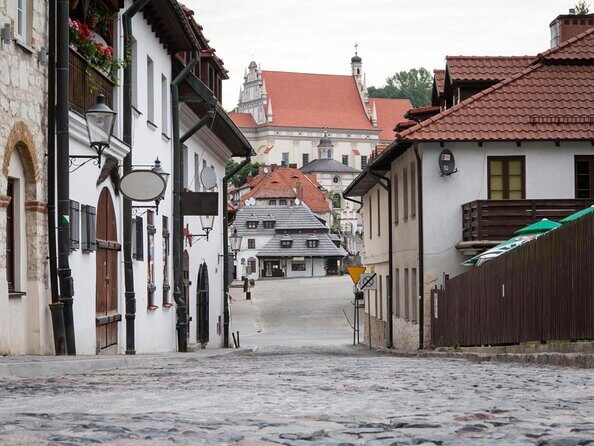
Your walk begins at Hotel Kazimierz, Imiodowa 16, and then you spend time in the area where a sizable Jewish population moved at the end of the 15th century. The tour frames Kazimierz as a major cultural center for Polish Jewry for centuries, which matters because it shifts the story from “only suffering happened here” to “a full community lived here.”
You’ll also get time at the edges of the ghetto narrative—physical geography first, then meaning. That approach helps you understand why certain streets and squares became so significant.
One early “pause point” is a themed stop in the Schindler’s List orbit: the Fabryka Emalia Oskara Schindlera exhibition, set in the former administrative building of Schindler’s enamel factory. Entry is possible by request, and that’s worth knowing: if you want to guarantee access, plan for a little flexibility and check details ahead of time.
Schindler’s List locations: history you recognize even if you didn’t plan to watch films
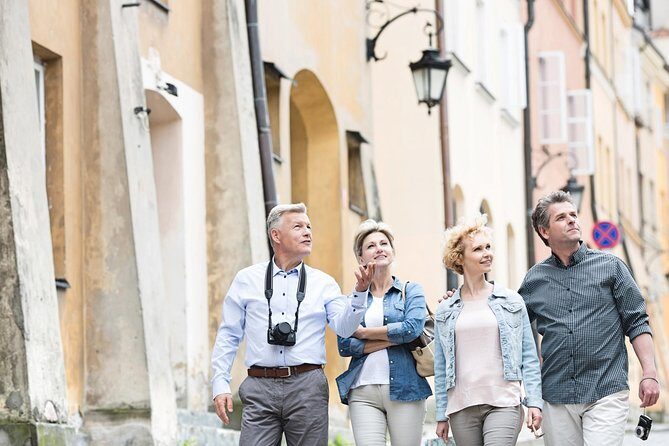
If you know Schindler’s List, this tour has a built-in shortcut to places your brain already connects to powerful scenes. The tour includes locations featured in the movie, and it doesn’t treat that as a gimmick. Instead, it uses film recognition to help you pay attention to what’s actually on the ground.
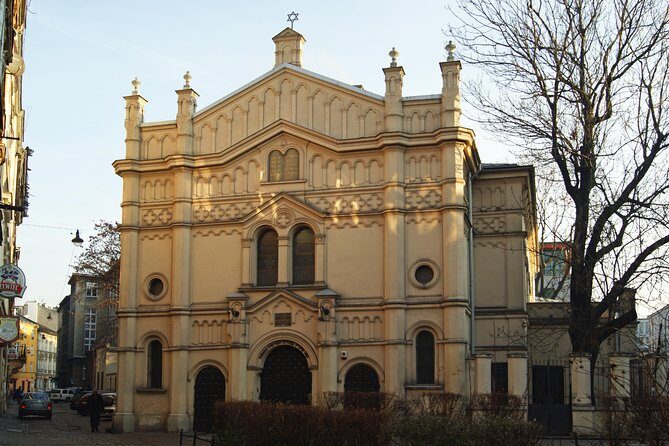
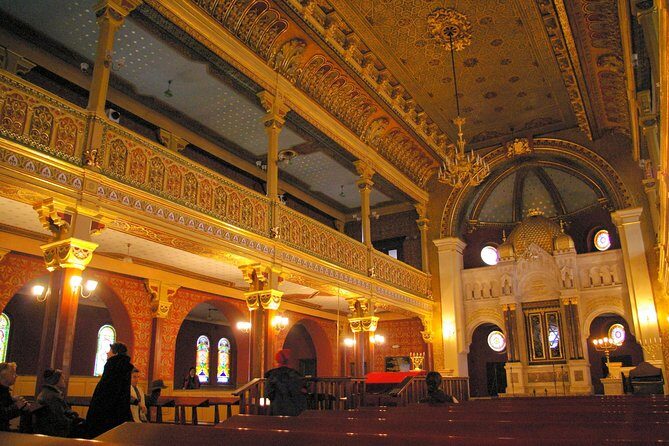
A key example is at the Tempel Synagogue stop. The tour notes that one of the most disturbing and moving scenes from the film is connected here. That kind of reference can guide you emotionally—but it also risks distracting you if you treat it like a reenactment. I’d suggest using it as a doorway: watch for the details the guide points out in the building and the context around the event.
The point is not to relive a movie. The point is to see why the spaces mattered, and how the story moved through real institutions and real neighborhoods.
Plac Bohaterow Getta and the empty-chair memorial effect
At Plac Bohaterow Getta, you get one of the most striking memorial concepts on the route: the power of the empty chairs, plus a memorial to the heroes of the Krakow Ghetto. The stop is short, but it’s designed to hit fast.
This is a good moment to slow your pace even if the tour schedule keeps moving. Don’t be afraid to stand and look. The memorial concept is meant to do something simple: make absence visible. If you’re thinking about your own grandparents or family stories, this is where your brain tends to do that naturally.
After that, the tour shifts back into “what was daily life like?” with the ghetto walls and other traces that show how the community existed before it was destroyed.
Synagogues in Kazimierz: why these buildings matter beyond the walls
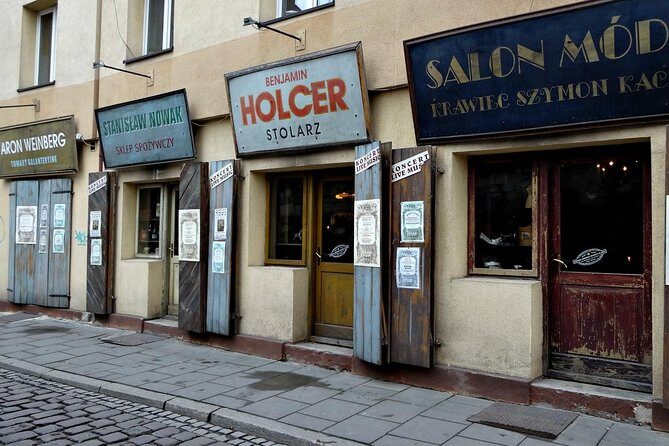
Krakow’s synagogue story is not just about architecture. It’s about how space carried Jewish identity through prayer, scholarship, and community life—even after persecution.
Stara Synagoga / Old Synagogue: one of the surviving Gothic synagogues
One of the surviving Gothic synagogues in the world (with the other in Prague) is included on the route as the Jewish Museum inside the restored building. This stop is listed with ticket inclusion on the option that reaches it.
What I like about doing this early enough is that you get architectural context before you step into synagogues that look different in style. Even if you’re not an architecture nerd, the guide can help you “read” the building as a statement—stone, shape, and detail used for a purpose bigger than aesthetics.
Remuh Synagogue: small, Renaissance, and still active
On the 4-hour tour, you reach Remuh Synagogue (Synagoga Remuh), a small Renaissance synagogue dating around 1557. It’s named for Rabbi Moses Isserles (often associated with the name Rabbi Remu’h) and it still holds regular services for the small Jewish community in Krakow.
This is a must if you want the feeling that history didn’t end. Yes, the ghetto story is central. But Remuh gives you the other half of the equation: continuity.
Tempel Synagogue: stained glass and a scene tied to the film
Also on the longer options, the Tempel Synagogue is described as small but stunning inside, with stained glass windows and ornate gold etching. You also get the film connection here, tied to one of the disturbing scenes from Schindler’s List.
This is where the tour balances beauty and horror in the same physical space. I find it useful to let the guide bring you back to the idea that synagogue spaces were not only “locations in tragedy.” They were built for worship and community.
Other synagogue options you might see depending on the schedule
The tour information notes other synagogue possibilities such as:
- Izaak Synagogue, described as Judaic-Baroque and considered one of the most magnificent Kazimierz synagogues, with entry possible by request.
- High Synagogue, mentioned with reference to Nazi-era damage and later renovation, now used as a workshop for conservation.
These stops appear as potential add-ons, so don’t count on them if you’re arriving expecting every single listed site. The guide will align what’s open and available.
Museums, ghetto walls, and memorial squares: how the story becomes concrete
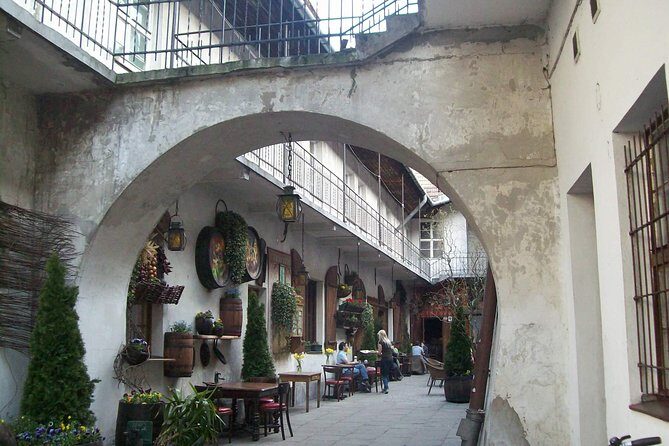
A key strength is the mix of “walk-and-look” stops plus museum-style stops. The tour includes ghetto walls, squares, and memorials, giving your brain both emotional markers and physical evidence.
You’ll also see a stop connected to the past “over the Vistula River” between Kazimierz and Podgórze Quarter: a bridge with many padlocks attached by people from around the world. It’s not the Holocaust story itself—but it’s a reminder that people today attach meaning to places. Your guide can help you hold both realities in your head without letting one erase the other.
The tour also notes a stop at the Galicia Jewish Museum, with entry possible by request. This museum is meant to commemorate Holocaust victims while also celebrating Jewish culture in Polish Galicia, using Jewish history from a new perspective. If you’re the kind of person who wants both remembrance and cultural depth, this stop tends to land well.
Finally, there’s time for the ghetto walls. The tour frames them through the poignant picture of Jewish life years ago, which helps you see the walls as more than stone—more like a timeline carved into place.
Cemetery time and the quiet weight of continuity
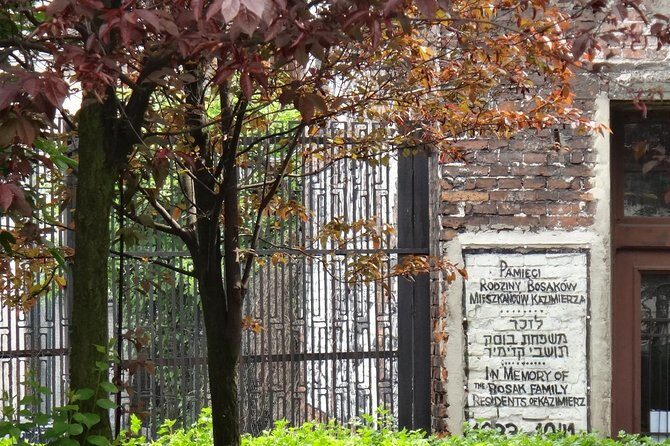
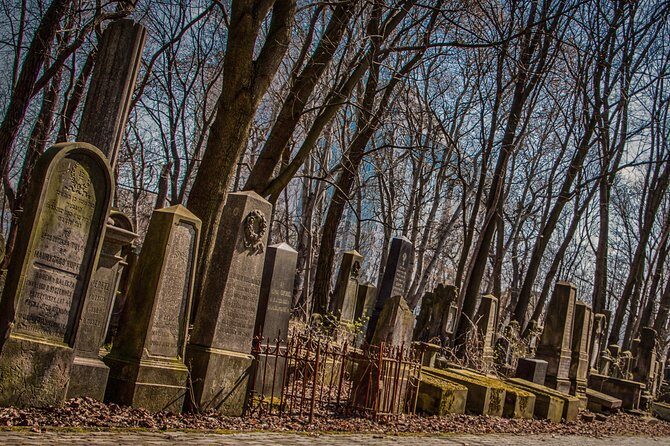
On the 4-hour option, you visit the New Jewish Cemetery with included tickets. The tour describes it as peaceful, with the presence of lives lived, and a sense of the flow of Jewish history.
This is where I’d slow down the most. Cemetery visits aren’t about ticking off another stop. They’re about letting the whole route “settle” into your body. If you’re feeling emotional fatigue, this is the time to take it gently and sit when you can.
The cemetery also helps unify the tour’s main message: Jewish history here is not just a chapter of tragedy. It’s a long, ongoing record of people, families, work, faith, and remembrance.
The guide effect: why a private tour helps with heavy material
The difference between a good and great history tour is how it’s delivered. This tour’s guide format is built for that: you have a licensed guide fluent in your chosen language, and the experience is private, so you aren’t stuck with whatever pace a group dictates.
One review mentioned Helena directly and praised her as knowledgeable and personable, and that matches what I’d look for on this topic. You need someone who can handle grief carefully, explain context clearly, and still make you feel like you’re walking through real places, not just hearing a lecture.
The guide also helps with the practical reality of openings. Jewish heritage sites and synagogues close on Saturdays, Jewish holidays, and during prayer time. Even outside those, hours vary by synagogue.
If you want the calmest experience, check your travel dates and pick a time when key synagogues are open.
Planning tips that make the route easier on you
A few practical points can help the tour feel smooth instead of rushed:
- Decide in advance what you want most:
If you want Remuh and the Old Jewish Cemetery, choose the 4-hour option. If you mainly want Kazimierz plus one synagogue, the 3-hour option may fit better.
- Expect some stops by request:
The Fabryka Emalia Oskara Schindlera exhibition and the Galicia Jewish Museum, plus Izaak Synagogue, are described as possible entry by request. That means your guide may confirm access closer to the visit based on circumstances.
- Be date-smart for closures:
Synagogues and Jewish heritage sites are closed on Saturdays, Jewish holidays, and during prayer time. Plan your schedule to avoid accidentally booking the day the site isn’t accessible.
- Wear walking shoes:
It’s a walking tour through neighborhoods and memorial areas, with multiple short stops and a couple of longer ones.
- Plan for a mix of light and heavy:
You’ll move from memorial emotion to synagogue art and then to everyday Kazimierz energy. That shift is part of the point.
Also, the tour mentions a mobile ticket and confirmation at booking, with an email sent the day before with important information. Do yourself a favor and read that email—these details matter when opening hours and entry access can vary.
Should you book this Krakow Jewish Ghetto and Synagogues tour?
Book it if you want a private, place-based way to understand Krakow’s Jewish history, not just a list of dates. It’s especially worth it if synagogues and memorial spaces are your thing, and if you can handle emotionally serious topics.
I’d lean toward the 4-hour option if you want the full arc: Remuh Synagogue plus the Old Jewish Cemetery, with the route linking Kazimierz and the ghetto story through walls, memorial squares, and synagogue interiors. If you’re short on time, the 2-hour tour can still work, but you’ll be skipping the Remuh/cemetery portion—so choose based on what you care about most.
Skip or reconsider if your schedule lands on a Saturday or a Jewish holiday, because closures can limit access to the very places you came to see.
Bottom line: this is one of those tours where the streets do the talking, and your guide turns the scene into a story you can actually remember.
FAQ
How long is the Krakow Kazimierz and Jewish Ghetto tour?
The tour runs about 2 to 4 hours, depending on the option you choose.
What is included in the tour price?
The tour includes a private tour with a licensed guide, plus synagogue and museum tickets depending on the time option. Tempel or Old Synagogue tickets are included only on the 3- and 4-hour options, while Remuh Synagogue and the Old Jewish Cemetery tickets are included on the 4-hour option.
Where does the tour start and end?
The tour starts at Hotel Kazimierz (Imiodowa 16, 31-055 Kraków, Poland) and ends back at the same meeting point.
Is this tour private or a group tour?
It’s a private tour/activity. Only your group participates.
Are synagogues and heritage sites open every day?
No. Jewish heritage sites and synagogues are closed on Saturdays, Jewish holidays, and during prayer time.
Is free cancellation available?
Yes. You can cancel for a full refund up to 24 hours in advance of the experience start time. If you cancel within 24 hours, the amount paid is not refunded.