REVIEW · KRAKOW
Krakow: Schindler’s Factory & Ghetto & Plaszow Camp Guided Tour
Book on Viator →Operated by Hello Cracow · Bookable on Viator
A WWII map with real places.
This tour works because it connects Schindler’s Enamel Factory to the ghetto and then out to Plaszow, so you see how occupation shaped daily life, imprisonment, and forced labor. I especially like the way the guide frames Plaszow Concentration Camp as part of Krakow’s own story (not just a generic Holocaust stop), and I like the small, focused pacing built around a couple of high-impact sights. One drawback to consider: you are on your feet for a chunk of the day, and the Plaszow area can feel hilly and muddy.
You also get help you usually won’t manage alone: a local guide, clear English narration, and the chance to skip the long ticket line for the factory museum. In the reviews, guides like Dominika and Matthew come up again and again, including one tour that still felt meaningful even in ugly weather.
At about 5 hours total, it’s a solid half-day if you want a less obvious Krakow route than the big day trips. The price (about $76.33) includes the factory admission, while some other site entries are listed as not included or free depending on where you stop.
In This Review
- Key things you should notice before you go
- Schindler’s Factory, the ghetto, and Plaszow: one connected WWII story
- Stop 1: Fabryka Emalia Oskara Schindlera (Schindler’s Enamel Factory) without the usual confusion
- Stop 2: A 12-meter Ghetto Wall Fragment and what that plaque is really doing
- Stop 3: Ghetto Heroes Square (Plac Bohaterow Getta) and the metal chair memorial
- Stop 4: Plaszow Concentration Camp grounds, quarry ground, and Krakus Mound views
- How the pacing and walking time add up (5 hours total)
- Value for the price: what you pay for at about $76.33
- The guide is the difference: Dominika, Matthew, and clear explanations
- Who should book this Krakow tour (and who might want a different format)
- Quick planning tips to make the day smoother
- Should you book the Schindler’s Factory & Ghetto & Plaszow Guided Tour?
- FAQ
- How long is the tour?
- What is included in the price?
- Is the Schindler’s Factory Museum ticket included?
- Are tickets included for the ghetto wall fragment and Heroes Square?
- Is Plaszow camp admission free?
- How big are the groups?
- Where do I meet the tour and where does it end?
- Is free cancellation available?
Key things you should notice before you go
- Schindler’s Factory museum focus on occupied Krakow, not a straight biography
- Ghetto Heroes Square with metal chairs (a haunting memorial to property left behind)
- Plaszow Concentration Camp remains plus quarry ground and a climb up to Krakus Mound viewpoints
- You dodge the long line for the Schindler’s Factory Museum
- Small groups up to 25 with guides who explain clearly in English
- Comfy-shoe reality check for walking in uneven, sometimes muddy terrain
Schindler’s Factory, the ghetto, and Plaszow: one connected WWII story
Krakow can lure you with its architecture, cafés, and postcard views. This tour keeps that beauty in the background and forces your attention onto what happened here between 1939 and 1945. The value is the sequence: you start indoors with the day-to-day reality of Nazi occupation, then you move outward into the city’s ghetto footprint, and finally you step onto the Plaszow camp ground.
That connection matters. It’s easy to treat WWII history as separate, abstract locations. Here, the tour pieces together how occupation policies played out locally, how the ghetto functioned, and how forced labor shaped places like Plaszow.
You can also read our reviews of more guided tours in Krakow
Stop 1: Fabryka Emalia Oskara Schindlera (Schindler’s Enamel Factory) without the usual confusion
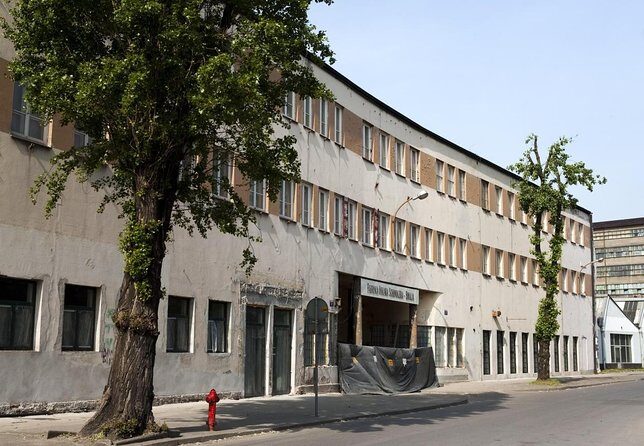
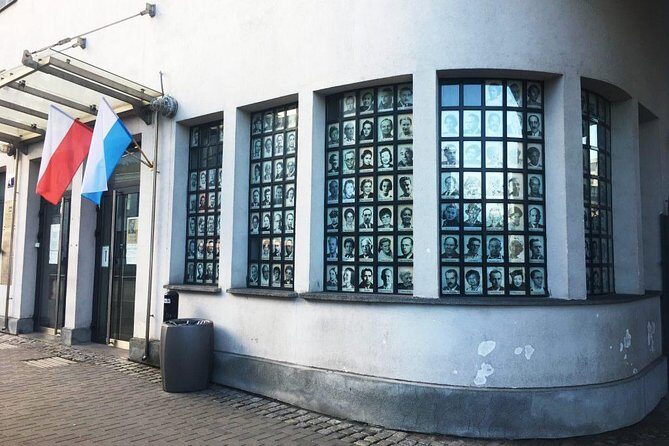
The day begins at Fabryka Emalia Oskara Schindlera on Lipowa 4. This is one of Krakow’s most popular museums for a reason. You get a guided entry and about 1 hour 30 minutes inside.
The key detail: this isn’t a purely biographical museum. The main exhibition is titled Kraków under Nazi Occupation 1939–1945, and the emphasis is on occupied life and the mechanisms of oppression, rather than a simple timeline of one person’s achievements. That makes the visit feel practical for your understanding. You’re not only learning names; you’re learning systems.
You can also take your time at your own pace here. That’s important because the rest of the tour is more outdoors-and-walking. Indoors first gives your brain a place to anchor before it has to process darker ground in the open air.
If you’re the type who wants facts organized chronologically, you’ll likely appreciate the structure. If you’re expecting a straightforward Schindler biography, you might need to adjust your expectations.
Stop 2: A 12-meter Ghetto Wall Fragment and what that plaque is really doing
Next you see a preserved 12-metre stretch of original ghetto wall. It’s short in distance, but big in meaning. After decades, the city still marks where people lived, suffered, and died under German torturers, and where deportations began.
A commemorative plaque was raised there in 1983 in Hebrew and Polish. That bilingual detail feels worth your attention because it reflects the intention to hold memory in more than one community language.
This stop lasts about 15 minutes, and that’s about right. It gives you a clear landmark without over-selling it as the only evidence left. You’re meant to use it as a reference point for what you’ll see next.
Stop 3: Ghetto Heroes Square (Plac Bohaterow Getta) and the metal chair memorial
At Ghetto Heroes Square in Podgórze, you’ll find an unusual memorial: dozens of cast-iron chairs positioned across the square. The tour highlights 70 large, well-spaced metal chairs. The idea is blunt and symbolic: property and belongings left behind when Krakow Jews were scattered and the ghetto was liquidated.
This is one of those places where the artwork does something that a classroom text can’t. You’re looking at empty chairs, yet your mind supplies the people who should have been sitting there. That’s the point.
You’ll have about 15 minutes here. Don’t rush it. If you just skim for photos, you miss the emotional logic of the piece. If you slow down, you’ll probably feel how this memorial turns a wide public space into a concentrated act of remembrance.
Stop 4: Plaszow Concentration Camp grounds, quarry ground, and Krakus Mound views
Then comes the heaviest part: Plaszow Concentration Camp in the southern suburbs of Krakow.
Plaszow started as a forced labor camp concept shortly after the German invasion of Poland. The timeline is important here. It opened in 1940 and expanded in 1941 into a concentration camp. Deportations from the Krakow ghetto began on October 28, 1942. The camp was associated with forced labor that supplied military factories and quarry work, including the Liban Quarry area referenced by the tour.
What you’ll see on the ground is not the tidy, reconstructed version some people expect. The tour is focused on remains and the shape of the place. That can feel surreal in a way that you can’t fully prepare for.
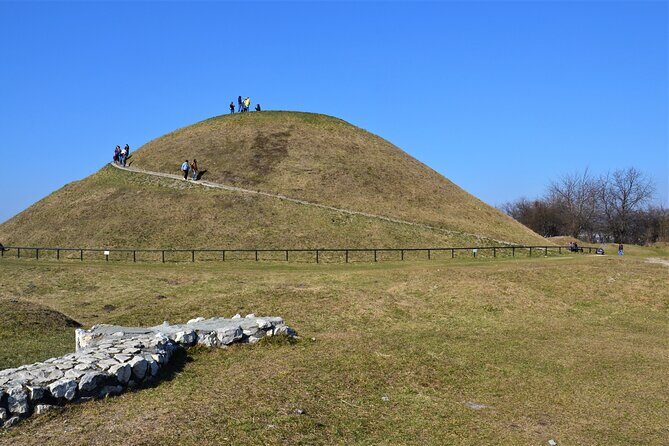
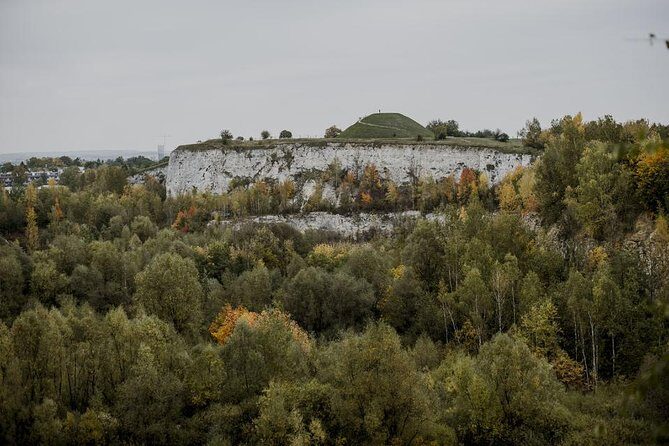
The schedule allows about 1 hour 30 minutes at Plaszow. The highlights also mention Liban Quarry and a climb up to Krakus Mound. That climb is a practical move for your experience: from higher ground you can better understand the camp’s location relative to Krakow, and you get panoramic views that help your brain place what you’re seeing.
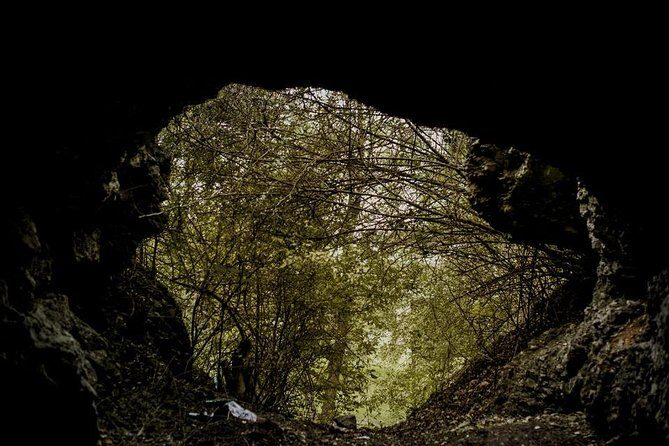
Just be ready for the physical reality. The reviews specifically call out comfy shoes because the area can be hilly and muddy in places. If you’re planning a glamorous dinner afterward, bring a backup plan for sore feet. This is not a sit-and-stare stop.
How the pacing and walking time add up (5 hours total)
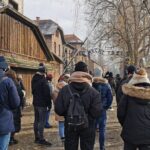
The entire experience runs about 5 hours. It’s structured so you get time indoors (the factory museum) and short, focused outdoor segments (ghetto wall, Heroes Square), followed by a longer outdoor segment at Plaszow.
Here’s how that affects you day-of:
- Expect frequent walking between stops.
- Expect uneven ground at Plaszow.
- Expect weather to matter, because you’ll be outside for multiple portions.
One review notes the guide handled inclement weather and still made the tour memorable. That’s good to know because it suggests the route is designed to function even when conditions aren’t ideal.
Value for the price: what you pay for at about $76.33
At roughly $76.33 per person, you’re paying for more than just admission. You’re paying for a professional guide and entry to Schindler’s Factory Museum, which is already one of the busiest ticketed attractions in Krakow.
The tour includes:
- A professional guide
- Entrance ticket to Schindler’s Factory Museum (included)
It also notes:
- Ghetto wall fragment: ticket not included
- Ghetto Heroes Square: ticket not included
- Plaszow Concentration Camp: admission free
- Public transportation like tram tickets: not included
So the value logic is this: the most time-consuming and line-prone museum gets covered, while the open-air sites rely less on ticket access. In plain terms, you’re paying for expert navigation through the most complicated parts, then letting the places do the emotional work.
One more value point: the tour is designed to help you avoid the long line for individual visitors at the factory. If you hate waiting, that alone can be worth it.
The guide is the difference: Dominika, Matthew, and clear explanations
This tour lives and dies on explanation quality. The reviews are very consistent here. Guides named Dominika (and a couple variations of that name) and Matthew show up with strong feedback: friendly, knowledgeable, clear English, and able to explain how the ghetto and Plaszow operated.
That’s not just a comfort thing. Clear narration changes your understanding. Plaszow especially can feel confusing if you’re left to interpret everything on your own. A good guide helps you keep the roles of forced labor, deportations, and occupation policies straight.
That said, there is one negative note in the feedback: one guide narration was described as generalized and lacking attention to the ghetto specifically. That doesn’t mean all guides do that, but it’s a reminder that interpretation style matters in this kind of tour.
If you have the option to choose a guide, it’s worth looking for Dominika or Matthew based on the consistent review praise.
Who should book this Krakow tour (and who might want a different format)
This guided route is a strong fit if you:
- Want an alternative to only doing the biggest name day trips
- Like history explained with context, not just facts
- Prefer a small group (max 25) with room for questions
- Want a connected story from occupied life to ghetto sites and then Plaszow
It’s also a great match for a city-break timeline because you get a lot covered in about 5 hours.
You might want to consider a different experience if:
- You dislike walking on uneven ground and don’t want to deal with hills and muddy sections
- You’re expecting a straightforward Schindler biography only, since the factory museum focus is on occupied Krakow from 1939–1945
Quick planning tips to make the day smoother
- Wear comfy shoes for Plaszow. The ground can be muddy and uneven.
- Plan for weather. You’ll be outside during multiple stops, so bring a layer that works in drizzle or cold wind.
- Keep your Schindler’s Factory expectations aligned with occupied Krakow. The museum is about what Nazi occupation did to daily life, not just one-person hero framing.
- If your schedule is tight, treat this as a main half-day. It’s not the kind of tour you stack loosely with other major plans.
Should you book the Schindler’s Factory & Ghetto & Plaszow Guided Tour?
I’d book this tour if you want a meaningful Krakow WWII route that feels locally grounded. It’s not only about famous names; it’s about place-based context: the occupied city, the ghetto footprint, and Plaszow as part of Krakow’s own wartime machinery.
The best reasons to say yes are the same ones that show up again and again in the feedback: guides who explain clearly (Dominika and Matthew are standout names), a smooth factory museum visit with the ticket included, and the off-the-main-crowd feel of seeing sites most people don’t find on their own.
If you’re sensitive to heavy history or you hate uneven outdoor walking, you’ll still be able to do it with good footwear and a calm mindset, but you should go in knowing it’s not light.
FAQ
How long is the tour?
The tour runs about 5 hours.
What is included in the price?
The price includes a professional guide and the entrance ticket to Schindler’s Factory Museum.
Is the Schindler’s Factory Museum ticket included?
Yes, entry to Schindler’s Factory Museum is included.
Are tickets included for the ghetto wall fragment and Heroes Square?
No. The ghetto wall fragment notes ticket not included, and Heroes Square also notes ticket not included.
Is Plaszow camp admission free?
Yes. Plaszow Concentration Camp is listed as free admission for this tour.
How big are the groups?
The tour has a maximum of 25 travelers.
Where do I meet the tour and where does it end?
It starts at Lipowa 4, 32-051 Kraków, Poland and ends at Henryka Kamieńskiego 57, 30-644 Kraków.
Is free cancellation available?
Yes. You can cancel for a full refund up to 24 hours in advance of the experience start time.