REVIEW · KRAKOW
Krakow: Schindler’s Factory Guided Tour
Book on GetYourGuide →Operated by Thousand Miles Cracow Adventure Company · Bookable on GetYourGuide
Schindler’s Factory turns history into a route. In 90 minutes you walk through multimedia rooms that rebuild Nazi-occupied Krakow step by step, with an English-speaking guide who helps it all click. For me, the best part is how the exhibits aren’t just labeled. They’re staged so you can follow a timeline of daily life under occupation.
I also like that the tour doesn’t stop at generalities. You get a guided sweep through tense scenes like the swastika-patterned officer’s room, a prison cell, and Krakow’s transport links, then it ties it to the real person behind the name. The one drawback to consider: with a tight schedule and a museum that’s easy to get lost in, you may not see every single room in as much detail as you’d like, especially if the group feels on the larger side.
In This Review
- Key things that make this tour worth your time
- Why Schindler’s Factory feels different from a typical museum stop
- Getting there on Lipowa 4 and entering without fuss
- The 90-minute itinerary: a guided walk through staged WW2 Krakow
- Where Oskar Schindler enters the story in a practical way
- The guide’s role: what you gain with a live English-speaking interpretation
- How much you really get in 90 minutes
- Price and value: does $50 buy you what you want?
- Best for history-minded travelers, and not for everyone
- Should you book this Schindler’s Factory guided tour?
- FAQ
- How long is the Schindler’s Factory guided tour in Krakow?
- What does the tour cost?
- Where do I meet the guide?
- Is there an English-speaking guide?
- What is included in the price?
- Do I need ID for entry?
- Is there free cancellation?
Key things that make this tour worth your time
- A fast, guided timeline through Nazi-occupied Krakow, not a self-paced wandering session
- Staged stops like the photo salon, prison cell, and officer’s room that make the atmosphere hit harder
- Clear focus on Oskar Schindler, including the former factory director’s office and secretariat
- Daily-life context, so you’re learning how people lived, worked, and survived, not only what happened
- Skip-the-line entry so you spend your energy inside the museum
- Multiple language options, including English, plus Italian, Spanish, French, and German
Why Schindler’s Factory feels different from a typical museum stop
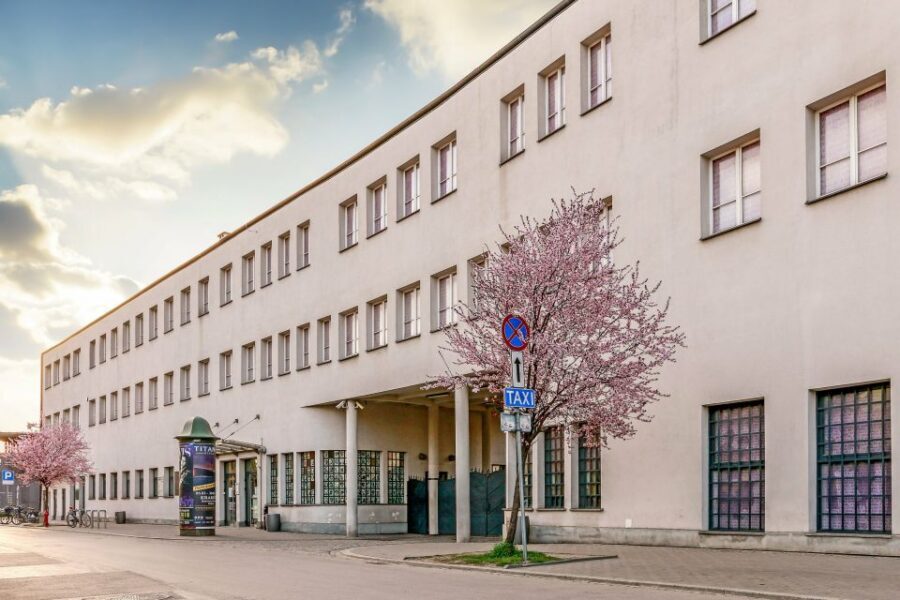
Schindler’s Factory Museum is one of Krakow’s most popular history addresses, and it earns that reputation. It’s relatively young as an institution, but the experience is built like a story you can follow. The exhibits rely on multimedia and artifacts, and each room is arranged differently so the tone changes as the years and circumstances shift.
What you gain from a guided visit is speed with meaning. A museum like this can swallow an hour fast when you’re trying to read everything yourself. With a live guide, you get the key connections: how Krakow’s residents were affected, how occupation shaped daily routine, and why the Schindler story matters beyond the headline.
You’ll also notice this tour is designed for momentum. It moves you through multiple themed environments rather than letting you linger only where you personally feel most comfortable. That can be a good thing if you want a coherent overview, and not as good if you prefer slow reflection.
You can also read our reviews of more guided tours in Krakow
Getting there on Lipowa 4 and entering without fuss
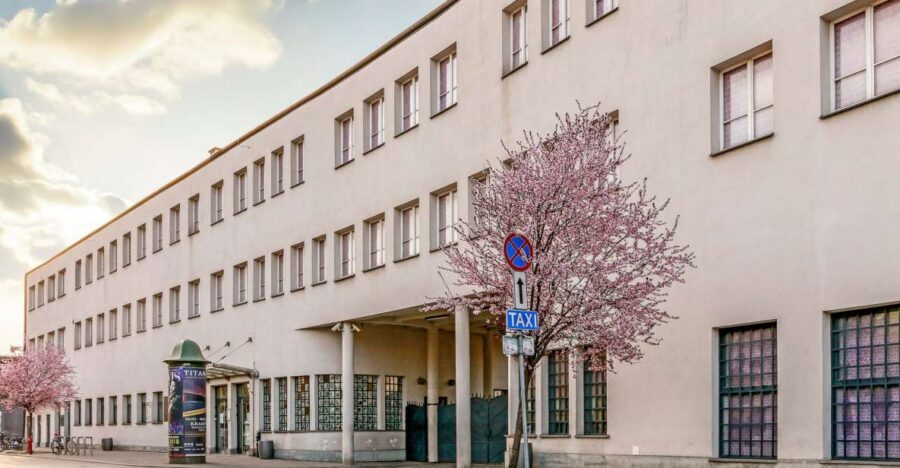
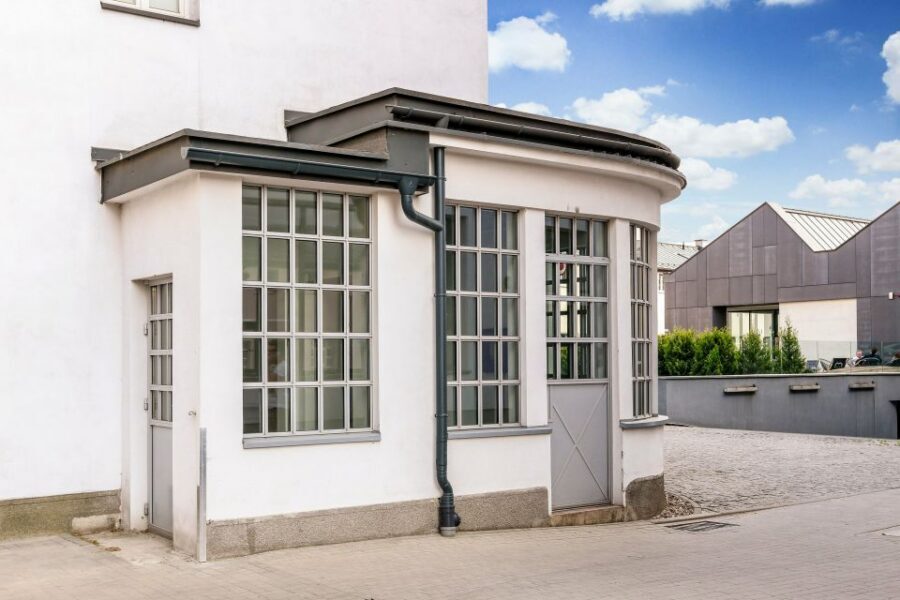
You meet at Lipowa 4 (30-702 Krakow) near the main entrance to the Factory. Your guide holds a sign reading excursion.city, so it’s usually straightforward to spot them before you step inside.
You’ll also appreciate the practical detail that the tour includes skip-the-ticket-line entry. In a busy, high-demand museum, that can save you more time than you’d think. The experience is scheduled for about 90 minutes, so protecting the start time helps you get the full run of stops.
One planning note for 2026 onward: museum entry uses personalized tickets. That means you’ll need to provide full names of all participants when reserving and bring a passport or ID for entry. If you’re traveling as a group, make sure the names you enter match your documents exactly.
The 90-minute itinerary: a guided walk through staged WW2 Krakow
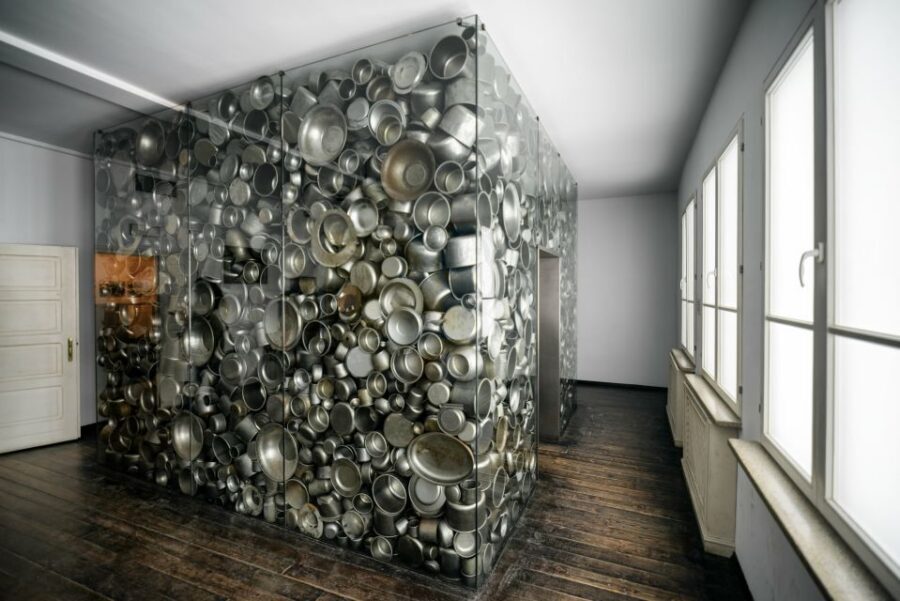
This tour is structured like a timeline you walk through. You begin in one atmosphere and gradually move backward in time, room by room, as the narrative tightens. The route includes both everyday-life details and brutally direct symbols of persecution.
Here’s what to expect in the order you’ll likely encounter it:
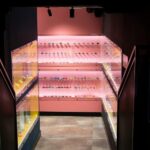
1) Photo salon and early WWII context
You start with a room that frames the era through visual culture. Even before the darker sets, the museum uses photography and presentation style to anchor you. It’s a good opening because it helps you remember that people’s lives were made of routines and choices long before the worst parts escalated.
2) Streets of Krakow
Next comes the sense of place. This is where the museum tries to get you out of abstract history and into geography. You’ll see Krakow represented as a real home city under pressure, not just a backdrop.
Tip for you: look for how the exhibit “explains” movement through space. It’s not only about what’s shown, but how the room makes you feel like you’re walking through the city.
3) The officer’s room with swastika patterns
This stop is intentionally uncomfortable. You’ll encounter an officer’s room decorated with swastika-patterned design, which signals power and intimidation in a single glance. It’s one of the museum’s most direct “visual arguments,” and it works best when you let it do its job without rushing past.
4) Prison cell
From there, the mood shifts again, moving into the logic of detention. A prison cell isn’t just an object in a display case here. The staging and surrounding details push you toward understanding what imprisonment meant day after day.
5) Old tram and railway, then the railway station
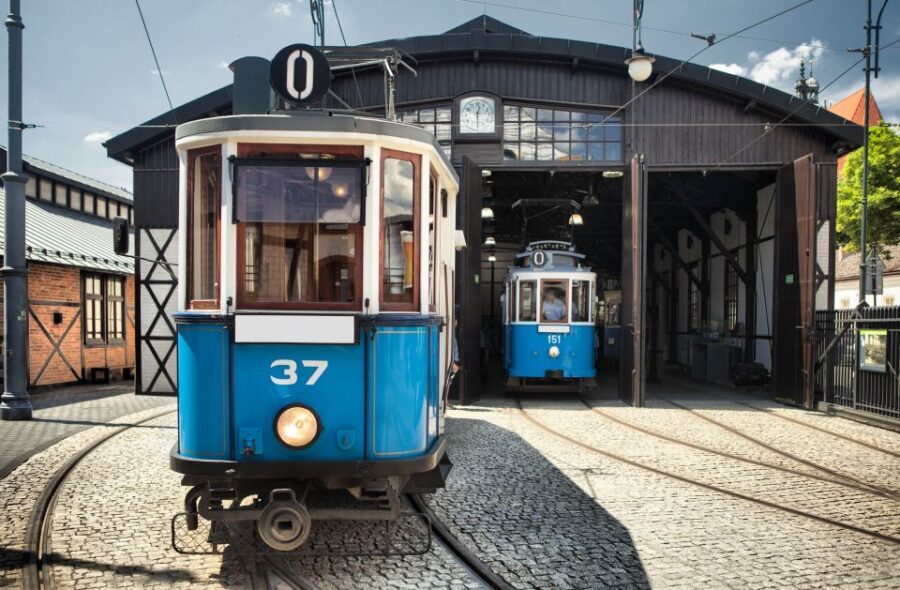
Transport rooms matter in this story, because occupation isn’t only politics. It’s systems: movement, control, and logistics. You’ll see sections that resemble an old tram and railway, followed by a railway station environment, which helps explain how people could be forced, redirected, and processed.
If you like history that connects to real-world mechanics, you’ll probably enjoy these sections. They show the infrastructure behind the cruelty.
6) Krakow Jewish Ghetto grounds
Then the museum moves you into the grounds representing the Krakow Jewish Ghetto. This part is about confinement and community under extreme threat. The guide’s interpretation is especially important here, because the room design can otherwise feel like a set unless someone ties it to the lived reality of families.
You should take a moment in this area to slow down mentally. Even if the tour keeps moving, you can still absorb what you see.
7) A room resembling the Płaszów concentration camp area
The tour continues into an exhibit space that resembles the Płaszów concentration camp grounds. This is heavy territory, and the museum’s staged environment helps make the scale and atmosphere legible. The guide usually helps you understand what you’re looking at and why it’s presented this way.
After this, the pacing usually tightens even more. By design, you’ve seen multiple “chapters,” so you may feel a little rushed at the end if you’re the type who wants to stand and read every label.
Where Oskar Schindler enters the story in a practical way
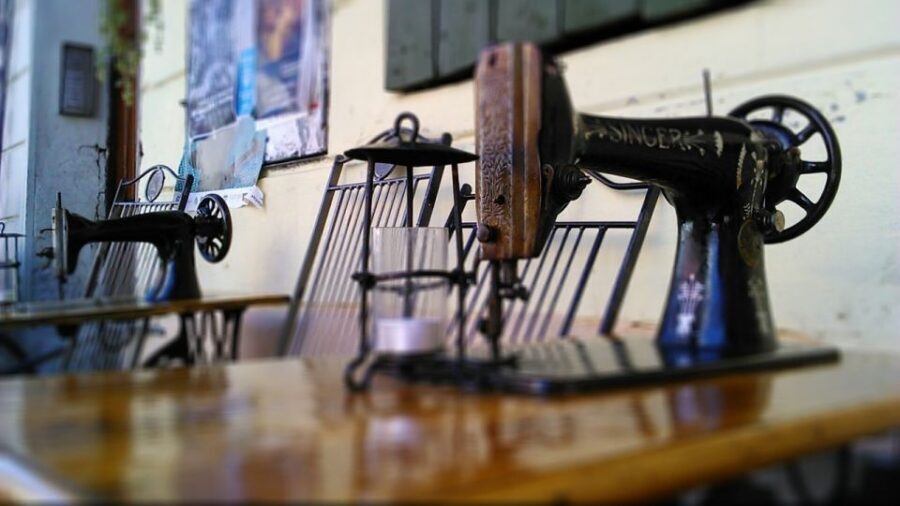
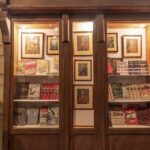
If you booked this tour because of Oskar Schindler, you’re in the right place. The museum offers space connected to his story, including the former factory director’s office and the secretariat. When the guide talks about him, it’s usually framed as more than a name in a history book.
What I like about including these rooms is that it gives you a real-world anchor. It turns the Schindler narrative into something you can picture: workspaces, paperwork, decisions, and the human effort involved. It also helps you connect the factory story to the surrounding persecution you’ve just walked through.
One more thing: the tour’s structure makes Schindler’s role feel earned rather than dropped in at random. You understand the threats facing Krakow’s Jewish population first, then you see where and how someone tried to intervene.
The guide’s role: what you gain with a live English-speaking interpretation
A guided tour in a museum like this is less about facts you could Google and more about making the material readable in real time. The guide ties together symbols, rooms, and historical context so you don’t end up with disconnected impressions.
Your guide will speak in the language you book. Live guide languages include English, plus Italian, Spanish, French, and German. That matters because wording and nuance matter when you’re dealing with WWII topics. You should choose your comfort language if you want to ask yourself fewer “what does this mean?” questions while you’re moving.
Also, pay attention to group dynamics. Some people want a quieter, slower pace, but this is a guided route through many rooms. If your group is larger, it can be harder to keep up, especially in smaller exhibit spaces where you need to see and listen at the same time. If you’re sensitive to that, consider booking the earliest or less busy slot when possible.
How much you really get in 90 minutes
Let’s talk timing honestly. 90 minutes sounds like plenty, until you’re standing in a museum full of dense, emotional content and you’re also listening to someone explain it.
The benefit of the schedule is that you leave with a coherent overview. You’ll cover multiple major environments and get the Schindler-specific rooms too. The downside is that the museum is large enough, and the story is detailed enough, that a fast pace can feel like skipping if you’re hoping for deep reading in every corner.
For you, the best strategy is to decide what matters most before you arrive. If your priority is the big storyline and key settings, this tour format fits well. If your priority is slow studying of every exhibit detail, you might want to do this tour first for orientation, then return later on your own for extra time where you felt pulled in.
Price and value: does $50 buy you what you want?
At $50 per person for a 90-minute guided experience, you’re paying for two things: guided interpretation and a ticket included in the price. You’re not just buying access to the museum walls; you’re buying someone who can connect the rooms into one narrative.
So when is it good value?
- If you want the museum’s scenes explained in context, rather than piecing it together yourself
- If you want to see the key sections efficiently
- If you prefer a guided route because the topic is emotionally and historically dense
When might it be less of a fit?
- If you’re the kind of visitor who wants to spend long hours reading and re-reading every panel
- If you’re extremely sensitive to pacing and you know you struggle to follow in crowded indoor spaces
In my view, the price makes sense because it includes entry and a live guide, and it helps you avoid losing time at the entrance. For a museum this popular, “time saved” often equals “experience gained.”
Best for history-minded travelers, and not for everyone
This tour suits you if you want a structured look at Nazi-occupied Krakow and a clear explanation of Schindler’s Factory beyond the headline. It’s also a good fit if you’re traveling with someone who appreciates guidance, because the tour’s design makes the story easier to follow than self-guided wandering.
You might hesitate if:
- You strongly prefer long, silent museum time
- You’re looking for a slow, detailed education on the factory’s entire background (you’ll likely leave feeling like you want more specifics)
- You know you get overwhelmed in fast-paced group settings
Also, because the content is heavy, plan your day around it. Don’t stack it back-to-back with other intense sites unless you’re ready for emotional travel fatigue.
Should you book this Schindler’s Factory guided tour?
I’d book it if you want a high-impact, structured overview in about 90 minutes, with a guide who helps you connect rooms, symbols, and the Schindler story. For most visitors, the guide-led pacing is exactly what turns a well-known museum into something you can actually remember.
I’d think twice only if you’re specifically after a long, slow deep dive of every exhibit detail. In that case, use this tour as your first pass for orientation, then plan your own return time later.
FAQ
How long is the Schindler’s Factory guided tour in Krakow?
It lasts about 90 minutes.
What does the tour cost?
The price is $50 per person.
Where do I meet the guide?
Meet at Lipowa 4, 30-702 Krakow, near the main entrance to the Factory. The guide will be holding an excursion.city sign.
Is there an English-speaking guide?
Yes. Live guides are available in English, along with Italian, Spanish, French, and German.
What is included in the price?
The tour includes an entrance ticket and a live guide, plus skip-the-ticket-line entry.
Do I need ID for entry?
From January 1, 2026, you must provide full names of all participants when reserving and bring a passport or ID for entry to Schindler’s Factory Museum.
Is there free cancellation?
Yes. You can cancel up to 24 hours in advance for a full refund.