REVIEW · KRAKOW
Krakow: Schindler’s Factory Guided Tour
Book on GetYourGuide →Operated by Poland Tours · Bookable on GetYourGuide
Hard history, told with care.
This 2-hour guided tour brings you into the original Oskar Schindler’s Enamel Factory in Krakow, where everyday life under Nazi occupation is explained through real locations and human stakes. I especially like two things: the professional guide format that keeps the story clear, and the skip-the-line entry that gets you into the museum without wasting time.
One possible drawback: the fixed schedule can feel tight in the museum rooms, especially if you want to slow down and read every exhibit panel. The good news is the tour is designed to hit the places you’ll care about most, including the administrative areas tied to Schindler’s work.
In This Review
- Key things to know before you go
- Entering Schindler’s Enamel Factory: what this tour is really about
- A quick history you’ll want before the museum starts
- Inside the museum: the stops that matter most
- The administration areas and the factory’s wartime role
- Schindler’s office and his desk
- Stories of Krakow citizens under occupation
- The pace: headsets, groups, and why 2 hours can feel fast
- Who should book this guided tour in Krakow
- Price and value: what $42 buys you (and what it doesn’t)
- Practical rules that can trip you up (so plan ahead)
- Should you book the Schindler’s Factory guided tour?
- FAQ
- Where does the tour meet?
- How long is the Schindler’s Factory guided tour?
- How much does it cost?
- What’s included in the ticket?
- Which languages are available?
- What do I need to bring for entry?
- Is the tour suitable for children?
- Are photos and video allowed inside?
Key things to know before you go
- You’ll visit the original enamel factory setting, including administration areas tied to Schindler’s operation.
- Expect daily-life context, not just dates—how Nazi rule shaped Krakow from 1939 to 1945.
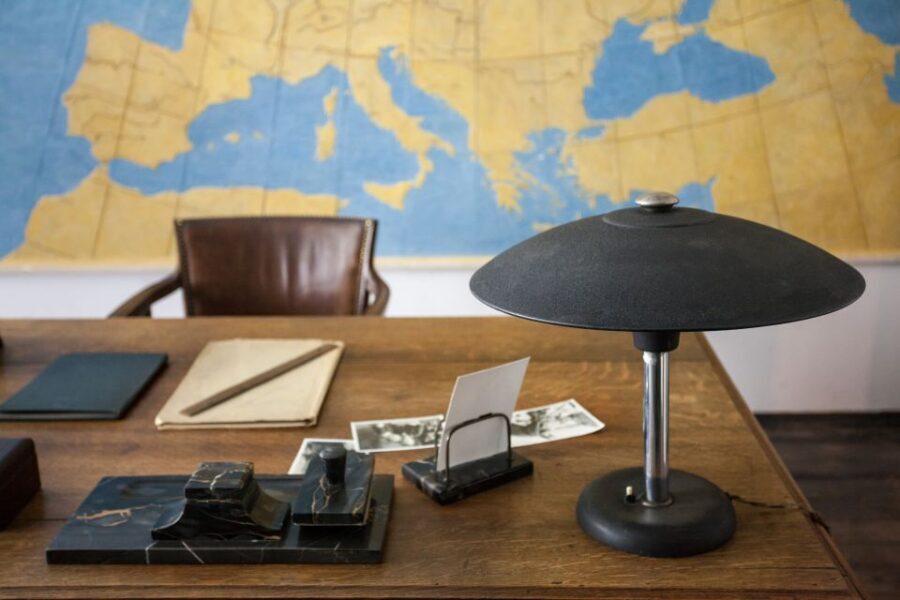
- You can see Schindler’s desk in his office, still preserved in place.
- Headsets are provided, so you can hear the guide even in busier rooms.
- The tour is live in English or Spanish, with a professional guide leading the discussion.
- It’s set up for wheelchair access, so mobility shouldn’t be a deal-breaker.
Entering Schindler’s Enamel Factory: what this tour is really about
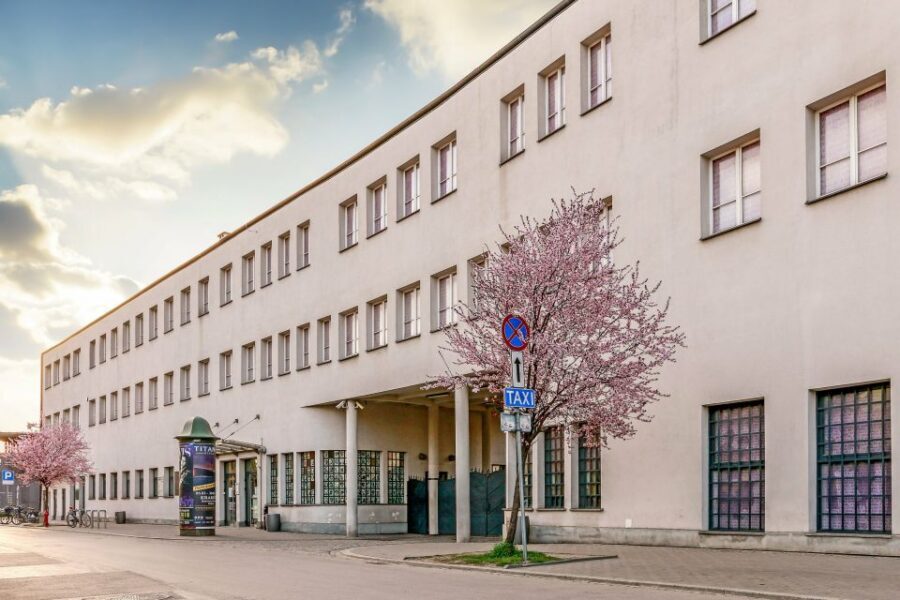
This is one of Krakow’s most visited museums for a reason. In a place that was an actual worksite, you get the uncomfortable reality of Nazi occupation translated into something you can understand step-by-step: how control was enforced, how ghettos were managed, and how labor became a mechanism of survival and exploitation.
The emotional center is Oskar Schindler and his efforts. You’ll learn how the factory—set up in 1937—became part of the machinery of wartime life once German troops took control in Krakow. The story isn’t presented as a single heroic moment. Instead, it’s framed as a collision between large history and daily routines: paperwork, work assignments, fear, and difficult choices.
From the way the tour is described, you should expect a guided flow that balances context with specific rooms and artifacts. One of the tour’s big strengths is that it doesn’t rely only on text panels. It points you toward key spaces—especially the office—so the narrative feels anchored to real geography.
You can also read our reviews of more guided tours in Krakow
A quick history you’ll want before the museum starts
If the names and dates make your brain freeze, don’t worry—you won’t be left hanging. Still, a little grounding helps. Nazi Germany invaded Poland on September 1, 1939, and Krakow soon found itself under German control. Schindler, described as a Sudeten German, arrived in Krakow around September 6, when German troops entered the city.
Very quickly, he was connected to the factory’s wartime role. By then, the enamel factory area was employing over a thousand Jewish people from the Krakow ghetto. The story you’ll hear links those work conditions to the broader Nazi system at the time, and it explains why Schindler’s actions mattered on the human level.
A core figure in the tour narrative is the number of people Schindler helped save—more than 1,200 Jews in Krakow—through his efforts connected to the factory. This gives the tour a clear through-line: occupation policies set the pressure, and Schindler’s involvement created a narrow path that helped people endure longer.
Inside the museum: the stops that matter most
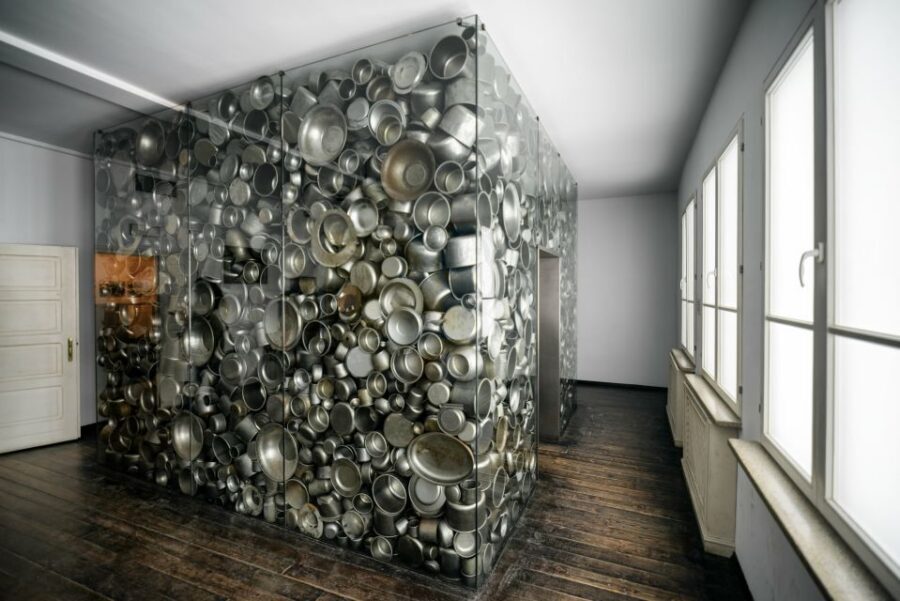
This tour focuses on the museum spaces inside Oskar Schindler’s Enamel Factory. In practical terms, it’s not just a general wander. You’ll move through the site with an organized explanation, and the tour highlights the areas most tied to the story.
The administration areas and the factory’s wartime role
You’ll visit the building spaces linked to administration of Schindler’s enamel factory. That matters because administration is where the war became paperwork—lists, assignments, and systems that could mean life or death. It’s also where you can connect the dots between Nazi control and how ordinary people were processed through the occupation’s machinery.
The museum experience you’re aiming for here is understanding “how it worked” on the ground. Even if you already know WWII history broadly, this kind of place-based tour helps you see how occupation didn’t just happen in headlines. It happened inside workdays and control structures.
Schindler’s office and his desk
One of the tour’s stated highlights is Schindler’s authentic desk still in his office. For many people, that single detail changes the tone from distant history to something immediate. A desk is a simple object, but placed in context it becomes a symbol of where decisions were made—where normal work routines collided with extraordinary moral pressure.
If you’re the kind of visitor who likes a specific “anchor moment,” this is it. You’ll likely remember where you were when the guide explains it, because the objects make the narrative harder to dismiss.
Stories of Krakow citizens under occupation
Beyond the factory rooms, you’ll hear how daily life in Krakow was reshaped during the years 1939 to 1945. This part is valuable because it treats WWII as lived experience, not only as military campaigns. The guide’s goal is to show how personal dramas overlap with the wider Nazi regime—how fear, forced labor, and survival strategies operated in tandem with the official system of oppression.
That’s where the tour’s emotional weight lands. Expect a somber approach, and plan to take breaks mentally if you need them.
The pace: headsets, groups, and why 2 hours can feel fast
This tour lasts 2 hours, and the museum is dense. So yes, the pace is purposeful. You’ll get headsets so you can hear your guide clearly even when the rooms get busy. That setup is a huge practical win: it lets you focus on the guide’s explanation without leaning or straining, and it makes it easier to follow along when you’re in a crowd.
In terms of group experience, you should assume the museum can feel busy because it’s one of the most popular sites in Krakow. Some guided tours run smoothly through the timing; others can feel crowded in smaller areas. If you like reading every wall text and taking your time with artifacts, you might feel the schedule squeezing you.
One more timing consideration: once your scheduled tour window ends, you should plan as if you won’t have the option to extend your visit beyond the allotted time with your guide. If there’s a particular topic you feel you really need to read on your own—like a family-related interest you already know about—bring that energy into the tour time itself.
Who should book this guided tour in Krakow
This tour is best for adults and older teens, and it’s noted as not suitable for children under 14. That usually makes sense for museums that focus heavily on wartime persecution and human tragedy.
You’ll likely enjoy it most if you want:
- A guided narrative that connects locations to events
- A clear explanation of how WWII affected everyday people in Krakow
- A structured way to see key spaces like the office and desk
If you’re traveling with someone who gets lost in long museum self-guided routes, a live guide helps. If you’re traveling with someone who needs calm, controlled pacing, you should still be prepared for a somber, crowded environment. The best approach is to go in knowing you’re there for clarity and context, not for leisurely wandering.
Also, if you care about language support, the tour is offered in English and Spanish, so you can choose the version that matches your comfort level.
Price and value: what $42 buys you (and what it doesn’t)
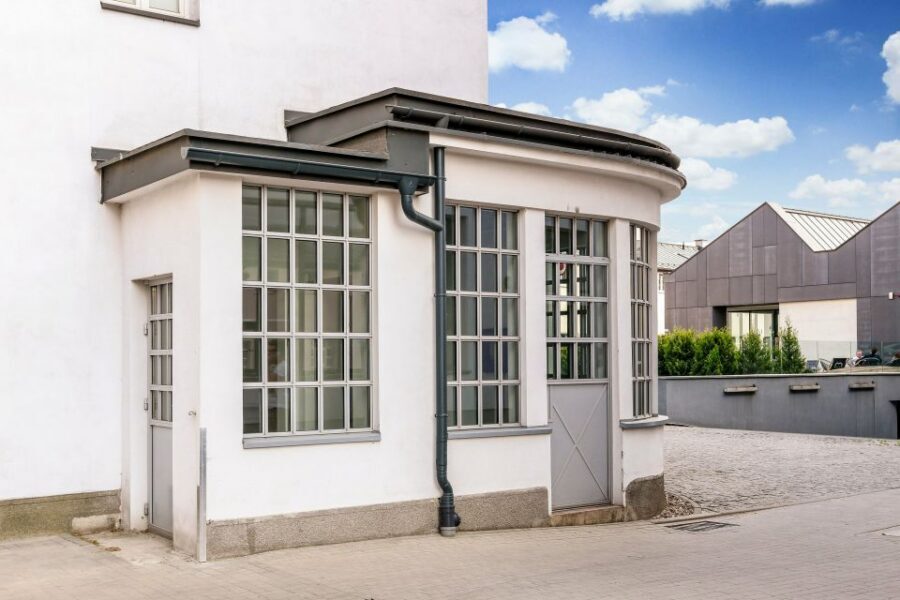
At $42 per person for a 2-hour tour, the value is strongest if you count what’s included versus what you’d do on your own. What you get here includes:
- A professional guide
- A tour in your chosen language
- Skip-the-line museum entry
Those inclusions matter in Krakow. Popular museum lines can eat up your time, and a guided structure helps you see the most important parts instead of guessing. Two hours is also a reasonable time investment for this topic—long enough for a guided story, short enough to keep the day moving.
What’s not included is straightforward: food and drinks. So plan a snack stop before or after, and don’t expect the tour to break for you. Bring a water bottle if the museum allows it (the tour rules you’re given don’t list water restrictions, but rules can be strict about bags and items).
Overall, the price looks fair if you want a guided, high-impact experience that doesn’t waste time at the entrance.
Practical rules that can trip you up (so plan ahead)
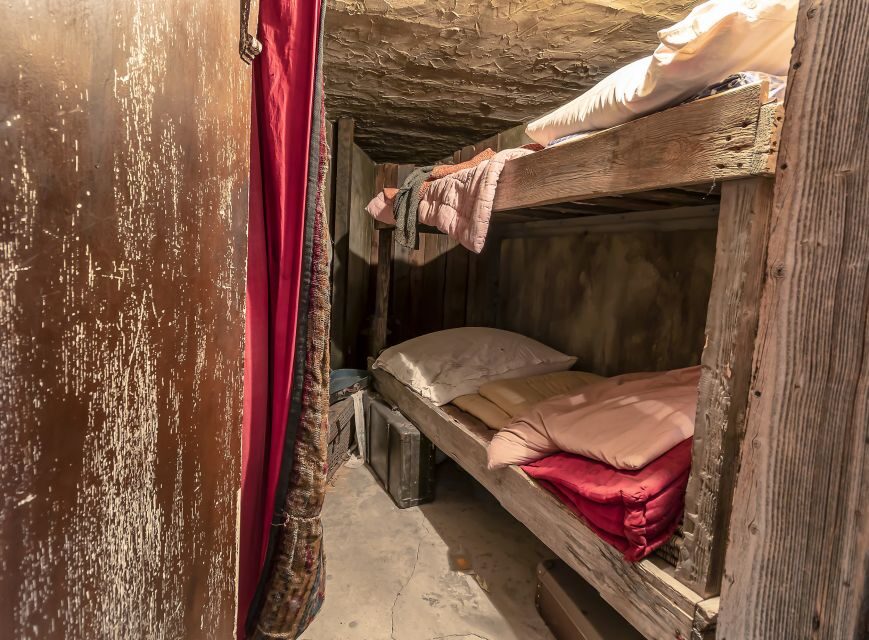
This is where I’d save you stress. Read the rules once, then follow them.
Bring: you need a passport or ID card with photo for every participant. If you forget it, entry can be denied.
No big bags: luggage or large bags aren’t permitted inside. Flash photography and video recording are also not allowed. And there are clear restrictions on things like weapons or sharp objects, smoking, and alcohol or drugs.
Also: no pets are allowed in the museum. If you’re traveling with a companion animal, you’ll need to make separate arrangements.
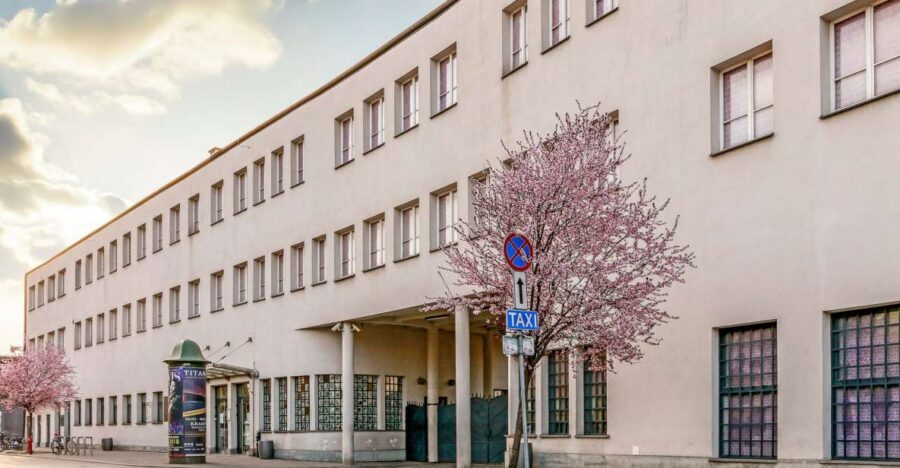
There’s a meeting point detail that helps you find the tour quickly. You meet in front of the entrance to the Oskar Schindler’s Enamel Factory museum, where you’ll see a greeter holding a sign with the GetYourGuied banner. Aim to arrive a little early—wartime museums don’t move fast once security and group check-in begins.
Should you book the Schindler’s Factory guided tour?
Yes—if you want a guided, time-efficient way to understand Nazi occupation through the actual factory spaces, and you appreciate a live guide to translate the museum’s themes into a clear story.
I’d say book it if you:
- Want to see the most important parts (including Schindler’s office desk)
- Prefer headsets and a structured 2-hour flow
- Need English or Spanish tour support
I’d think twice if:
- You strongly prefer total freedom to linger at every display without any schedule pressure
- You’re traveling with a child under 14
- You’re the type who forgets ID—because this one is strict about it
For best results, go in prepared: wear comfortable shoes, keep your bag minimal, and mentally set aside enough time afterward for a short decompression walk. This museum hits hard, but the guidance—and the specific places you’ll be taken—makes the experience easier to process.
FAQ
Where does the tour meet?
You meet in front of the entrance to the Oskar Schindler’s Enamel Factory museum, where you’ll see a greeter with a GetYourGuied banner.
How long is the Schindler’s Factory guided tour?
The tour lasts 2 hours.
How much does it cost?
The price is listed as $42 per person.
What’s included in the ticket?
You get a professional guide, a live tour in your chosen language, and a skip-the-line entrance ticket.
Which languages are available?
The live tour guide is offered in Spanish and English.
What do I need to bring for entry?
Bring your passport or photo ID card. You’ll need it for every participant.
Is the tour suitable for children?
No. It is not suitable for children under 14.
Are photos and video allowed inside?
Flash photography is not permitted, and video recording is not allowed inside the museum.