REVIEW · KRAKOW
Kraków: Schindler’s Factory & Jewish Ghetto Guided Tour
Book on GetYourGuide →Operated by Hello Cracow · Bookable on GetYourGuide
History hits hard in Kraków. This guided tour links Schindler’s Factory to the streets of the wartime Jewish Ghetto, so you don’t just read about 1939–1945—you see how it played out in real places. The museum teaches Nazi-occupied Kraków through artifacts and staged rooms, then the walking portion takes you to the ghetto’s remaining walls, Ghetto Heroes Square, and sites tied to people who tried to save others.
What I like most is the licensed expert guide work: you get clear, organized explanations (and multiple languages are offered), plus a strong focus on the wider impact on both Jewish and non-Jewish residents. I also like how the walk adds meaning—especially the Chair Memorial and the story connected to Tadeusz Pankiewicz at Under the Eagle Pharmacy. One watch-out: parts of Schindler’s Factory are tight and dim, so in a larger group you may have limited sightlines unless you’re near the guide.
In This Review
- Key takeaways
- Entering Schindler’s Factory: the best start for first-timers
- Kraków under Nazi Occupation 1939–1945: what you’ll actually learn inside
- Skip-the-line makes a difference more than you think
- From factory story to real ghetto geography: the walking tour
- Ghetto Heroes Square and the Chair Memorial: why this stop stays with you
- Under the Eagle Pharmacy: how Tadeusz Pankiewicz’s help worked
- Group size, timing, and comfort in narrow spaces
- Price and value: is $58 fair for this mix?
- Who should book this tour (and who might rethink it)
- Should you book this Kraków Schindler’s Factory and Ghetto tour?
- FAQ
- How long is the Kraków Schindler’s Factory & Jewish Ghetto guided tour?
- Where do I meet the guide?
- Does the tour include skip-the-line admission?
- What languages are the tours offered in?
- Do I need to provide participant names for entry?
- Is food or drinks included in the price?
- Does the tour run in bad weather?
Key takeaways
- Skip-the-line entry helps you start the museum portion without wasting time
- Licensed guide with strong historical framing and language support
- The exhibition theme is Kraków under Nazi occupation, not just one person’s biography
- Ghetto Heroes Square and the Chair Memorial give the walking tour real emotional weight
- Under the Eagle Pharmacy connects the ghetto story to practical, lifesaving help
- 3 hours total keeps it focused without turning your day into a marathon
Entering Schindler’s Factory: the best start for first-timers
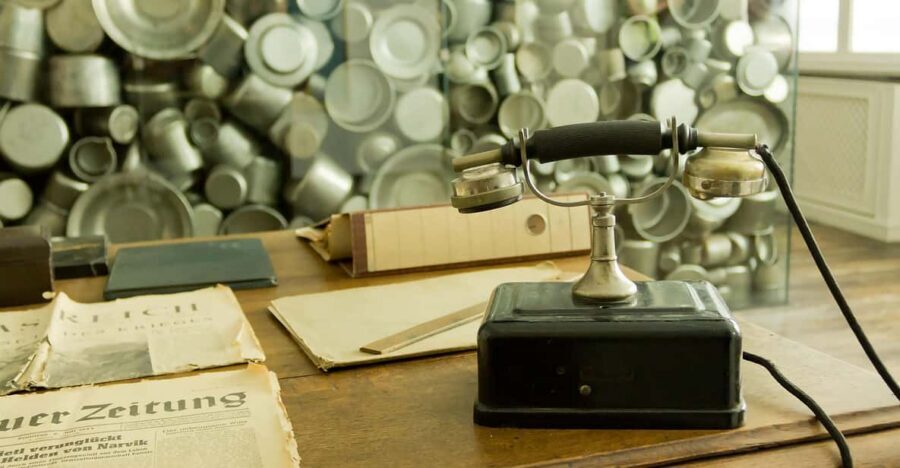
Schindler’s Factory Museum is one of those places that can feel like a history lesson and a place you’re supposed to be silent. In a good way. The tour’s structure matters here: you begin at the museum, where the guide sets the scene, then you step outside into the neighborhoods where those events took physical shape.
You’ll meet at the main entrance of the Schindler’s Factory Museum, with the excursions.city sign. Aim to arrive about 10 minutes early. Once the group departs, late entry isn’t possible, and tickets can’t be refunded—so treat this start time like a train you can’t miss.
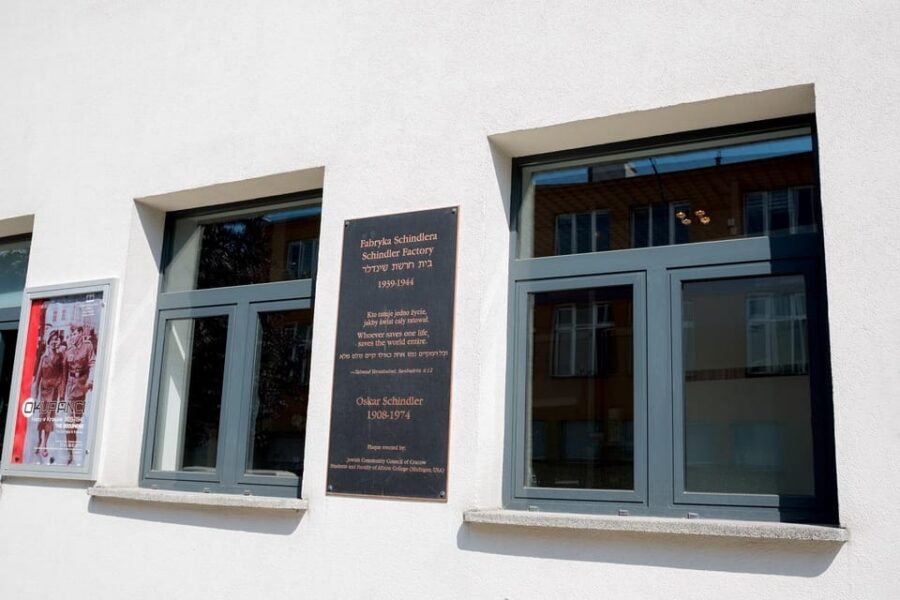
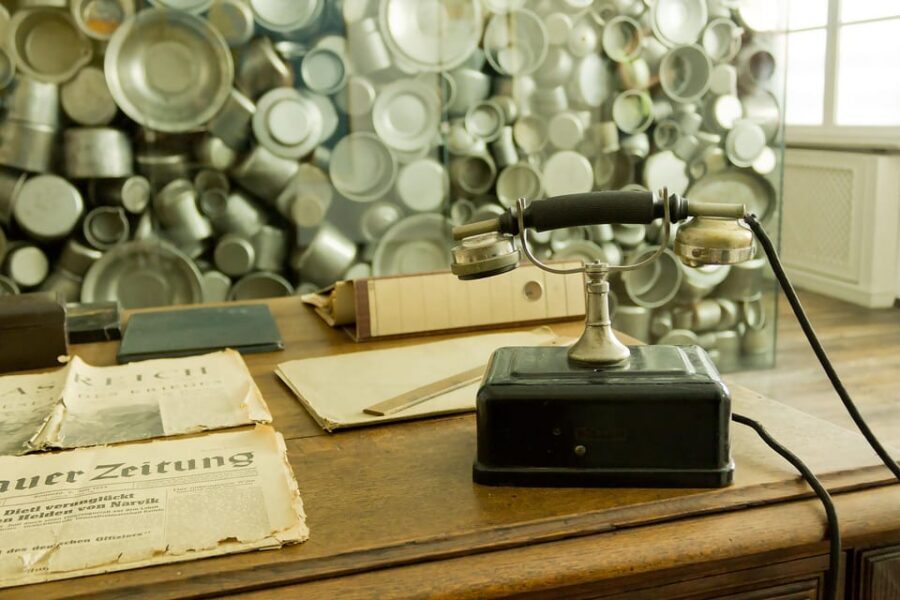
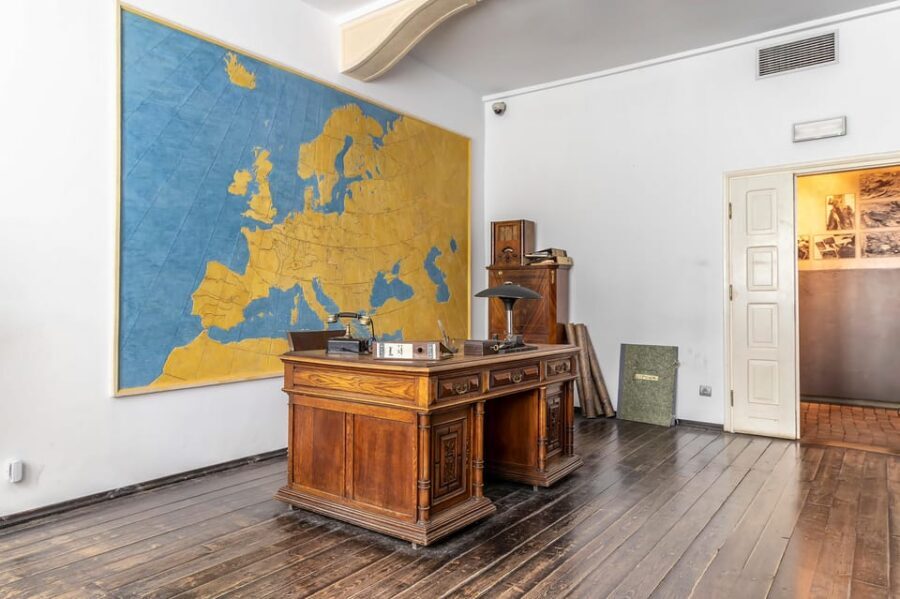
The museum portion is also where you learn a key point that helps the whole tour click: the building was Schindler’s enamel factory, but today it’s a museum, and you won’t see original machinery. That shift changes what the visit feels like. Instead of touring equipment, you’re reading the war through objects, photographs, and recreated spaces designed to explain pressure, fear, and uncertainty.
The payoff is that you’re not just collecting facts. You’re building a map in your mind—who was affected, how daily life tightened, and why certain locations became crucial.
You can also read our reviews of more guided tours in Krakow

Kraków under Nazi Occupation 1939–1945: what you’ll actually learn inside
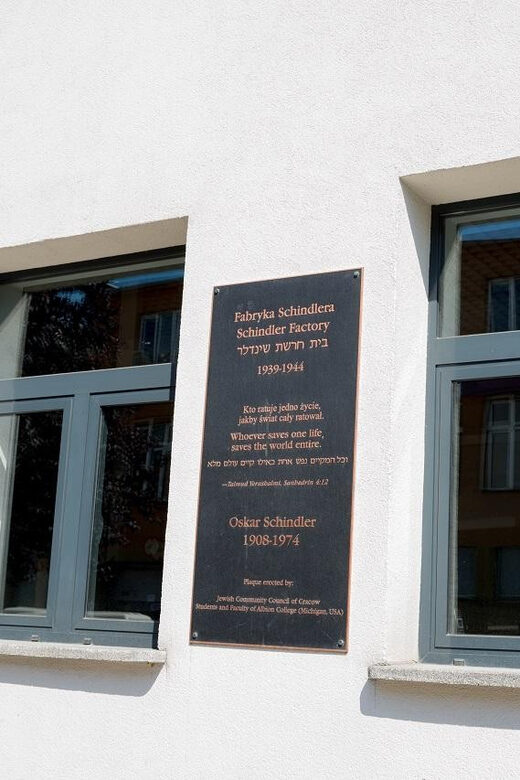
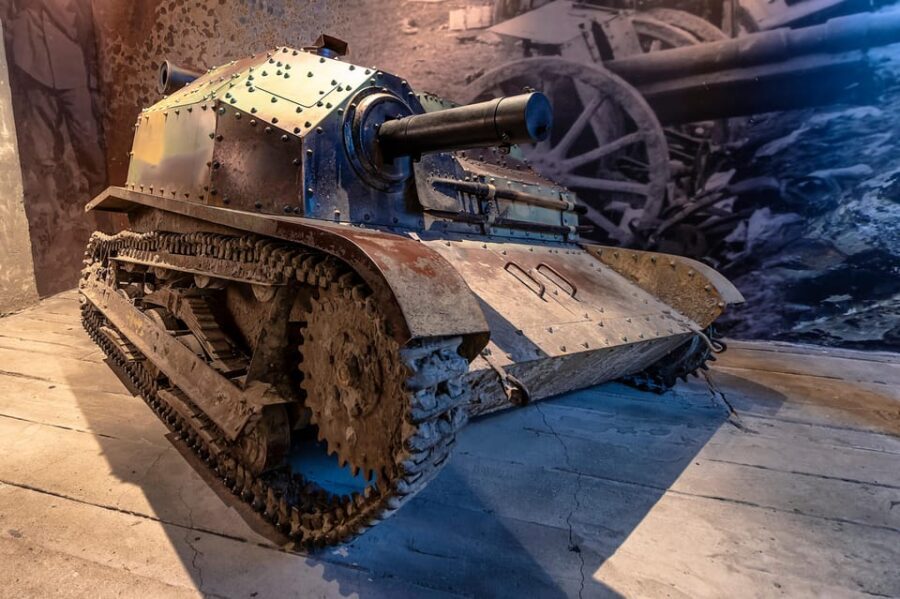
The guided museum visit centers on the exhibition Kraków under Nazi Occupation 1939–1945. This is an important distinction. Yes, Oskar Schindler’s story is part of the narrative, but the museum doesn’t treat him as the whole plot. The goal is to show how Nazi occupation changed Kraków day by day—how it affected Jewish residents and non-Jewish residents alike.
Here’s what you should expect as you move through the galleries:
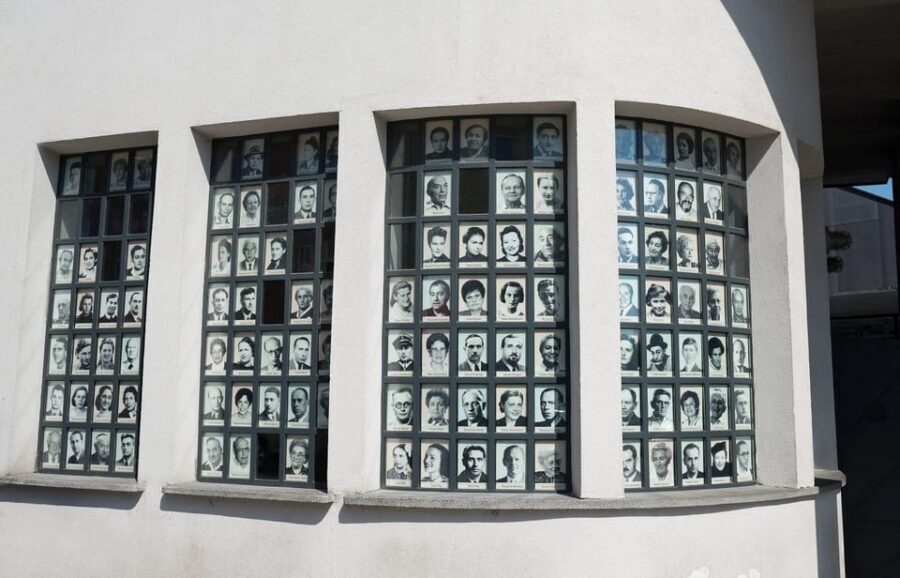
- Narrow corridors and dim lighting that intentionally create a tense mood
- Artifacts, photographs, and reconstructions that help you understand what the city was like under rule that targeted the population
- An emphasis on how persecution and deportations transformed normal life
Oskar Schindler’s connection comes through the idea of refuge for workers. The tour frames how his factory became a place that could protect over a thousand Jewish workers, even while the larger destruction unfolded around them. That doesn’t mean the museum ignores tragedy or scale. It makes them central to understanding why individual actions mattered and why they weren’t enough to stop everything.
One potential drawback to keep in mind: if you’re expecting a museum that focuses mostly on Schindler himself—like a straight biography—you might feel he’s not the only spotlight. The narrative is broader on purpose, and that can dilute the focus on one person’s details if that’s what you came for.
Skip-the-line makes a difference more than you think
Schindler’s Factory is popular, so skipping the ticket line isn’t just a convenience. It changes the rhythm of your visit. You’re less likely to arrive already rushed. And with a tour that’s only 3 hours total, saving time at the start helps you spend the rest of the time where it counts: listening, processing, and taking in the locations on the walk.
Inside, the guide leads you through the exhibition, so the tour is better than trying to wing it on your own. You still get to look at what you want, but you’re not stuck translating the story alone. The museum layout can be confusing if you’re reading only at your own pace, especially in tight spaces where signs and sightlines may not be obvious.
One more practical note: the museum is physically demanding in a small way. Rooms are narrow, and the tour style depends on everyone being able to hear and see. If your group is larger, you may find that only people closest to the guide get the clearest view of what’s being pointed out. That’s not a deal-breaker. Just be mentally prepared and try to position yourself near the front half of the group.
From factory story to real ghetto geography: the walking tour
Once the museum portion ends, the tour shifts gears to the streets. That’s where the experience gains its strongest “connect-the-dots” feeling. You’ve already learned what occupation did to people. Now you walk where those policies were enforced through walls, checkpoints, confinement, and movement restrictions.
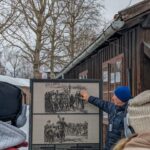
The walking tour starts with the remains of the Ghetto Walls—a stark reminder that the boundary wasn’t symbolic. It was physical confinement built into the city.
From there, you head toward the core of the ghetto’s wartime experience: Ghetto Heroes Square. Even before you reach the memorial, you’ll understand why this space mattered. It wasn’t just a place people lived nearby. It’s tied to deportations and the forced transfer of residents toward extermination camps. Knowing that ahead of time affects how you read the place once you’re standing in it.
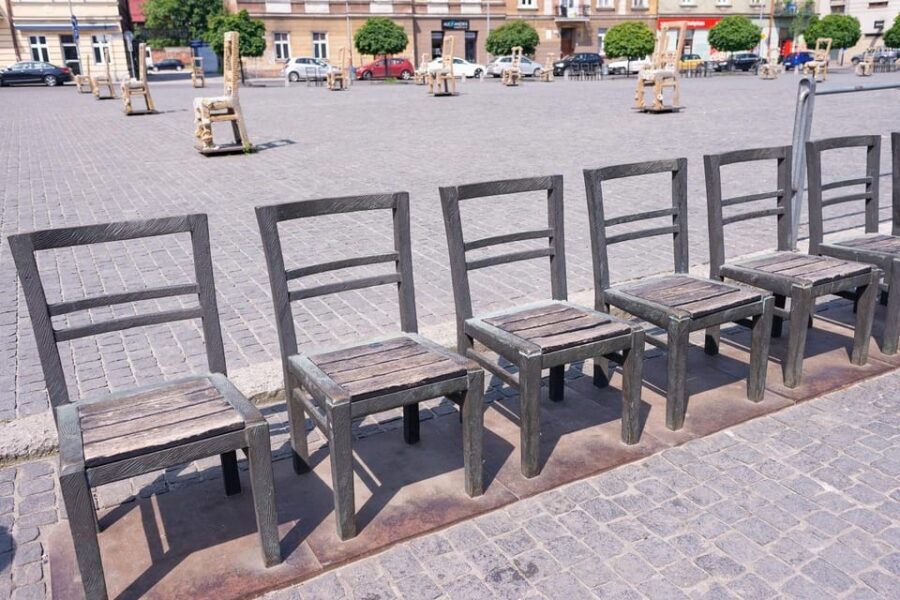
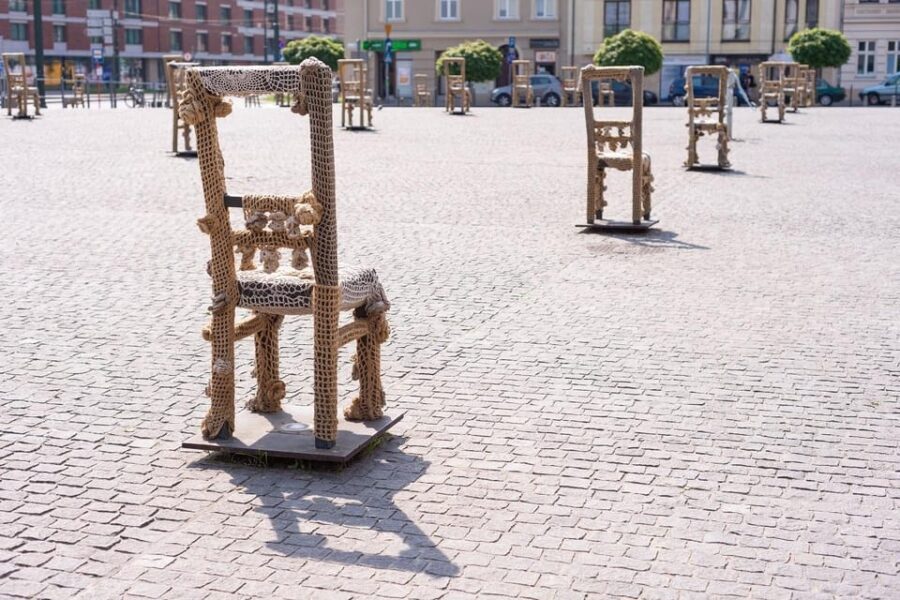
Then comes the stop that turns history into something you can feel in your body: you see the Chair Memorial. Each chair represents a life lost. That’s a heavy concept, and it’s exactly why a guide helps. Without context, memorials can become just objects. With context, they become a map of grief and survival.
Ghetto Heroes Square and the Chair Memorial: why this stop stays with you
Ghetto Heroes Square is often described as moving, but the better way to think about it is specific: it’s structured to make you face the reality of deportations without letting you look away.
The Chair Memorial is the focal point. It uses symbolism—chairs—to hold the weight of individual lives. It’s not a casual photo spot. If you take photos, do it respectfully and keep it quick. The point is remembrance, not social media content.
What makes this stop especially powerful on a guided tour is the way the guide ties the memorial to what you learned earlier in the museum. You’re not just learning that deportations happened. You’re learning where in the city the system hit hardest.
If you need a small self-care tip, here it is: give yourself a minute. Stand, breathe, and let the guide finish the explanation before you start scanning for the next “must-see” in your head. This is one of those moments where rushing actually makes the emotional impact worse.
Under the Eagle Pharmacy: how Tadeusz Pankiewicz’s help worked
Across the square stands the Under the Eagle Pharmacy, and this is the part of the tour that balances the devastation with a different kind of story: practical aid.
The guide connects this site to Tadeusz Pankiewicz and his staff, who helped ghetto residents by preserving medicine. That phrase matters. Medicine isn’t abstract heroism. It’s supplies, access, and the risky work of keeping people alive one day at a time.
This stop also gives you a clearer sense of how resistance and survival weren’t only gunfire or secret meetings. Sometimes it was paperwork, supply lines, and the stubborn work of finding ways around a cruel system.
And because the tour doesn’t erase the wider context, you leave with a better understanding of why preserving medicine was both lifesaving and dangerous.
Group size, timing, and comfort in narrow spaces
The tour lasts about 3 hours, with the museum portion likely taking the bulk of that time. Because the museum has narrow corridors and dim lighting, wear the right shoes. You don’t want blisters on a walking-heavy historical route, and you don’t want to lose time fussing with clothing.
The tour goes ahead in all weather—rain or shine—so bring a rain layer if your plans are in season for wet days. Since food and drinks aren’t included, you’ll want to plan a snack before you start or after you finish. Keep water with you if you’re allowed to carry it where you’ll be.
Language is another practical point. The live guide operates in French, Italian, German, English, and Spanish. If your language matters for understanding, this is where you’ll feel the advantage. A strong guide doesn’t just translate words. They choose the right emphasis so you can follow the story without getting lost.
Price and value: is $58 fair for this mix?
At $58 per person for roughly 3 hours, you’re paying for three things at once:
1) Skip-the-line admission to the most popular museum
2) A licensed expert guide for both the museum and the walking portion
3) A structured route that connects ghetto landmarks with the larger wartime story
If you tried to do Schindler’s Factory and the ghetto sites on your own, you’d still need context to understand what you’re seeing at places like Ghetto Heroes Square and the Chair Memorial. You could read guidebooks, sure. But you’d likely spend extra time figuring out what to prioritize and how to connect the dots. This tour compresses that into one guided flow.
So is $58 worth it? For most people interested in Jewish history and WWII Kraków, yes—especially because the tour isn’t only Schindler and not only walking. It’s the combo that makes the experience land.
One caution on value: if you’re the type who dislikes small-group dynamics, large groups inside tight museum rooms can be frustrating. The museum’s layout means sightlines matter, and in a group of 25+ you might want to position yourself carefully.
Who should book this tour (and who might rethink it)
This is a great fit if you want:
- A guided, story-driven visit to Schindler’s Enamel Factory Museum rather than a self-paced museum wander
- A connection between wartime Kraków museum content and the real street locations, including the Ghetto Walls, Ghetto Heroes Square, and Under the Eagle Pharmacy
- A guide who explains with clarity and depth, with language support in multiple options
It might be less satisfying if:
- You want a purely Schindler-centered, personal biography focus. The museum narrative includes broader occupation context, and one recent experience note suggests Schindler’s factory can feel slightly underrepresented compared to the wider theme.
- You dislike guided groups in narrow spaces. If you know you’ll feel boxed in, consider arriving early, moving toward the front, and being ready for tight quarters.
That said, even with those considerations, the overall route is one of the most direct ways to understand Kraków’s wartime reality in a short time.
Should you book this Kraków Schindler’s Factory and Ghetto tour?
I’d book it if you’re visiting Kraków for the first time and you want a meaningful route that makes the city’s WWII story understandable without spending your entire day piecing things together.
I’d also book it if you care about getting guided context at the emotional landmarks—the Chair Memorial and the Under the Eagle Pharmacy stop—because these places work best when you know what you’re looking at.
Skip this tour only if you’re set on a very narrow focus on Schindler alone, or if you strongly dislike cramped museum layouts and group logistics. Otherwise, it’s a focused, high-impact use of 3 hours with the structure that turns sites into understanding.
FAQ
How long is the Kraków Schindler’s Factory & Jewish Ghetto guided tour?
The tour lasts about 3 hours.
Where do I meet the guide?
You meet the guide in front of the main entrance to Schindler’s Factory Museum, with the excursions.city sign.
Does the tour include skip-the-line admission?
Yes. It includes skip-the-line admission to Schindler’s Factory.
What languages are the tours offered in?
The live guide is available in French, Italian, German, English, and Spanish.
Do I need to provide participant names for entry?
For personalized tickets, from January 1, 2026 you must provide the names of all participants during booking, or entry may be denied.
Is food or drinks included in the price?
No. Food and drinks are not included.
Does the tour run in bad weather?
Yes. The tour goes ahead in all weather, rain or shine.