REVIEW · KRAKOW
Krakow: Vodka Factory Museum Ticket & Audioguide and Tasting
Book on GetYourGuide →Operated by Discover Cracow · Bookable on GetYourGuide
Vodka, history, and a tasting finish. In Krakow’s Fabryczna City complex, the Vodka Factory Museum turns a real distillery past into an interactive walk through seven themed halls, with an audioguide in several languages. I love the historic distillery setting and the fact you get unlimited time to move at your own pace.
Budget-wise, at about $22, you’ll want to be sure you’re in for both the museum and the tasting. One practical consideration: on busy days, you may wait around 15–30 minutes before entry, so your best plan is to contact the museum in advance to confirm your preferred time.
In This Review
- Key highlights you’ll feel right away
- Where the Vodka Factory Museum is (and what Fabryczna City feels like)
- Entering the museum: your audioguide and self-paced flow
- Seven themed halls that connect production, culture, and politics
- 1) Medieval distillation apparatus
- 2) A noble court feast
- 3) The distillery revolution and industrial vodka production
- 4) An interwar period bar
- 5) The square outside Vodka Distillery No. 11 and the railway siding
- 6) Agricultural distillery and the supply chain behind the spirit
- 7) Bottling and loading facilities, plus memory and politics
- Interactive exhibits: what makes it more than a slideshow
- The tasting at the end: how it changes the whole visit
- Timing your 1-day visit without stress
- Is it worth about $22? Price vs. what you actually get
- Who this ticket suits best (and who should skip it)
- Should you book this Vodka Factory Museum ticket and tasting?
- FAQ
- Where is the Vodka Factory Museum located?
- Is the audioguide included in the ticket?
- What languages are available for the audioguide?
- How long does the museum visit take?
- Is the vodka tasting included?
- Do I need a live guide for the experience?
- Can I skip the ticket line?
- Is there a wait time before entry on busy days?
- Is the museum wheelchair accessible?
Key highlights you’ll feel right away
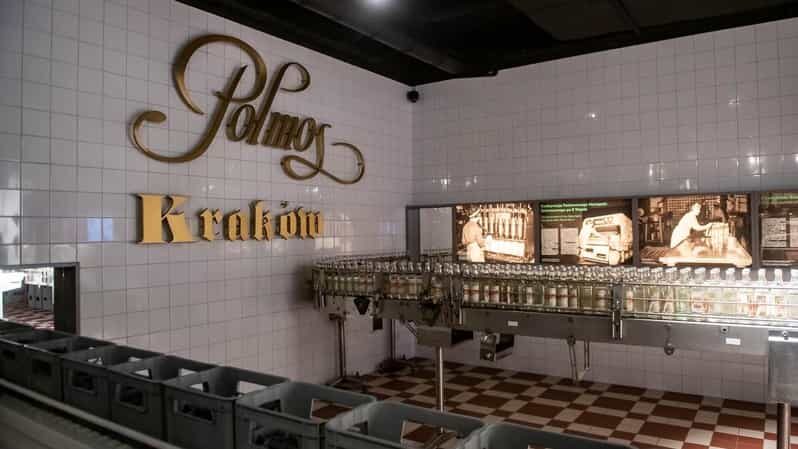
- Seven themed halls in a former distillery: You’re not just watching; you’re walking through production eras and set pieces.
- Interactive exhibits across nearly 1,500 m²: Expect hands-on learning and multimedia moments rather than only displays.
- Audioguide in English, German, French, Italian, and Ukrainian: You choose your pace and language, with a clear guided structure.
- Medieval-to-industrial storytelling: From old distillation equipment to the modern bottling and loading facilities.
- Tasting included at the end: The finish is part of the value, not an optional add-on.
- Skip the ticket line: Worth it if you’re arriving during a popular time.
Where the Vodka Factory Museum is (and what Fabryczna City feels like)
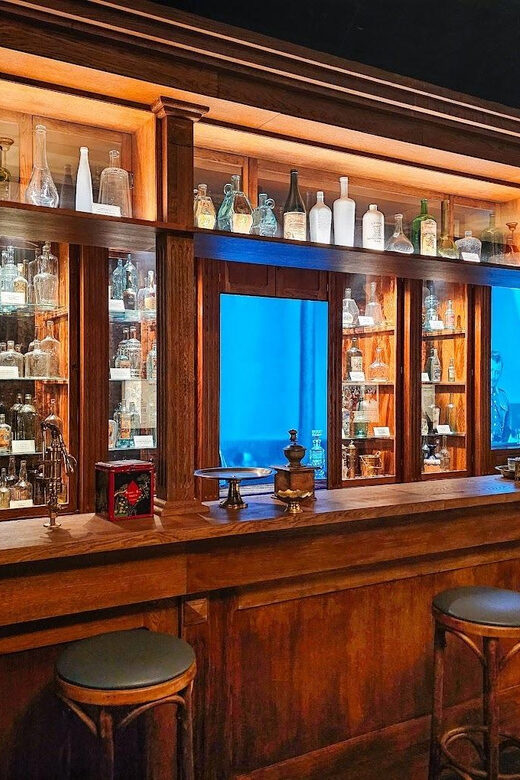
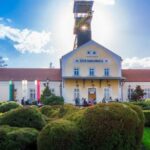
The Vodka Factory Museum is at 13 Fabryczna Street, inside the Fabryczna City complex. This matters because you’re not wandering an abstract museum district. You’re going to a specific place tied to the distillery buildings that once operated there.
The museum is housed in historic structures connected to Vodka Distillery No. 11, later part of the Polmos distillery era. That gives the experience an extra layer: you’re learning about vodka production inside the kind of space where it was actually made.
If you’re pairing this with other Krakow sights, plan on spending your afternoon here rather than trying to cram it into a tight schedule. The visit is designed to be about 1.5 hours with a paced flow through the halls, but the ticket allows unlimited time in the museum—so you can linger where something grabs you.
Practical tip: wear shoes you’re comfortable standing in. The museum is interactive and spread out across a fair amount of space, and you’ll cover more ground than you might expect from a ticket that sounds like a short museum.
You can also read our reviews of more tours and experiences in Krakow


Entering the museum: your audioguide and self-paced flow
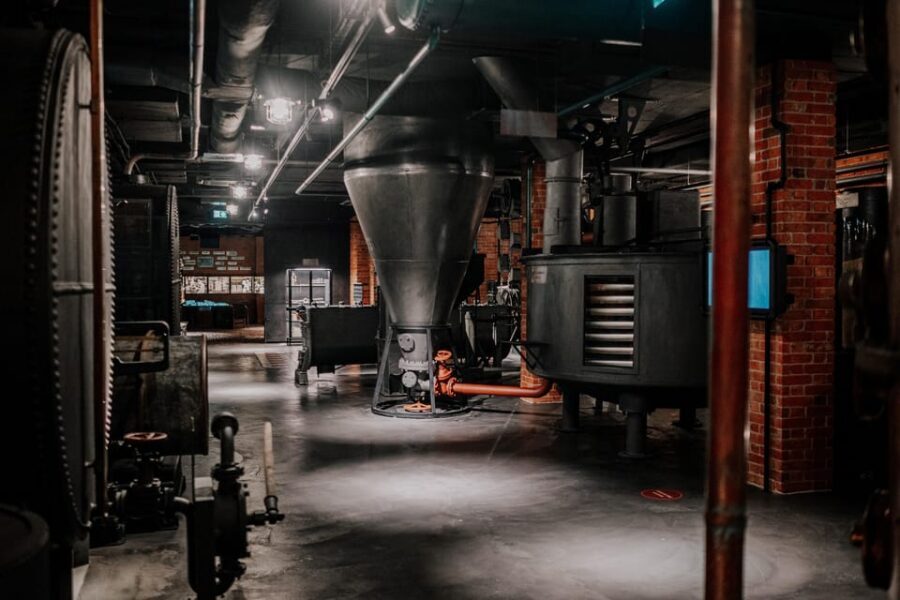
This is a self-guided visit with an included audioguide. A host or greeter can help in English, but there’s no live guide included—so you’ll rely on the audio to shape the story.
The audioguide is available in English, German, French, Italian, and Ukrainian. If you like having a clear narrative thread, the audio helps connect the objects and scenes. If you’re the kind of person who pauses to read labels for a while, you can still do that. The setup is built for your rhythm.
What I like about this format for most visitors is simple: you get the structure without feeling rushed. You’ll spend roughly 1.5 hours moving through the themed areas, but your ticket doesn’t force you into a strict group timetable. That becomes especially useful if you arrive at a slightly busy time.
One more timing note: the museum can be busy, and the museum advises that wait times of about 15–30 minutes are possible due to visitor volume. If you’re trying to line this up with dinner plans, email or contact the museum ahead of time to confirm your preferred time window.
Seven themed halls that connect production, culture, and politics
The museum is organized into seven thematic halls, each designed to explain a different chapter in vodka’s story. Some parts are more about technology, others about social life, and a few are clearly about how vodka fits into national culture and everyday identity.
Here’s how the experience tends to unfold as you walk through:
1) Medieval distillation apparatus
You start with older production methods, including medieval distillation apparatus. This is where the museum does a good job of slowing things down. You get the sense that vodka production didn’t start as a modern factory process. It developed from older techniques and practical know-how.
If you like food and drink history, this section gives you context that makes the later industrial scenes feel less random.
2) A noble court feast
Next is a noble court feast setting. It’s a change of pace: instead of machines, you’re shown how alcohol could fit into status, ceremony, and social life. This helps you understand vodka not only as a beverage, but as something connected to power and tradition.
You can also read our reviews of more food & drink experiences in Krakow



3) The distillery revolution and industrial vodka production
Then comes the shift into industrial production. The museum focuses on the “distillery revolution” and how production scales up—key if you want to understand why factory methods matter for taste, consistency, and distribution.
This hall is especially useful if you’ve only ever thought of vodka as a generic category. You start seeing production as a system.
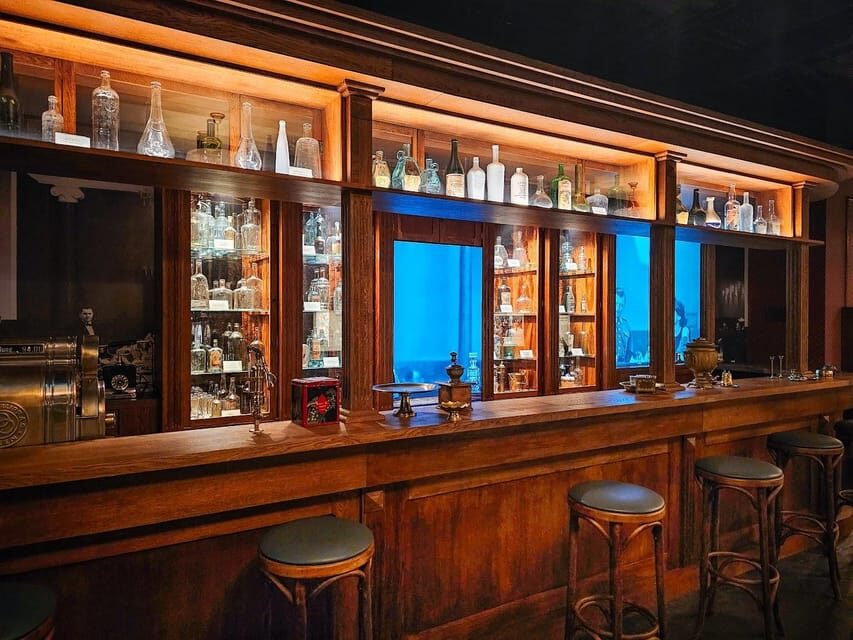
4) An interwar period bar
The interwar period bar is where the museum turns more “human.” You see how vodka functioned in real nightlife and social gathering spaces between the wars. It’s a reminder that spirit culture is also about meeting people, not just recipes.
5) The square outside Vodka Distillery No. 11 and the railway siding
A standout detail is the square in front of Vodka Distillery No. 11 and the railway siding. This helps you connect production to the real logistics of shipping and access. Vodka isn’t only made; it has to move.
For you, that’s a practical insight: the museum isn’t pretending alcohol is isolated from infrastructure and work.
6) Agricultural distillery and the supply chain behind the spirit
In the hall focused on an agricultural distillery, you get the other side of the story: raw materials and the rural foundation that feeds production. It’s a useful counterbalance to the more glamorous scenes.
If you’re the type who likes to understand where ingredients come from, this section does that job well.
7) Bottling and loading facilities, plus memory and politics
Near the end, you’ll see bottling and loading facilities for finished products. This brings you right to the end of the process, so the story feels complete rather than stopping once the spirit is produced.
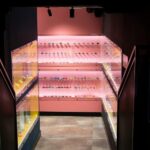
The museum also includes a wall of memories featuring vodkas from the People’s Republic of Poland, plus a President’s office scene. Add in a cozy cinema hall, and you get moments that feel like cultural artifacts—less about equipment, more about how vodka shows up in identity and memory.
Interactive exhibits: what makes it more than a slideshow
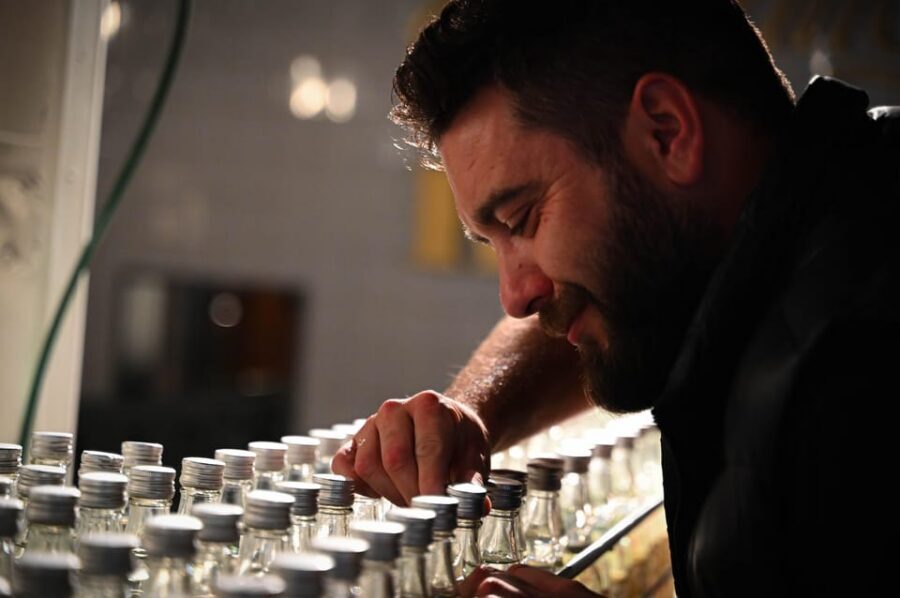
The museum spreads its story across nearly 1,500 m² and leans heavily on interactive formats and multimedia. That’s important because vodka history can get abstract fast. Here, the museum keeps pulling you back into concrete scenes and objects.
You can expect a mix of:
- production displays (including older distillation equipment)
- staged social settings (like the court feast and the bar)
- industrial spaces (bottling, loading, and the railway siding)
- multimedia presentation in a cozy cinema hall
The value of this kind of layout is that you don’t need to be an expert. You’re guided by audio, and you’re surrounded by cues that keep the story moving.
One more practical point: since it’s self-paced, you can spend more time in the halls you care about most. If you’re focused on production tech, linger in the industrial and agricultural areas. If you’re more interested in how vodka is woven into social life and politics, spend extra time in the feast/bar/memory spaces.
The tasting at the end: how it changes the whole visit
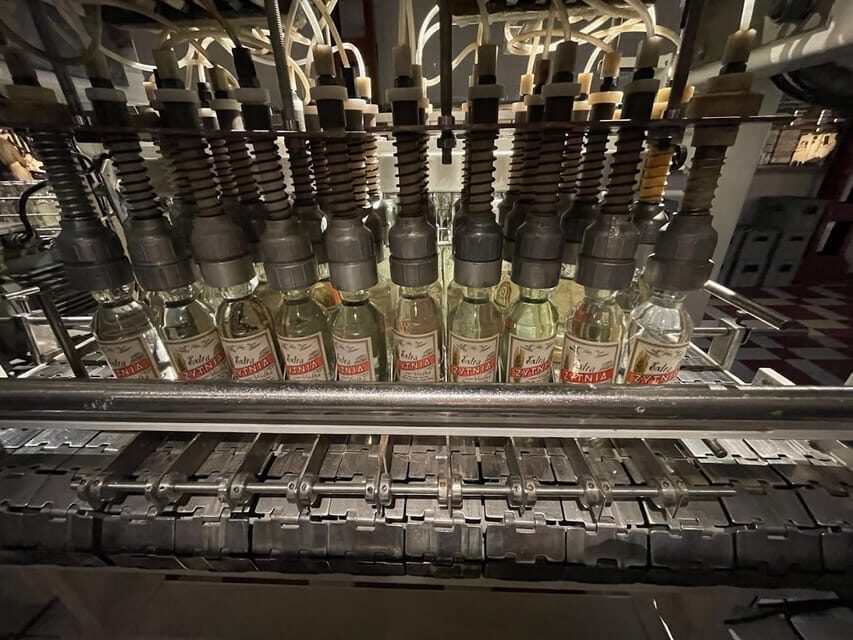
The tasting is included, and it’s scheduled as the memorable finish. That design matters. Many museums hand you a shop and call it a day. Here, you get a concrete payoff built into the ticket.
Based on the way the experience is structured, the tasting serves two roles:
1) It makes the learning feel real. You’re not just studying processes; you’re sampling a result.
2) It gives you a “stop” you can anchor your visit around. That can make time management easier.
What to expect is simple: you’ll conclude your museum time with vodka tasting as part of the same experience. The ticket includes the tasting, so you’re not hunting for where to do it separately.
If you don’t drink much (or at all), keep expectations realistic. This is still a vodka-focused museum, and the tasting is part of what you’re paying for.
If you do enjoy tastings, this is the part most people tend to talk about because it’s the only part where the story becomes immediate.
Timing your 1-day visit without stress
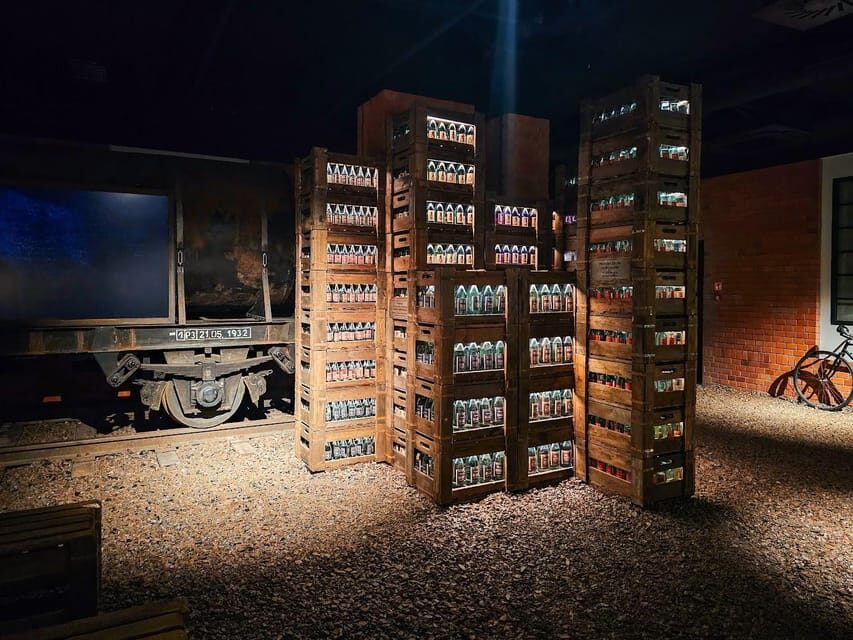
The activity is listed as a 1-day experience, and the museum visit is designed to take about one and a half hours to go through the seven halls with the audioguide.
Here’s a smart way to plan your day:
- Aim for an arrival that gives you cushion for possible entry waiting.
- Expect to spend most of your time inside following the audio structure.
- Leave a little time at the end for the tasting without racing.
Because your ticket allows unlimited time in the museum, you can adjust. If you’re a label-reader, you can slow down. If you want to get through efficiently, you can treat the audio like a highlights tour and move faster through less relevant sections.
Also, since you’re skipping the ticket line, you avoid the most common time sink. That helps if you’ve got limited daylight in Krakow.
Is it worth about $22? Price vs. what you actually get
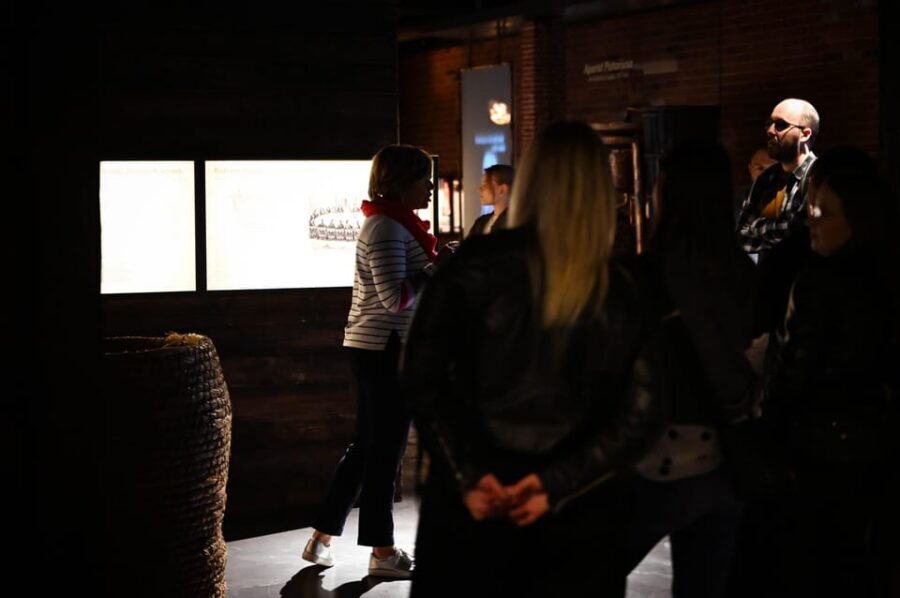
For roughly $22, you’re paying for four main things:
- entry to a museum with nearly 1,500 m² of interactive space
- unlimited time to explore the exhibitions at your pace
- a multi-language audioguide
- a vodka tasting included at the end
That’s a solid value package if you want more than a quick snack stop. The museum isn’t just a single room or a handful of artifacts—it’s a full set of themed production-and-culture environments.
Here’s the catch: if you’re not interested in vodka tastings, the museum may feel like a paid detour rather than a must-do. And if you only care about one angle—say, purely historical context—you might find yourself wishing the tasting weren’t such a central part of the value equation.
My practical advice: book this when vodka is actually on your list for Krakow. If you’re curious but unsure, consider going only if you’ll take the tasting seriously as part of the experience.
Who this ticket suits best (and who should skip it)
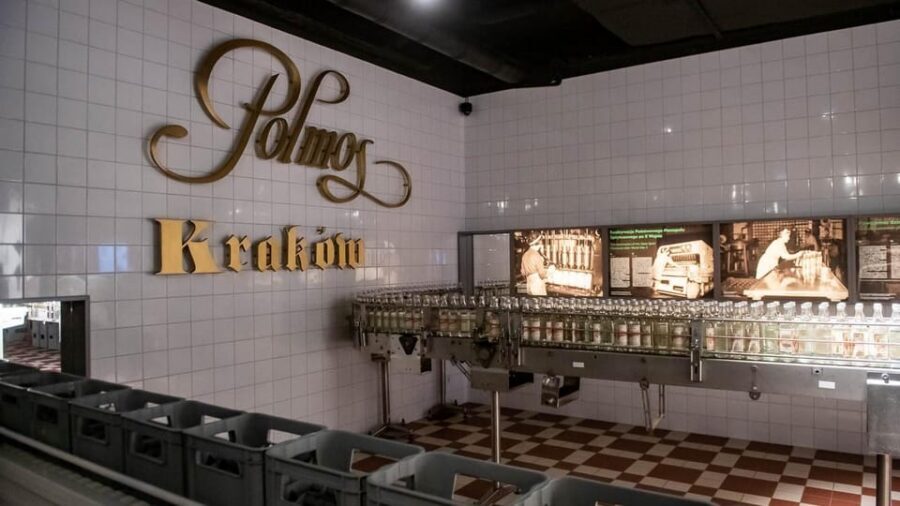
This Vodka Factory Museum ticket works especially well for:
- people who enjoy self-paced museums with an included audioguide
- visitors interested in production history and how factories shaped everyday life
- travelers who like food and drink experiences that include a tasting payoff
- anyone who wants a clear, guided structure through seven thematic areas
You might want to skip or think twice if:
- you dislike tastings or avoid alcohol during trips
- you’re only interested in a short stop and prefer museums that are more about art or architecture
- you want a fully guided live experience (there isn’t a live guide service)
One more note: the museum is wheelchair accessible, which is a real plus if you need that.
Should you book this Vodka Factory Museum ticket and tasting?
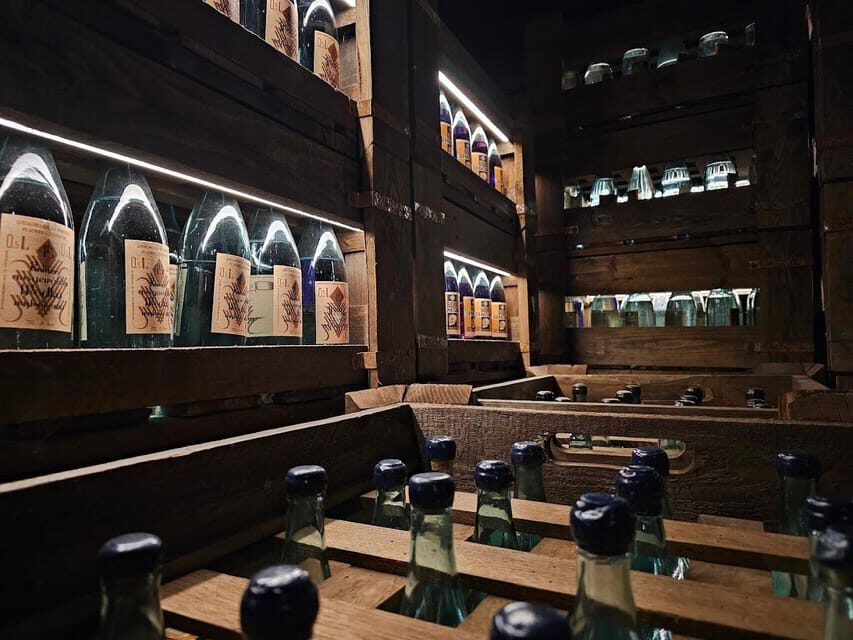
If you’re coming to Krakow and vodka is part of your travel curiosity, this is an easy yes. You get a self-paced museum in a historic distillery setting, a multi-language audioguide, and a tasting built into the visit. It’s also a good option if you like interactive, scene-based learning rather than only reading text.
Book it when you’ll actually enjoy the tasting part and when you want a focused, hour-and-a-half experience that you can shape to your own pace.
Skip it if you’re hoping for a general history museum or if vodka tastings aren’t your thing. At this price point, the tasting is part of the deal, not an extra.
FAQ
Where is the Vodka Factory Museum located?
It’s at 13 Fabryczna Street, inside the Fabryczna City complex in Krakow.
Is the audioguide included in the ticket?
Yes. The ticket includes an audioguide.
What languages are available for the audioguide?
The audioguide is available in English, German, French, Italian, and Ukrainian.
How long does the museum visit take?
Plan for about one and a half hours to go through the seven themed halls, though the time is not strictly limited since you have unlimited time in the museum.
Is the vodka tasting included?
Yes. The tasting is included with the ticket as the conclusion of the visit.
Do I need a live guide for the experience?
No. This activity is self-guided with the included audioguide; live guide service is not included.
Can I skip the ticket line?
Yes. You get skip-the-ticket-line access.
Is there a wait time before entry on busy days?
The museum notes that high visitor numbers may result in a wait time of about 15–30 minutes. It’s also recommended to contact the museum in advance to confirm your preferred time.
Is the museum wheelchair accessible?
Yes, the museum is wheelchair accessible.