REVIEW · KRAKOW
Krakow: Wawel Castle, St. Mary’s & Rynek Underground Tour
Book on GetYourGuide →Operated by excursions.city · Bookable on GetYourGuide
Kraków is best seen with a guide. This tour strings together the city’s power, faith, and art in one smooth route, with explanations that turn famous landmarks into real stories. I especially liked how you get the big picture of Polish monarchy and religion at Wawel and then see how that same story connects to the medieval streets you’ll walk above and below.
Two things I’d highlight right away: you see Renaissance and Baroque splendor in the Royal Castle, and you also get inside places most visitors skip or only partially understand. The Veit Stoss altarpiece and the underground Rynek exhibitions land because the guide gives context before you face the artwork and ruins. The one drawback: it’s a long, walking-heavy 330 minutes, and the day won’t be ideal if you hate crowds or need a fully accessible route.
In This Review
- Key highlights worth your attention
- Wawel Castle: Poland’s royal stage in Renaissance and Baroque
- Royal Rooms and the Eastern art collection, including Ottoman tents
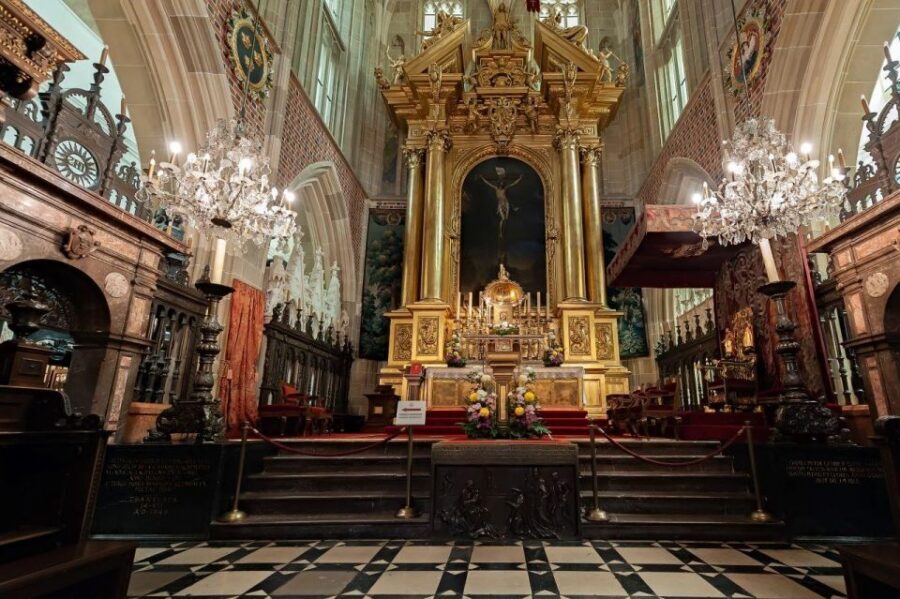
- Wawel Cathedral: coronations, crypts, and the Sigismund Bell tradition
- Collegium Maius and Main Market Square: learning and trade with real names
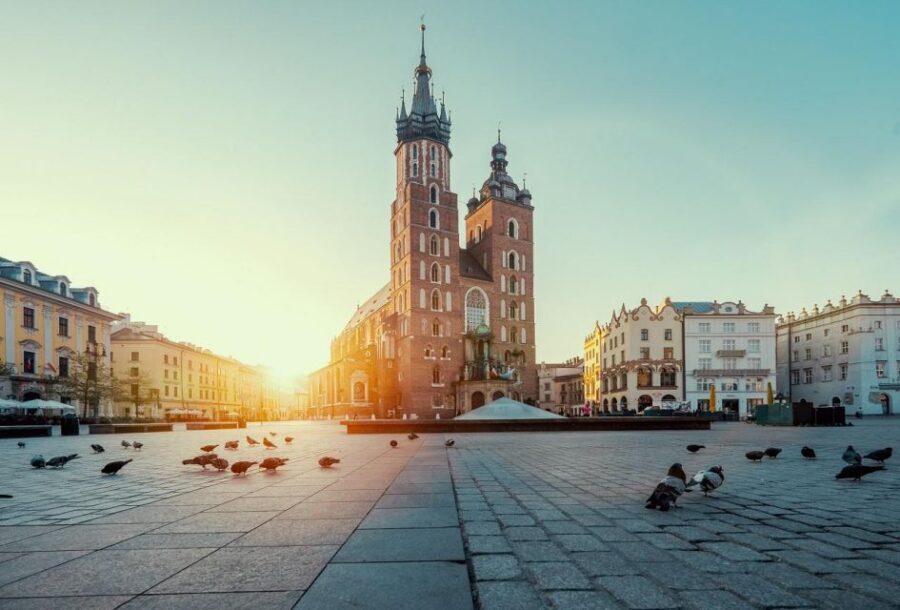
- St. Mary’s Basilica: the Veit Stoss altarpiece in full context
- Rynek Underground Museum: medieval streets under the Market Square
- How the 330-minute flow works (and where you’ll feel it)
- Price and value: what you pay for at Wawel, the Basilica, and underground
- Practical tips for a smooth day at Wawel and St. Mary’s
- Should you book this Kraków tour?
- FAQ
- What’s the duration of the Kraków Wawel Castle, St. Mary’s & Rynek Underground tour?
- Where do I meet the guide?
- Is there skip-the-line access?
- What ticket access is included for Wawel and St. Mary’s?
- How many people are in a group?
- What languages are available for the live guide?
- Is food included?
- Is there a dress code?
- What if the cathedral access is restricted during an event?
- Can I join if I arrive late?
- Is the tour suitable for people with disabilities?
Key highlights worth your attention
- Wawel Castle interiors: Renaissance and Baroque rooms, Flemish tapestries, Italian works, plus Wawel’s Eastern art collection (including Ottoman tents)
- Wawel Cathedral coronations: royal ceremony sites, decorated chapels, crypts, and the moment to touch the Sigismund Bell
- St. Mary’s Basilica impact: the scale and detail of the Veit Stoss altarpiece, explained in a way you can actually follow
- UNESCO Old Town stops: Collegium Maius and Main Market Square framed with the story of learning and trade
- Rynek Underground Museum: multimedia displays, archaeological remains, and reconstructed medieval streets under the Market Square
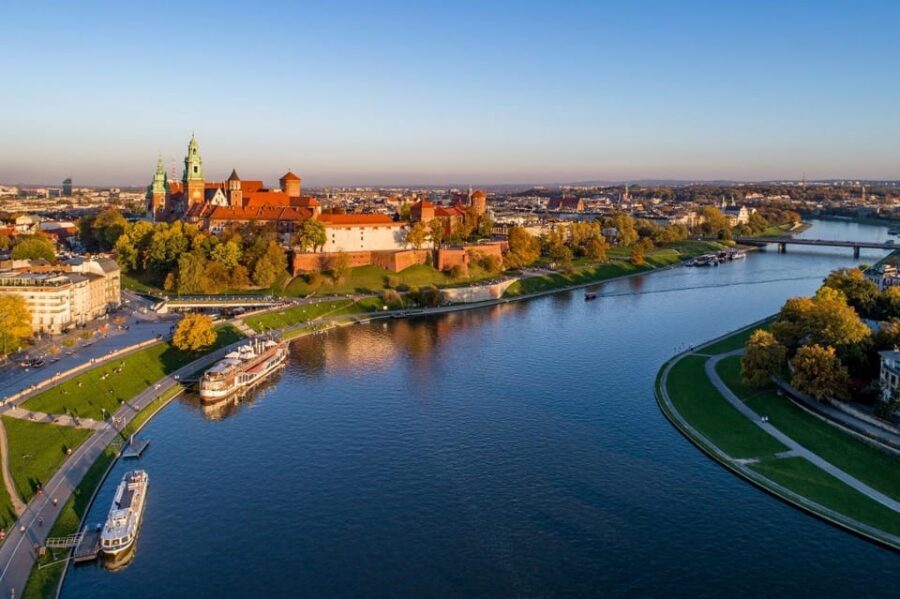
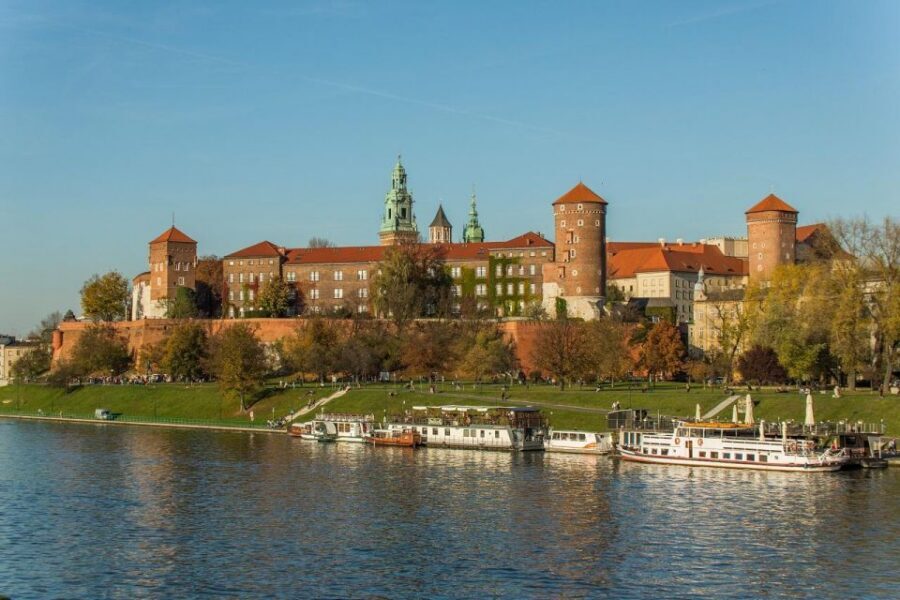
Wawel Castle: Poland’s royal stage in Renaissance and Baroque
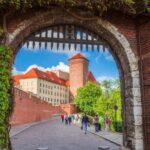
Your tour begins right next to Wawel Castle, on St. Mary Magdalene Square at the Piotr Skarga Monument (look for the excursions.city sign). From the first minutes, the guide sets the tone: this is where Kraków’s monarchy, faith, and art kept showing up again and again across centuries. If you like understanding why a place looks the way it does, this start matters.
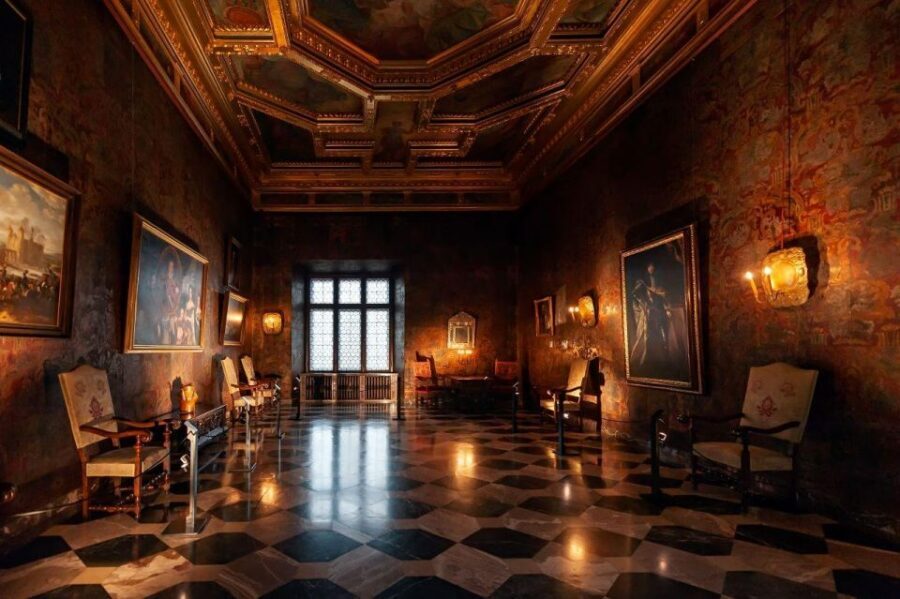
Inside the Royal Castle, you’ll move through grand chambers rather than a quick “look and leave” sweep. Expect Renaissance and Baroque interiors, Flemish tapestries, and Italian masterpieces. What makes this stop feel worth the time is that it’s not just decoration for decoration’s sake. The guide connects what you’re seeing to power, taste, and who wanted to be remembered.
Practical note: skip-the-line entry is included for one permanent exhibition, selected based on availability (State Rooms, Royal Private Apartments, or Crown Treasury). That helps you spend more time in rooms and less time waiting.
You can also read our reviews of more tours and experiences in Krakow.
Royal Rooms and the Eastern art collection, including Ottoman tents
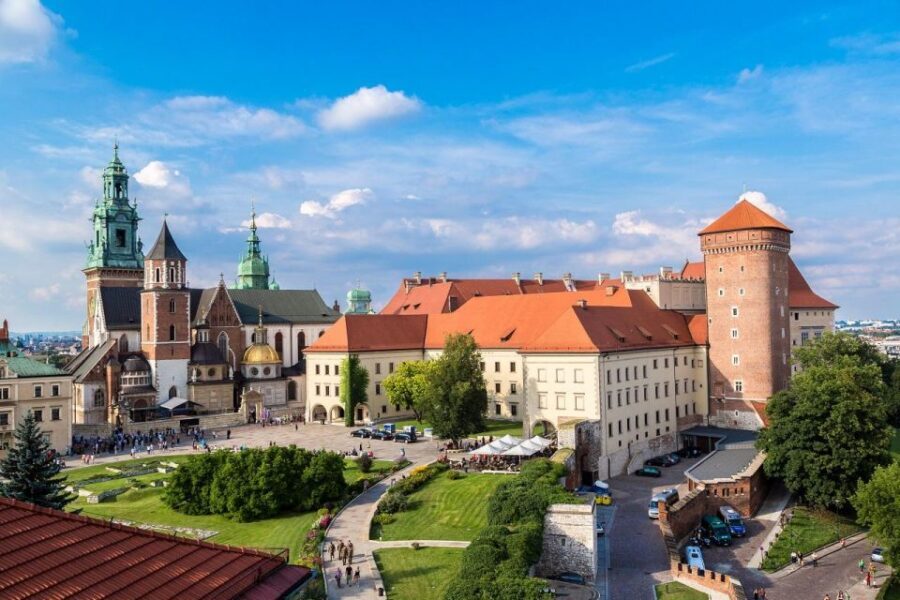
One of the most interesting parts of Wawel Castle is the mix. Yes, you’re in a European royal residence, but you’re also shown Wawel’s Eastern art collection, including the largest set of Ottoman tents in Europe. That detail alone gives the tour a broader lens than the usual “palace + crown jewels” approach.
This is the kind of information that changes how you look at objects. Instead of treating the collection like random extras, you start noticing how courts collected prestige and proof of reach. You’ll also see Flemish and Italian art alongside other influences, and the guide’s job is to point out the connections so it doesn’t feel like a museum checklist.
If you’re the type who enjoys art history notes, you’ll have fun here. If you’re not, the guide’s explanations still help you understand the building and its role in national identity.
Wawel Cathedral: coronations, crypts, and the Sigismund Bell tradition
After the castle, you step into the Wawel Cathedral, the site of coronations and royal ceremonies. This is where the mood shifts. The guide helps you follow the layout of chapels and ceremonial spaces so you know what you’re looking at and why it mattered.
You’ll see richly decorated chapels and walk through the crypts, where Polish kings, queens, poets, and national heroes are laid to rest. That blend is powerful for a couple reasons. It’s not only about monarchs; it’s also about the people remembered as part of the nation’s story.
Then comes the classic “good luck” moment: you’ll be able to touch the Sigismund Bell in the cathedral tower. It’s a small action, but it turns into a memorable photo moment because it’s tied to a tradition and the cathedral’s ceremonial role.
One important consideration: the cathedral is an active place of worship. During religious or state events, access to the cathedral, royal tombs, or the bell tower may be restricted without notice. If that happens, entry is replaced with another site within the castle complex, so the tour doesn’t grind to a halt.
Collegium Maius and Main Market Square: learning and trade with real names
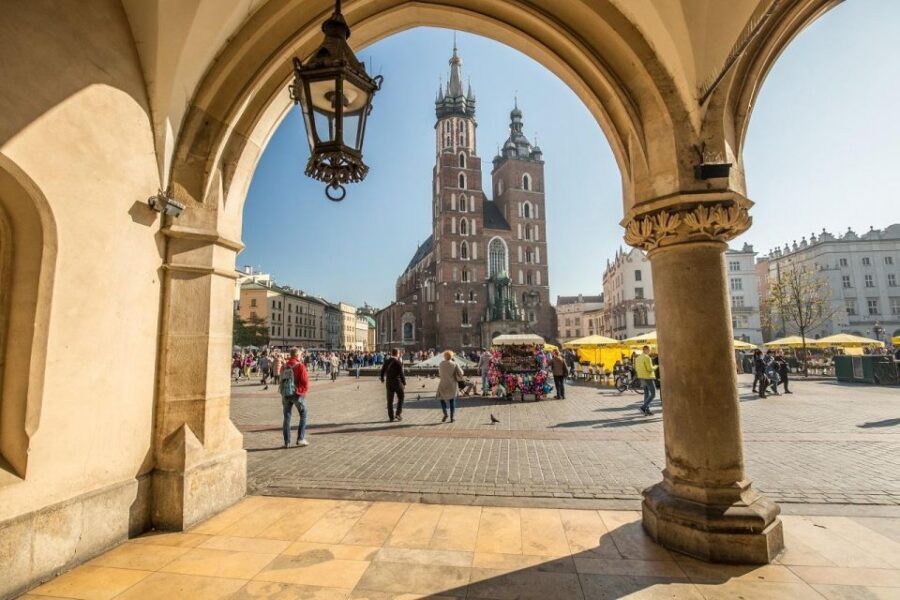
From Wawel’s ceremonial spaces, the route moves toward Kraków’s Old Town. You’ll stop at Collegium Maius, the oldest building of the Jagiellonian University. The courtyard is quiet, and that helps the guide’s story land, especially when you hear about how scholars shaped European science and knowledge.
This is where Nicolaus Copernicus enters the picture. Even if you only remember the basics from school, it’s satisfying to hear the story with a location attached, because it makes Kraków feel like a living contributor to wider history rather than a backdrop.
Next you reach the Main Market Square, Europe’s largest medieval square. The guide uses the space to explain the history of the Cloth Hall, once a major center of international trade. The point isn’t to memorize dates. It’s to understand why this square matters: trade pulled people, wealth, and ideas into the city.
If you want photos, this is your moment. After that, the day turns from public square scale to interior details.
St. Mary’s Basilica: the Veit Stoss altarpiece in full context
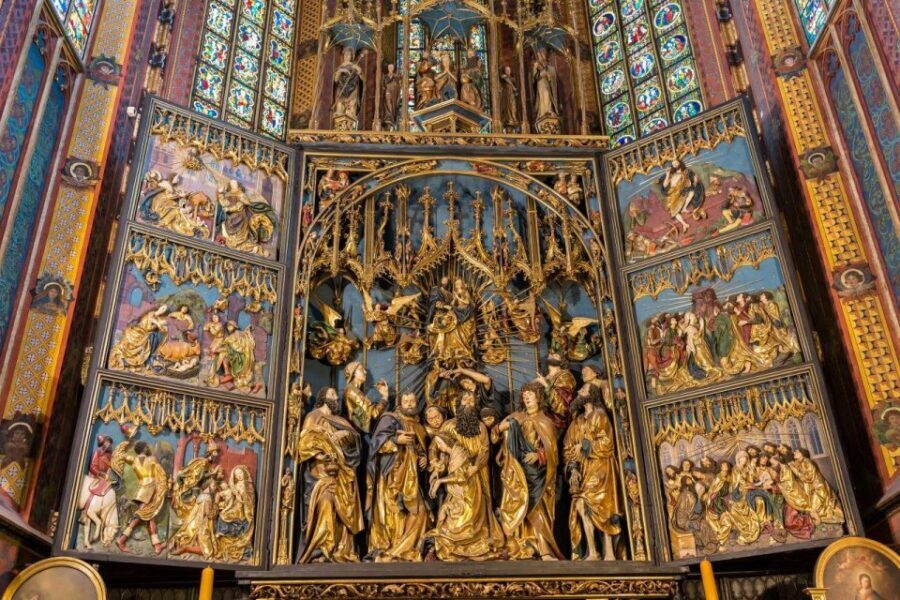
St. Mary’s Basilica is where the tour’s art focus peaks. You’ll step inside to see the Veit Stoss altarpiece, widely known as one of the greatest Gothic artworks in Europe. The altarpiece looks overwhelming if you just stare at it, but the guide helps you decode what you’re seeing so your brain has a path through the details.
Because the basilica has stained glass and painted vaults, the lighting and colors change how the artwork reads from different angles. The guide’s explanations also cover how this masterpiece survived centuries of conflict and why it remains a symbol of Kraków’s devotion and artistry.
This stop is one of the best reasons to pick a guided format. Without the explanations, you can still admire the craft. With them, you understand the meaning behind the craftsmanship.
Dress reminder: St. Mary’s Basilica is a place of worship, so shorts and sleeveless tops aren’t allowed. You’ll need shoulders covered and knees covered.



Rynek Underground Museum: medieval streets under the Market Square
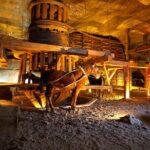
The last major stop is the Rynek Underground Museum, which reframes Kraków by showing you what’s under your feet. You’ll see multimedia displays, archaeological remains, and reconstructed medieval streets that reflect the daily life of early traders and craftsmen.
This is the kind of experience that feels different from a normal museum because it connects directly to the street-level world above. You’ll come out onto the square with that sense that the city has layers you can’t fully see without going down.
Timing-wise, this is a good finisher. After castle and church interiors, the underground spaces add variety, and the reconstructions help you picture what the Cloth Hall trade and medieval square life likely looked like in practice.
How the 330-minute flow works (and where you’ll feel it)
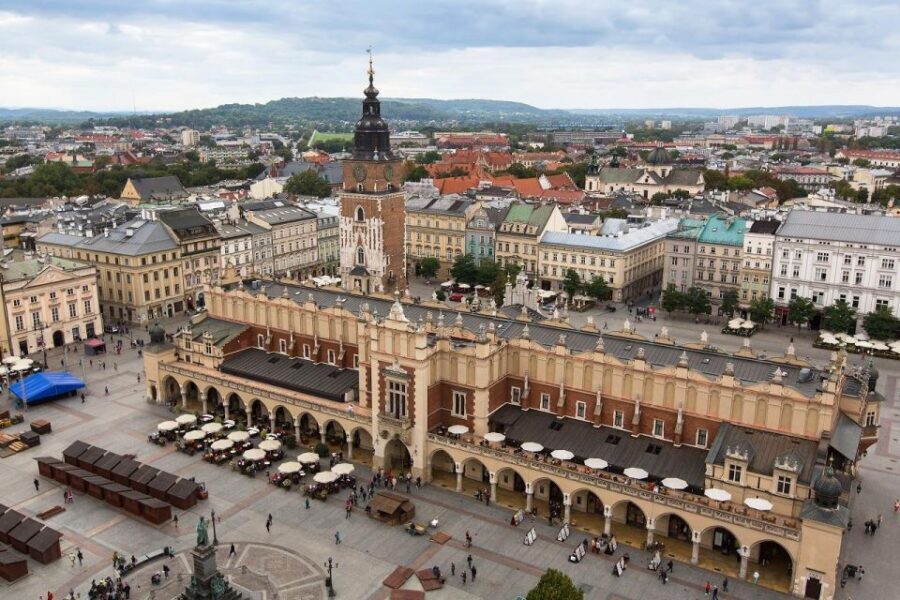
This tour runs about 330 minutes, so think of it as a half-day with several “big ticket” stops. It’s not just one long museum visit; it’s multiple sites with transitions, inside time, and a fair amount of walking. That means you’ll want comfortable shoes and the ability to stand for stretches.
The order of sightseeing may change, and you should expect a schedule that prioritizes getting you into key rooms and exhibitions efficiently. Also, the group is limited to 30 participants, and the tour is conducted in one language chosen at booking. That keeps the pace controlled, but it also means you’ll be listening in a single thread the whole time.
This tour is strongest if you like structure. If you’re the type who enjoys wandering on your own, you might feel “locked in” for much of the afternoon. But if you want clarity on what matters most and why, you’ll appreciate the sequence.
Price and value: what you pay for at Wawel, the Basilica, and underground
At $121 per person, this is not a bargain-basement option. What makes it feel like a fair deal is that it bundles skip-the-line entry and multiple major-ticket sites into one guided format.
You get:
- a licensed local guide
- skip-the-line ticket for a permanent exhibition at Wawel Castle (State Rooms / Royal Private Apartments / Crown Treasury, depending on availability)
- tickets to the Wawel Cathedral and St. Mary’s Basilica
- skip-the-line admission to the Rynek Underground Museum
So you’re paying for time and access as much as for commentary. For this specific route, that matters, because Wawel and the churches are the places where lines and waiting can steal your energy. The guide’s detailed explanations are what help you actually get value from the crowded, high-demand spaces.
Food isn’t included, so plan to grab a meal before or after. If you’re hungry during the middle, bring a light snack if you’re allowed to on your route, since the itinerary itself doesn’t mention stops for eating.
Practical tips for a smooth day at Wawel and St. Mary’s
A few things will make your day easier.
Arrive early. You should be at the meeting point 10 minutes before the tour starts. Once the group departs, latecomers can’t join, and tickets are non-refundable.
Expect restrictions. Because the cathedral is active, access to certain areas (like royal tombs or the bell tower) can be limited during religious or state events. If it happens, entry is replaced with another site inside the castle complex.
Follow the dress code. Shorts and sleeveless tops aren’t allowed in places of worship and selected museums. Plan for covered shoulders and covered knees for both men and women.
If you need accessibility support, note the tour is not suitable for people with disabilities. That’s a key factor to consider before booking.
Finally, keep an eye on the guide’s order changes. The tour may adjust the sequence of sightseeing, so stay flexible rather than trying to “match” the day to a fixed map.
Should you book this Kraków tour?
I think you should book this tour if you want the top Kraków landmarks stitched together with clear explanations, and if you like getting the “why” behind famous buildings and artworks. The Sigismund Bell tradition, the Veit Stoss altarpiece, and the Rynek Underground connections are exactly the kind of moments that feel better with a guide framing them first.
Book it with caution if you hate long walking sessions, need high accessibility support, or get cranky when churches restrict access due to events. Also, because it’s one language per group, make sure the language you choose is the one you’ll be comfortable listening to for five-plus hours.
If your goal is to make Kraków’s Old Town make sense fast, this route is a strong way to do it.
FAQ
What’s the duration of the Kraków Wawel Castle, St. Mary’s & Rynek Underground tour?
The tour lasts 330 minutes.
Where do I meet the guide?
Meet at St. Mary Magdalene Square at the Piotr Skarga Monument. The guide will hold an excursions.city sign.
Is there skip-the-line access?
Yes. The tour includes skip-the-line entrance to one permanent exhibition at Wawel Castle and skip-the-line admission to the Rynek Underground Museum.
What ticket access is included for Wawel and St. Mary’s?
You get tickets to the Wawel Cathedral and St. Mary’s Basilica.
How many people are in a group?
Groups are limited to 30 participants.
What languages are available for the live guide?
The tour is available in German, Italian, English, Polish, Spanish, and French. One language is used per tour.
Is food included?
No. Food and drinks are not included.
Is there a dress code?
Yes. For places of worship and selected museums, shorts and sleeveless tops are not allowed. Both men and women must cover knees and shoulders.
What if the cathedral access is restricted during an event?
During religious or state events, access to the cathedral, royal tombs, or the bell tower may be restricted. Entry will be replaced with another site within the castle complex.
Can I join if I arrive late?
You should arrive 10 minutes early. Once the group departs, latecomers cannot join and tickets are non-refundable.
Is the tour suitable for people with disabilities?
The tour is not suitable for people with disabilities.