REVIEW · KRAKOW
Krakow: Wawel Castle and Cathedral Guided Tour
Book on GetYourGuide →Operated by INTERCRAC Ltd. · Bookable on GetYourGuide
Wawel Hill tells Poland’s story in stone. This 2-hour, skip-the-line guided walk through Wawel Castle and Wawel Cathedral hits two of Krakow’s biggest landmarks back-to-back, with context for monarchs, art, and national identity. You’ll also get that fun moment at the end: touching the Sigismund Bell for luck and then looking out over the city.
What I really like here is the way the guide ties the museum rooms to real people and real power. I’m especially fond of the castle side: Renaissance interiors, royal chambers, and the Lanckoroński collection of Italian paintings alongside weaponry, porcelain, and Eastern art, including Europe’s largest collection of Ottoman tents. Then the cathedral delivers on the emotional payoff—crowns, weddings, royal burials—often led by guides such as Helena, Anna, Joanna, and Jacek who know how to make the details land. One drawback to plan for: it’s fast. If you’re the type who could stare at every chapel and painting for an hour, 2 hours may feel a bit tight.
In This Review
- Key things that make this tour worth your time
- Entering Wawel: why this hill is more than a photo stop
- Meeting point at St. Mary Magdalene Square: the easiest way to avoid a stress spiral
- Wawel Castle State Rooms: art, royal rooms, and collected culture
- The art-and-objects angle I’d expect you to enjoy
- A realistic expectation: what you won’t see
- Skip-the-line plus a fast-track exhibition: how to use it
- Wawel Cathedral: coronations, tombs, and why the building feels different
- What you’ll actually notice inside
- The royal crypts: where the story becomes grave and human
- The tower climb and the Sigismund Bell: fun luck with real views
- Group size, headsets, and the single-language rule
- Price and value: why $57 often feels fair here
- Who should book this, and who might want a different plan
- Tips to get more out of a 2-hour Wawel visit
- Should you book this Wawel Castle and Cathedral guided tour?
- FAQ
- How long is the Krakow Wawel Castle and Cathedral guided tour?
- Where do I meet the guide?
- Does the tour include skip-the-line access?
- What’s included in the price?
- Which languages are offered?
- Is there a dress code?
- What time should I arrive at the meeting point?
- Can I cancel and get a refund?
Key things that make this tour worth your time
- Skip-the-line entry so you spend less time waiting and more time looking
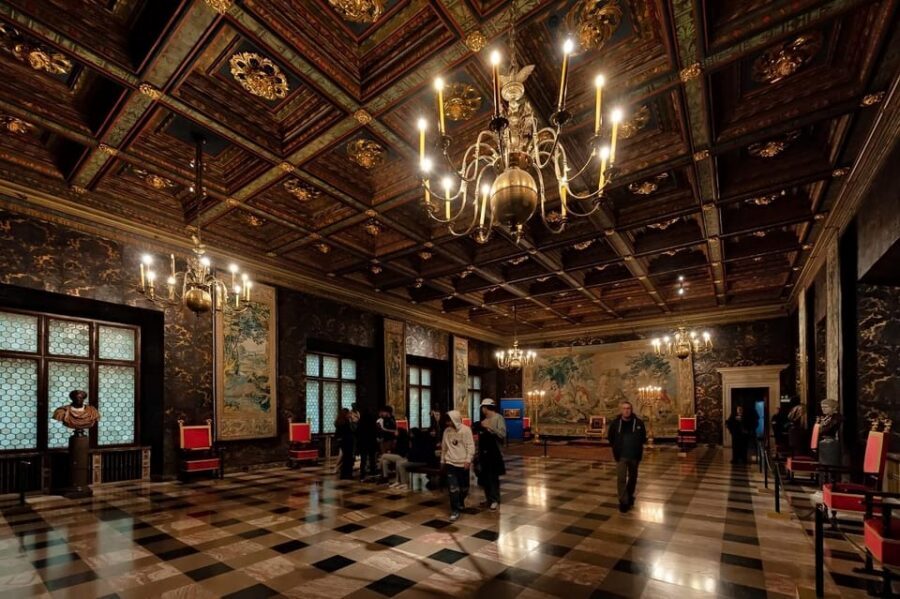
- Wawel Castle State Rooms + major art collections, including the Italian Lanckoroński paintings
- Eastern art spotlight with Europe’s largest set of Ottoman tents
- Gothic cathedral highlights tied to coronations, royal weddings, and tombs
- Tower views + Sigismund Bell moment (yes, you actually touch it)
- Headsets for groups of 9+ help you hear the guide without leaning in all day
Entering Wawel: why this hill is more than a photo stop
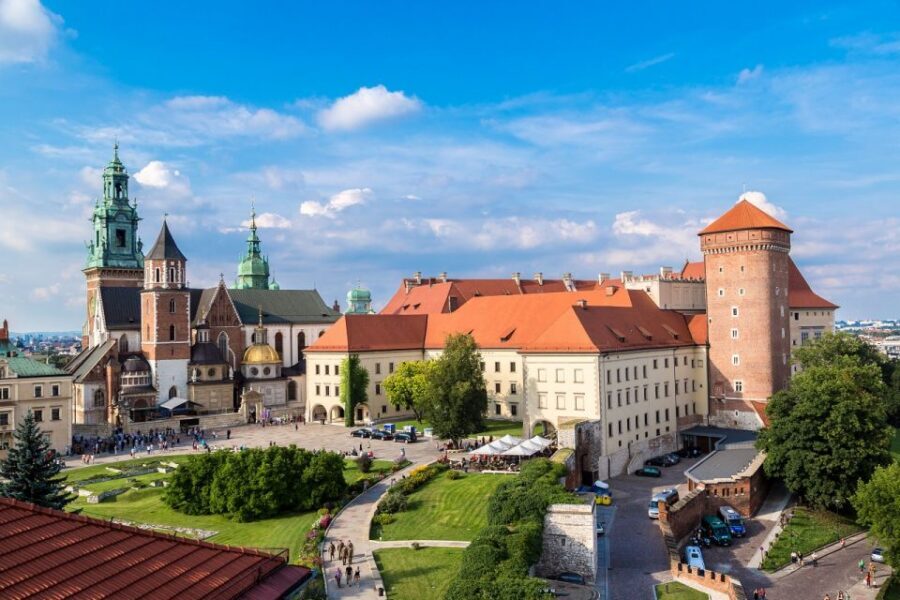
If you only do a quick walk around Krakow, you can miss the way this city explains itself. Wawel does the explaining. On one compact hill you get royal power, cultural collecting, and centuries of faith and funerals—all layered into two buildings that feel like they were designed for storytelling.
That’s why this guided format works. You’re not just ticking off sights. You’re getting the links: who ruled, what ceremonies meant, why specific artworks mattered, and how Wawel became a symbol of Polish statehood. The pace is brisk, but the tour is built to give you a working map of the place by the time you leave.
A practical bonus: it’s skip-the-line. Wawel can get busy, especially around peak hours, and line time is where good plans go to die. Here, priority access helps you keep your momentum.
You can also read our reviews of more guided tours in Krakow


Meeting point at St. Mary Magdalene Square: the easiest way to avoid a stress spiral
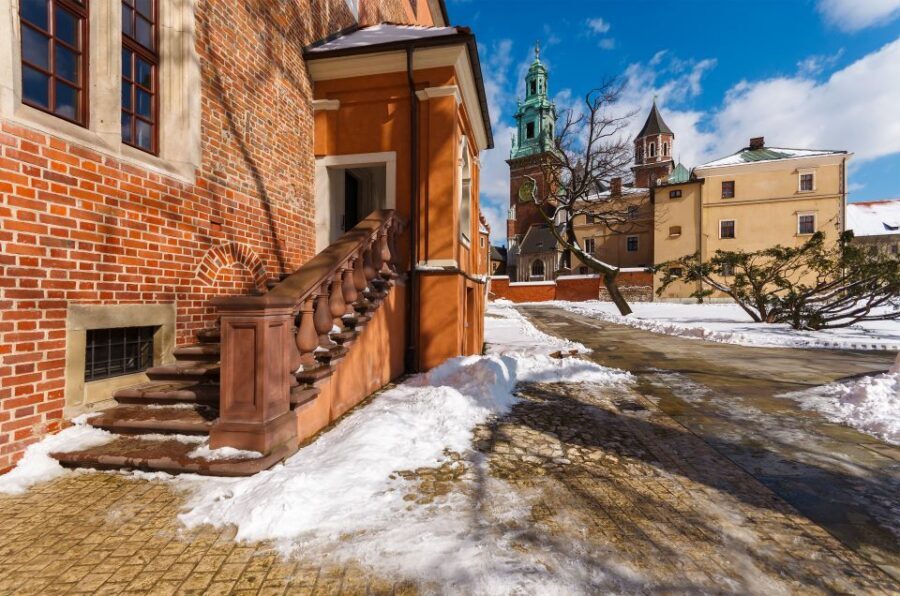
The meeting point is on St. Mary Magdalene Square, at the Piotr Skarga Monument. Your guide will be holding an Wawel Castle & Cathedral Guided Tour sign. And here’s the small but important gotcha: the meeting point isn’t on Wawel Hill itself.
Plan to arrive about 10 minutes early. Once the group has gone in, you won’t be able to join late, and tickets can’t be refunded. In practice, that means you should give yourself a little buffer for navigation and getting everyone in the same language group.
Also note the dress code. In places of worship and selected museum spaces, shoulders and knees need to be covered—so skip shorts and sleeveless tops. Comfortable shoes matter because you’ll be moving through multiple levels and spaces.
Wawel Castle State Rooms: art, royal rooms, and collected culture
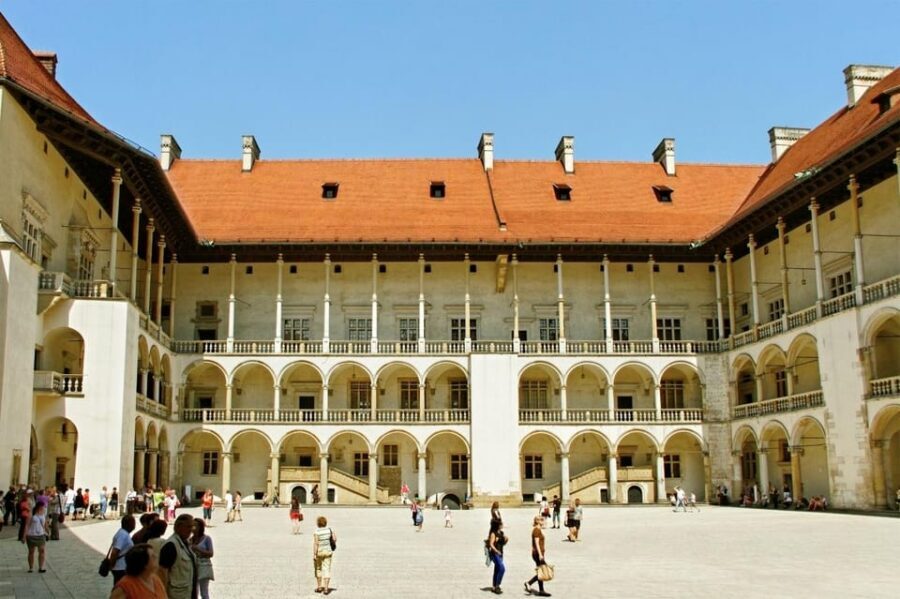
Wawel Castle is not a theme-park reenactment. It’s a museum-castle hybrid, and that’s part of why it’s compelling. You’ll spend time in the elegant State Rooms style spaces, where the focus is on décor, collections, and the way power displayed itself through objects.
One thing I appreciate about this tour: it doesn’t treat the castle like one long hallway. The guide turns the rooms into a set of mini-lessons. You’ll see places meant for display and ceremony—exactly the kind of rooms where monarchs wanted visitors to feel the weight of the crown.
The art-and-objects angle I’d expect you to enjoy
This is where the tour earns its keep for people who love art but don’t want to feel lost. You’ll get to the Lanckoroński collection of Italian paintings, and you’ll also see broader galleries that include:
- porcelain
- weaponry
- Eastern art
And then comes one of those details that makes Wawel feel truly unexpected: Europe’s largest collection of Ottoman tents. That’s not a throwaway fact. It points to a real historical crossroads—Poland didn’t exist in isolation, and the castle collections reflect how cultures intersected.
A realistic expectation: what you won’t see
If you’re expecting the castle to look like a fully furnished, lived-in royal home at every turn, you might feel a bit underwhelmed. Some areas lean more toward exhibition-style displays than dramatic, storybook interiors. You still get the grandeur, but it’s the grandeur of curated rooms and objects, not the grandeur of “you are in the king’s dining room, dinner is about to be served” theatrics.
The upside is that the guide’s context helps you connect the dots, especially when a room looks like it’s just showing items. You learn why it’s there.




Skip-the-line plus a fast-track exhibition: how to use it
The tour includes fast-track access to one permanent Wawel Castle exhibition, and availability can vary. If that exhibition happens to match your interests—great. If not, you still get the castle highlights and the guided structure that keeps you from wandering aimlessly.
In other words: the tour is the value, not only the extra exhibition.
Wawel Cathedral: coronations, tombs, and why the building feels different
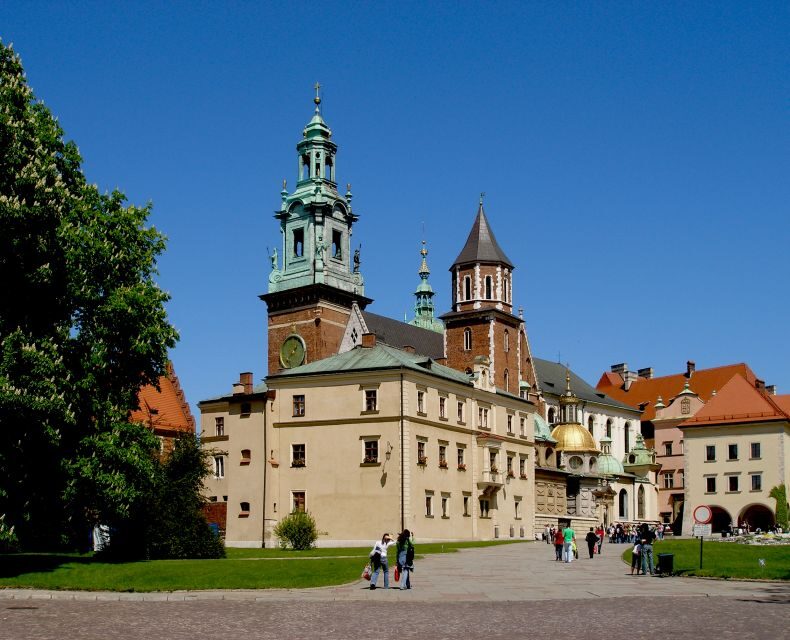
Walking from the castle into the cathedral is like switching genres. The cathedral is Gothic, built for awe, and it carries the weight of real ceremonies: monarchs were crowned here, married here, and buried here.
This is the part of the tour I’d tell art-and-history fans not to skip, because it’s where objects become personal. A painting can be impressive. A chapel tied to royal life and death is something else.
What you’ll actually notice inside
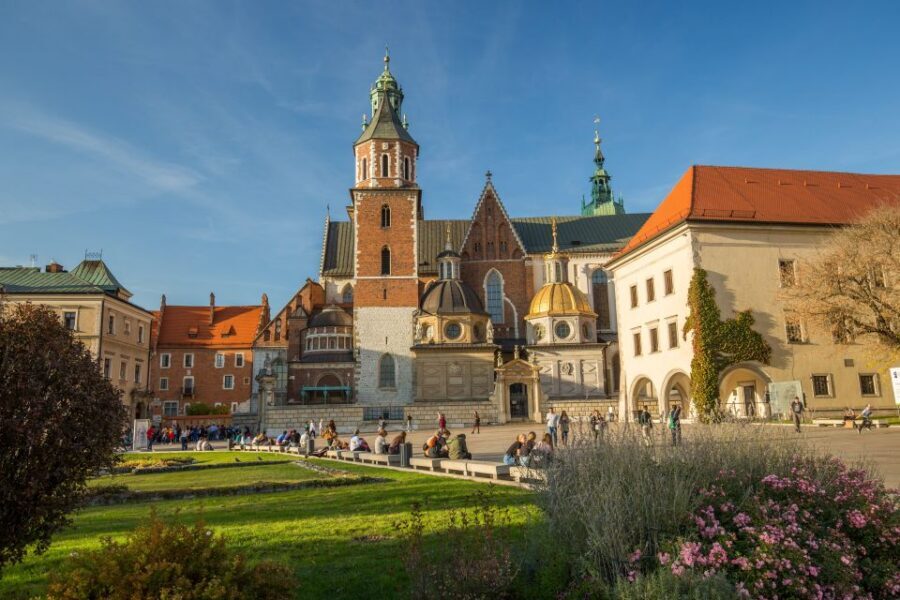
Expect to admire ornate chapels and striking details, including golden-domed elements. You’ll also get a clear sense of what people were doing there and why Wawel Cathedral became the place for major moments of state and faith.
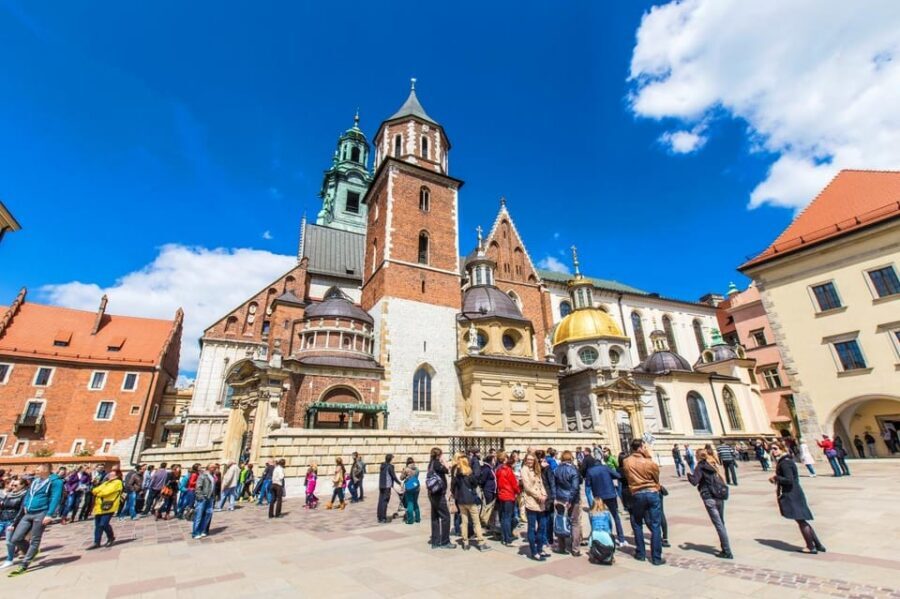
A detail worth planning for: crowds. Even with priority entry, cathedral access can feel tighter than the castle areas. The guide helps keep the group moving in the right order so you can see what you came for without spending your whole visit pressed against other people.
The royal crypts: where the story becomes grave and human
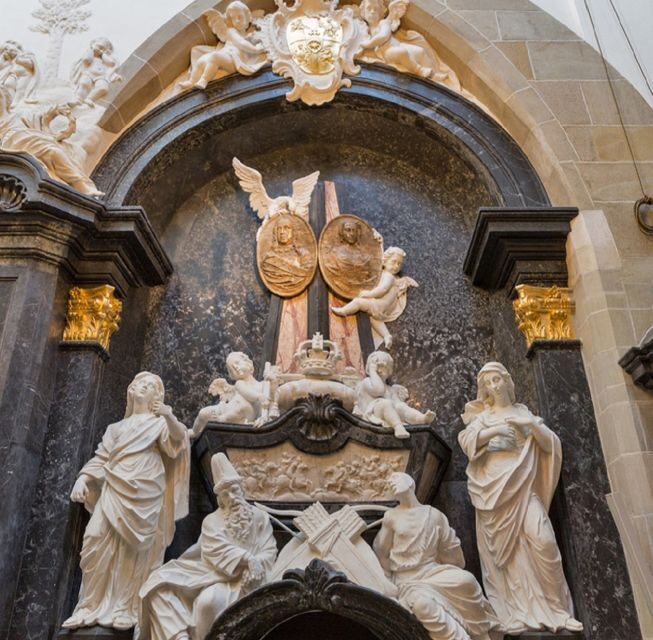
Near the end, you’ll go down to the royal crypts, where Poland’s most important rulers and visionaries are resting. If you like your history grounded—names, dates, legacies—this portion does the job.
It also changes how you read the cathedral above you. When you’ve seen where the rulers were laid to rest, the earlier stops feel less like architecture and more like a living institution of memory.
The tower climb and the Sigismund Bell: fun luck with real views
This tour builds to a payoff moment. You’ll climb to the tower for panoramic views of Krakow, and then you get the signature highlight: touching the Sigismund Bell for good luck.
This is one of those sites where the folklore is almost secondary to the experience. The bell moment gives you a quick break in the middle of a history-heavy tour, and the view afterward is the kind of payoff that makes the effort feel worth it—because suddenly you understand Wawel’s position in the city.
One tip: if you want photos, plan to take a few right away at the tower rather than waiting until the crowd shifts. Tower time is not long, and it’s easier to manage if you think in snapshots rather than a full photoshoot.
Group size, headsets, and the single-language rule
This is a group tour with a clear cap: maximum 30 participants. The tour also runs in a single language chosen at booking, so you won’t have that awkward mix of half-translated facts.
If your group is 9 or more guests, you’ll get headsets. That matters more than it sounds. Wawel spaces can be echo-y and crowded. Headsets help you hear the guide clearly and keep your eyes on what you’re looking at instead of searching for the speaker.
In general, the guides do a lot of work to keep the pace steady. People often love the timing and the fact that you see different aspects without feeling rushed into nothingness.
Price and value: why $57 often feels fair here
At $57 per person for a 2-hour tour, this sits in the range where you should ask: what are you paying for?
Here, the money goes to three practical things:
- A licensed local guide focused on royal history and the meaning behind the rooms
- Priority access so you don’t burn your visit in ticket lines
- Entrance fee to Wawel Cathedral included, plus a fast-track exhibition into one permanent display
When you compare that to doing it on your own, the guide is the real value. Wawel can be visually stunning but information-heavy. Without a guide, you might see plenty and understand less than you hoped. With the guide, you leave with a coherent story—who mattered, what ceremonies meant, and why the collections have the shape they do.
Is it expensive for some budgets? Sure. Is it good value for the time you have in Krakow? Usually yes, especially if you care about history and want to get your bearings fast on a complex site.
Who should book this, and who might want a different plan
This tour is a strong fit if you:
- want to understand Wawel beyond the postcard view
- care about both art collections and architecture
- like walking tours where the guide turns rooms into a story
- want a guided overview in a short window of time
It may be less ideal if you:
- plan to linger for long minutes per room and want a slow, museum-style day
- mostly want quiet wandering without group pacing
- are hoping to see a lot of rooms in the castle that feel like everyday royal living spaces
But even then, the cathedral portion and the tower view tend to be the pieces people remember, especially once the crypts enter the picture.
Tips to get more out of a 2-hour Wawel visit
Here’s how I’d make your time count:
- Wear shoes you can stand in for a while. You’ll be in and out of rooms and levels.
- Bring clothing that meets the worship/museum dress expectations: shoulders and knees covered.
- If you’re serious about photos, set a quick plan: a few shots at the tower, a couple in the main cathedral areas, and don’t wait for the perfect moment.
- Be ready for a packed schedule. This tour covers major stops efficiently, so focus on what the guide explains rather than trying to absorb every detail independently.
Guides like Helena, Anna, and Joanna often get praised for pacing and clarity. That’s your best clue that the tour design aims to make dense information feel manageable.
Should you book this Wawel Castle and Cathedral guided tour?
If you want the most meaningful first visit to Wawel—castle plus cathedral in one run—this is an easy yes. The skip-the-line approach is practical, and the structure gives you more understanding than you’d get by going solo, especially in the castle collections.
I’d say book it if you care about context: monarchs, coronations, tombs, and the meaning behind what you’re seeing. I’d hesitate only if you strongly prefer slow museum wandering and already plan to study Wawel for a whole day on your own.
For most people visiting Krakow with limited time, Wawel like this is a top-value use of two hours.
FAQ
How long is the Krakow Wawel Castle and Cathedral guided tour?
The tour lasts 2 hours.
Where do I meet the guide?
Meet your guide on St. Mary Magdalene Square at the Piotr Skarga Monument. The guide will hold a Wawel Castle & Cathedral Guided Tour sign.
Does the tour include skip-the-line access?
Yes. You get skip-the-ticket line access.
What’s included in the price?
It includes a guided tour with a certified local expert, fast-track access to one permanent Wawel Castle exhibition (availability varies), and the entrance fee to Wawel Cathedral. Headsets are provided for groups of 9 or more.
Which languages are offered?
The tour is available in English, German, French, Polish, Italian, and Spanish.
Is there a dress code?
Yes. In places of worship and selected museums, you must cover shoulders and knees. Shorts and sleeveless tops aren’t permitted.
What time should I arrive at the meeting point?
Arrive at least 10 minutes early. If the group has entered, you won’t be able to join late, and tickets are non-refundable.
Can I cancel and get a refund?
Yes. Free cancellation is available up to 24 hours in advance for a full refund.