REVIEW · KRAKOW
From Krakow: Auschwitz-Birkenau Camp Complex Guided Day Trip
Book on GetYourGuide →Operated by Cracovia Viaggi Local Tours. · Bookable on GetYourGuide
This day trip doesn’t let you look away. The Auschwitz-Birkenau complex is heavy history, but a guided walk helps you understand what you’re seeing and why it matters. I like how the route moves you from the main camp to Birkenau with built-in moments for reflection at the memorials.
I especially love two things: first, how the Italian live guide explains the camp’s setup and roles, including what the area became before it was a concentration camp. Second, you get to see the evidence up close through the everyday objects left behind, like shoes, suitcases, and glasses.
One drawback to plan for: it’s a long, emotional day (about 7 hours), and food and drinks aren’t included, so you’ll want to bring a simple plan for keeping your energy up.
In This Review
- Key things to know before you go
- Auschwitz-Birkenau from Krakow: why a guided day trip works
- Pickup in Krakow and the ride to Auschwitz
- Auschwitz main camp: from military use to the entrance gate
- What you’ll see inside: artifacts that make it real
- Birkenau: gas chambers, crematoria, and the memorial spaces
- How Monowitz fits in: survival wasn’t the same everywhere
- The pace and timing: what 7 hours feels like in real life
- Price and value: what you’re paying for at $83
- What’s included on the ground (and what isn’t)
- What to bring, what not to bring, and site rules that matter
- Language: Italian guide and how that affects your experience
- Who this Auschwitz-Birkenau day trip is best for
- Should you book? My practical recommendation
- FAQ
- How long is the Auschwitz-Birkenau guided day trip from Krakow?
- What does the price include?
- Are food and drinks included?
- What language is the live tour guide?
- Is pickup included in Krakow?
- When will I get the exact departure time?
- What should I bring?
- What items are not allowed?
- Can I cancel and get a full refund?
- What if the opening hours change?
Key things to know before you go
- Italian guide, on-site direction: You’ll have live interpretation, plus optional Italian audio if you want extra help.
- Private transportation from Krakow: Pickup is included, and you get clear vehicle details ahead of time.
- Auschwitz first, then Birkenau: The itinerary is paced to connect how the system worked.
- The human scale of artifacts: Photographs and documents, plus personal belongings, turn history from dates into people.
- Time for memorial reflection: You don’t just “tour” the site—you pause and process.
Auschwitz-Birkenau from Krakow: why a guided day trip works
Auschwitz-Birkenau is not the kind of place you should freestyle. The grounds are enormous, the details can feel overwhelming, and it’s easy to miss the meaning behind what’s displayed. A good guided day trip from Krakow keeps you oriented while you take in the sights at a respectful pace.
What I like about this format is that you’re not just dropped at entrances and left to figure it out. You ride with private transportation, and your guide gives the structure: how the camps were created, what jobs different areas served, and how the day-to-day reality played out in different sections, including Monowitz. That context matters because it turns scattered exhibits into one story.
Also, the timing helps. One of the most praised elements of the experience is that the group starts early enough to reduce hassle at the gate. Less time stuck waiting means more time walking with purpose.
You can also read our reviews of more guided tours in Krakow
Pickup in Krakow and the ride to Auschwitz
You start with pickup in Krakow, and the logistics are built for “show up and go.” You receive a photo of the vehicle in advance, then the exact departure time is sent via WhatsApp the day before by 6:30 pm. That kind of clear communication helps a lot when you’re traveling solo or juggling a tight schedule.
The ride is about 45 kilometers to reach the former main camp in Auschwitz. This short travel distance is a practical advantage: it keeps the day from getting eaten up by transport, so you still have time for the full sequence—Auschim, Birkenau, and the reflective memorial areas—before returning to Krakow.
The transportation itself is private, using a touring bus setup. You’ll have a comfortable seat for a long day, but remember: you’re going to walk a lot once you arrive.
Auschwitz main camp: from military use to the entrance gate
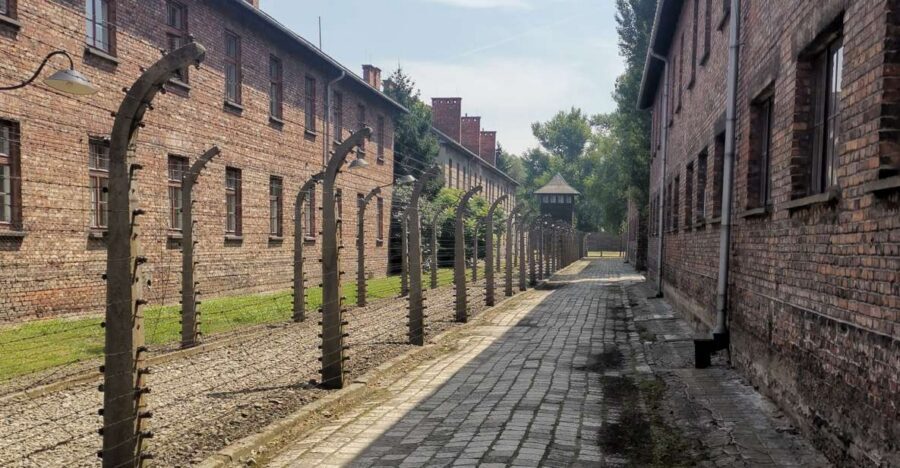
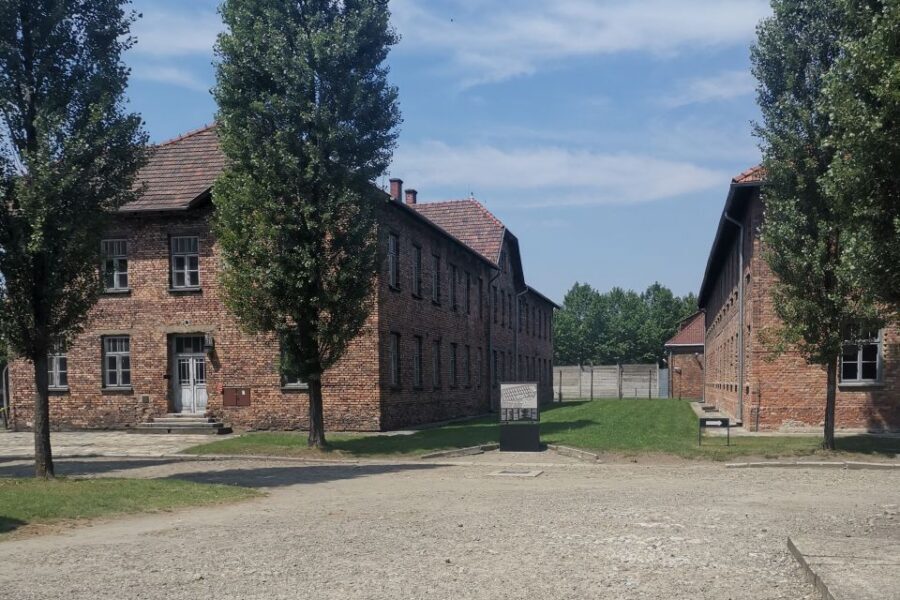
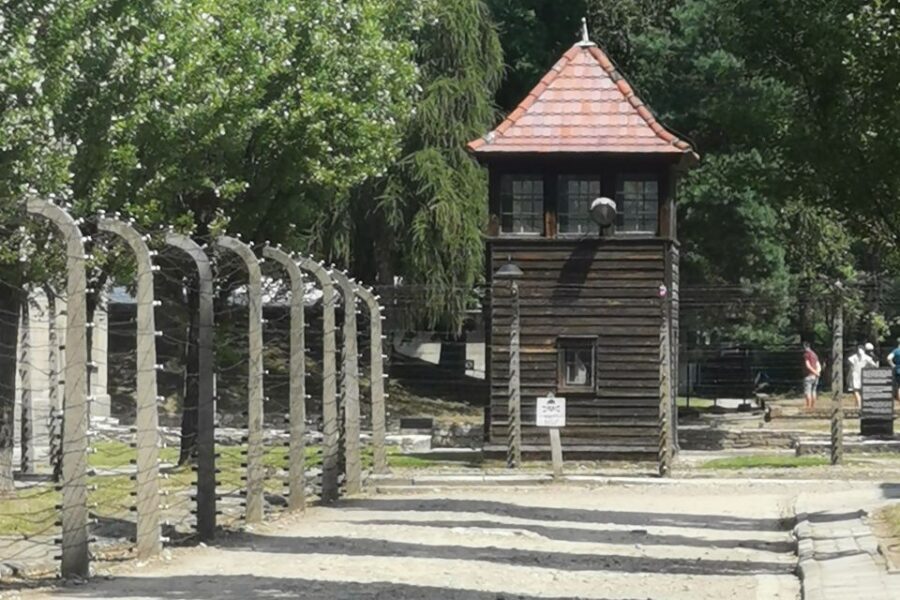
Your first stop is the former main camp at Auschwitz. This is where the story often becomes most concrete, because the layout and the preserved areas help you see how the system organized people’s lives.
Your guide explains the site’s origins and roles, including that the camp grounds were used as barracks for the Polish military before their later transformation. That detail is easy to gloss over when you only think of Auschwitz as a single, instant event. Hearing it in context makes the later atrocity feel even more chilling: this didn’t begin from nowhere.
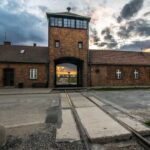
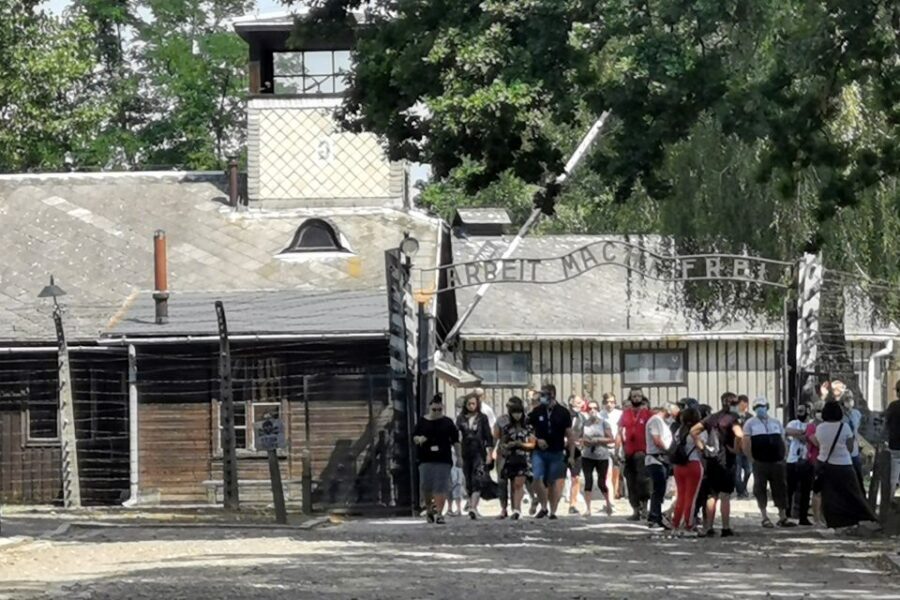
At the entrance, you’ll notice the famous gate with Arbeit macht frei above it. The point isn’t just recognizing the words. Your guide helps you understand the cruel intent behind the message and how such signage functioned as propaganda. Walking under it with a guide’s framing turns it from a photo op into a moral gut-punch.
What you’ll see inside: artifacts that make it real
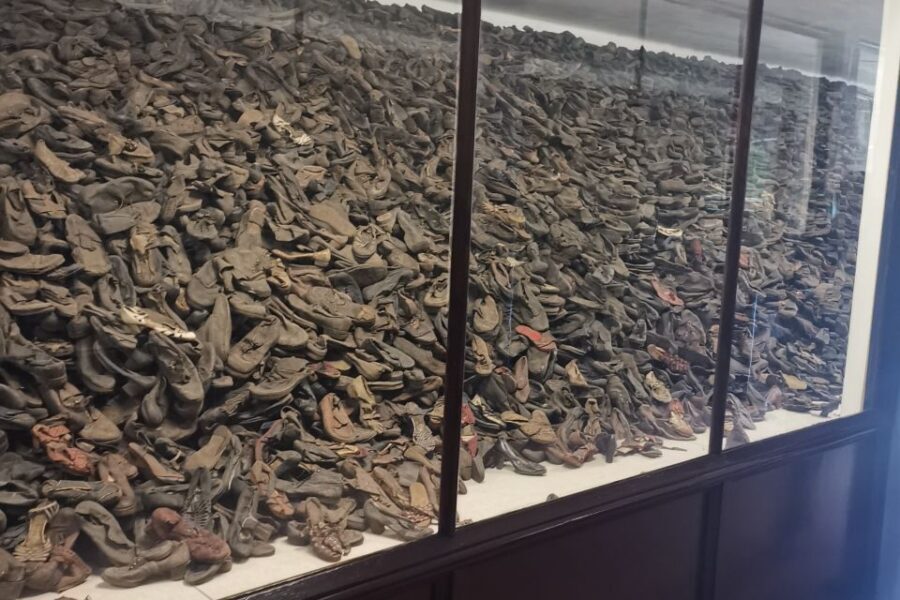
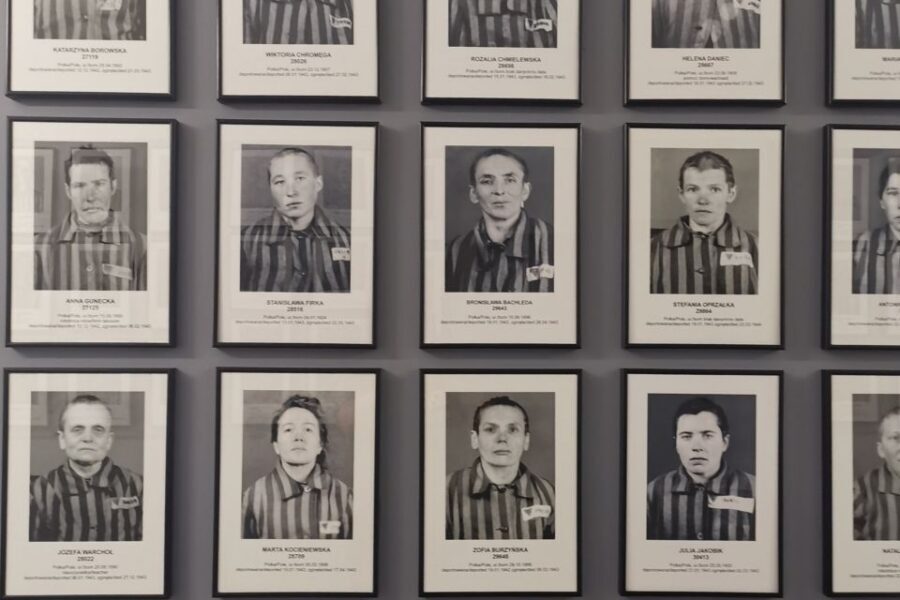
In the prisoner blocks, the exhibits focus on what people carried—or couldn’t carry—with them when they were forced into the system. You’ll see artifacts and personal effects, including items like shoes, suitcases, and glasses. There are also photographs and documents, which help connect individual objects to the wider machinery of persecution.
This is one of the most powerful parts of the experience. It’s not abstract. You’re looking at everyday things that were stripped from human beings. A guided approach matters here because the guide helps you connect what you’re looking at to how prisoners lived, how the camp functioned, and what the objects represent.
A practical note: plan for this area to hit you emotionally. It’s quiet in many sections, and you’ll likely want a moment to steady yourself before continuing.
Birkenau: gas chambers, crematoria, and the memorial spaces
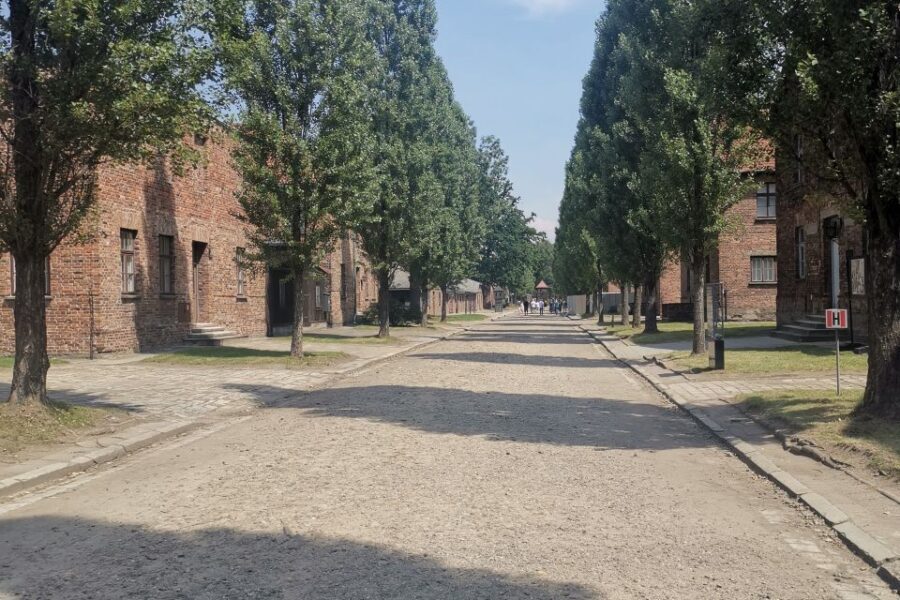
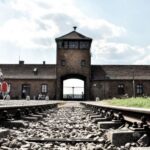
After Auschwitz, you’ll travel a short distance to Birkenau. Birkenau is where the scale becomes hard to absorb and the purpose of the system shows itself in the layout and preserved remnants.
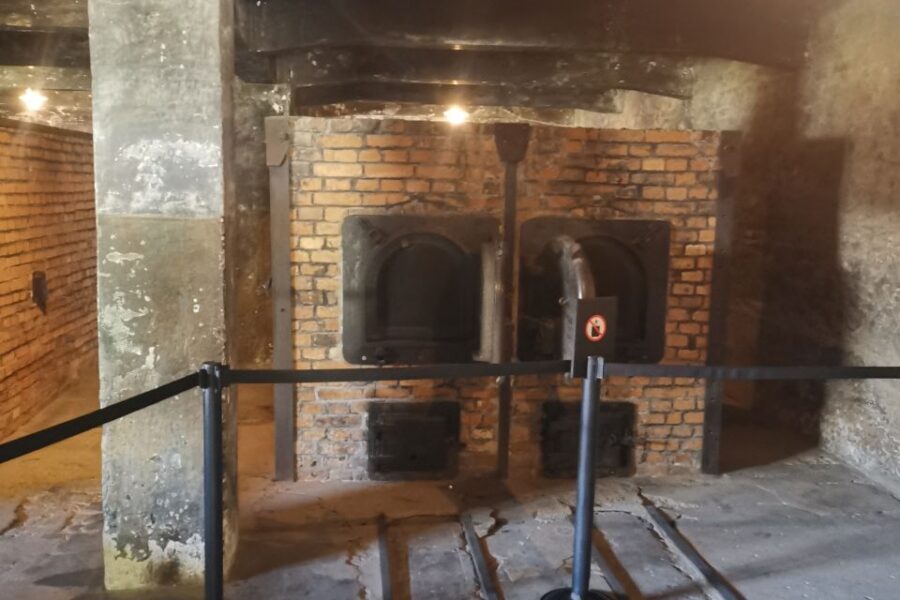
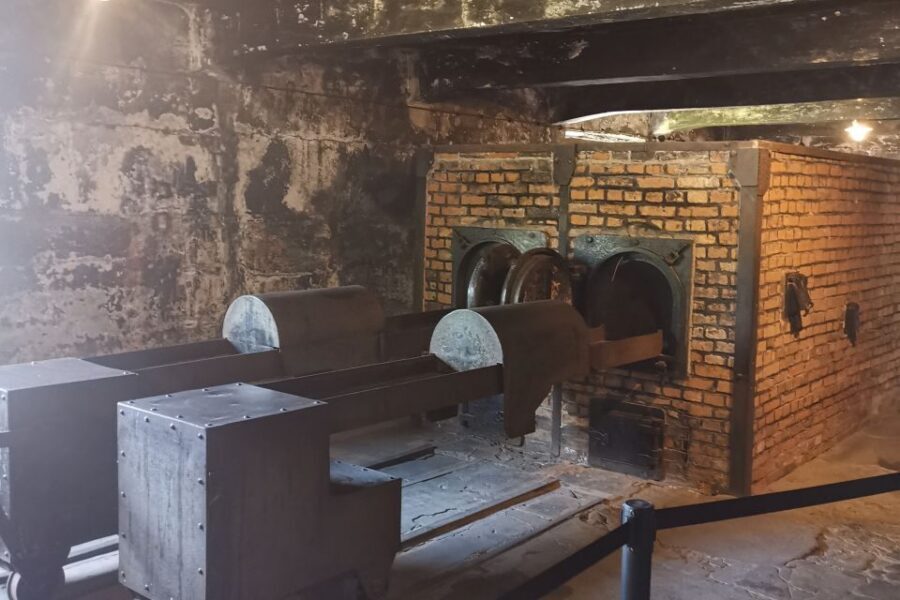
Your itinerary includes time to see the gas chambers and crematoria. That doesn’t mean you’ll get a “tour version” of tragedy. A good guide keeps the focus on the victims and the reality of what happened. As you move around the grounds and the memorials, you’re given a chance to reflect rather than just march forward.
Birkenau can feel more exposed and spread out than Auschwitz. So if you’re the type who gets distracted by noise, bring a mindset for slowing down. Let the space do its work.
You can also read our reviews of more tours and experiences in Krakow

How Monowitz fits in: survival wasn’t the same everywhere
One highlight of this trip is learning how people survived in their day-to-day lives at Monowitz. The itinerary you’ll follow centers on Auschwitz and Birkenau, but your guide’s explanations are meant to connect those places to the broader network.
That’s important because Auschwitz-Birkenau is often described as one site in casual conversation. In reality, the system stretched across different camps and functions, and living conditions varied by role and location. When your guide brings in Monowitz, it helps you understand that survival strategies weren’t heroic movie moments—they were often brutal, exhausting attempts to endure.
If you want to leave the tour with a clearer worldview, this is one of the key mental shifts. You’re not just remembering the machinery of death. You’re seeing the whole system, including the daily struggle to stay alive.
The pace and timing: what 7 hours feels like in real life
This trip lasts about 7 hours, from pickup through the return to Krakow. Seven hours can sound manageable until you factor in the walking, the emotional intensity, and the time your guide needs to explain what you’re seeing.
You’ll likely spend meaningful chunks of time at:
- Auschwitz main camp, including the entrance area and prisoner blocks with artifacts
- Birkenau, including the gas chambers/crematoria area and memorial sites
The best part of this pacing is that it doesn’t try to crush everything into 90 minutes. You get enough time to move slowly, take in details, and still return before your evening plans.
Price and value: what you’re paying for at $83
The price is $83 per person for a guided day trip with private transport. That can feel steep at first glance, until you tally what’s included.
You’re getting:
- Entry tickets
- Private transportation
- A guided tour
- On-site assistance
Food and drinks aren’t included, so you’ll want to plan for that separately. But compared to cobbling together a rental car or public transport plus tickets plus a proper guide, this package is often better value—especially if you’re starting from Krakow and want a smooth, time-efficient day.
The other value point is timing. Early entry with less waiting, when it’s possible, makes the experience feel more respectful and less stressful. You don’t burn your energy on logistics while you’re trying to take in something life-altering.
What’s included on the ground (and what isn’t)
On the included side, the key practical items are the tickets, the guide, and the transport. Your guide is Italian, and there’s also an optional audio guide in Italian if you want it.
What’s not included is food and drinks. That’s not a small detail here. When you’re walking and reflecting for hours, you’ll want water and a snack so your body doesn’t derail your attention.
I’d also plan your clothing and items like you’re visiting a museum with rules and a memorial with no distractions. Shoes matter.
What to bring, what not to bring, and site rules that matter
Bring:
- Your passport or ID card
- Comfortable shoes (you’ll walk)
Don’t bring:
- Oversize luggage
- Smoking
- Luggage or large bags
- Pets (assistance dogs are allowed)
- Flash photography
- Alcohol and drugs
These rules aren’t just about convenience. Large bags and flash photography can disrupt the tone. Plan to travel light so you spend your time looking forward, not managing belongings.
Also keep in mind opening hours can change. So don’t assume the schedule will be identical every day—expect some flexibility on the day of your visit.
Language: Italian guide and how that affects your experience
This tour runs with a live Italian guide. If you understand Italian well enough to follow a spoken narrative, you’ll get the full benefit of the explanations and transitions between Auschwitz and Birkenau.
If your Italian is limited, the optional Italian audio guide can help you keep up with key points. You’ll still be able to see the displays and the memorials clearly, but the guide’s role is what ties the objects and locations together into one coherent story.
If you’re not comfortable with Italian, you’ll have to decide whether you want to rely on your own reading on-site or bring additional language support. The tour is designed around Italian interpretation.
Who this Auschwitz-Birkenau day trip is best for
You’ll likely enjoy this trip most if you want:
- A structured visit with context, not just a self-guided walk
- Private transport that saves time and stress
- A guide-led focus on evidence left behind, including personal objects and documents
- A paced itinerary that gives room to reflect at memorial areas
It’s also a good option for people who don’t want to deal with complicated timing on their own. The messaging about pickup and the clear meetup details reduce the risk of wasted hours before the tour even starts.
If you’re very sensitive to emotionally intense history, plan extra time for your own processing. This is not the kind of trip that wipes clean after dinner.
Should you book? My practical recommendation
I think this is worth booking if you want a guided Auschwitz-Birkenau day trip from Krakow that balances seeing the sites with understanding what they represent. The package value is strong because you get tickets, private transport, and a live Italian guide, plus on-site help.
Book it if you can handle a long, heavy day and you’re ready to walk and reflect for hours. Plan for comfortable shoes, light packing, and some simple food planning since meals and drinks aren’t included.
Skip it only if you’re looking for a relaxed sightseeing day or you strongly prefer self-guided flexibility. The site deserves structure, and this tour delivers it.
FAQ
How long is the Auschwitz-Birkenau guided day trip from Krakow?
The duration is about 7 hours.
What does the price include?
It includes entry tickets, private transportation, a guided tour, and on-site assistance.
Are food and drinks included?
No. Food and drinks are not included.
What language is the live tour guide?
The live tour guide is Italian. There is also an optional audio guide in Italian.
Is pickup included in Krakow?
Yes. Pickup is included, and you’ll receive a photo of the vehicle the day before the tour.
When will I get the exact departure time?
The exact departure time is communicated via WhatsApp one day before the visit by 6:30 pm.
What should I bring?
Bring your passport or ID card and comfortable shoes.
What items are not allowed?
Oversize luggage and luggage or large bags are not allowed. Flash photography, smoking, pets (assistance dogs allowed), and alcohol or drugs are also not allowed.
Can I cancel and get a full refund?
Yes. You can cancel up to 24 hours in advance for a full refund.
What if the opening hours change?
Opening hours are subject to change, so it’s best to be flexible around the visit timing.