REVIEW · KRAKOW
Auschwitz and Birkenau Tour with Hotel Pick up from Krakow
Book on Viator →Operated by GR8WAY · Bookable on Viator
This is one of Europe’s hardest days. The Auschwitz and Birkenau trip from Krakow is interesting because you’re seeing the actual camp sites—Auschwitz I and Birkenau—while an English guide explains what happened and how prisoners lived. You’re not just reading plaques; you’re moving past places tied to the Nazi system, including barracks and memorial objects.
What I really like is that the tour is built for clarity: headsets help you hear the guide even when the group is surrounded by hundreds of other visitors. The main drawback is timing and pacing. Museum entry can run on the museum’s schedule, and you’ll spend much of the day outdoors, so you need to handle very early pickups and cold, open-air waiting without expecting lots of flexibility.
In This Review
- Key Things to Know Before You Go
- Auschwitz I and Birkenau: Why This Two-Camp Layout Matters
- Getting From Krakow: Pickup Windows, Shared Transport, and Headsets
- Timing and Pacing: The Museum Schedule Runs the Day
- Auschwitz I Stop: Authentic Remains and a Guided Walk With Rules
- Birkenau Memorial: Gas Chambers, Crematoria, and the Outdoors Factor
- Tickets, ID, and Your Bag Size: The Little Details That Avoid Big Headaches
- Price and Value: What $120.36 Buys You (and What It Can’t Fix)
- What to Expect From the Guide and the Group Size
- Should You Book This Auschwitz and Birkenau Tour?
- FAQ
- How long is the Auschwitz and Birkenau tour from Krakow?
- Is hotel pickup included?
- Are admission tickets included?
- What time will I be picked up?
- Do I need ID to enter the museum?
- What bag size is allowed?
- How much time is spent outdoors?
- Can I cancel for a full refund?
Key Things to Know Before You Go
- Hotel pickup by shared transfer: comfortable ride, but direct pickup may not be possible for some Old Town hotels.
- English guidance with headsets: easier listening during heavy, fast-moving walkthroughs.
- Two sites, two tempos: Auschwitz I takes longer, Birkenau is shorter but more spread out.
- You can’t tour at your own speed: the pace is dictated by the museum and the group schedule.
- Weather is real: up to 70% outdoors, especially at Birkenau—dress for cold and wind.
- Carry ID and plan luggage smartly: bring ID, and limit bags to 30x20x10 cm.
Auschwitz I and Birkenau: Why This Two-Camp Layout Matters
If you’re doing Auschwitz in a half day, the big win is that you get the full arc of what most visitors come to understand: the system started in Auschwitz I and expanded into Birkenau. The day is set up so you can compare what you see in both places instead of treating it like one single stop.
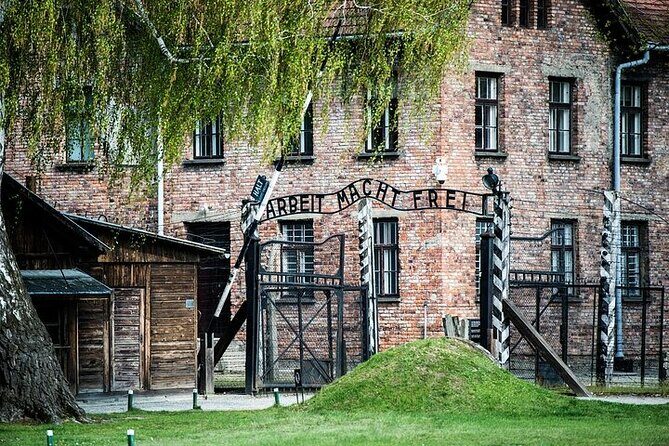
Auschwitz I is presented as the authentic core of the story—the State Museum areas tied to how the Nazis carried out mass persecution. You’ll be looking at the remains and memorial context that help explain the meaning of the site for Europe and for the world. Expect a serious, rule-based visit, where you’ll need to slow down even if the group flow is steady.
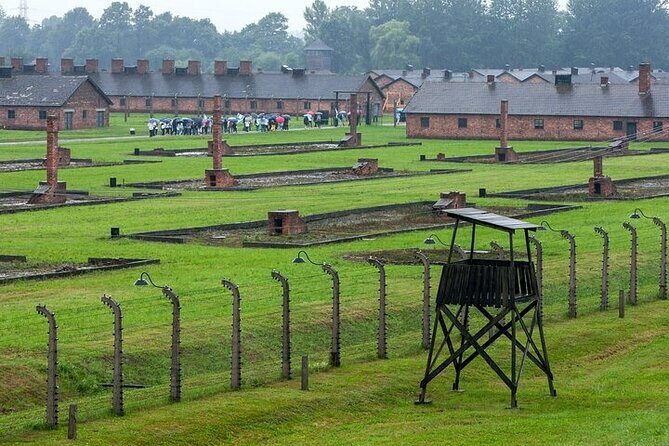
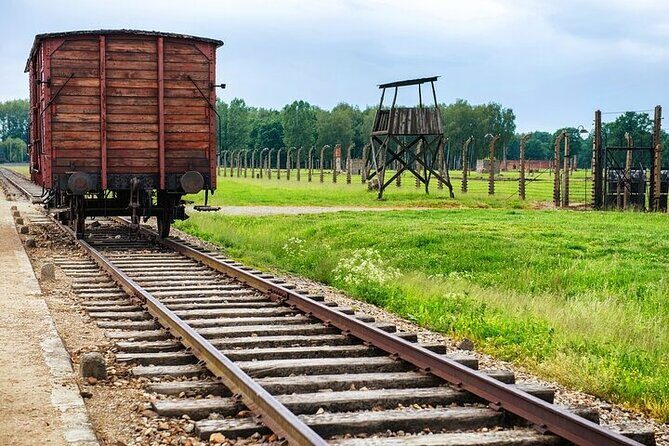
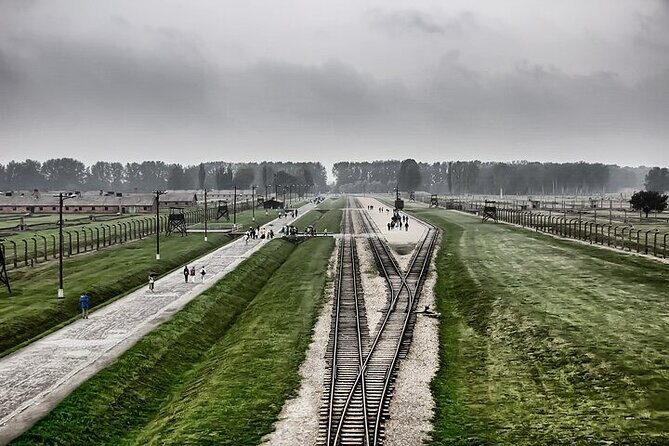
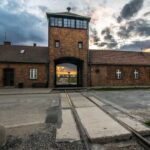
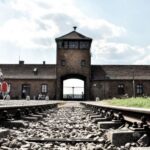
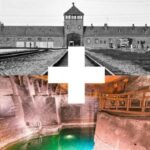
Then Birkenau (Auschwitz II) shifts the feeling. It’s framed as a memorial and museum visit focused on the camp structures and objects linked to imprisonment and Nazi killing operations, with barracks, gas chambers, crematoria, and the railroad ramp all part of the route. This camp is where the scale can hit you hardest, because there’s more open space and the air itself feels less protected—again, something you’ll feel as a reality, not just an idea.
The tradeoff of a two-camp route in one day is that you’ll be moving on schedule. You won’t have long, quiet, self-directed time for wandering. But you will leave with a more complete picture than a single-site visit.
You can also read our reviews of more tours and experiences in Krakow.
Getting From Krakow: Pickup Windows, Shared Transport, and Headsets
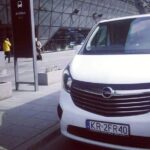
The logistics here are the difference between a smooth day and a miserable one. You’re on a shared transfer in an air-conditioned vehicle, and you’re offered hotel pickup when possible. That’s a genuine convenience in Krakow, especially if you don’t want to navigate early buses or handle parking and timing on your own.
One key detail: pickup times are flexible. You can be picked up from your selected location between 4:00am and 1:30pm, depending on museum availability. The operator says they’ll inform you of the final pickup time at least 12 hours prior, but based on patterns people report from past experiences, I’d still treat your schedule as “early and changeable” until the day before and the morning of the tour. The safe move is to keep your morning calm and avoid plans that assume a fixed hour down to the minute.
Headsets are included, which sounds small until you’re in a noisy museum environment. They help you actually hear the English guide while your group is walking and other visitors are around. That matters a lot in Auschwitz, because the explanations are not optional background—they’re part of understanding what you’re seeing.
Also note the meeting point: the tour starts at Floriana Straszewskiego 14, Kraków. In practice, your pickup may be from a nearby point if your hotel is in a restricted traffic zone in Old Town. So do yourself a favor: confirm the pickup point you’re assigned and plan how you’ll get there if direct pickup isn’t possible.
Timing and Pacing: The Museum Schedule Runs the Day
This is not a “take your time” experience. The tour info is clear that there are hundreds of visitors daily and keeping your own pace isn’t possible. So instead of planning for slow wandering, plan for guided momentum.
Here’s how the structure usually feels:
- You’ll have an organized route where the guide keeps the group moving.
- You’ll get a set amount of time for Auschwitz I and then a shorter block for Birkenau.
- You might encounter crowded stretches, especially around the most photographed and most meaningful elements of the route.
In my view, this is where planning helps your mental experience. If you expect silence and long pauses, the schedule can feel tense. If you expect a guided and crowded route, you can focus on listening and absorbing details instead of wrestling with the flow.
One more pacing reality: you’re spending a lot of time outdoors. The tour info says up to 70% of the time is outdoors, especially during the second part at Birkenau. That changes how the day feels. Even if you’re tough, your hands and legs can get cold fast. Dress for the weather you’ll actually face at camp—not just what it says on your phone in the morning.
Auschwitz I Stop: Authentic Remains and a Guided Walk With Rules
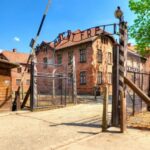
Auschwitz I is your longer stop (about 3 hours), and it’s where the tour leans hardest into the authenticity of the site. You’ll be visiting the State Museum areas tied to the Nazis’ crimes against millions of people, mostly Jews, as well as Poles and Roma.
What makes this stop valuable is that it’s framed as more than an exhibit. The camp is presented as a symbol of terror and as part of Holocaust memory. The tour encourages solemn behavior and respect, and you’ll see rules for how visitors should act. If you’re tempted to treat it like a normal museum outing—this is where that idea has to change.
During Auschwitz I, you’ll also encounter key elements that anchor the story in physical place:
- barracks and camp remains,
- watchtower references,
- and the railway ramp area connections (depending on the route inside the museum grounds).
The emotional weight of Auschwitz I can be intense, so I recommend one simple strategy: keep your phone away unless you’re taking the specific notes you’ll later use to process what you saw. The guide’s job is to explain what you’re looking at; your job is to listen and follow the group—even when the subject is heavy.
A practical consideration: since there are rules and strict entry procedures, it helps to arrive with your ID ready and your bag situation under control. The smoother your check-in is, the more energy you’ll have for the actual visit.
Birkenau Memorial: Gas Chambers, Crematoria, and the Outdoors Factor
Birkenau is the camp stop that many people remember even after the photos fade. It’s about 1 hour in the schedule, but don’t let the short time fool you. It’s a memorial and museum visit focused on objects and structures tied to imprisonment and Nazi killing operations.
Expect to see or pass by:
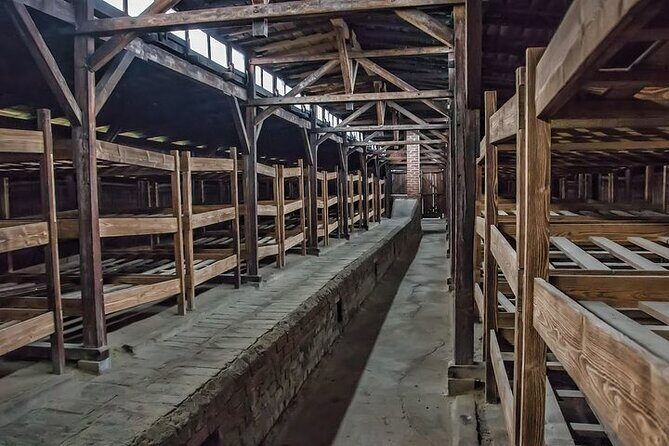
- barracks,
- gas chamber and crematoria memorial sites,
- and the railroad ramp,
along with other objects connected to the history of the place.
This is where the outdoors part matters most. The tour states you’ll spend up to 70% outdoors overall, and Birkenau is specifically called out as being especially outdoors-heavy. So bring layers you can actually move in. Think hat/hood, gloves, and a warm top you can keep on. Even in fair weather, the open camp setting can feel colder and windier than the city.
Because the Birkenau block is shorter, you’ll want to be mentally ready when you get there. You won’t have time for long “let me re-read everything” moments. Instead, use that hour to look steadily, listen carefully, and accept that some areas are spread out and crowded. The guide will help you connect the physical remains to the human story.
One more practical point: there’s a strong chance you’ll hear other languages around you. This tour is in English, and headsets are included, but the overall site is multilingual. So focus on your headset audio and don’t rely on signage alone.
Tickets, ID, and Your Bag Size: The Little Details That Avoid Big Headaches
This tour includes admission tickets, and you’ll have a mobile ticket. But ticket inclusion does not automatically mean a completely frictionless day—museum entry and routes can still be paced by onsite management.
What you can control is your paperwork and your luggage.
You must bring an ID document. The tour also says you need to provide the full names of all participants to the tour provider; otherwise, entry can be refused. That’s a big deal. If you’re traveling with someone whose passport name doesn’t match what you gave, fix it before you go.
Your bag limits are also strict: each traveler is allowed a maximum baggage size of 30x20x10 cm (roughly A4 paper size). If you have something bigger, you can leave it in the locked bus parked next to the museum, and the driver will look after your luggage while you’re away.
This is one of those “it feels like a hassle until it saves you” rules. Pack a small day-bag:
- phone charger if you use your phone,
- ID,
- a warm layer,
- and maybe water if it’s allowed and fits your plan (food and drinks aren’t included on this tour, so you’ll want to handle that separately).
Price and Value: What $120.36 Buys You (and What It Can’t Fix)
At about $120.36 per person for a 7–8 hour day with pickup, English guidance, and tickets included, you’re paying for three things: time saved in logistics, guided interpretation, and transportation comfort.
You’re not paying for a private, slow-paced experience. This is a maximum 30 travelers shared-group format, and the day is built around museum scheduling. That’s also why it can be good value: you’re getting transport and guidance without needing to plan entry slots, route timing, and getting yourself there early.
Where the value gets complicated is the one part you can’t fully pay your way around: the camp schedule and visitor volume. Auschwitz is one of the most visited memorials in the world, and the tour itself notes that keeping your own pace isn’t possible. That means you’ll often trade flexibility for structure.
If your top priority is “minimize waiting and maximize certainty,” you should treat this tour as a guided route that still depends on how the museum manages entry that day. I’d also plan for the possibility of a queue outside ticketing areas, because even when tickets are included, onsite entry procedures can still take time.
For me, the value makes sense if you want:
- a guided English explanation,
- a door-to-door-ish experience from Krakow,
- and the comfort of a shared ride early in the morning.
What to Expect From the Guide and the Group Size
The tour includes an English guide and headsets, which makes a big difference in how much you actually understand. You’re not just looking at remains; you’re hearing the story of conditions and the lived reality of prisoners, plus explanations tied to what remains you’re seeing.
With a group capped at 30, the group dynamics usually feel manageable. You’ll still be in crowds, but it’s not a huge bus with a giant swarm.
One extra detail from past experiences: the driver quality can vary by departure, and there have been reports of a driver named Jan being described positively when things run smoothly. I can’t promise a specific driver for your date, but it’s another reason to keep your communication channels open and be ready for pickup changes.
Should You Book This Auschwitz and Birkenau Tour?
If you want a guided Auschwitz experience with transport from Krakow and you can handle early mornings, cold outdoor time, and a structured route, this type of tour can be a smart choice. For the money, you’re buying a clear, guided visit rather than trying to piece together all the logistics yourself.
But don’t book this if your schedule is fragile. Early pickup times can be very early, and while the tour info states you’ll get final pickup details at least 12 hours prior, some people report last-minute changes and delays in getting through the onsite process. If missing a connection, catching a train, or keeping a tight daily plan matters, give yourself buffer time—or consider a different setup that guarantees timing more strictly.
Overall: this is the kind of tour you take for the meaning and the guidance, not for convenience. If you go with the right expectations, you’ll get a powerful, organized route through two essential sites.
FAQ
How long is the Auschwitz and Birkenau tour from Krakow?
The tour lasts about 7 to 8 hours.
Is hotel pickup included?
Round-trip shared transfer is included, and pickup is offered. Some hotels in Kraków Old Town may be in restricted traffic areas, so pickup may be from the closest possible point.
Are admission tickets included?
Yes. Admission tickets are included for both Auschwitz I and the Birkenau memorial/museum portions.
What time will I be picked up?
Pickup can be between 4:00am and 1:30pm depending on museum availability. The final pickup time should be confirmed at least 12 hours before pickup.
Do I need ID to enter the museum?
Yes. Every visitor has to bring ID, and you also need to provide the full names of all participants at booking.
What bag size is allowed?
Each traveler is allowed a maximum bag size of 30x20x10 cm. If your bag is bigger, you can leave it in the locked bus parked next to the museum.
How much time is spent outdoors?
You’ll spend up to 70% of the time outdoors, especially during the Birkenau portion, so you should dress for the weather.
Can I cancel for a full refund?
Yes. You can cancel up to 24 hours in advance for a full refund. If you cancel less than 24 hours before the start time, the amount paid is not refunded.