REVIEW · KRAKOW
From Kraków: Wieliczka Salt Mine Guided Tour with Transport
Book on GetYourGuide →Operated by Zakopane City Tours · Bookable on GetYourGuide
Salt goes on for miles underground. I like the way the Wieliczka Salt Mine turns geology into a guided story you can walk through, from ancient shafts to salt lakes. And I especially like having an English-speaking guide who keeps the pace moving and the details clear.
You’ll follow a set 2-kilometer tourist route through 22 chambers, with sights that feel like art galleries made of rock. The one drawback to plan for is the physical side: you’ll do 800 steps in total on the way down and there can be crowding around the lift on busy days.
In This Review
- Key Highlights You’ll Notice Fast
- Wieliczka’s Underground World: 15 Million Years of Salt, Plus UNESCO Status
- The 2-Kilometer Tourist Route: 22 Chambers and the Story of Mining Life
- Where timing can feel tight
- Mining Machines, Salt Lakes, and Underground Details That Feel Real
- St. Kinga’s Chapel: Where the Mine Becomes Sculpture and Light
- Quick tip for this stop
- Steps, Lift, and the Real Physical Plan for Your Body
- Group pace matters
- Transport From Kraków: Comfort, Convenience, and a Smooth Half-Day Flow
- Lunch situation: plan to eat underground, or plan around it
- Skip the Ticket Line: Why This Format Often Feels Like Better Value
- The main extra you might spend
- Best Fit: Who Will Enjoy Wieliczka Most (and Who Might Want to Think Twice)
- Consider this before booking
- Quick Planning Notes: Season, Weather, and What to Bring
- Should You Book This Guided Salt Mine Tour From Kraków?
- FAQ
- What does this tour include?
- How long should I plan for?
- How many steps are involved?
- Is there a lift to get back to the surface?
- Do I need to pay for taking photos?
- What temperature is it inside the salt mine?
Key Highlights You’ll Notice Fast
- A real underground 2 km route: 22 chambers linked by galleries, not a show set up at the surface.
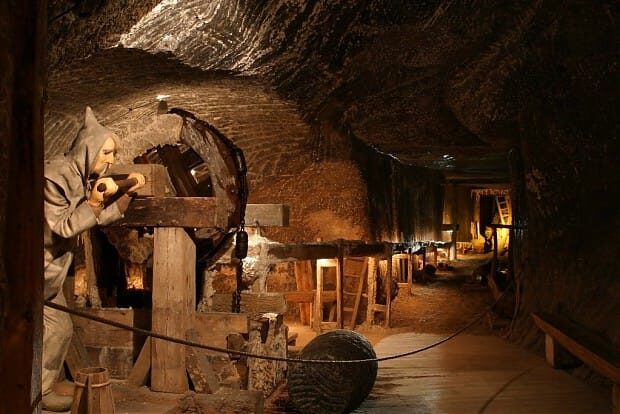
- Mining machines and equipment: you see how salt extraction worked, not just polished souvenirs.
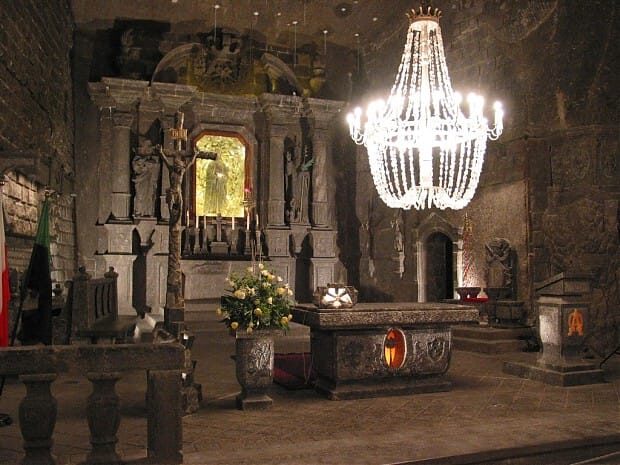
- St. Kinga’s chapel: opulent salt sculptures and the most memorable stop in the complex.
- Steady cabin-like temperatures: plan for 14–15°C year-round inside.
- Lift back to the surface: a real ride, not just stairs all the way up.
- Guides with personality: guides like Sebastian, Vladimir, and Jacob show up in many tour experiences.
Wieliczka’s Underground World: 15 Million Years of Salt, Plus UNESCO Status
Wieliczka Salt Mine is one of those places where the scale hits you immediately. The salt here formed naturally about 15 million years ago, and centuries of mining turned the mine into something close to an underground city.
As you go deeper, you’ll feel why the mine has always attracted more than industry folks. During almost nine centuries of exploitation, Wieliczka developed into a complex labyrinth with 300+ kilometers of galleries, 3,000 chambers, and a last level reaching 327 meters underground. It also became a destination as early as the 15th century, when people visited it as a cultural and geological phenomenon, not only to work.
The UNESCO World Heritage angle matters because it’s not just about one pretty chapel. In practice, it often means the visit is organized with care: clear guided stops, preservation-minded routes, and a strong focus on explaining how the mine grew into today’s underground “community” of chambers.
You can also read our reviews of more guided tours in Krakow


The 2-Kilometer Tourist Route: 22 Chambers and the Story of Mining Life
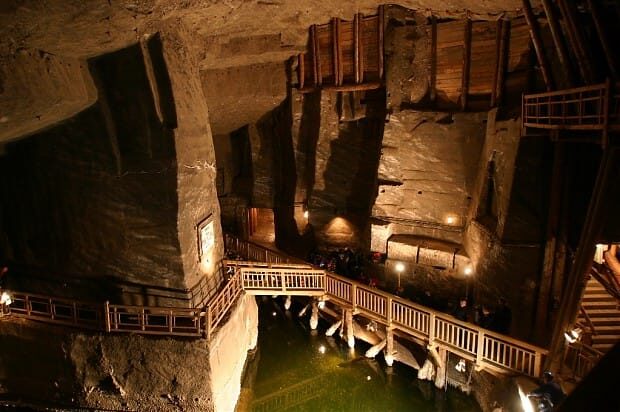
Your guided experience centers on a 2-kilometer route that links 22 chambers by galleries. This route is designed for visitors, so you aren’t wandering at will. But it still feels authentic because it follows a real network of tunnels that miners used for centuries.
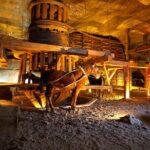
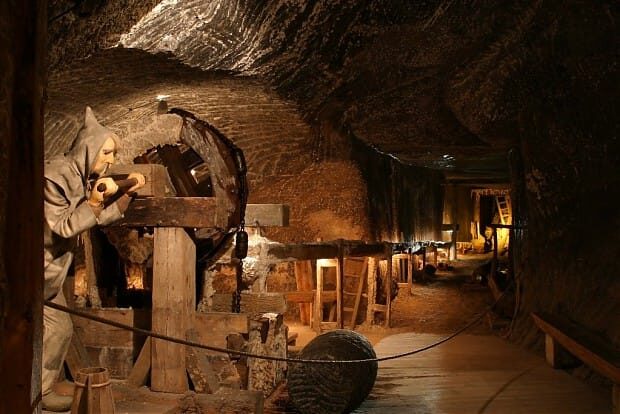
What makes this route work is that it alternates between big sights and “how it was made” moments. You’ll pass ancient shafts and see the layout of the mine in a way that makes the geography make sense. Your guide will also point out examples of mining machines and equipment, which is a huge upgrade from tours that only show finished rooms.
A typical highlight is the salt lakes—briny pockets that look strange and beautiful underground. The guide’s job is to connect those visuals to mining decisions, like why water matters and how salt behaves. If you like stories with cause and effect, this is where the visit becomes more than sightseeing.
Where timing can feel tight
Because the mine is popular, the group can feel like a moving line. One review notes a long delay when getting back up after the tour due to crowd volume, so if you’re the type who hates waiting, you’ll want to stay patient and build in a buffer for the lift area. Also, some parts can feel a bit rushed depending on the group flow, so focus on listening and looking during your guide’s stops rather than trying to linger everywhere.
Mining Machines, Salt Lakes, and Underground Details That Feel Real
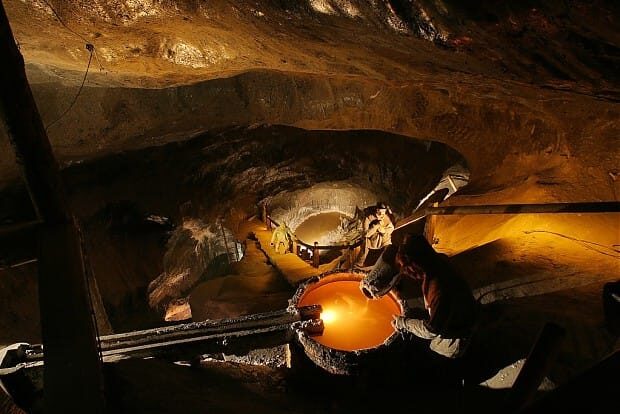
One of my favorite ways to judge a mine tour is simple: do they explain work, or do they just decorate? Wieliczka does a bit of both, and I like that balance.
You’ll see mining machines and tools as part of the guided explanation, which helps you picture how the mine functioned beyond the chambers that visitors photograph. The mine isn’t just a single museum space. It’s a working-world in your mind, built from equipment examples and guided context.
Then come the visual rewards. Salt lakes and sculpted surfaces give you that “wait, how did they do this” feeling. You may also notice carvings, bas-reliefs, and decorative elements that show how miners and later generations turned a hard resource into something meaningful.
The best guides in this experience don’t just recite facts. They help you connect the dots between the mine’s natural formation, human extraction, and the underground art that grew out of it. Based on tour experiences I’ve read, guides like Sebastian show up often and tend to use humor to keep the group engaged; others include Vladimir and Jacob, who are also described as friendly and helpful.
St. Kinga’s Chapel: Where the Mine Becomes Sculpture and Light
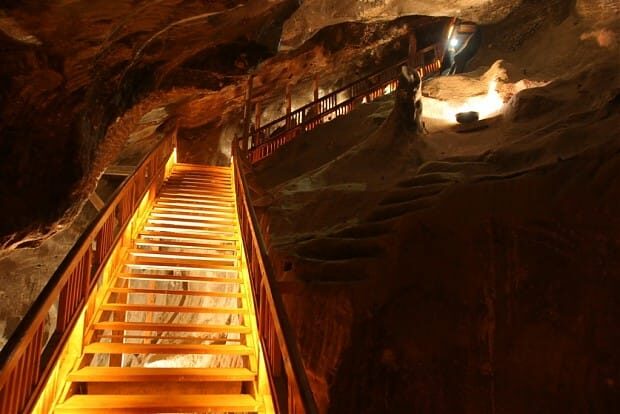
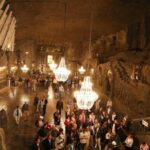
If you only remember one stop, make it St. Kinga’s chapel. This is the mine’s showpiece: a space with opulence and detail that makes it feel less like a utilitarian tunnel and more like a crafted underground landmark.
What I like about this chapel is that it doesn’t feel random. It connects to the mine’s identity: salt isn’t only mined here; it’s shaped, celebrated, and turned into art. In reviews, people point to the chapel as a must-see because it’s hard to imagine such elaborate work could be made from salt and placed deep underground.
Depending on your group and timing, you may also catch other chamber moments that feel theatrical. One description mentions a Burnt Out chamber experience and even a music moment in a chamber connected to a brine-lake setting. Even if you don’t care about that kind of staging, it signals the mine’s variety: there are practical spaces and also spaces designed to create wonder.



Quick tip for this stop
When you reach the chapel area, slow down. You’ll get more from it if you pause long enough to study the carvings and reflect for a second, not just take quick photos and move on.
Steps, Lift, and the Real Physical Plan for Your Body
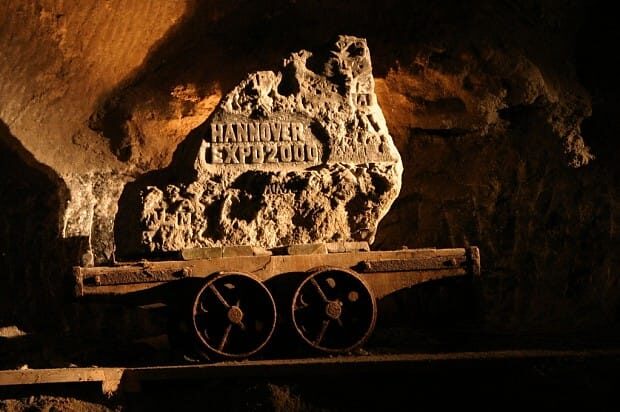
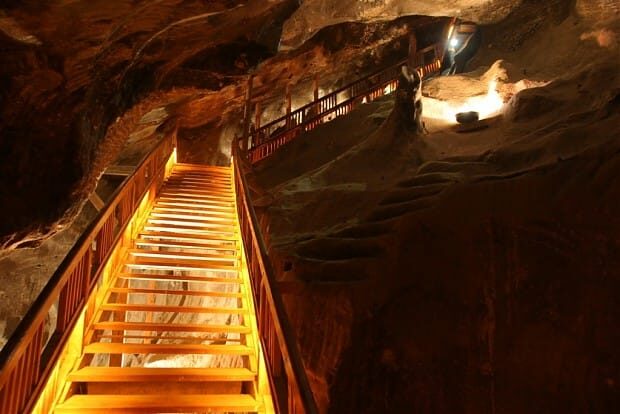
Here’s the truth: this tour includes walking. You’ll go all the way down on the tourist route and do about 800 steps in total. That includes stairs down and also some smaller up-and-down segments during the route, so your legs need to be ready for continuous effort.
The good news is that it’s not described as an endless climb. It’s a planned route with multiple chambers and rest points, and at the end you’ll return to the surface using the mine’s lift. So you’re not stuck doing a full stair marathon.
Another physical factor is temperature. The mine stays at 14–15°C all year long, which means you’ll feel cooler even in summer. I recommend bringing a light jacket or layers, especially if you run cold.
Group pace matters
You’ll move with a tour group, and you’ll want to keep up. One review specifically notes the tour is for people who can match the group’s pace. If you stop often to take your time in every chamber, build in the possibility that you’ll feel mildly rushed.
Transport From Kraków: Comfort, Convenience, and a Smooth Half-Day Flow
This experience includes transportation from Kraków, and that matters more than it sounds. Wieliczka is popular, and having pickup and drop-off handled saves stress—especially if you don’t want to coordinate buses or taxis on a tight schedule.
The duration is listed as 150 minutes to 5 hours, depending on starting time and how the visit flows that day. In practice, it’s a half-day outing for most people, with time for travel, guided walking underground, and the lift back up.
Meeting point can vary by booking option, so check your exact pickup details before you leave the hotel. The mine visit itself includes ticket handling, and this style of tour helps you avoid the worst of entrance lines.
Lunch situation: plan to eat underground, or plan around it
Lunch isn’t included, but you can stop for food at an underground restaurant at the end. Reviews also mention shops and refreshment areas underground and options above. If you’re hungry right after the mine, this is a big convenience.
Skip the Ticket Line: Why This Format Often Feels Like Better Value
At about $63 per person, you’re paying for more than the mine entrance. This price typically bundles transport, a local guide, and the entrance ticket. For many visitors, that combo is the real value.
If you were to do it on your own, you’d likely spend time arranging the ride and sorting out which guide language and time slot works. Paying for a guided package makes the day simpler, especially if you’re visiting Kraków for a short trip.
The other value is that you’re guided through the mine’s scale. Wieliczka has hundreds of chambers. A guide helps you focus on what matters on the tourist route, explain what you’re seeing, and keep you from feeling lost in a place that could otherwise be confusing.
The main extra you might spend
If you want to take photos, you’ll need permission. Picture-taking isn’t included, and you can buy it inside the mine for 10 zloty. If photography is a priority for you, decide before you go so it doesn’t slow you down at the start.
Best Fit: Who Will Enjoy Wieliczka Most (and Who Might Want to Think Twice)
This is a great match if you like history with a strong visual payoff. You’ll see the mine’s geological story, learn how salt mining worked, and get to experience the sculpted underground spaces like St. Kinga’s chapel.
It’s also a strong fit if you enjoy guides with personality. Many tour experiences mention guides such as Sebastian, Vladimir, or Jacob who bring humor and keep the group interested, even on crowded days.
Consider this before booking
Because the route includes 800 steps and you’re moving with a group, it’s not ideal if you struggle with stairs or long walking in a confined route. Also, in peak season, crowds can affect how quickly you get lifted back to the surface.
Quick Planning Notes: Season, Weather, and What to Bring
Wieliczka has closure days you should respect. The mine is closed on 1 November, 24, 25, and 31 December, and 1 January. If your Kraków trip lands near those dates, you’ll need a Plan B.
For what to bring:
- Comfortable shoes for stairs and uneven underground surfaces
- Layers for 14–15°C inside
- If you plan to photograph, keep the 10 zloty photo permission in mind
- If you book a student ticket, bring your student ID card and confirm you meet the listed age requirement (under 26)
Should You Book This Guided Salt Mine Tour From Kraków?
I think you should book this tour if you want a guided experience that turns Wieliczka from a long list of chambers into a clear story. The pairing of transport from Kraków, skip-the-line entry, and an English-speaking guide makes the half-day outing feel efficient and worth the time.
I’d skip or reconsider if stairs and crowds would stress you out. The route is active, the mine is popular, and the lift area can get backed up when lots of groups finish at once.
If you’re flexible, pack layers, and go with the flow, this is one of those places where you feel the wow-factor in your body: cool air, salt reflections, and the strange feeling of walking inside something humans shaped deep underground.
FAQ
What does this tour include?
It includes transportation from Kraków, a local guide, and the entrance ticket to the Wieliczka Salt Mine.
How long should I plan for?
The duration is listed as 150 minutes up to 5 hours, depending on the starting time and how the visit runs.
How many steps are involved?
You walk down the tourist route and there are about 800 steps in total on the route.
Is there a lift to get back to the surface?
Yes. There is a lift provided to return to the surface after the tour.
Do I need to pay for taking photos?
Yes. Picture-taking permission isn’t included, and you can buy it inside the mine for 10 zloty.
What temperature is it inside the salt mine?
The temperature is constant around 14–15°C all year long, so you should dress in layers.