REVIEW · KRAKOW
Auschwitz-Birkenau & Wieliczka in one day (Guided tour)
Book on Viator →Operated by CRACOW LOCAL TOURS · Bookable on Viator
One day, two unforgettable worlds. This tour pairs a powerful, guided visit to Auschwitz-Birkenau with a bright, otherworldly afternoon deep in the Wieliczka Salt Mine, plus round-trip hotel transport and entrance tickets. You’ll also benefit from skip-the-line entry and an official English-speaking guide, which makes a big difference when your time is tight.
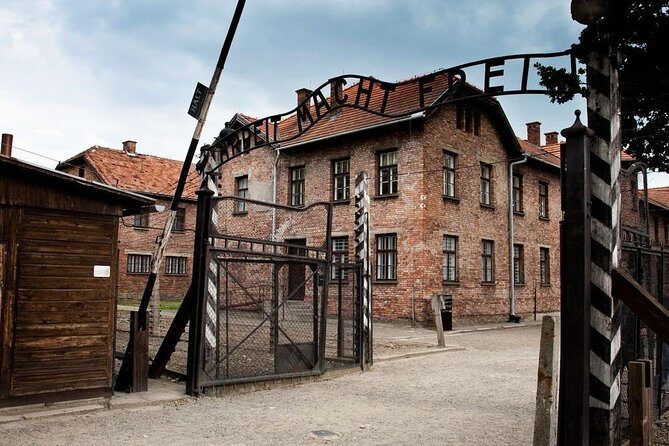
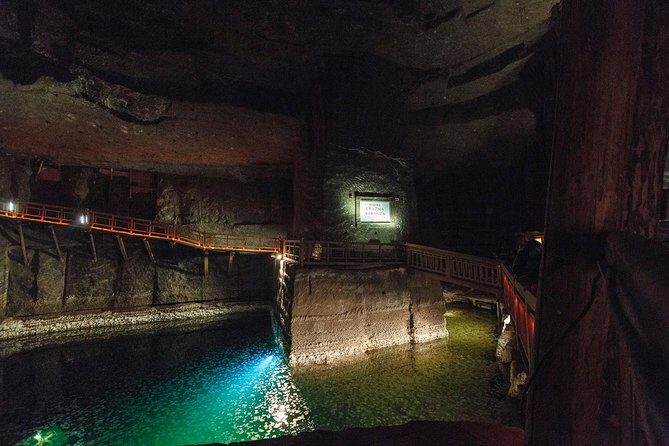
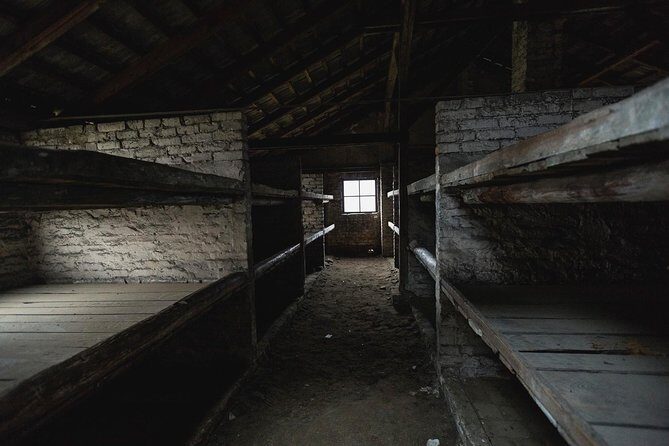
I especially like the way the day is organized around learning. In Auschwitz, you get a structured walkthrough of key areas (including the prisoner barracks and the unloading ramp). Then the salt mine shifts the mood while still staying guided, with sculptures carved from salt rock and underground chambers you can’t really picture until you’re there.
One caution: it’s a long, emotional, and physically demanding day. You’ll do a lot of walking, uneven paths, and steep steps in the mine—so plan for a serious half-day on your feet.
In This Review
- Quick Hits Before You Go
- Price and What You Get for $156
- Getting There from Krakow: The Real Timing Behind the 10–11 Hours
- Auschwitz-Birkenau: Guided Structure in a Place That Can Overwhelm
- Weather Matters More Than You Think
- Between Auschwitz and Wieliczka: How to Survive the Gap Day Without Losing Your Mind
- Wieliczka Salt Mine: Underground Wonders Without Needing a Sci-Fi Script
- Comfort Tips That Will Save Your Feet (and Your Temper)
- Who This Tour Fits Best (and Who Should Rethink It)
- Should You Book This Auschwitz and Salt Mine Day Tour?
- FAQ
- What time does the tour start from Krakow?
- How long is the full day?
- Is the tour in English?
- Are entrance tickets included in the price?
- Do they pick up and drop off from hotels?
- How much walking and stairs should I expect?
- Can I bring a large backpack?
- Is this tour suitable for kids or claustrophobia?
Quick Hits Before You Go
- Door-to-door pickup and drop-off from your Krakow accommodation, usually in a small group (max 30).
- Official guides in English for both the Auschwitz site and the salt mine route.
- A real contrast: harrowing history first, then a guided underground “wow” where the temperature stays around 16–18°C.
- Salt mine steps and steep descents (expect several hundred steps and a climb back up later).
- Birkenau is outdoors, so weather matters more than you might think.
- Small luggage rules at Auschwitz (bags larger than 30x20x10 cm can’t go onto museum grounds).
Price and What You Get for $156
At $156 per person, this tour isn’t cheap—but it’s also not just a bus ride. You’re paying for the full package: round-trip hotel pickup and drop-off, entrance fees, and official museum guiding in English. That matters here, because Auschwitz especially is not a place where you want to wander “kind of” informed.
The value improves if you’re trying to cram both sites into one day from Krakow without spending time managing tickets, transport, and timing yourself. The tour is also designed to reduce friction: skip-the-ticket-line is included, which can save real time on busy days.
That said, there’s one practical thing to double-check before you go. Your tour info says entrance fees are included, and the salt mine visit is part of the day. Still, one traveler reported paying for the salt mine entrance on the day due to a card machine issue. So I’d treat this as a “confirm it in writing” moment: look at your booking details to be sure what’s covered, especially for Wieliczka.
You can also read our reviews of more guided tours in Krakow
Getting There from Krakow: The Real Timing Behind the 10–11 Hours
This is listed as about 10 to 11 hours, starting from your Krakow hotel area in the morning (the provided start time is 9:00 am). In practice, that can mean an early morning for some departures, because the route is long and sites can be crowded. Either way, you’re signing up for a full-day plan, not an easy outing.
The bus/van ride itself is comfortable enough: it’s air-conditioned, and WiFi is available onboard. Your driver is also part of the experience—many travelers praised drivers for being organized and keeping the group on schedule. Names that came up in the same context include Michel, Joseph, Peter, and Michael, often for good communication and smooth handling of delays.
What you should mentally prepare for:
- It’s a full-day pace: you’re moving from one major site to the next.
- Seating can be random on group transport, so if you’re traveling as a couple and want to sit together, don’t assume you’ll get your preference.
- Bags can’t always come inside the main areas, so you’ll likely store extra luggage and travel light.
Auschwitz-Birkenau: Guided Structure in a Place That Can Overwhelm
Auschwitz-Birkenau is not the kind of attraction where “more options” are helpful. You need clarity. That’s where this tour format shines: you’re taken in with an official guide who helps you understand what you’re seeing and where it fits in the story.
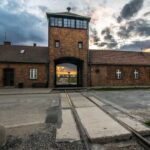
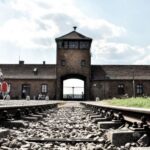
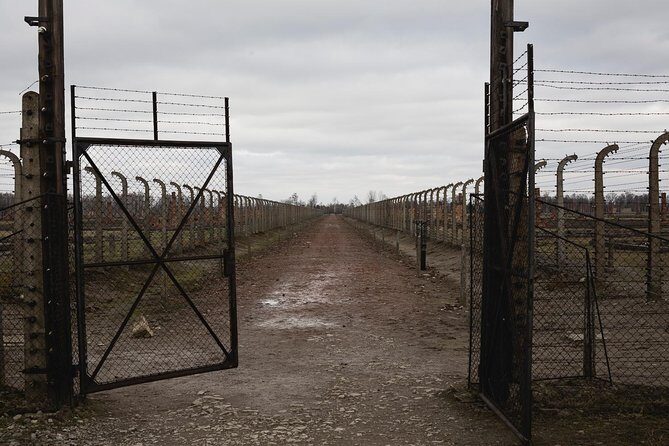
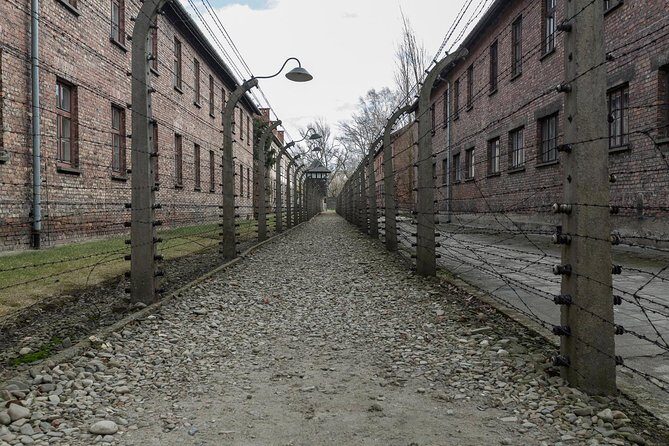
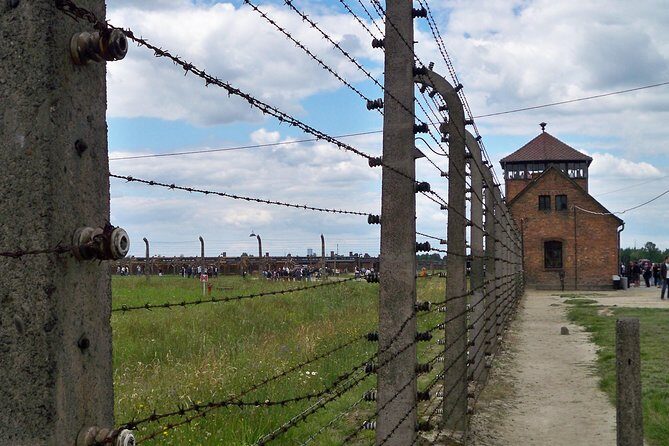
The Auschwitz site includes the main camp (Auschwitz I) and the second camp area (Auschwitz II-Birkenau), which grew into the largest extermination center for European Jews. The memorial site is massive—almost 200 hectares with hundreds of buildings and ruins—and the tour concentrates on key areas. You’ll pass through permanent exhibitions and original camp buildings at Auschwitz I, then the later camp areas at Birkenau.
A couple things that stand out as “why this tour style works”:
- You get orientation, not just facts. When there are many buildings, tracks, and remnants, a guide helps you keep your bearings.
- The pacing is intentional. Several travelers noted the walkthrough felt well-timed, and even in difficult conditions, the day is planned to keep you moving.
The emotional weight is the point. More than one million Jews and other targeted populations were murdered at this site during World War II. A guided visit is one of the best ways to approach that responsibly, because you’re not guessing what you’re looking at—you’re learning the context while you’re there.
Weather Matters More Than You Think
Birkenau is open outdoors. That can be good (you feel the scale and reality), but it can also get miserable in winter. Some travelers had to deal with icy or slippery conditions, and in at least one case the plan shifted so they couldn’t fully make it to Birkenau as originally scheduled. Translation for you: bring weather-ready clothing and shoes you can trust on uneven ground.
Between Auschwitz and Wieliczka: How to Survive the Gap Day Without Losing Your Mind
The in-between stretch is where your energy gets tested. You’ll drive from the Auschwitz area toward Wieliczka, and that transfer can feel like a reset button—except you don’t really get to “reset.” You’ll still be mentally processing.
Practically, you’ll want to:
- Carry a small water bottle and a snack if your booking doesn’t clearly promise a meal included. A few travelers mentioned a basic lunch or packed lunch being provided, while others talked about needing to find food arrangements.
- Wear warm layers. Even if the Krakow day feels mild, Auschwitz and Birkenau can feel colder, and the mine is cooler.
Also, pay attention to meeting points and timing inside the mine. More than one traveler described momentary confusion after the underground tour ended, because the meeting area isn’t right at the vehicle door. Plan on a little walking after you exit so you can reconnect with your group easily.
You can also read our reviews of more tours and experiences in Krakow

Wieliczka Salt Mine: Underground Wonders Without Needing a Sci-Fi Script
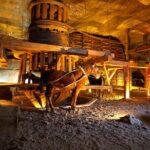
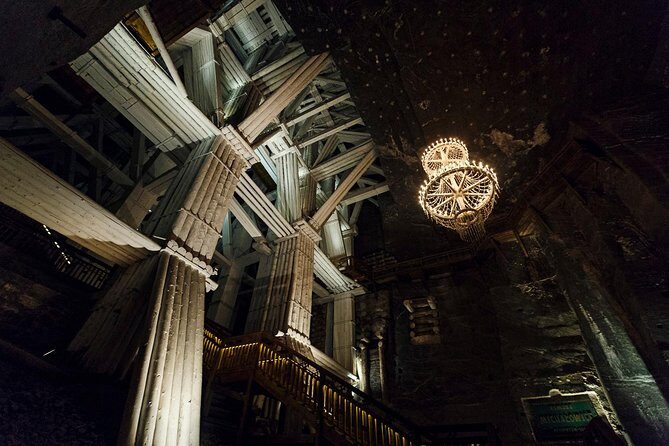
After the somber morning, Wieliczka Salt Mine feels like a different planet—in the best way. It’s one of Poland’s most recognizable attractions, with around one million visitors per year, and it traces back to medieval salt work. In the 16th century it was one of the most profitable enterprises in Europe, with salt profits accounting for a major chunk of the kingdom’s income.
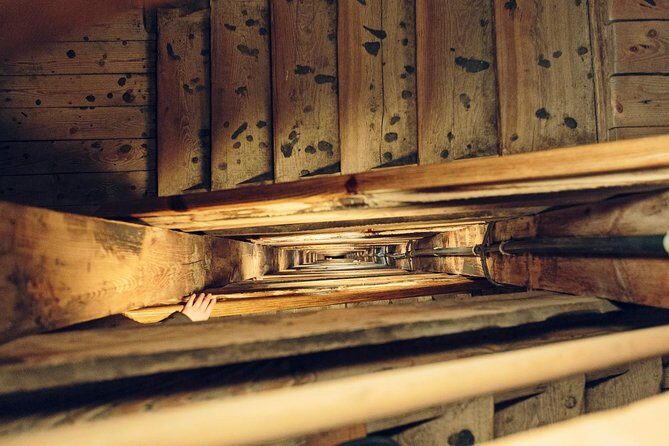
You’ll descend into tunnels and caverns that are among the oldest salt mines in the world. The tour typically lasts about two to three hours underground, and you should treat it like a guided walking tour with stairs and stop-and-look moments.
What you’ll see (and why it’s so memorable):
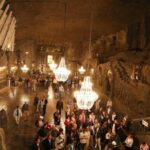
- Salt-carved sculptures: real figures shaped out of salt rock, not just decorative signage.
- Saline lakes: quiet, strange-looking bodies of water that make the underground feel even more surreal.
- Caverns and chambers built around long salt-work history.
The practical downside is physical effort. The description calls out a steep descent down several hundred steps, and you should expect plenty of stairs. One traveler mentioned around 800 steps down and roughly 2 km of walking. Whether your exact count matches that, the takeaway is the same: this is not an easy stroll.
Good news: the mine runs cool. The temperature is generally 16–18°C, so it feels like a break from summer heat, but in winter it still means you’ll want layers even if Krakow feels warmer.
You’ll return to the surface by elevator, which is a smart design choice for anyone who wants to keep their legs working through the evening.
Comfort Tips That Will Save Your Feet (and Your Temper)
If you only take one piece of advice from this review, make it this: comfortable shoes aren’t optional. Auschwitz ground can be uneven, and Birkenau is largely outdoors. In the salt mine, you’re dealing with steep steps and long walking between stops.
Here’s what helps most based on what’s actually experienced on the day:
- Wear shoes with solid grip. People described puddles and uneven paths when weather turned bad.
- Bring layers. Even if the day starts warm, you’re going from an outdoor open area to a consistently cool mine.
- Keep luggage rules in mind. Bags larger than 30x20x10 cm aren’t allowed on museum grounds at Auschwitz. Extra luggage can be stored in the vehicles free of charge.
- If you have any claustrophobia, this may not be the right day trip. The mine is underground and enclosed in ways you can’t fully “opt out” of once you’re inside.
Also, if you’re a small group traveling together, be ready that transport seating might not match your preference. One traveler specifically called out not being able to sit next to their partner on the bus.
Who This Tour Fits Best (and Who Should Rethink It)
This is a great fit if you:
- Want to visit Auschwitz-Birkenau with real structure and official guiding.
- Also want a second major site—Wieliczka Salt Mine—without the hassle of independent planning.
- Can handle a long day with lots of walking, including stairs at both sites (more so at the mine).
It’s less ideal if you:
- Need a very relaxed pace. This day runs long and emotionally heavy.
- Have mobility limits or fatigue issues. The mine includes steep climbs down and back up.
- Have claustrophobia. The mine environment is underground and enclosed.
- Are visiting with younger kids. Auschwitz is not recommended for children under 14, and children must be accompanied by an adult.
If you’re deciding between doing this in one day versus splitting it, remember: the one-day format is efficient, but it offers fewer recovery breaks than a two-day plan would.
Should You Book This Auschwitz and Salt Mine Day Tour?
Yes, I think you should book it if you want a guided, efficient two-site day that saves you the stress of planning transport and tickets. The inclusion of hotel pickup/drop-off, skip-the-ticket-line entry, and official English-speaking guiding adds real value, especially for Auschwitz, where context matters.
The decision comes down to your tolerance for a long day. If you’re good with early mornings, lots of walking, and emotionally heavy content, this is a very solid way to experience both places in one go. If you want something gentler, or you’re worried about stairs and enclosed spaces, you might want to consider alternative timing or a different plan.
If you book, do yourself a favor: confirm what’s included for Wieliczka in your exact booking details, pack shoes for uneven ground, and bring layers for the mine’s cool 16–18°C air. That combo makes the day smoother, even when the content is anything but easy.
FAQ
What time does the tour start from Krakow?
The listed start time is 9:00 am, and pickup is offered from your hotel or other accommodation address you provide. Some departures may start very early to manage travel time and site access.
How long is the full day?
The tour runs about 10 to 11 hours, including transfers between Krakow and the two sites.
Is the tour in English?
Yes. The tour includes an English-speaking driver and an official museum guide.
Are entrance tickets included in the price?
The tour information says entrance fees are included, and both Auschwitz-Birkenau and Wieliczka are part of the day. Still, it’s smart to confirm your exact booking details for Wieliczka admission coverage.
Do they pick up and drop off from hotels?
Yes. Hotel pickup and hotel drop-off are included, and at the end of the tour you’re asked where you’d like to end the tour.
How much walking and stairs should I expect?
Expect a moderate physical fitness level. Auschwitz involves walking on uneven ground, and the Wieliczka Salt Mine includes a steep descent with several hundred steps, plus stairs during the visit.
Can I bring a large backpack?
No. Bags and backpacks larger than 30x20x10 cm are not allowed on the museum grounds at Auschwitz. Larger luggage can be stored in the vehicles free of charge.
Is this tour suitable for kids or claustrophobia?
Auschwitz is not recommended for children under 14. It also isn’t recommended for travelers suffering from claustrophobia due to the underground mine environment.