REVIEW · KRAKOW
Schindler’s Factory Visit & Skip-the-Line Entry
Book on Viator →Operated by CRACOW LOCAL TOURS · Bookable on Viator
War history, told with a human pace. This guided visit turns a museum ticket into a clear storyline about Krakow under Nazi occupation, with skip-the-line entry that saves real time. I liked the strong commentary and the well-run setup with headsets that made every detail easy to catch. One watch-out: the experience can feel rushed in busy groups, especially through tighter spaces.
What makes this stand out is the way you move through the site like wartime scenes, not like a warehouse of dates. You’ll walk through recreated everyday places like a hairdresser and photographer, then hit multimedia rooms (including a photoplasticon feel) and a tram segment showing city life. Guides named Helen and Barbara both show up in firsthand accounts as friendly, clear, and willing to answer questions after the tour. Also, don’t treat this as casual entry: you’ll need the full names you booked with, and you must bring a passport or ID, because ticket names have to match.
Timing is usually smooth, but you should plan smart. The tour is about 1 hour 30 minutes, and it’s commonly booked around 26 days ahead, so earlier is safer if you want a specific slot. If you’re going later in the day or close to your travel dates, you might still find options, but the museum schedules can shift, and starting times are approximate (especially from Jan 1, 2026).
In This Review
- Key highlights worth planning for
- Why Schindler’s Factory hits harder than the movie story
- Your 90 minutes through wartime Krakow’s story stops
- A practical note about pace
- Skip-the-line entry: faster than walking up, but still plan for crowds
- The headset factor
- Timing can shift
- The guide experience: what you’ll get (and what can limit it)
- Price and value: is $50.46 worth it?
- Who should book this tour in Krakow
- You might want a different option if…
- Should you book Schindler’s Factory with skip-the-line entry?
- FAQ
- How long is the guided visit?
- What language is the tour offered in?
- Is the admission ticket included?
- Does it include skip-the-line entry?
- What do I need to bring for entry?
- Do I get to choose a preferred time?
- Where is the tour located?
- Is the meeting point near public transportation?
- What is the cancellation policy?
Key highlights worth planning for
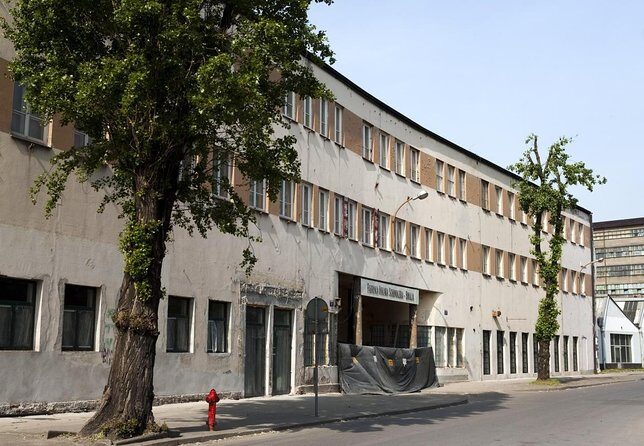
- Guaranteed skip-the-line entry to Schindler’s Factory Museum, so you’re not hunting for tickets while the line grows.
- A guided walk-through of wartime rooms, including a hairdresser, a photographer, and a photoplasticon-style experience.
- Multimedia + eyewitness-style storytelling, with photos, displays, and guided context that keeps it from feeling like a slideshow.
- The tram and ghetto path segments, including a Jewish apartment area and the route toward Płaszów.
- Personalized ticket rules that require full names and a matching passport or ID for entry.
Why Schindler’s Factory hits harder than the movie story
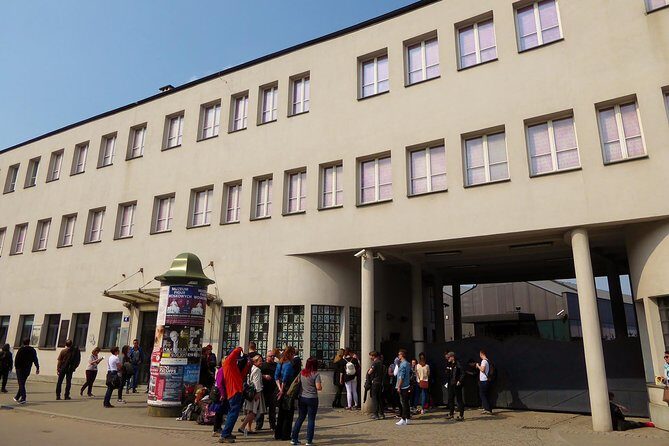
Schindler’s Factory is one of those places where your brain keeps trying to compare it to pop-culture, and then it stops. The point here isn’t only Oskar Schindler as a headline. The museum frames the entire world around him: how Krakow changed during occupation, how Polish and Jewish residents were treated, and how persecution escalated step by step.
That’s why the guide matters so much. If you go in cold, you’ll still learn a lot from the exhibits, but you may miss how the timeline connects. With a guided tour, you get the through-line: occupiers, the factory owner, the fate of people inside the system, and why the Spielberg film stuck so many people to their seats in the first place.
I also like how the tour doesn’t pretend people had choices when they clearly didn’t. The storytelling emphasizes lived reality—daily routines being broken, neighborhoods being reshaped, and violence being systematized. It’s emotionally heavy, but it’s also structured, so you’re not just overwhelmed by the theme.
You can also read our reviews of more tours and experiences in Krakow


Your 90 minutes through wartime Krakow’s story stops
Your tour centers on Fabryka Emalia Oskara Schindlera and moves through a sequence of scenes designed to feel like you’re walking through occupied Krakow. The total time is about 1 hour 30 minutes, so you’ll cover a lot, but don’t expect to linger.
Here’s what you should look forward to, in order:
Stop 1: Fabryka Emalia Oskara Schindlera
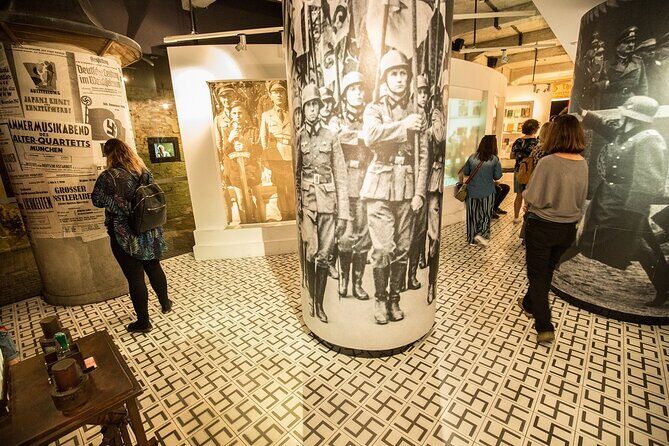
You start at the museum entrance and then follow your guide through the exhibition spaces. One of the most effective parts is the way the tour uses everyday settings to make the larger story more human. You’ll walk into recreated spaces such as a hairdresser and a photographer, which helps you picture normal life before it gets torn apart.
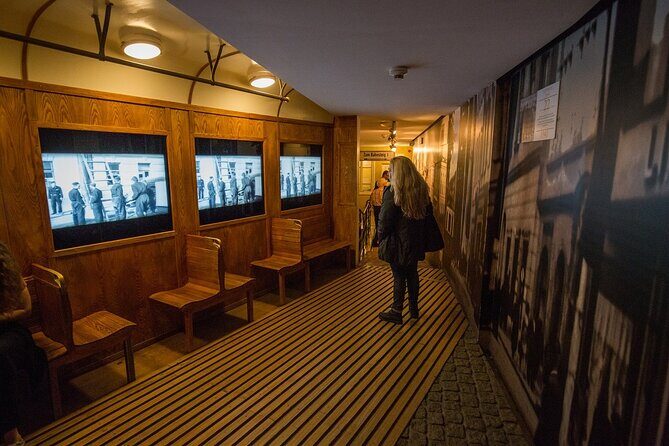
From there, you move into multimedia-style rooms. The experience includes a photoplasticon-style element (a format built for historical viewing), plus rare photos, displays, and eyewitness accounts. These bits are useful because the museum is doing two jobs at once: it’s showing you what happened and also explaining how people experienced it.
Then comes the tram segment, where you’ll get on or “through” the tram experience and watch a film about the life of the city. It’s one of those transitions that prevents the tour from turning into only static rooms. You’ll feel the momentum shift from interior scenes to wider city context.
After that, the route continues into the ghetto area, described as a narrow labyrinth with a Jewish apartment included. This part is especially important for understanding how cramped, controlled, and unstable life became. The final movement toward the camp in Płaszów connects the dots between persecution at street level and the larger machinery of deportation and confinement.
A practical note about pace
A few people mention limited time for reading, and that the tour can feel rushed in certain rooms. That’s not a deal-breaker if you’re there for guidance, but if you want to slow down and fully absorb every panel, you might wish you had more time on-site. Plan to do this as a guided learning experience, not a museum wandering session.
Skip-the-line entry: faster than walking up, but still plan for crowds
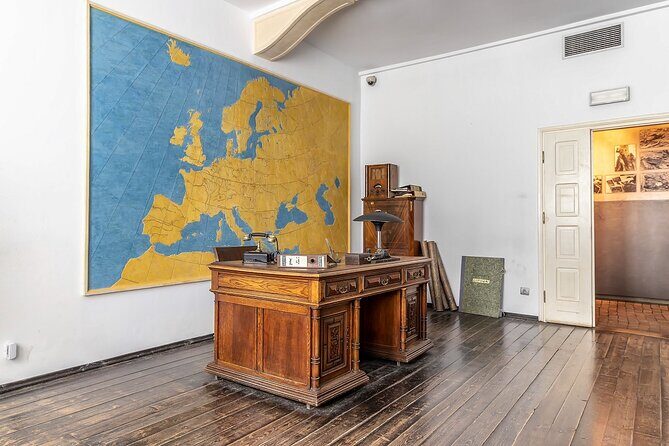
The headline benefit is skip-the-line entry. That can be the difference between a smooth start and losing your reservation window to slow entry flow.
Still, be realistic about what “skip-the-line” means in practice. Even with guaranteed entry, you’ll likely spend a short amount of time regrouping, showing tickets, and getting your bearings before the tour begins. Some firsthand accounts mention confusion outside—people unsure whether to join a line, or staff not clearly directing everyone in the moment. When it’s hot or crowded, that waiting feels longer than it should.
Here’s how I’d handle it:
- Arrive a little early and look for the guide and group signage.
- Expect the museum to check tickets carefully.
- Keep your ID ready and accessible.
The headset factor
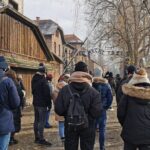
One of the better signs this tour is run with care is sound quality. In multiple accounts, headsets were described as working well with clear audio. That matters here because the rooms can be tight and noisy, and you don’t want to be straining for every sentence while staring at artifacts.

Timing can shift
From Jan 1, 2026, starting times are approximate and may change due to museum scheduling. You can choose a preferred time, but the exact time isn’t promised. If you’re juggling other plans in Krakow, give this one a buffer.
The guide experience: what you’ll get (and what can limit it)
A great guide can turn a WWII museum visit into a story you remember. The tour’s structure is built for that—your guide brings the timeline to life while you move through the stations.
In accounts from this experience, guides like Helen and Barbara came up more than once. People describe them as friendly, clear in English, and willing to answer questions after the tour ends. That’s a big plus because some exhibits raise questions that you won’t solve from reading labels alone.
Another pattern I noticed: the best results happen when you treat the tour like a guided route, not a self-paced walk. When the group size is larger, you may spend more time waiting in confined spots or moving through at a tighter tempo. That can limit how much you read or look at photos in detail.
If you’re sensitive to crowding, consider these details before booking. The museum spaces include narrow areas (the ghetto labyrinth is specifically described this way), so group movement can feel compressed.
Price and value: is $50.46 worth it?
At $50.46 per person (about 90 minutes), this isn’t “cheap,” but it also isn’t a luxury-priced show. The value comes from three parts working together:
1) Admission is included. You’re not paying extra on top for entry to the museum.
2) You get interpretation, not just access. The guide is what connects the museum rooms into a timeline, especially in a place where context is everything.
3) Practical audio support (headsets) improves the experience, which you can’t always count on in smaller tours.
That said, not everyone leaves with the same feeling about the artifacts. One account notes the focus can lean more toward broader history and contextual storytelling rather than showing tons of personal items tied only to Schindler himself. Another account says there aren’t many physical factory artifacts in the way some people expect.
So my take on value is this: if you’ve watched Schindler’s List or you’re hungry for a clear explanation of what Krakow went through under occupation, the guide time makes the money feel justified. If you’re the type who wants to slow-read every panel and study every object for long stretches, you might feel pressured by the pace—and that can reduce perceived value.
Who should book this tour in Krakow
This tour fits best if you want:
- A structured walkthrough of WWII Krakow with guidance you can follow room by room.
- A visit that connects daily life, occupation, ghetto confinement, and the route toward Płaszów.
- An English experience designed for most visitors (the tour is offered in English and “most travelers can participate”).
It’s also a good pick if you’re traveling with teens who respond well to clear storytelling. More than one account says it worked well for teenagers, especially for people who already saw the film.
You might want a different option if…
- You strongly prefer quiet, self-paced museum wandering.
- You dislike group movement in tight, crowded rooms.
- You need lots of time to read every exhibit label.
Even then, I’d still call it worth considering—just know the tour is a guided route with a set rhythm.
Should you book Schindler’s Factory with skip-the-line entry?
I’d book it if your goal is understanding, not just checking a box. The combination of guided narration, headset audio, and the way the route moves through wartime spaces (tram segment, ghetto labyrinth, Jewish apartment area, and the connection toward Płaszów) makes this more than a standard museum visit.
One last practical tip: bring your passport or ID and double-check that your booking name matches exactly. The museum uses personalized tickets, and entry can be denied if the name doesn’t match what you show.
If you can handle crowds and you’re okay with a guided pace, this is one of the best ways to get real context in Krakow—and to connect the story you think you already know to the place where history unfolded.
FAQ
How long is the guided visit?
The tour lasts about 1 hour 30 minutes.
What language is the tour offered in?
The experience is offered in English.
Is the admission ticket included?
Yes, the admission ticket to Schindler’s Factory Museum is included.
Does it include skip-the-line entry?
Yes, it includes a guarantee of skip-the-line entry to Schindler’s Factory Museum.
What do I need to bring for entry?
You must bring a passport or ID. Your full name(s) on the reservation must match the name on your document, or entry may be denied.
Do I get to choose a preferred time?
You can choose a preferred time, but the exact starting time isn’t guaranteed (especially noted for scheduling from Jan 1, 2026).
Where is the tour located?
It’s in Krakow, Poland, at Fabryka Emalia Oskara Schindlera.
Is the meeting point near public transportation?
Yes, it’s near public transportation.
What is the cancellation policy?
You can cancel for a full refund up to 24 hours before the experience’s start time. If you cancel later than that, the amount paid is not refunded.