REVIEW · KRAKOW
From Krakow: Auschwitz-Birkenau Full-Day Tour
Book on GetYourGuide →Operated by Time4Poland.com · Bookable on GetYourGuide
A solemn place deserves real guidance. This full-day trip from Krakow takes you to Auschwitz-Birkenau with a licensed guide and clear narration through a headset. You’ll visit both Auschwitz I and Birkenau, walking past original roads, fences, watchtowers, and gas chambers while learning how the Holocaust unfolded.
I especially like the organization and communication style, since the day runs on schedule with pickup and drop-off options in Krakow. Another win is that the guide work is done for you: you get a planned flow through the memorial without having to figure out routes on your own, and you’re set up to hear every explanation even when it’s busy. In reviews, the experience is consistently described as well run, with drivers noted for careful driving and smooth starts.
One thing to consider: the memorial controls pacing. When it’s crowded, you may keep moving more than you’d like, and the museum’s preferred time can shift, with no refund if the visit time changes.
In This Review
- Key things I’d mark on your Krakow map
- The real value of a guided Auschwitz-Birkenau day from Krakow
- Getting there in comfort: pickup timing and why it affects the whole day
- Auschwitz I Museum: where the story gets organized
- Birkenau on foot: seeing the layout that still speaks
- Lunch break and the memorial’s rhythm: what to expect
- The guide and headset: how you actually hear the important parts
- What costs $89 really buys you
- What to pack (and what to leave behind)
- Who this tour suits best (and who might want a different option)
- Should you book this Auschwitz-Birkenau tour from Krakow?
- FAQ
- How long is the Auschwitz-Birkenau full-day tour?
- Does the tour include a licensed guide?
- Which languages are available for the live guide?
- What are the main stops during the day?
- Is pickup and drop-off included in Krakow?
- Do I need to bring identification?
- What happens if my booking name doesn’t match my ID?
- Is lunch included?
- Are large bags or luggage allowed?
- Is the tour refundable if I cancel?
Key things I’d mark on your Krakow map
- Licensed Auschwitz guide leads the story on-site at both locations
- Headset included helps you hear explanations without craning your neck
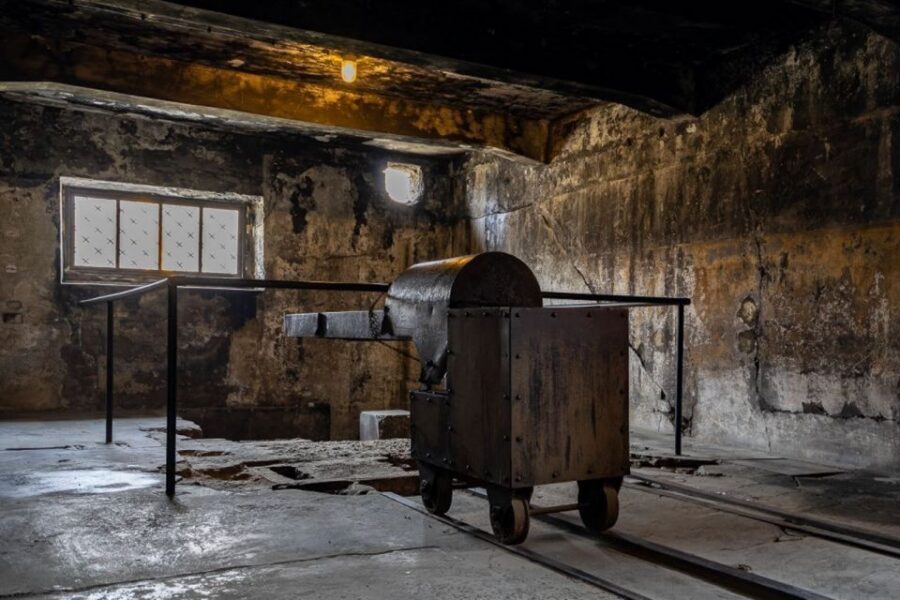
- Auschwitz I Museum focus on exhibits and original items
- Birkenau walking route through the physical layout—roads, fences, watchtowers
- Short break built in so you can reset without losing the day
- Tight rules on bags and clothing, so pack smart before you go
The real value of a guided Auschwitz-Birkenau day from Krakow
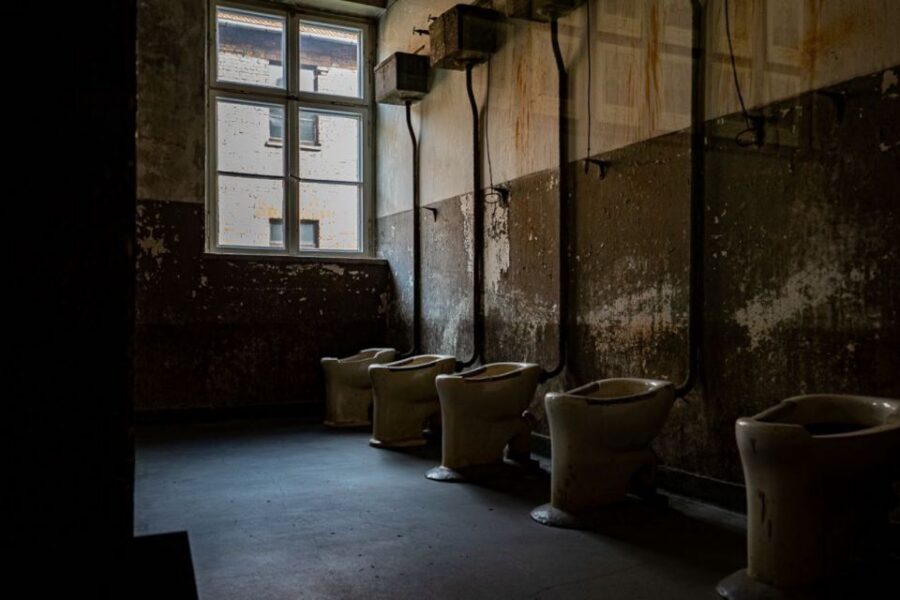
If you only do one Holocaust-related visit from Krakow, I’d push you toward the guided Auschwitz-Birkenau day. Not because it’s easy, but because it’s structured. The memorial is huge, emotionally heavy, and full of details that need context. A licensed guide turns scattered information into a clear timeline—so you understand what you’re seeing, not just that you’re seeing it.
This tour is designed for a full day: pickup in Krakow, transport in an air-conditioned car, time at Auschwitz I Museum, and then time in Birkenau before heading back. The headset matters. When groups bunch up or the site gets loud, audio support keeps the explanation from falling apart.
Two other practical wins: the pickup/drop-off options in Krakow save you from last-minute taxi math, and the tour includes a dedicated driver so you can focus on the visit instead of navigating traffic.
You can also read our reviews of more tours and experiences in Krakow


Getting there in comfort: pickup timing and why it affects the whole day
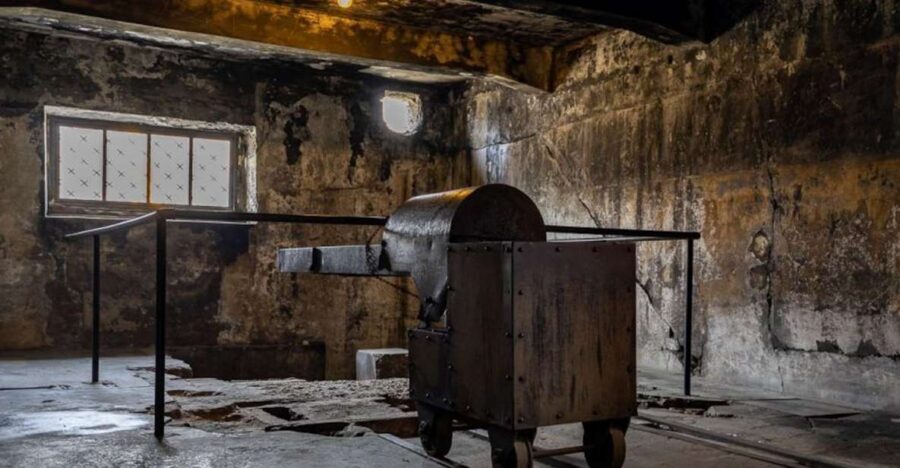
The ride from Krakow to Auschwitz is part of how you mentally prepare. You start in the morning with hotel pickup available at multiple meeting points in the city (you choose which one when booking). This kind of setup helps you avoid the most stressful part of day trips: wondering where to meet and whether you’ll be late.
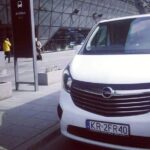
You’re transported by a car with air conditioning, plus a driver. The driver role sounds simple, but it affects your experience more than people think. Smooth, careful driving keeps the day from starting with jitters, and it helps you arrive ready for the museum entrance process.
Here’s a detail you should plan around: the memorial’s preferred tour time can change. The operator may contact you the day before to confirm a new time, and that time change does not qualify for a refund. That doesn’t mean the tour falls apart. It means you should keep your day flexible once you book.
Auschwitz I Museum: where the story gets organized
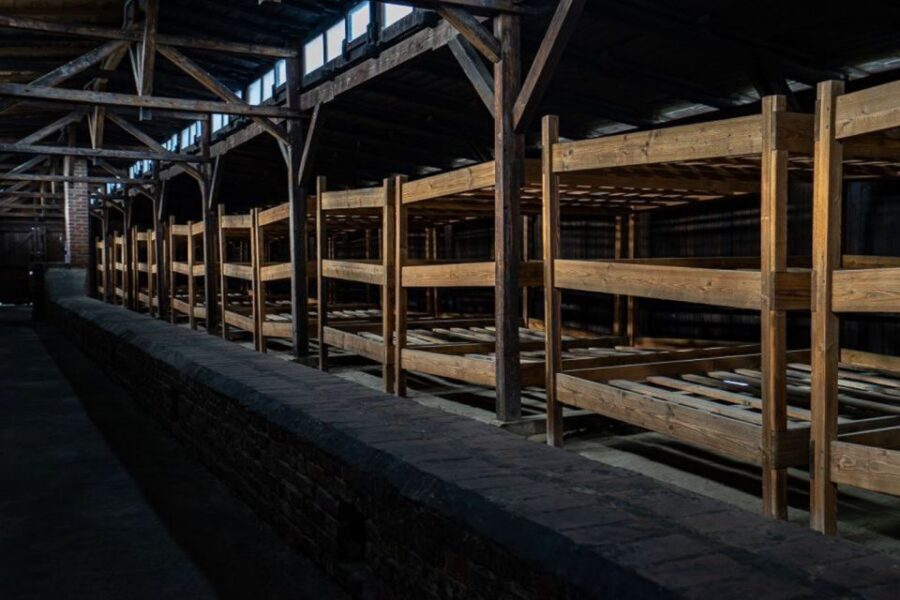
Auschwitz I is where many visitors feel the emotional weight first, and it’s also where the tour’s structure helps the most. You spend time at the Auschwitz I Museum and its exhibits, with access guided by a licensed Holocaust guide.
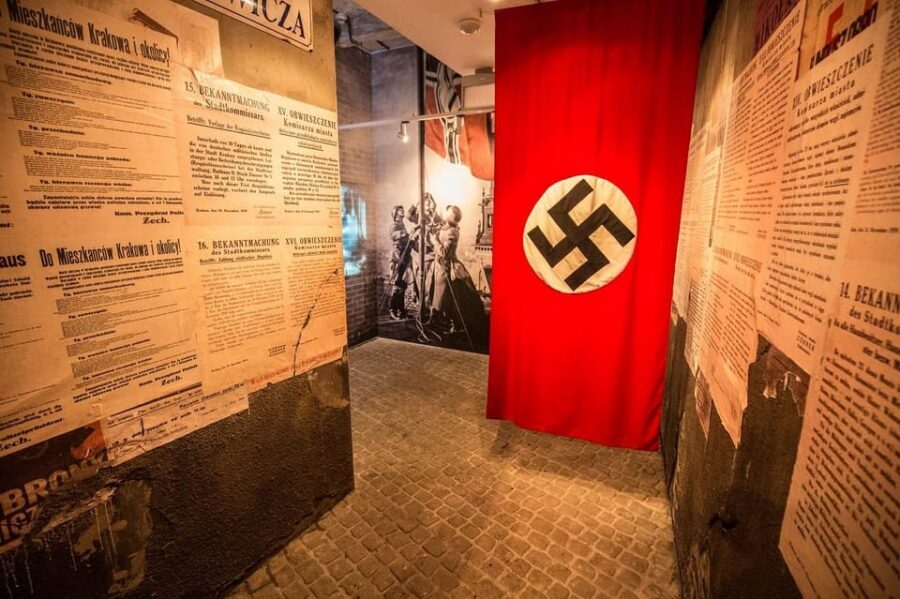
What you’re looking for here is not just photographs and captions. The museum experience is built around interpretation: you learn what the camp system meant, how it developed, and why the site remains a warning from history. The exhibits are described as containing original items from prisoners, which changes the impact. Replicas explain less. Original objects tend to make everything feel abruptly real.
The guide also helps you make sense of what you’re seeing in the museum and how it connects to Birkenau. Without that bridge, Birkenau can feel like a separate place you visited on the way home. With the guide’s thread, it becomes one connected system.
A practical note: the museum pacing is determined by the memorial’s visitor service. So while you’ll have time for exhibits, you may not get the exact slow, lingering experience you imagine when you picture a museum. The upside is you won’t miss the Birkenau visit later.
Birkenau on foot: seeing the layout that still speaks
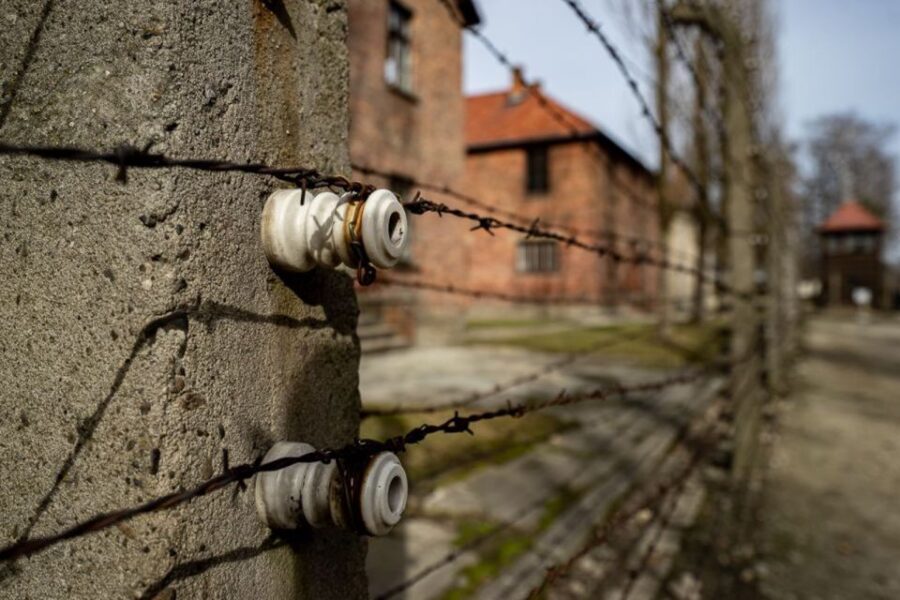
Birkenau is different. Auschwitz I is full of curated museum explanations; Birkenau is more about physical space—the scale, the layout, and the way the camp functioned as a system.
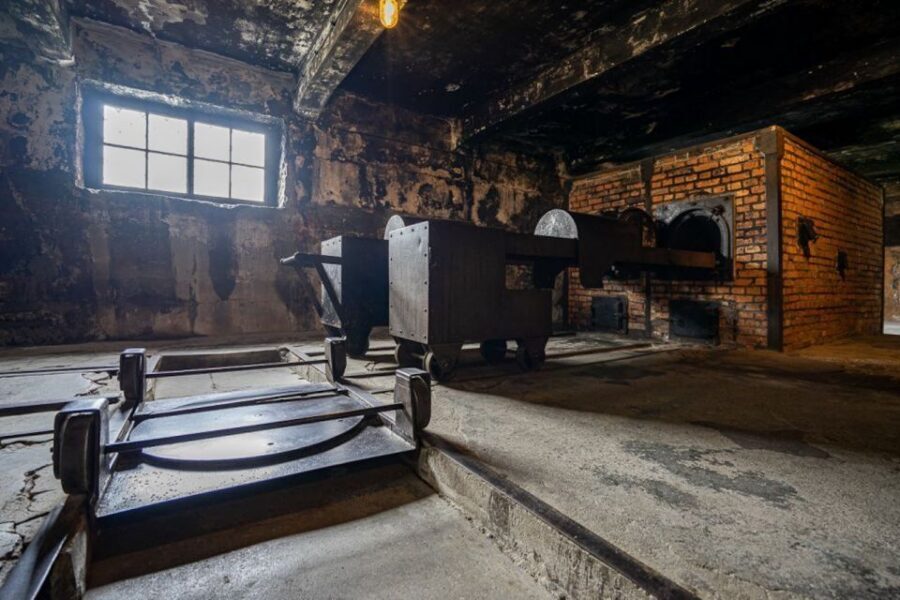
On this tour, you visit Birkenau and see original features of the site, including roads, fences, watchtowers, and gas chambers. Walking this area with a guide adds meaning to details that can otherwise blur together. For instance, you might notice how the camp boundaries and sightlines work, and you’ll understand why those elements mattered.
This stop is often where people feel the crowd pressure most. The memorial is busy, and you might have to keep moving. In one critique, the pace was described as active, and some visitors wished for a little more time to pause and absorb what they were seeing. That’s a fair consideration: if you’re someone who needs long quiet stops, go in expecting a guided flow rather than a choose-your-own-speed walk.
Lunch break and the memorial’s rhythm: what to expect
The schedule includes a 15-minute break, and if you add the lunch option, you get a fresh-made lunch box. That’s the practical part of the day, because you don’t want to spend your Auschwitz day hunting for snacks.
The bigger reality: the tour’s break timing and overall pacing depend on the memorial’s visitor service. The operator and your guide can’t fully control how long breaks last or how visitor flow moves through the site.
So plan for a day that feels “structured but human.” You’ll likely have enough time for a quick bathroom stop and a snack moment, but it won’t be a leisurely lunch hour with time to wander a café.
My advice: hydrate early, wear comfortable shoes, and pack your patience. This is one of those places where your body notices everything. You’ll walk, you’ll stand, and you’ll slow down in ways you can’t predict.


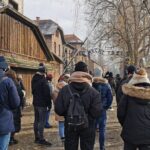
The guide and headset: how you actually hear the important parts
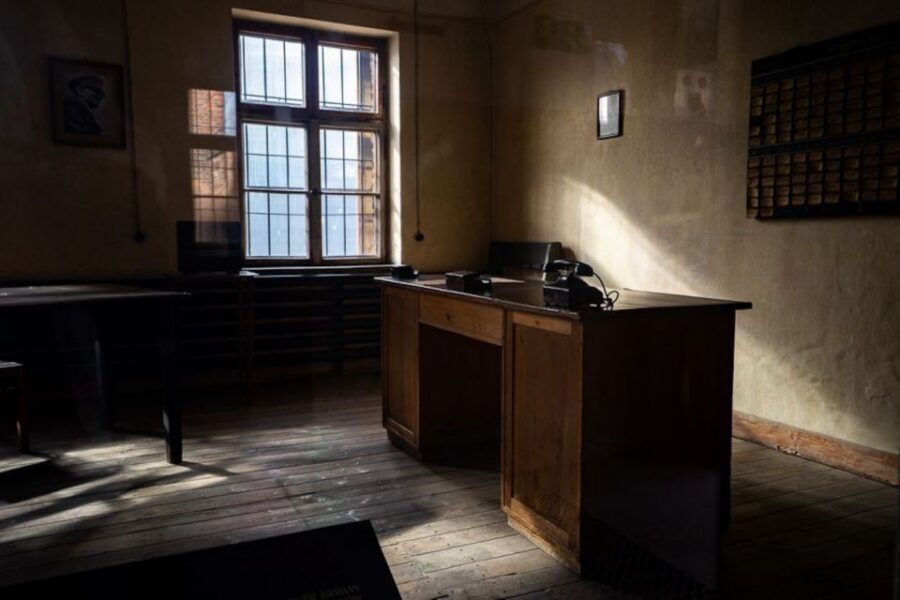
A huge strength of this tour is the live local licensed guide and the headset you receive. That means you’re not depending on shouting across a group or trying to read small text while moving.
Reviews also highlight guides who give clear guidance and lots of information, with one guide name—Anna—mentioned as excellent for Auschwitz-Birkenau history. Another review points to strong communication and pick-up clarity, which usually comes down to the same thing: the operator and guide coordination is doing its job.
German, English, and French are offered, so you can pick the language that lets you follow closely. In a place like this, “close enough” isn’t enough. You want to understand how events connect and why particular details matter.
What costs $89 really buys you
At $89 per person for a 7-hour day, you’re paying for more than transport. You’re paying for:
- Licensed guide time on-site (Auschwitz I and Birkenau)
- Headset rental so the guide is audible
- Air-conditioned car and driver for Krakow–Auschwitz–Krakow
- Pickup/drop-off support at Krakow meeting points
- A 15-minute break, plus lunch only if you select the lunch option
Value here comes from reducing your workload. You’re not arranging tickets and interpretation yourself, and you’re not piecing together transport across two major areas of the memorial complex. You’re buying a guided education packaged into one day with the least stress possible.
Would it be cheaper if you went independently? Sometimes, yes. But independent planning usually costs you time and mental energy—and at Auschwitz, that energy matters because you need to focus on understanding what you’re seeing.
What to pack (and what to leave behind)
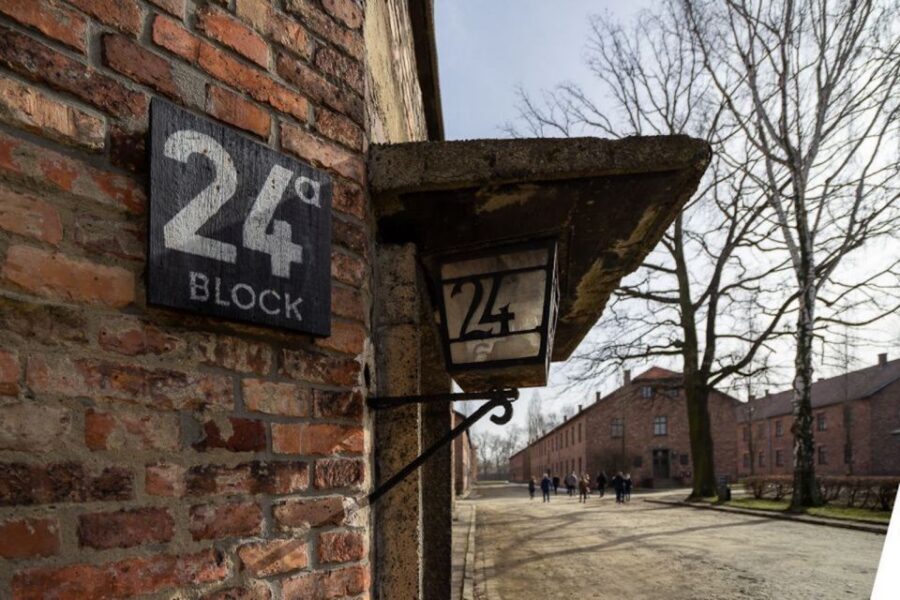
This is not a day for big bags. The tour notes that luggage or large bags are not allowed, along with a ban on sleeveless shirts. Alcohol and drugs are not allowed, and explosive substances are prohibited.
What I’d do: pack minimal, keep your outfit simple (something with sleeves), and bring only what you need. You also need an ID—passport or ID card—because entrance can be refused if the name you provide at booking doesn’t match the name on your ID.
Also: don’t overpack. If your bag is too large, you’ll waste time dealing with restrictions before you even reach exhibits.
Who this tour suits best (and who might want a different option)
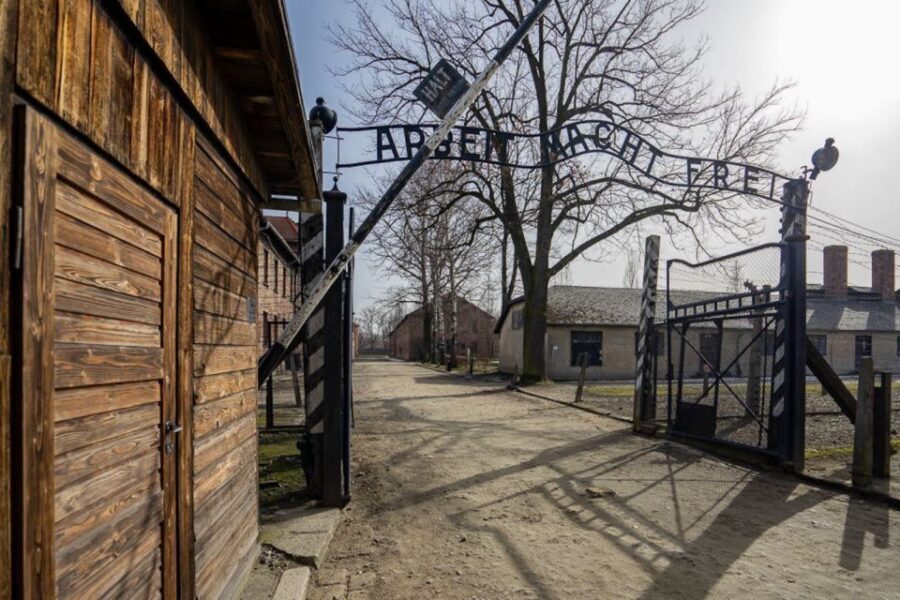
This tour is listed as not suitable for children under 14. For families with older teens, the guided explanations can help turn a hard subject into something you can process rather than something you only see.
It’s also a good fit if you want a guided structure. If you like having a clear storyline—how Auschwitz I connects to Birkenau—this setup helps a lot.
If you dislike tours entirely and want slow, independent pacing, the memorial-controlled schedule and crowds may frustrate you. Still, even visitors who prefer independence often end up appreciating the guide once they’re inside.
Should you book this Auschwitz-Birkenau tour from Krakow?
I’d book if you want the most straightforward way to visit both Auschwitz I and Birkenau with a licensed guide, headset audio, and smooth Krakow pickup and drop-off. The price feels fair for what’s included: guided interpretation at two key locations plus transport and a real plan for the day.
I’d think twice if you’re the type who needs long, silent stops or you can’t handle schedule shifts. The memorial’s visitor service sets pacing, and the preferred time isn’t guaranteed. If you know you’ll get stressed by crowd-driven movement, plan extra calm into the day.
If you do book, treat it as a focused education day, not a sightseeing day. Wear comfortable shoes, bring your ID, keep luggage small, and let the guide’s narration do what it’s designed to do: help you understand the place you’re standing in.
FAQ
How long is the Auschwitz-Birkenau full-day tour?
The duration is 7 hours.
Does the tour include a licensed guide?
Yes. A local licensed guide leads the Auschwitz-Birkenau visit and the history explanations.
Which languages are available for the live guide?
The tour is available in German, English, and French.
What are the main stops during the day?
You visit Auschwitz I Museum and Birkenau.
Is pickup and drop-off included in Krakow?
Hotel pickup and drop-off are included if you select the option.
Do I need to bring identification?
Yes. You need a passport or ID card.
What happens if my booking name doesn’t match my ID?
Entrance may be refused if the name provided at booking is not identical to the name on your ID when you enter.
Is lunch included?
A fresh-made lunch box is included only if you select the lunch option.
Are large bags or luggage allowed?
No. Luggage or large bags are not allowed.
Is the tour refundable if I cancel?
The activity is non-refundable.