REVIEW · KRAKOW
Krakow: Wawel Royal Hill with Optional Castle and Cathedral
Book on GetYourGuide →Operated by Discover Cracow · Bookable on GetYourGuide
Wawel Hill turns history into a walk. What I like most is how the guide turns stone-and-museum facts into stories of Polish royalty, with real character moments along the climb. I also love the built-in sequence of viewpoints and key monuments, from the Arms Gate area up to the panoramic stops on the hill, before you head down toward the dragon legend.
One thing to plan for: the tour focuses on Wawel Hill and the castle grounds, but Royal Chambers and Royal Cathedral entrances aren’t included, and the site is religious. You’ll want to follow the dress code (shoulders and knees covered), or you may have trouble entering indoor areas you’re hoping to see.
In This Review
- Key highlights worth your time
- Why Wawel Hill feels like the heart of Krakow
- Meeting Wawel correctly: where your guide takes over
- From luxury-hotel views to Jan Długosz: the first waypoints
- Arms Gate to Kościuszko: how the walk builds meaning
- Entering the heart: medieval courtyard and the Austrian Hospital viewpoint
- Sandomierska Tower, Bernardyńska Gate, and the dragon moment
- Royal Wawel Castle time: art, artifacts, and the museum experience
- Finishing at Wawel Cathedral: where coronations happened
- Value check: is $19 for 1.5 hours actually a good deal?
- The kind of visitor this tour suits best
- So, should you book Wawel Hill with optional castle and cathedral?
- FAQ
- How long is the tour?
- What languages are available for the guide?
- What is included, and what is not included?
- Do I need to bring an ID or passport?
- What should I wear since Wawel is a religious site?
- Can I cancel for a refund?
Key highlights worth your time
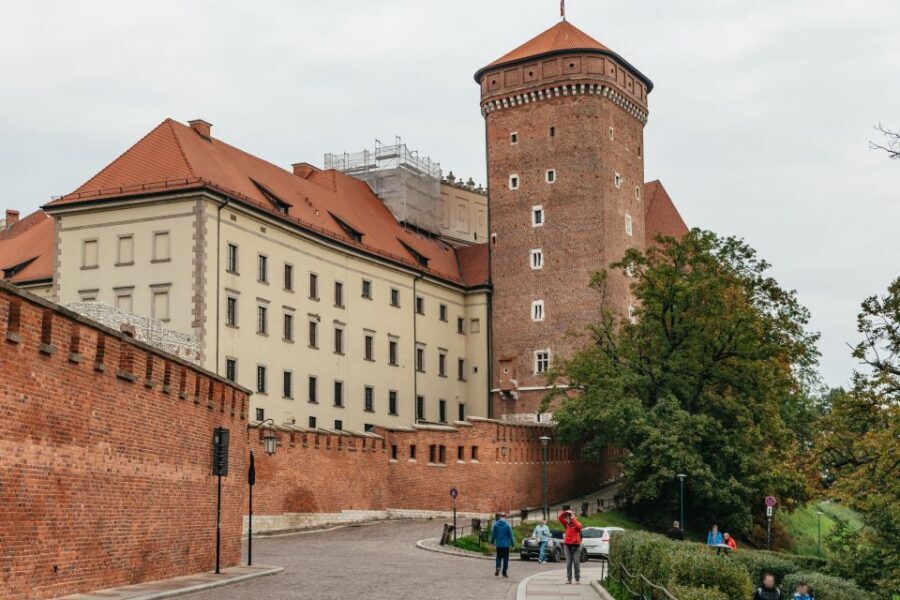
- Royal route with named stops: Arms Gate, Kościuszko monument, Bernardyńska Gate, and more, in one logical flow.
- Panoramic breaks: the medieval courtyard and the Austrian Hospital viewpoint give you Krakow in one sweep.
- Dragon-story payoff: the walk ends with the Wawel Dragon cave area, tied to the legend you’ll hear on the way down.
- Castle museum time (without the heavy slog): you get access to the Royal Wawel Castle experience as part of the tour structure.
- Art and collections that go beyond the photos: tapestries linked to Zygmunt August, Italian paintings, and an unusually specific collection topic.
Why Wawel Hill feels like the heart of Krakow
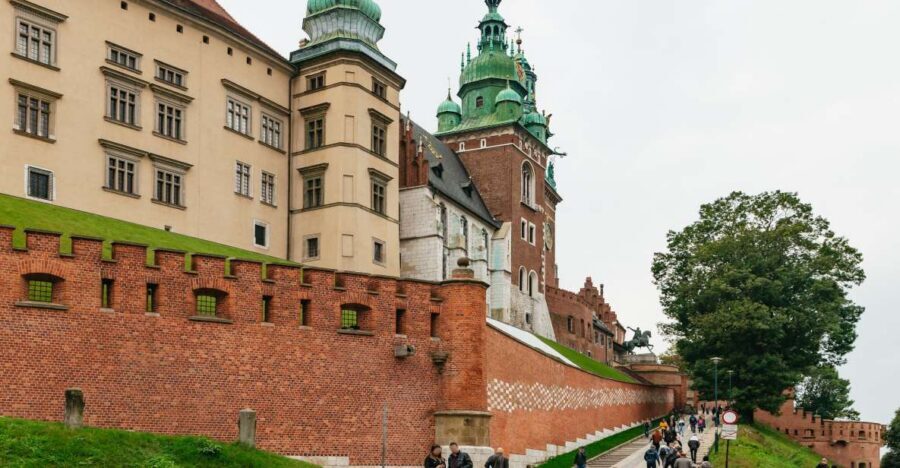
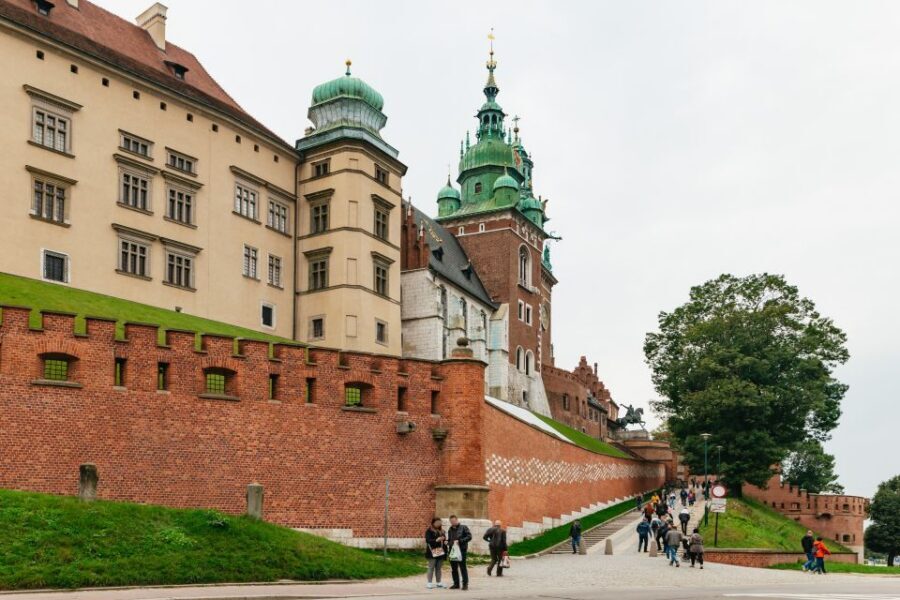
Wawel isn’t just a site on a postcard. It’s the place where Krakow’s power, faith, and identity concentrated for centuries, and the walking route helps you feel that instead of just reading about it. In about 90 minutes, you get the big-picture story of Polish kings and queens, tied to real corners of the hill.
You’ll also get a guided pace that makes the hill easier to navigate. Wawel Hill has gates, courtyards, towers, and sudden viewpoints, and without a guide it’s easy to wander and miss the connections. With a guide, the route feels like a guided film that happens to include stairs.
What makes this tour especially good value is that it’s structured around the “must-not-miss” points. You’re not stuck in one room, and you’re not wandering randomly either. The result is a quick hit of royal Poland plus the practical reward of views.
You can also read our reviews of more tours and experiences in Krakow.

Meeting Wawel correctly: where your guide takes over
You’ll start near the Pontifical University of John Paul II at Kanonicza 9 Street, in front of the university. There’s also a second start option at St. Mary Magdalene Square, so you’ll match the correct meeting spot to your ticket.
I like the setup because it’s close to the main Wawel approach. You begin with a city-to-hill transition, not with a long travel leg. And since Wawel is a busy place, showing up on time matters; if you’re late, you might not join once the group has moved.
Tip: bring a passport or ID card. It’s explicitly required, and it’s the kind of thing you don’t want to learn at check-in time. Also, keep your daypack light—Wawel’s route includes climbing and descending, and you’ll move between outdoor spots quickly.
From luxury-hotel views to Jan Długosz: the first waypoints
Before the big gates, the guide leads you through an approach that sets context fast. You pass by Krakow’s more luxurious hotel area and the house of Jan Długosz, and the angle here matters because it frames Wawel Hill as a lived-in power center rather than a lone monument.
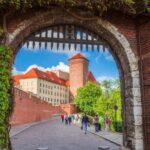
Then you start ascending through the Arms Gate area. This isn’t just a dramatic entrance moment; it’s where the tour connects architecture with authority. Gates at Wawel act like stage doors: you don’t simply cross them, you’re entering a historical zone with rules and symbolism.
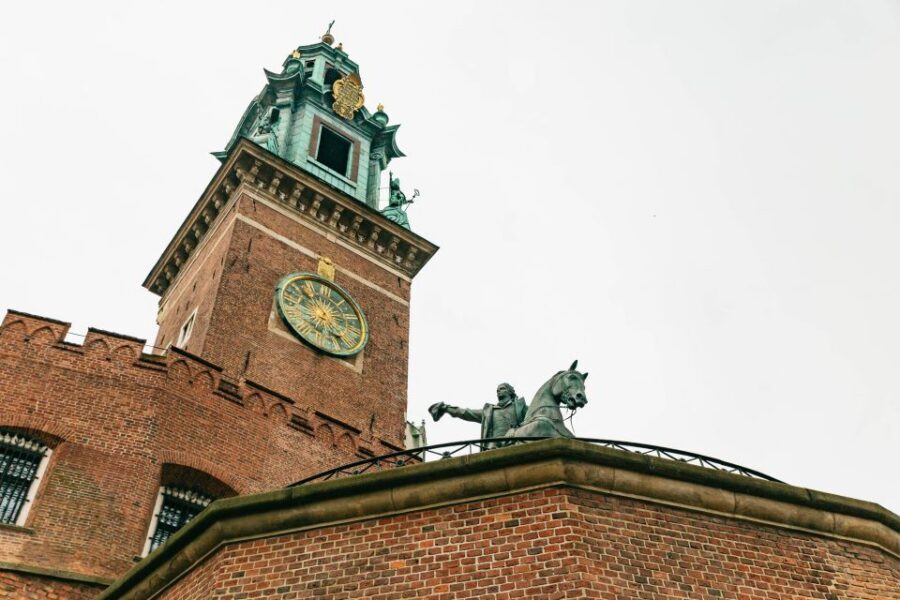
You’ll also stop at the monument to Tadeusz Kościuszko and walk past the entrance to Wawel Cathedral. That combination works well because it bridges eras—Poland’s royal era and Poland’s later national hero era—without you having to mentally switch gears.
If you like guides who can answer questions, this section is a good moment to ask. People often think they know the outline of Polish history, but the story gets more specific when it’s anchored to locations and names.
Arms Gate to Kościuszko: how the walk builds meaning
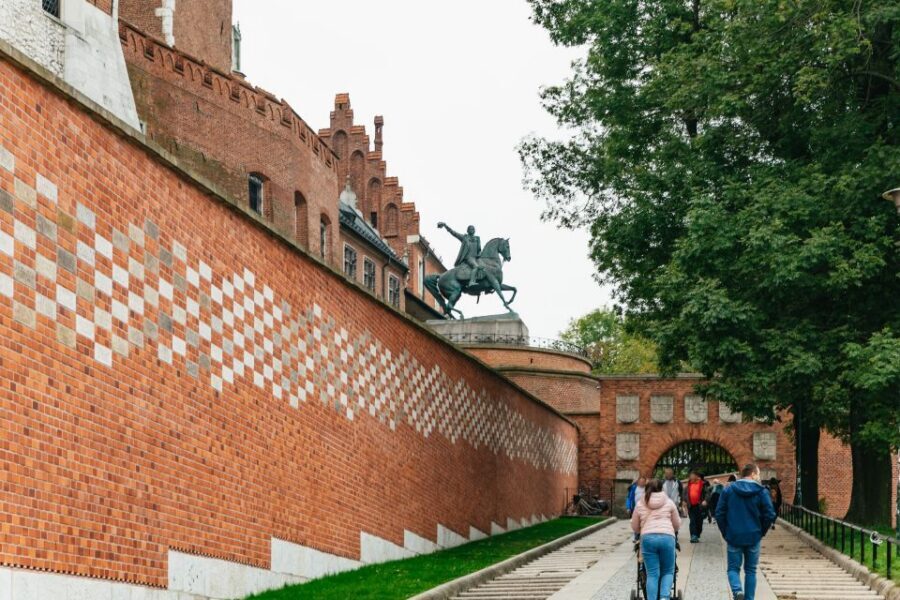
This is where the tour earns its “guided” label. Arms Gate and the Kościuszko monument help you understand how the site functions as a national symbol, not just royal décor.
The route also helps you orient yourself. You’ll learn what to look for while moving upward—what elements matter, what’s decorative, and what’s tied to specific functions over time. When the hill opens up later for viewpoints, you’ll know where you are.
One small drawback: the pace can feel brisk early on, especially if you’re trying to take photos while also staying with the group. If you want more time for questions, just keep an eye on your guide’s timing and save deeper questions for the viewpoint stops when people naturally slow down.
Entering the heart: medieval courtyard and the Austrian Hospital viewpoint
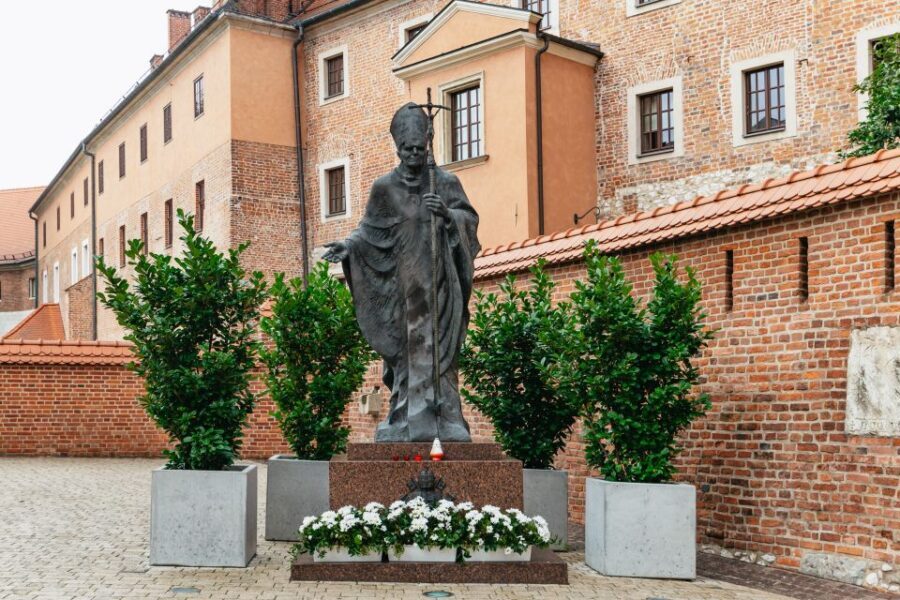
Once you reach the central hill area, the tour shifts from gates and monuments to lived-in space. You’ll visit the medieval courtyard and then the Austrian Hospital area, where you get panoramic views over Krakow.
I love this part because it gives you a reset moment. Even if you’ve been reading history your whole life, a viewpoint can make the whole story click. From up here, Krakow looks like a planned city around a power center, and Wawel stops being an isolated landmark.
The Austrian Hospital stop is a clever inclusion too. It reminds you that history isn’t only royal ceremonies; the site also served practical roles across changing political periods. Guides often use this to connect transitions in control and purpose.
Practical note: wear shoes with grip. Outdoor stone surfaces can be slick, and you’re standing and walking on uneven ground while people point out details.



Sandomierska Tower, Bernardyńska Gate, and the dragon moment
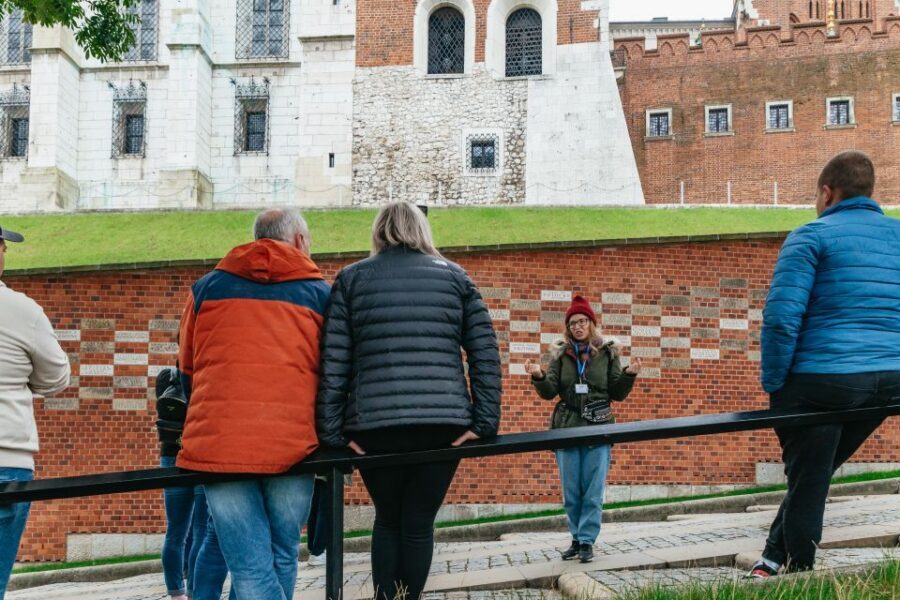
Next you’ll pass Sandomierska Tower and then descend through Bernardyńska Gate. Descending can feel like a change in pace, but it’s a smart move because it sets up the legend you’ll hear next.
And then you reach the cave area tied to the Wawel Dragon. This is one of those spots where the story matters as much as the location. The guide will connect the dragon legend to what the hill represents in Polish culture—warning stories, moral lessons, and the habit of turning place into meaning.
This section is fun without being childish. You’ll still get context, not just a gimmick. If you’re traveling with kids, they’ll likely love the dragon stop; if you’re traveling solo, you’ll appreciate the way it breaks up the museum-and-royalty density with something memorable.
Royal Wawel Castle time: art, artifacts, and the museum experience
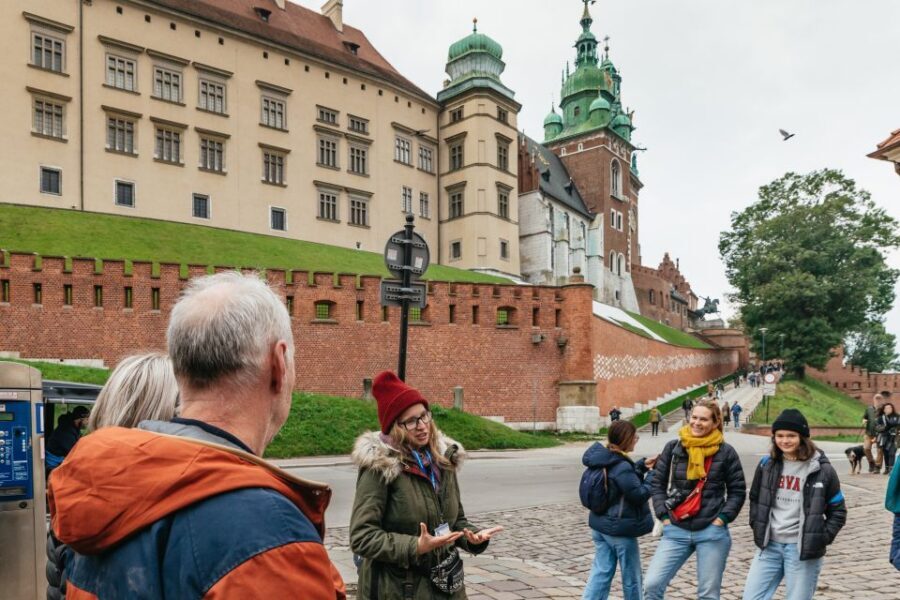
After the Wawel Hill sequence, you move into the Royal Wawel Castle experience. The castle is a major museum site since 1930, and the tour includes a focused look at highlights rather than trying to cover everything at once.
What I like here is the mix of artistic styles and real artifacts. You can expect to see Renaissance and Baroque art, including tapestries associated with Zygmunt August, plus Italian paintings. That variety helps you understand why the castle mattered beyond politics—it was also a cultural stage.
One detail that stands out is the mention of the largest collection of tents in Europe. That’s not the kind of thing you see in every palace museum, and it gives the castle a more surprising, human side. It also helps if you’re worried this will be all portraits and formal rooms.
Important: the tour does not include entrance to the Royal Chambers or Royal Cathedral. So if your main dream is to go inside those specific areas, plan for separate entry or an upgraded option depending on what you book. You’ll still get a strong castle-ground experience, but you won’t get every door open by default.
Also, photos aren’t allowed in some indoor areas. If photography matters to you, keep your expectations realistic and treat outdoor stops as your main photo time.
Finishing at Wawel Cathedral: where coronations happened
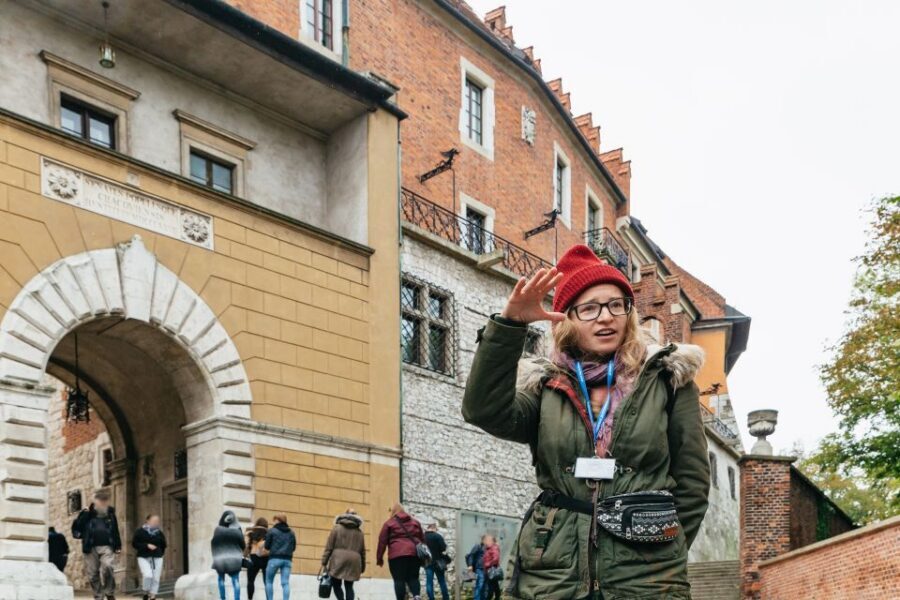
Your walk ends back near Wawel Cathedral. Even if you don’t get full indoor access to every cathedral space on this ticket, the site still lands with impact because Wawel Cathedral is where Polish monarchs were crowned.
This is the part that feels emotionally heavy—in a good way. The building isn’t just old; it’s bound to national milestones. When your guide connects coronations to the broader royal story you heard at the start, it helps the entire route feel like one arc.
If you’re trying to maximize your day, remember the dress code again. Shoulders and knees covered is the rule you’re given for the religious character of the site. Bring something you can throw on quickly if needed, especially if you planned your outfits for summer Krakow evenings rather than a church.
Value check: is $19 for 1.5 hours actually a good deal?
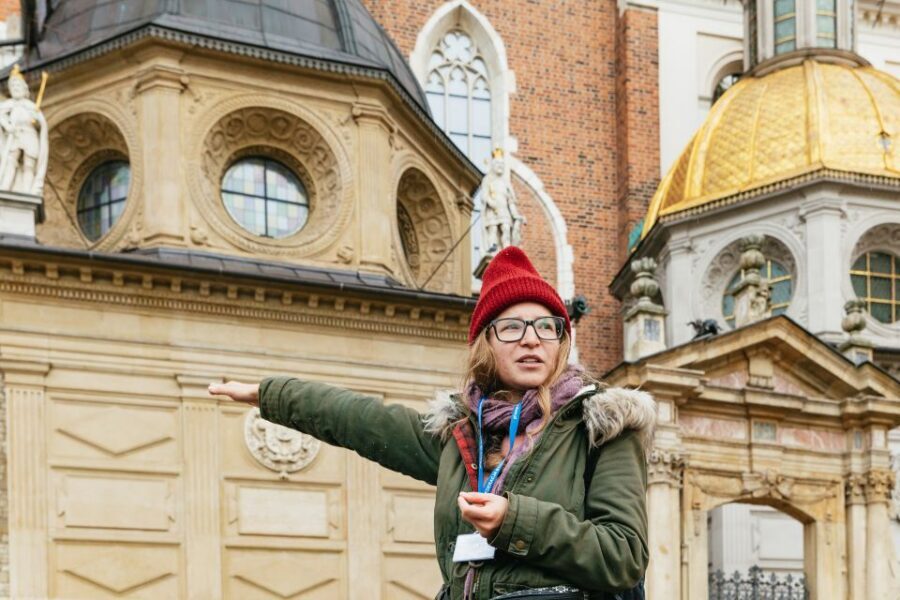
At around $19 per person for a 1.5-hour guided tour, the value depends on what you want. If you want a self-guided stroll, Wawel Hill is walkable on your own. But you’d miss the “why” behind the route—what each gate and stop means in the royal story, and what you’re supposed to notice as you move.
This tour includes the guide and the Wawel Hill walking tour, and it packs in a lot of “named” stops. The guide component is the money-maker: you get context for Polish kings and queens, plus practical storytelling that makes the place easier to understand fast.
The only real value trade-off is what’s not included: entry to Royal Chambers and Royal Cathedral. If those indoor rooms are your top priority, you might pay less by keeping this as your orientation tour, then adding specific entries later. If your priority is a full museum deep dive inside every major room, you may want a different ticket or additional admissions.
Still, for many visitors, this is a smart first pass. It gets you oriented, it gives you the viewpoints, and it sets up what you should focus on if you decide to return.
The kind of visitor this tour suits best
This fits especially well if you:
- want a fast, guided first encounter with Wawel Hill
- like history tied to actual locations and names
- prefer outdoors walking with a few indoor museum highlights, instead of one long indoor day
- enjoy asking questions and getting answers on the route
It’s also a solid choice if your schedule is tight. The tour is only 1.5 hours, which works even if you’re also planning nearby Krakow sights later.
If you’re slow-walking and like long photo pauses, I’d still consider it, but go in with the right mindset. You’ll want comfortable shoes and a willingness to move at a group rhythm. One note from the overall experience style: some guides have been praised for energy and clarity, so if your tour has a high-energy guide, staying close helps you catch everything they point out.
So, should you book Wawel Hill with optional castle and cathedral?
If you want a high-impact Wawel experience that gives you both royal storytelling and the best viewpoints in a short time, I think this is a strong yes. For the money, you’re paying for guidance and structure—two things that matter a lot at a complex site like Wawel.
Just be honest about your priorities. This is not a guaranteed full interior tour of everything. With Royal Chambers and Royal Cathedral entry not included, you may need add-ons if those are must-sees.
My take: book it if you want to get your bearings fast and understand the place. Then, if Wawel really grabs you, you’ll know exactly what to target for a follow-up visit.
FAQ
How long is the tour?
It lasts 1.5 hours. Starting times vary, so check availability for the times offered.
What languages are available for the guide?
The live tour guide is available in English and Polish.
What is included, and what is not included?
Included is the guide and the Wawel Hill walking tour. Not included are entrances to the Royal Chambers and Royal Cathedral.
Do I need to bring an ID or passport?
Yes. You should bring a passport or ID card.
What should I wear since Wawel is a religious site?
Dress appropriately with shoulders and knees covered. If you don’t dress suitably, you might not be admitted to areas that require it.
Can I cancel for a refund?
Yes. Free cancellation is available up to 24 hours in advance for a full refund.