Nikiszowiec turns a coal town into living history.
On this private English tour, you trace how an industrial neighborhood was planned, how people lived inside those blocks, and how the big shocks of World War I and II shaped daily life in Silesia. You also get art stops that make the region’s legends feel oddly close to home.
I especially love two things here. First, the storytelling quality is a standout, with guides like Ms. Malwina praised for clear presentation and strong local context. Second, the mix of places is smart: you move from worker housing and school life to the mining infrastructure that powered the whole district.
One thing to consider: the tour depends on weather, and a lot of the time is spent walking and passing by key spots rather than doing long indoor visits. If you prefer lots of museum time, plan for one main museum stop and several exterior viewing moments.
In This Review
- Key things to know before you go
- Nikiszowiec feels different from the rest of Poland
- Starting at Kościół pw. św. Anny in Katowice (your orientation point)
- The Square of Zillmanns: the plan behind the streets
- Liberation Square and common portals: how the neighborhood ran
- Historic mining district: gardens, quarters, and wartime turns
- Silesian Embassy stop: interwar autonomy to communist change
- Pułaski Shaft Complex: where work happened, with rail lines to match
- Art stops: legends, murals, and watercolor creativity
- Museum of Katowice History: typical flats and Silesian art inside
- Time, walking rhythm, and what you’re really paying for
- Who this private tour is best for
- Should you book this Nikiszowiec Industrial District Private Tour?
- FAQ
- How long is the Nikiszowiec Industrial District Private Tour?
- Is this tour private, or will I be mixed with other groups?
- What language is the tour offered in?
- Where do we meet, and where does the tour end?
- Are tickets included for the stops?
- When will I get confirmation after booking?
- Is there a weather requirement?
- Can I bring a service animal?
- What is the cancellation policy?
Key things to know before you go
- Private and in English: only your group, with a guide who can pace the walk for your questions.
- Zillmann planning is the thread: you’ll learn how the district’s quarters were meant to function day to day.
- Mining working life, not just monuments: the Pułaski Shaft Complex stop focuses on how people and materials moved.
- Silesian history in clear time blocks: World War I, Silesian Uprisings, the interwar period, then communism after WWII.
- Art and murals are part of the story: paintings, atelier viewing, and the Janów Group artworks connect culture to place.
- Museum of Katowice History entry is included: one of the stops has an included admission ticket.
Nikiszowiec feels different from the rest of Poland
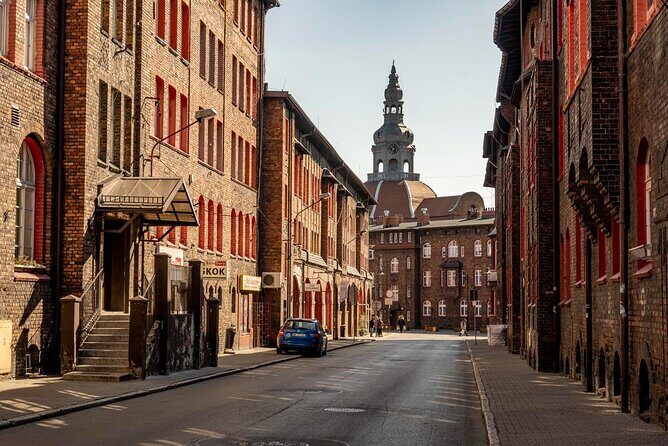
If you’re used to the big-ticket cities of Poland, Nikiszowiec in Katowice can feel like you landed in a different country. That’s not just the architecture. It’s the way the district is built around work, community routines, and local identity, all shaped by the industrial engine of Silesia.
You’ll see how streets, courtyards, and “quarters” were designed to handle daily life, not just impress visitors. And you’ll also notice how art has taken on a job here too—helping people remember legends, myths, and the emotional tone of the region.
This is one of those tours where history doesn’t sit behind a glass case. It sits in the planning of the place.
You can also read our reviews of more private tours in Krakow


Starting at Kościół pw. św. Anny in Katowice (your orientation point)
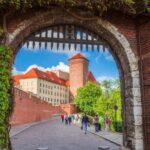
You meet at the church of Kościół pw. św. Anny in Katowice, at plac Wyzwolenia 21. The early stop is small in time but useful for orientation: you get an easy entry into the district’s background and the local ethnic identity that shaped Silesia’s communities.
Since the tour is only about 2 hours 45 minutes, this kickoff matters. It sets the frame so later details—like how quarters are organized and why certain buildings exist—make more sense on the walk.
If you like tours that give you a “why” before the “what,” this start hits that sweet spot.
The Square of Zillmanns: the plan behind the streets
Right after the church, you head to skwer Emila i Georga Zillmannów, known as the Square of Zillmanns. This is where you learn the big-picture idea behind Nikiszowiec: the purpose of the district and its architectural plan, plus how nearby areas fit into the overall scheme.
This part is valuable because Nikiszowiec isn’t random. It’s organized. The guide helps you connect what you’re seeing to why it was built that way in the first place.
In practical terms, this means you’ll walk into the district later with better “map vision.” Instead of just admiring facades, you start understanding function: divisions into areas, what each quarter is for, and how the whole neighborhood was intended to work.
Liberation Square and common portals: how the neighborhood ran
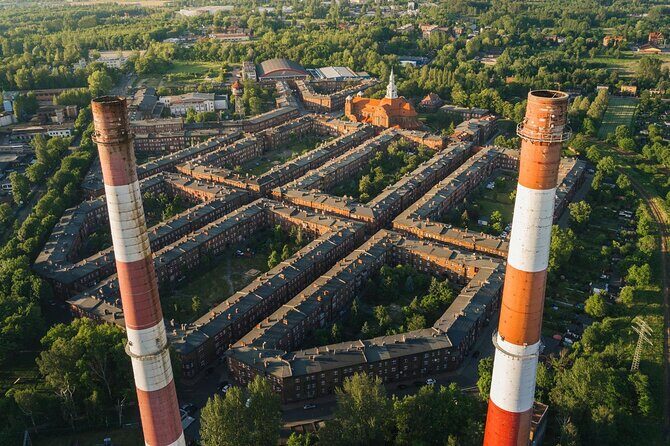
Then you move through the area near Liberation Square and into the heart of Nikiszowiec. The focus shifts to daily routines—how residents used common portals and how the layout supported everyday movement through the neighborhood.
This is where the tour starts to feel real. The guide’s explanation turns buildings into lived experience: not just what exists, but how people likely used it.
You’ll also get a sense of how the district’s internal structure is organized. The quarters aren’t just labeled on a map; they’re tied to roles, practical needs, and community life.
If you enjoy urban planning or architecture, this section is a strong reason to book.
Historic mining district: gardens, quarters, and wartime turns
One of the most time-consuming stops is the Nikiszowiec Historic Mining District, where you pass from residential areas into multiple quarters and interior gardens. Expect a guided explanation of how life looked back then and how it looks now.
This portion connects three things:
- housing as a system
- work as the reason the system existed
- major historical disruptions as turning points
You also touch on key periods, including World War I and the Silesian Uprisings. Those events aren’t treated as abstract dates. The guide ties them back to how residents’ lives could be altered by conflict and political change.
If you’re trying to understand why Silesia feels distinct from other parts of Poland, this is a high-impact part of the route. You see the geography of the story.
Silesian Embassy stop: interwar autonomy to communist change
Next is the stop connected to Łukasz Kohut – Ślōnsko Ambasada. Even though you’re passing by rather than entering a long museum-style space, the guide uses it to explain the meaning of the interwar period—especially the Autonomous Region of Silesia.
Then you jump forward to how events in World War II and the changes brought by communism affected Nikiszowiec. The contrast helps you see that this isn’t only about mining. It’s also about power, borders, and systems imposed on communities.
This kind of historical threading is great for anyone who gets confused when reading about Silesia. It’s a lot easier to hold the timeline in your head when the guide anchors it to specific places you’re seeing.
Pułaski Shaft Complex: where work happened, with rail lines to match
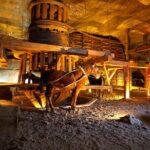
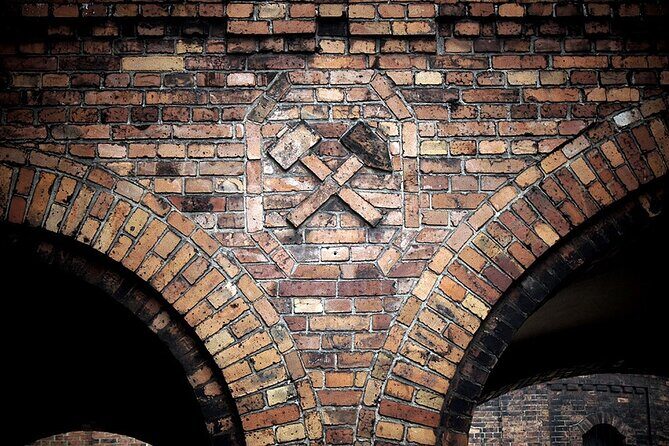
At Pułaski Shaft Complex, you head toward the former coal mine—the workplace that shaped daily life for Nikiszowiec residents. This is the stop where industrial details start to explain everything else you’ve been hearing.
You’ll see the historic railway used to transport industrial materials and people between estates across Silesia. That detail matters. It’s one thing to say the district was built for mining. It’s another to understand how the whole industrial network moved people and materials.
In many European cities, industrial heritage is reduced to a building. Here, you get the functional connection: work came with routes, systems, and movement.
If you like industry-focused travel (or you want something different from the usual church-and-square route), this is a key moment.
Art stops: legends, murals, and watercolor creativity
Not all cultural memory lives in archives. Part of it lives on walls and in artwork, and this tour leans into that.
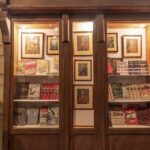
You’ll pass by Grzegorz Chudy – Atelier z akwarelami, where you’ll see contemporary paintings connected to Nikiszowiec, Katowice, and the wider Silesia region. The art includes Silesian legends and mythical creatures—so you’re not only learning facts, you’re seeing how the region imagines itself.
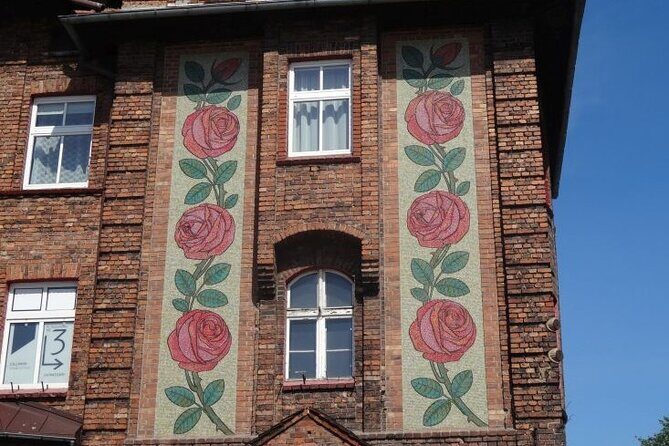
Later, you also reach Skwer Artystów Grupy Janowskiej, a square featuring colorful murals that are reproductions of artworks connected to the Janów Group. These murals help you visually connect the neighborhood with the creative movement tied to Silesian identity.
Add to that the brief pass by Szkoła Podstawowa im. S. Żeromskiego 53, and you get a nice sense that this isn’t just about workers in factories. It’s also about schools and everyday community institutions.
Museum of Katowice History: typical flats and Silesian art inside
The tour includes one main indoor stop: the Museum of Katowice History. City Ethnology Department. This segment is about 30 minutes, and admission is included.
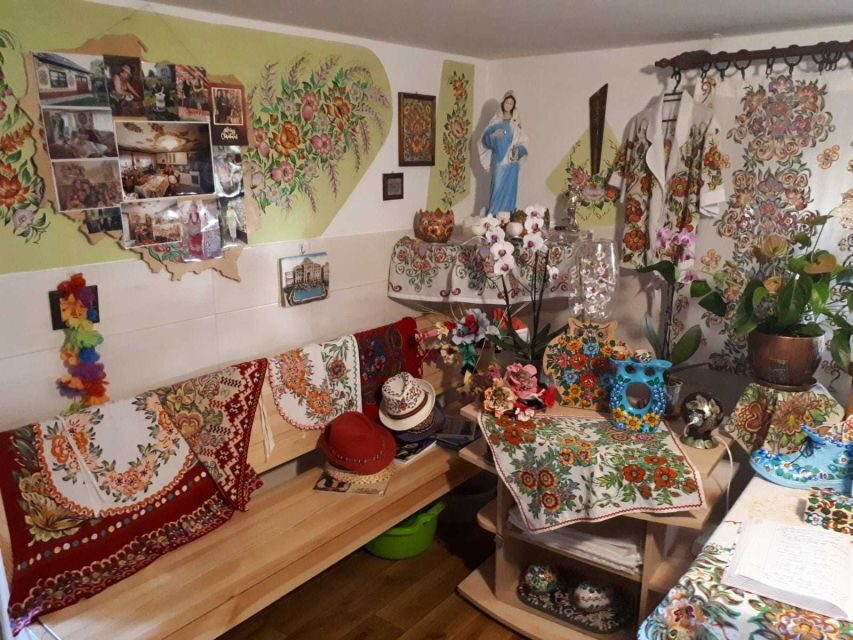
Here, you see the interiors of typical flats from Nikiszowiec. That’s important because housing tells the truth about priorities: space, comfort, family life, and what daily routines required.
You also see original artworks linked to the Janów Group, depicting daily and festive life in Nikiszowiec. One especially memorable element in the description is the surrealistic artwork often referred to as the Silesian Slavador Dali. If you like art that feels slightly strange and totally human, this can be a fun stop.
Compared with the outdoor viewing moments, this is the place where you slow down. It’s where the district becomes personal because you’re seeing it through room-size details.
Time, walking rhythm, and what you’re really paying for
The tour runs about 2 hours 45 minutes. That time window is long enough to cover a meaningful chunk of Nikiszowiec and still short enough to keep energy up, especially if you’re mixing this with other Katowice sightseeing.
You’re also paying $93.45 per person, and that number starts to make sense when you look at what’s included:
- it’s private, so only your group is on the walk
- it’s in English
- most stops have admission free
- the museum admission is included
- there’s a mobile ticket provided
Group discounts are also mentioned, which can be great if you’re traveling with friends or family and want one guide to handle the whole route without splitting up.
If you’re thinking about value, the biggest benefit is focus. A private tour is often less about moving fast and more about getting the right explanation for the places you’re actually standing in.
Who this private tour is best for
This fits well if you want something more grounded than a standard city stroll. You’ll like it if you care about:
- how neighborhoods are planned
- industrial working life and what it changes
- how big historical events land in everyday streets
- art that’s tied to local identity, not just national masterpieces
It’s also a strong choice for families. The pacing and story structure make it easier to keep kids and teens engaged than you might expect, especially when murals and art stops break up the walking.
If you’re comparing regions within Poland—trying to understand why Silesia feels distinct—this tour gives you a clean, place-based education.
Should you book this Nikiszowiec Industrial District Private Tour?
I’d book it if you’re the type of traveler who likes context. Nikiszowiec isn’t only pretty. It’s purposeful, and the guide work is the difference between seeing buildings and understanding a community.
I’d think twice if you’re chasing a mostly indoor museum marathon. The tour includes one included museum stop, but many other moments are built around passing sights and guided explanations outdoors.
If you can match the weather and you want a private, English explanation of Silesia’s industrial and cultural identity, this is a solid pick at the price point.
FAQ
How long is the Nikiszowiec Industrial District Private Tour?
It lasts about 2 hours 45 minutes.
Is this tour private, or will I be mixed with other groups?
It is a private tour. Only your group participates.
What language is the tour offered in?
The tour is offered in English.
Where do we meet, and where does the tour end?
You meet at Kościół pw. św. Anny in Katowice, plac Wyzwolenia 21, 40-423 Katowice, Poland. The tour ends back at the meeting point.
Are tickets included for the stops?
Most stops list admission as free. The Museum of Katowice History, City Ethnology Department has admission included.
When will I get confirmation after booking?
You should receive confirmation within 48 hours of booking, subject to availability.
Is there a weather requirement?
Yes. The experience requires good weather. If it’s canceled due to poor weather, you’ll be offered a different date or a full refund.
Can I bring a service animal?
Service animals are allowed.
What is the cancellation policy?
You can cancel for a full refund up to 24 hours in advance of the experience start time. If you cancel less than 24 hours before, the amount paid is not refunded.