REVIEW · KRAKOW
Nowa Huta Steel Mill Administration Buildings and Shelters with local NGO
Book on Viator →Operated by Fundacja Promocji Nowej Huty · Bookable on Viator
Concrete corridors, Soviet memory. The Nowa Huta administration buildings are a classic example of Socialist Realist architecture, and the tour’s underground cold war bomb shelter turns Poland’s communist-era planning into something you can actually stand in and feel. I also like that you hear historic tapes from the steelworks’ radio station, not just facts on a wall. One thing to consider: this is an aging, partially abandoned complex, so expect a slightly rough feel in places—and you’ll be walking on uneven indoor spots plus underground areas.
You’ll get a mix of a local guide and a professional guide, and the vibe is straightforward: you’re learning how the system worked through the spaces it built. The group stays small (up to 15), and the tour is offered in English, which makes it easy to ask questions without losing the pace. You meet at Ujastek 1 in Kraków, near public transportation, which helps if you’re juggling a packed day.
At about $27.63 for 1.5–2 hours, this is strong value for a highly specific slice of 20th-century history—especially if you care about architecture, industry, and Cold War fear in equal measure. Just know the building’s condition and the way items are displayed may feel more like an organized exhibition than a perfectly preserved time capsule.
In This Review
- Key things to know before you go
- Nowa Huta’s Administration Buildings: Socialist Realism in Steel City Form
- Offices, Meeting Rooms, and the Story in the Details
- The Underground Shelter: Cold War Planning You Can Walk Through
- Worker’s Theater and the Human Side of an Industrial System
- Historic Radio Tapes: Sound Makes the System Feel Real
- Who Runs the Tour: Fundacja Promocji Nowej Huty
- Getting There: Ujastek 1 in Kraków
- Pace and Physical Fitness: Comfortable Shoes Are Non-Negotiable
- Photos and Souvenirs: What’s Included, What Costs Extra
- Price and Value: About $27.63 for a Very Specific Place
- A Balanced Take: What Might Feel Off If You Want One Perfect Narrative
- Should You Book Nowa Huta’s Steelworks Buildings Tour?
- FAQ
- How long is the Nowa Huta steelworks administration and shelter tour?
- What does the tour cost?
- Is the tour offered in English?
- How many people are in a group?
- Where do I meet the guide in Kraków?
- What’s included in the price?
- Is hotel pickup or drop-off included?
- What will I see during the tour?
- Are children allowed?
- What about cancellation if plans change?
- How physically demanding is it?
Key things to know before you go
- Socialist Realism in the 1950s style: administrative spaces built to project power, order, and ideology
- Underground bomb shelter access: Cold War planning you can walk through
- Historic radio tapes: sound from the steelworks helps the story click
- Small group feel: maximum 15 travelers makes it easier to move and ask questions
- A mix of decades inside: you may see artifacts spanning from early steelworks years through later periods
- Comfort matters: moderate fitness is needed for underground sections and longer walking
Nowa Huta’s Administration Buildings: Socialist Realism in Steel City Form
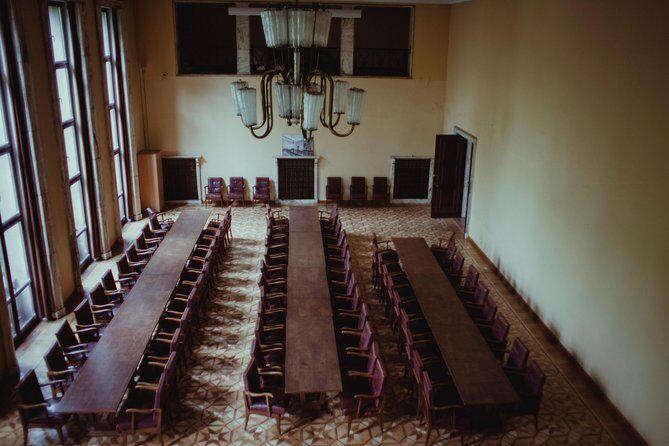
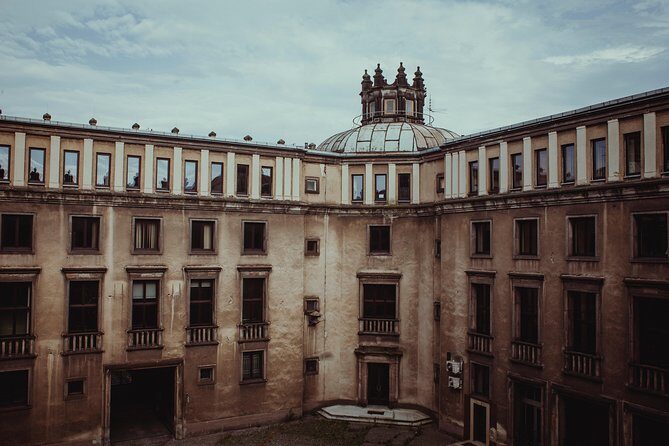
If you’ve been to Kraków’s old town, you know the contrast matters. Nowa Huta is different on purpose. This tour focuses on the steelworks administration buildings—the places where decisions, paperwork, and image-making lived—so you can connect how the regime looked with how it ran.
The standout here is the architectural language of the 1950s. Think bold forms, heavy proportions, and that unmistakable Socialist Realist mindset: buildings meant to communicate authority before anyone even spoke. Even if you’re not an architecture buff, the design helps you understand why Nowa Huta was built as a model society, not just an industrial site.
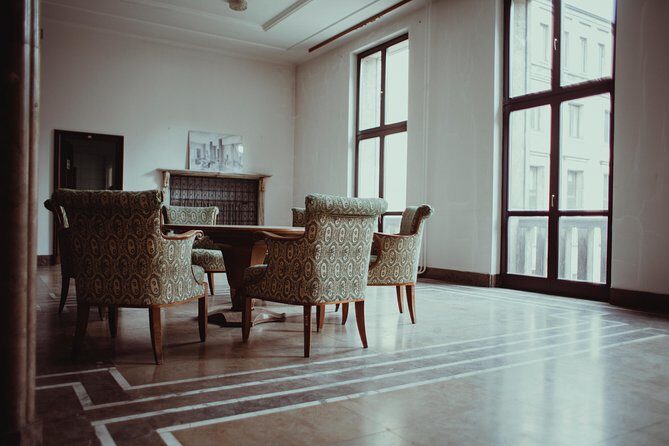
I also like that you’re not only looking at exteriors. You move through spaces that feel like they were meant to host routines: offices, meeting rooms, and public-facing areas linked to the steelworks’ leadership layer.
You can also read our reviews of more tours and experiences in Krakow.

Offices, Meeting Rooms, and the Story in the Details
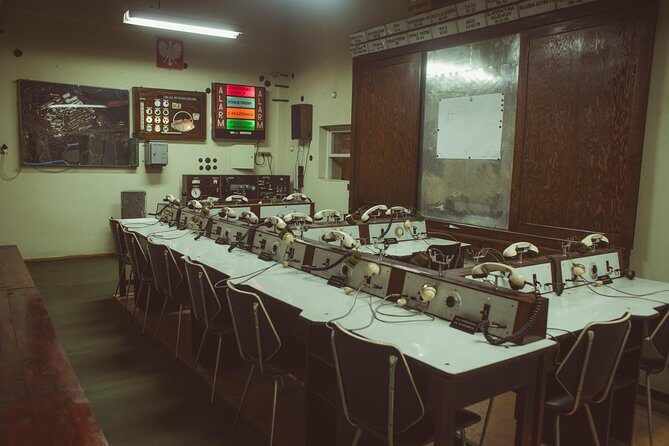
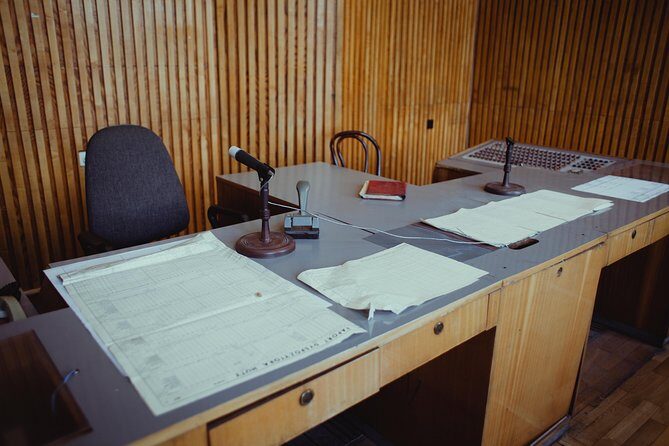
Inside, the tour gives you the feeling of walking through the working brain of the plant. You get access to administrative areas and you can see how the steelworks organized itself through rooms dedicated to control, coordination, and communication.
A practical tip: expect to see objects that span different time periods. The complex has served across decades, and the supporting NGO work also means displays may be arranged to explain the story for visitors. So you’ll get context and meaning, but it may not read like one perfectly frozen year.
That’s not a negative—it just helps you set expectations. If what you want is a strict one-era reconstruction, you might feel the seams between eras more than you’d like. If you want the bigger picture of how the system evolved, this approach makes sense.
The Underground Shelter: Cold War Planning You Can Walk Through
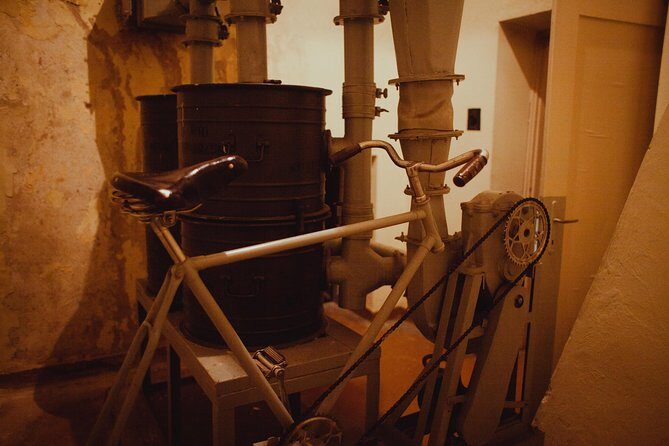
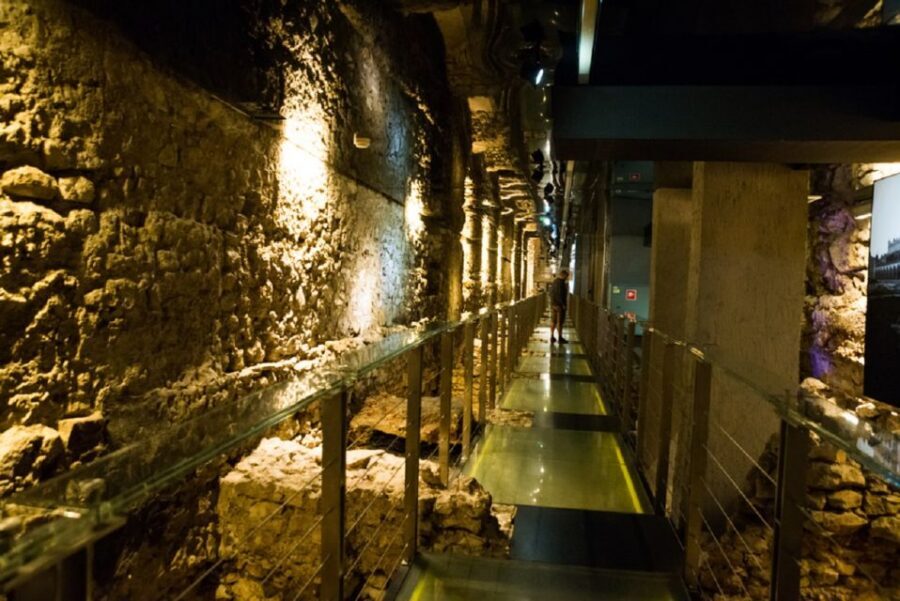
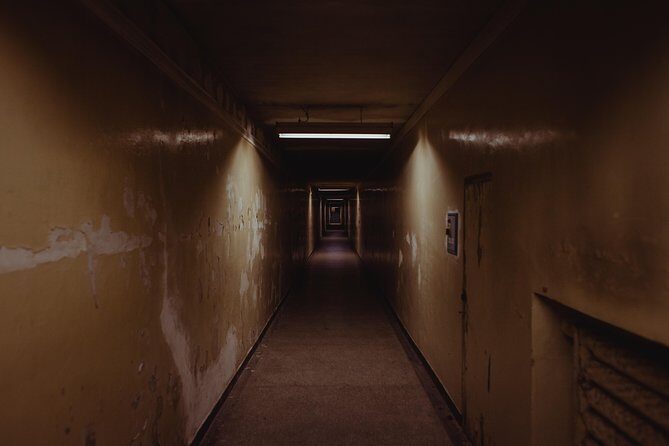
The underground portion is the piece most people remember. You’ll visit the underground cold war era bomb shelter, and the experience is physical in a way museum photos can’t match. Underground spaces force you to slow down. Your attention gets pulled to materials, layouts, and the basic logic of survival planning.
Even when the shelter isn’t fully dramatic on the surface, the setup carries weight. You get a direct sense of how fear of attack shaped infrastructure, down to what people might need if the worst happened. It’s the kind of place where history becomes more than politics—you understand it as engineering built for a specific threat mindset.
Moderation note: this is not a tour where you can glide along and ignore your body. The shelter area includes walking and movement in tighter, less forgiving spaces, so bring a steady pace and wear shoes you trust.
Worker’s Theater and the Human Side of an Industrial System
A tour of a steelworks can stay stuck in machinery and ideology. Here, it adds a human layer through spaces like the worker’s theater—places that signal leisure, culture, and community inside a planned society.
What I find useful about seeing this kind of room is that it keeps the story balanced. You’re not only learning about fear and control. You’re also seeing how the system tried to fill daily life with scheduled meaning. When you add that to what you see in the administration areas, you get a fuller view of how power reached beyond factories.
You may also notice how the complex reflects the priorities of different phases of the plant. That’s part of what makes the tour more than a single-style set piece.
Historic Radio Tapes: Sound Makes the System Feel Real
One of the more memorable features is listening to historic tapes from the steelworks’ radio station. That’s a smart choice for a tour like this, because sound tells you how people communicated and what mattered enough to broadcast.
It also helps you avoid the trap of treating everything as stone and paperwork. When you hear voices and messages tied to the steelworks world, the buildings become part of a living communication network, not just a historic shell.
If you enjoy learning through audio—short clips or readings—this element is worth paying attention to. It turns the architecture into a stage where announcements and daily rhythms once traveled.
Who Runs the Tour: Fundacja Promocji Nowej Huty
This experience is run by a local organization focused on promoting Nowa Huta. You can feel that local involvement in how the tour is delivered: you’re not just getting facts dropped in your lap. You’re getting a guided narrative shaped by people who care about the site and its meaning.
The guide matters here. In the past, guides like Mateusz have been specifically noted for being engaged and strong on details. If you’re booking and there’s an option to request a particular guide or you’re told who will lead your group, it’s worth leaning toward the guides with proven passion for Nowa Huta’s story.
Getting There: Ujastek 1 in Kraków
Your start and end point is Ujastek 1, 31-752 Kraków. Meeting is right at Ujastek 1, on the opposite side of the street.
Good news for your day plan: the meeting spot is near public transportation, so you’re not forced into a taxi-only strategy. Still, double-check your route the day of, especially if you’re combining this with other Kraków sights. Industrial-city streets can feel odd at first compared to the old town grid.
Also note the duration: plan on around 1 hour 30 minutes to 2 hours, so you don’t schedule something tight right after—especially with the underground segment.
Pace and Physical Fitness: Comfortable Shoes Are Non-Negotiable
This tour asks for moderate physical fitness. That translates to: you’ll do a solid amount of walking, and you’ll move through indoor and underground areas that are not designed for a smooth stroll.
My practical advice:
- Wear shoes with grip you trust on floors that might be uneven.
- Dress in layers. Underground areas can feel cooler, and you’ll shift between spaces.
- If you’re sensitive to tight corridors or stairs, consider whether you want a shelter-focused visit. The core of the experience is underground.
If you’re traveling with kids, children must be accompanied by an adult. For families, the key question is whether your child can handle the underground portion and stays engaged for the full 1.5–2 hour window.
Photos and Souvenirs: What’s Included, What Costs Extra
Souvenir photos are available to purchase, but they’re not included in the base experience. If you’re the type who wants a keepsake, budget a little for that on-site add-on.
Otherwise, the tour is about the buildings and the explanations. You don’t need to over-plan your photo time, but you should expect that the underground areas may limit the best angles and lighting.
Price and Value: About $27.63 for a Very Specific Place
At $27.63 per person, you’re paying for a guided visit into an industrial complex that most people only see from afar. The value comes from three things working together: access to the administration spaces, access to the underground shelter, and interpretation through sound (radio tapes) plus on-the-ground guidance.
You also get both a local guide and a professional guide included. That dual approach matters because it usually means you’ll get both the site-specific perspective and the broader historical framing.
Group discounts are available, and the group size cap at 15 helps keep the experience from turning into a head-bobbing line walk. Average booking happens about 19 days in advance, so if you want a particular day or time, don’t treat this as a last-minute idea.
A Balanced Take: What Might Feel Off If You Want One Perfect Narrative
This tour aims to show Poland’s communist past through Nowa Huta’s built environment. That means the framing can lean toward connecting many negatives of the period to communism, since the system and the buildings are inseparable here.
If you prefer a strictly comparative approach—how things in the West differed in similar industrial sites—you might wish for more side-by-side detail. Still, the core strength is that you’re not getting a textbook lecture. You’re seeing the physical imprint of a particular ideology on daily life, industry, and even emergency planning.
Should You Book Nowa Huta’s Steelworks Buildings Tour?
Book it if you want something more specific than a standard Kraków history stop. This is ideal for you if:
- you care about Socialist Realist architecture and industrial planning
- you want a hands-on Cold War experience via an underground shelter
- you like history that shows up in rooms, not just behind glass
- you want a small-group guided format in English
Skip it if:
- underground spaces and moderate walking are a hard no for you
- you want a perfectly preserved single-year museum-style presentation
- you’re short on time and need a quick hit rather than a focused 1.5–2 hour visit
FAQ
How long is the Nowa Huta steelworks administration and shelter tour?
It runs about 1 hour 30 minutes to 2 hours.
What does the tour cost?
The price is $27.63 per person.
Is the tour offered in English?
Yes, it is offered in English.
How many people are in a group?
The tour has a maximum of 15 travelers.
Where do I meet the guide in Kraków?
You meet at Ujastek 1, 31-752 Kraków, Poland, on the opposite side of the street. The tour ends at the same meeting point.
What’s included in the price?
You get a local guide and a professional guide.
Is hotel pickup or drop-off included?
No, hotel pickup and drop-off are not included.
What will I see during the tour?
You’ll tour Nowa Huta’s administrative buildings and its offices, visit an underground cold war era bomb shelter, and see additional areas such as a worker’s theater. You’ll also hear historic tapes from the steelworks radio station.
Are children allowed?
Yes, but children must be accompanied by an adult.
What about cancellation if plans change?
You can cancel for a full refund up to 24 hours before the experience starts, with free cancellation based on the local time cutoff.
How physically demanding is it?
It requires a moderate physical fitness level, since you’ll be walking and visiting underground areas.