REVIEW · KRAKOW
Schindler’s Factory Guided Tour In a Small Group
Book on Viator →Operated by Explore Cracow · Bookable on Viator
WWII history, in a real factory. This guided visit to Schindler’s Factory Museum walks you through Kraków under Nazi occupation, using a mix of story and museum exhibits to explain how Oskar Schindler saved about 1,200 Jewish people. You get to pick from multiple time slots, and you’re set up for a smooth entry without wasting time in line.
Two things I really like: the museum is crowded, and having a guide helps you see the important stuff without feeling like you’re fighting the crowds for every sign. I also like how the tour frames the story in context beyond one man, connecting the occupation, the ghetto, and the Holocaust while still keeping Schindler’s role front and center.
One drawback to consider: if you expect a straightforward, behind-the-scenes factory walk, you might be surprised. This is a museum-guided experience, and the focus can feel broader than just Schindler, so you’ll want the right expectations going in.
In This Review
- Key Things I’d Aim For on This Tour
- Where You’ll Meet and What the 1.5-Hour Visit Feels Like
- Schindler’s Factory Museum: Why This Place Hits Different
- The Guided Exhibition Route: What You’ll Actually See
- Guides, Style, and How to Get the Best Experience
- Skip-the-Line Value: Why This Price Can Make Sense
- Small Group Size: Good for Hearing, Not Always Perfect
- What This Tour Is Best For (and When to Skip It)
- Should You Book Schindler’s Factory Guided Tour in Kraków?
- FAQ
- How long is the Schindler’s Factory guided tour?
- Where does the tour start?
- What does the tour price include?
- What is the group size limit?
- What should I do about timing since the museum can be crowded?
- Is free cancellation available?
Key Things I’d Aim For on This Tour
- Skip-the-line entry to a museum that can get packed
- Small group size (max 20) so the guide can actually keep track of everyone
- A guided timeline of Kraków under Nazi occupation (1939–1945)
- Schindler’s story connected to the ghetto and Holocaust context
- A quick 1 hour 30 minutes that respects your time in Kraków
- Good value basics: admission ticket included, fees and taxes included
Where You’ll Meet and What the 1.5-Hour Visit Feels Like
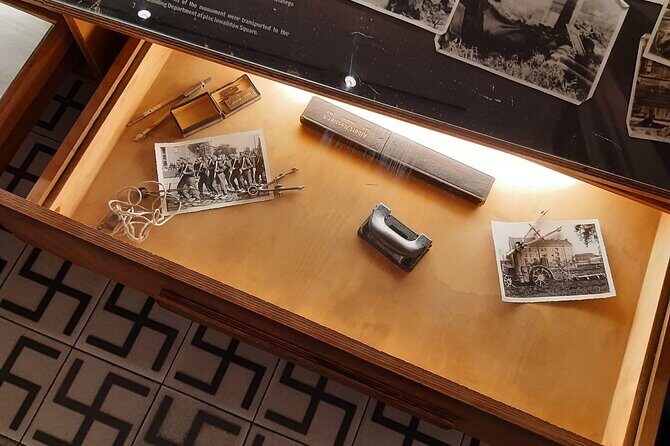
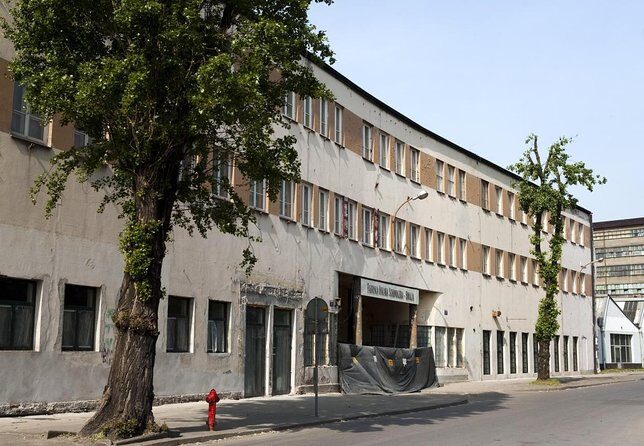
Your tour starts at Oskar Schindler’s Enamel Factory, Lipowa 4, 30-702 Kraków, Poland. The meeting point matters here because you’re not just buying a ticket and wandering off—you’re linking up with the guide for a timed museum visit. The tour ends back at the meeting point, which is a nice, simple setup when you’re trying to pack a day in Kraków.
The format is about 1 hour 30 minutes, which is long enough to get a proper story arc but short enough that you won’t lose an entire day to museum fatigue. It’s also built for real life. The museum can be busy, and this kind of guided slot helps you avoid the “we’ll figure it out at the door” gamble.
Logistically, it’s also easy to reach. The site is near public transportation, so you can anchor this stop without needing a car. And since it’s capped at 20 travelers, the tour has the feel of an organized group rather than a slow-moving parade.
One practical note: you’ll want to be on time. A few minutes can matter in a guided museum flow where the guide is shepherding the group through key exhibits. If you’re arriving from another stop, give yourself cushion time so you’re not rushing right at the start.
You can also read our reviews of more guided tours in Krakow
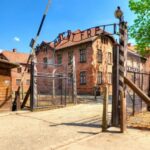
Schindler’s Factory Museum: Why This Place Hits Different
Schindler’s Factory is tied to one of the most famous survival stories of World War II. The guide-led focus is Oskar Schindler’s actions—saving about 1,200 Jewish people—inside the wider reality of Nazi occupation in Poland. That blend is what makes the museum more than a “history stop.”
The tour highlights how Schindler’s story connects to the inspiration behind Schindler’s List. Even if you only know the movie version, you’ll get a better sense of the historical setting that made that story possible. And more importantly, you’ll see how the occupation reshaped everyday life in Kraków—what people faced, what choices were limited, and how survival could depend on something as small as access, paperwork, or a place inside a larger system.
This isn’t taught like a cold lecture. Based on the way the tour is described, it tends to move thoughtfully and in a measured way through heavy material, including the ghetto and the broader Holocaust story. That pacing can matter if you’re the type of person who needs time to process what you’re reading and seeing.
Also, you’re inside a space that carries the weight of the past. You’re not looking at distant photographs on a screen—you’re walking through a museum built around the period of 1939–1945 occupation in Kraków. That physical presence changes how the information lands.
If you’re doing Auschwitz later (or you’ve already been), this kind of Kraków-specific context can help you connect dots. It won’t replace Auschwitz, but it can give you a stronger timeline for what life looked like before mass deportations and camps dominated the story.
The Guided Exhibition Route: What You’ll Actually See
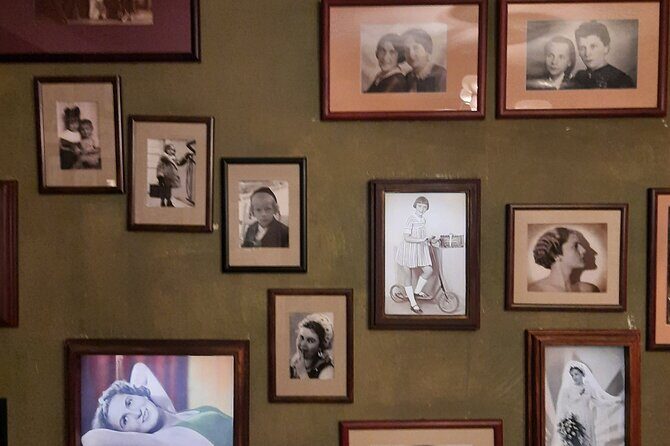
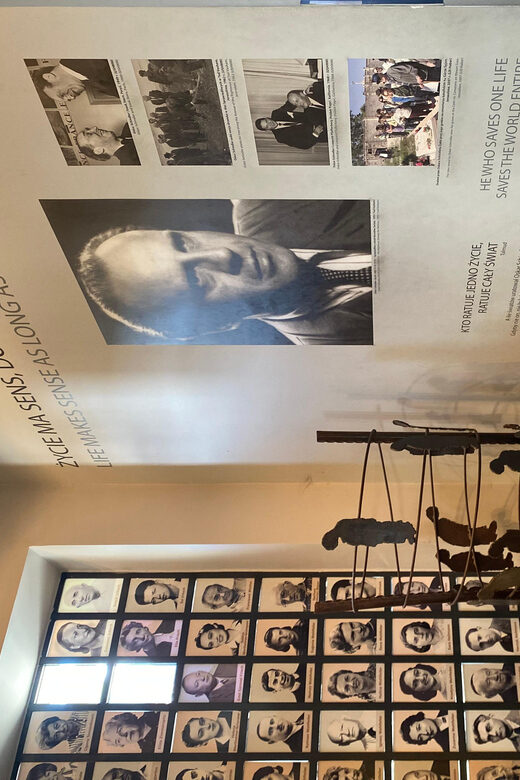
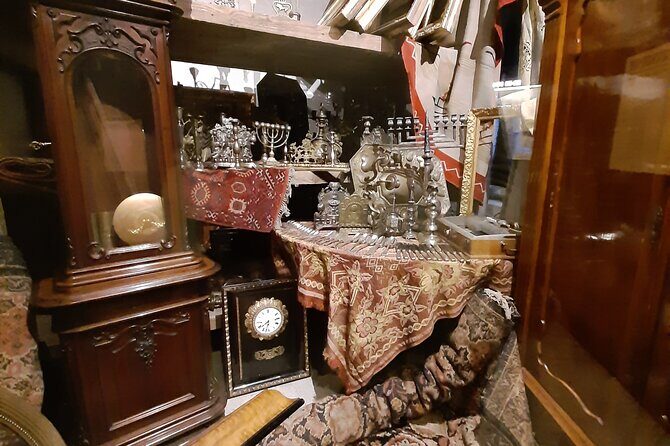
The tour centers on the exhibition at Schindler’s Factory Museum for Kraków under Nazi occupation 1939–1945. In other words, you’re not doing multiple far-flung stops. You’re getting a guided museum walk through the exhibition.
Here’s the shape of what you can expect, based on what the tour is described to cover:
- Life under occupation in Kraków, not just isolated facts
- How persecution escalated, including the annexing of Jews
- The horror and reality of the ghetto period
- How Schindler fits into that story, and why his actions are remembered
A key detail: the tour isn’t only about Schindler. Multiple guides frame it as a time-progressive journey through the war in Poland, using Schindler’s story as an organizing thread. That can be a good thing if you want context, but it also explains why some people come in expecting the factory to be the main attraction in a literal sense.
Along the way, you’ll benefit from a guide’s commentary. It’s the difference between reading signs and understanding how they connect. You may get time to look at exhibits at each stop—this is one reason the guided format feels more efficient than wandering on your own with limited time.
Language support is partly a mixed bag. English is available on some display boards, but not all. So if you’re relying on English every single minute, plan for a bit of variation. The guide helps with the gaps, but you still might see exhibits where the translation coverage is incomplete.
One more practical detail: the tour can include listening aids. One guest reported an issue with a hearing device not working, so if you need audio support, pay attention right away at the beginning. If you can’t hear clearly, tell the guide early rather than waiting until you’re deep in the museum.
Guides, Style, and How to Get the Best Experience
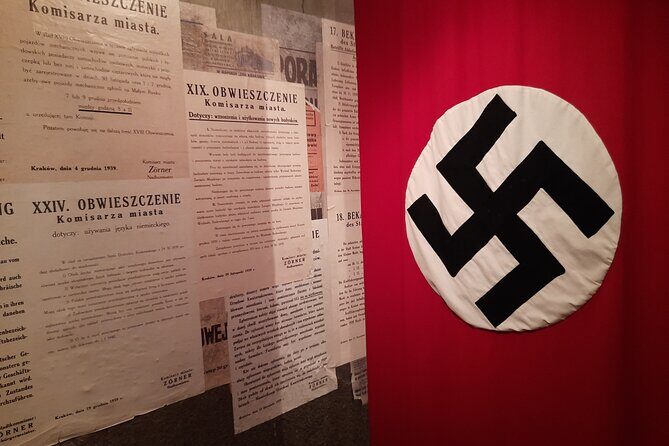
This is a small-group tour, and the guide makes a huge difference. You’ll notice it in how the group is handled: guides tend to keep people together, and they often wait at key points so the story lands. Some guests specifically praised guides like Joanna, Ewa, and Magda for clarity and pacing.
If you want the tour to feel smooth, here’s what you can control:
- Stand close enough to hear without craning constantly
- If the group spreads out, adjust quickly and re-position
- Give the guide the first minute to get organized rather than tuning out while you take photos
There’s also a difference in expectations. The tour can feel like a story-driven history lesson more than a walk-through of Schindler’s “workplace” in the physical sense. If you’re hoping for lots of factory-room visuals and hands-on details, you may feel the museum focus is heavier than expected. That’s not wrong—it’s just a mismatch if you wanted something else.
Pacing can be another factor. A few people found the tour too rushed, and others said they would have liked longer time in the exhibits. That’s a normal trade-off with a fixed 1 hour 30 minutes. If you’re the type who reads every wall panel, consider adding free time after the tour so you can slow down on your own.
Finally, a small red flag to be aware of: there are a couple of unhappy reports about a guide not showing up on time. That’s not the norm implied by the overall rating, but it’s worth keeping an eye on your confirmation details and meeting time so you’re not stuck waiting with no explanation.
Skip-the-Line Value: Why This Price Can Make Sense
The price is $40.99 per person, and it includes the admission ticket plus all fees and taxes. Tips are not included.
On paper, that can look pricey for a 1 hour 30 minutes museum visit. In practice, the value depends on what you would do without the guided option. Here’s the reality in Kraków: the museum can be crowded, and the guided entry helps you avoid losing time in line. One reason people recommend the guided version is exactly this—getting in smoothly when the entry area is busy.
So the value isn’t just “someone talked to us.” It’s also the time you save and the ability to focus on the story rather than sorting out a crowded entrance. If you’re visiting for a short time and you don’t want to spend part of your day waiting, it’s money well spent.
It also helps that the tour offers multiple time slots. The average booking lead time is about 40 days, which tells me this is a popular choice. You’ll get the best results if you book early and pick a time that fits your day.
If you’re trying to dodge peak crowds, choosing an earlier slot tends to be smarter. There are examples of early start times being timed well to avoid longer queues. Even if you don’t know what the crowd will look like that day, “earlier is usually better” is a safe strategy for this museum.
Small Group Size: Good for Hearing, Not Always Perfect
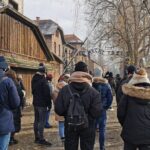
The tour caps at a maximum of 20 travelers. That’s a meaningful number. It generally keeps the group from getting too large to manage in tight museum spaces. It also supports the idea that you’ll hear the guide rather than standing in the back guessing what they’re saying.
Still, not every small group is identical. One guest felt the group was too big and spread out, making it hard to hear. That’s where your behavior matters. If you stick near the guide, you’ll usually get a better audio experience than if you wander to the sides to read every panel at once.
The good news is that the guide approach is described as a “wait for the group to gather” style. That means the guide is not just firing info nonstop while you’re still catching up. If you want this to work best, don’t be the person constantly lagging behind.
Also, since some boards are only partially translated, you’ll rely a bit more on the guide to tie it together. In a small group, that’s easier because you’re all moving through the same story at the same pace.
What This Tour Is Best For (and When to Skip It)
This tour is a great fit if you want:
- WWII Kraków context tied directly to the museum setting
- A guided story that covers occupation, persecution, and ghetto realities
- A time-efficient visit that doesn’t swallow your whole day
- A deeper understanding of why Schindler’s story mattered
It’s also a strong choice if you’ve watched Schindler’s List and want the historical setting behind it. The museum framing can help you move from movie impression to real-world context.
When might you skip or adjust your plan? If you’re expecting a long, free-form museum wandering session where you can linger at every display for a full afternoon, the guided 1 hour 30 minutes may feel short. If that sounds like you, consider doing this as a kickoff and then returning afterward on your own for the areas that grabbed you most.
If your biggest priority is Schindler himself—nothing but Schindler, no broader occupation history—then note that some descriptions say the tour covers more than just his story. It can still be excellent, but your expectations should match the format: a broader historical walkthrough anchored to Schindler’s role.
Should You Book Schindler’s Factory Guided Tour in Kraków?
Yes, I think you should book it if you want a structured, efficient way to understand Kraków under Nazi occupation and how Schindler’s actions fit into that reality. The strongest reasons are practical: skip-the-line entry for a crowded museum, a small group size, and admission included in the price.
I’d book this early in your Kraków stay, especially if you’re also planning other WWII sites later. It gives you a timeline and makes later places easier to understand.
Just go in with the right expectation: this is a guided museum experience, not a roam-free factory tour. If you want both, do the guided visit first, then add extra personal time afterward to slow down where you care most.
If you’re sensitive to heavy content, the guided pacing described here tends to be thoughtful and measured, which can help you absorb what you’re seeing without rushing your emotions. And if you care about hearing clearly, choose a time slot that won’t leave you stuck at the back of a crowd.
FAQ
How long is the Schindler’s Factory guided tour?
The tour runs about 1 hour 30 minutes.
Where does the tour start?
The meeting point is Oskar Schindler’s Enamel Factory, Lipowa 4, 30-702 Kraków, Poland.
What does the tour price include?
The price includes all fees and taxes, and you get admission to the Schindler’s Factory Museum.
What is the group size limit?
This activity has a maximum of 20 travelers.
What should I do about timing since the museum can be crowded?
Choose from multiple time slots and arrive at the meeting point on time, since the tour is designed to get you into the museum efficiently.
Is free cancellation available?
Yes. You can cancel up to 24 hours in advance for a full refund.