REVIEW · KRAKOW
Schindler’s Factory Museum Guided Tour – Krakow
Book on GetYourGuide →Operated by MyRide · Bookable on GetYourGuide
Krakow’s wartime story hits fast. This 90-minute guided tour brings you into Schindler’s Factory Museum using live commentary and a tight route through the exhibits, including scenes tied to Krakow’s occupied life and the fate of local Jews during WWII. I like that the museum doesn’t treat history like a text you skim; it shows it through everyday items, documents, and staged room experiences that make the past feel concrete.
Two things I especially liked: you get a real guide in the lead during the whole visit, and you get the museum’s most famous narrative beats—without rushing alone. One drawback to flag is that it’s a group tour, so the pace can feel quick at times if you want to linger in every room.
In This Review
- Key highlights you will feel during your visit
- Schindler’s Factory in Krakow: what the 90 minutes really gives you
- Where to meet and how to start smoothly
- Inside the permanent exhibition: occupied Krakow through objects and documents
- The photographer, the tailor, and the “city life” film on tram windows
- Walking the ghetto labyrinth and entering a recreated Jewish apartment
- Płaszów camp scenes: the tour’s toughest chapter
- Oskar Schindler’s office and the Ark of Survivors pots
- Pace and group logistics: how to get what you came for
- Price and value: is about $50 worth it?
- Language options that actually help you stay present
- Who this tour suits best (and who should consider pacing differently)
- Should you book this Schindler’s Factory guided tour in Krakow?
- FAQ
- How long is the Schindler’s Factory guided tour?
- Where do I meet the group?
- Which languages are available?
- Does the tour include a ticket, and do I skip the ticket line?
- Is this a group tour?
- Do I need ID or a passport for entry?
- Is there wheelchair access?
- Can I cancel for a refund?
- Are the tour times fixed?
Key highlights you will feel during your visit
- Live guide commentary to turn the exhibits into a clear timeline, not random displays
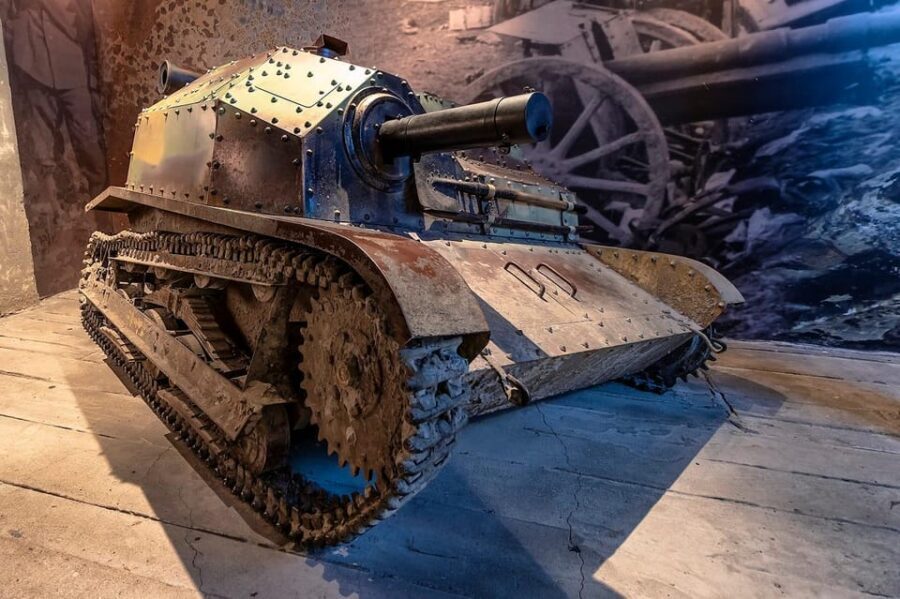
- Everyday objects (plus photos and documents) showing what occupation did to ordinary Krakow life
- A guided path that includes a photographer, a tailor, and an authentic photo-art space
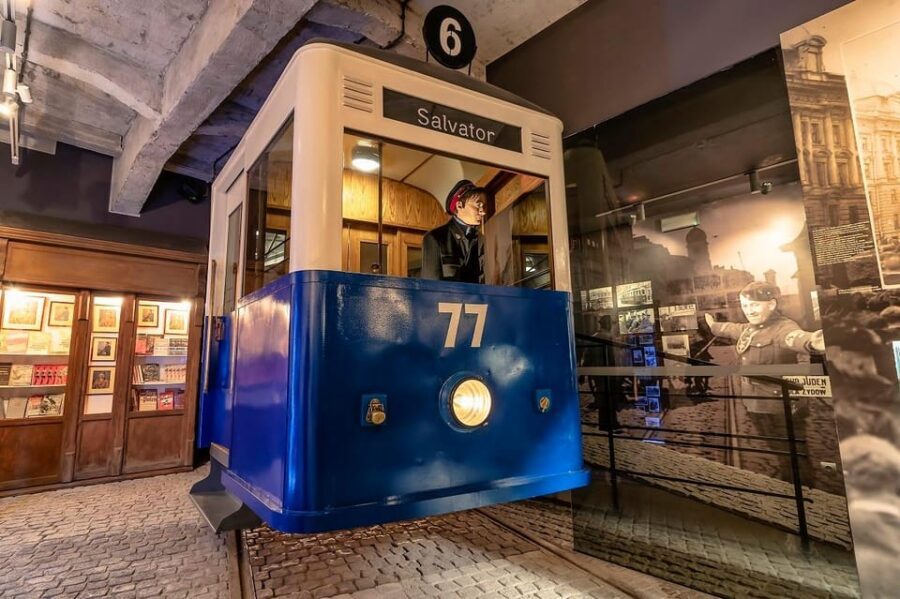
- Tram-film experience you see through the windows, giving the city’s WWII atmosphere
- A guided walk through a ghetto labyrinth with a Jewish apartment recreated inside
- The museum’s Schindler connection through his preserved office and the symbolic Ark of Survivors
Schindler’s Factory in Krakow: what the 90 minutes really gives you
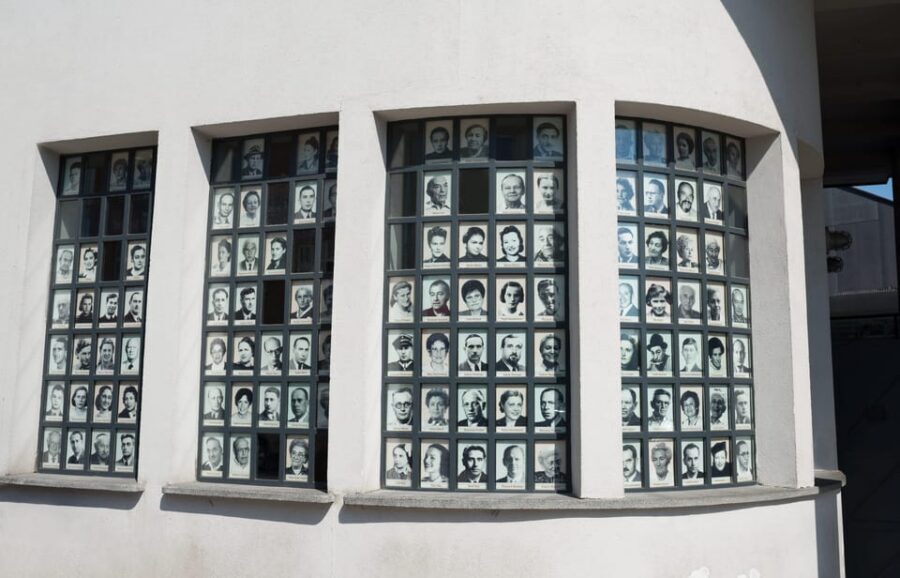
The Schindler’s Factory Museum is one of those places where you quickly understand why a guided visit matters. The exhibitions are strong, but they’re also emotional and layered. Walking it solo is doable, but a guide helps you connect the dots: how Krakow changed between 1939 and 1945, what life looked like on the ground, and why specific places and objects exist inside the museum.
This tour lasts about 90 minutes with a live guide leading the group. That time window is ideal for the museum’s permanent exhibition, because it pushes you through the big moments without turning the visit into a half-day commitment. You’ll still see a lot, but you won’t feel stuck for hours reading everything in silence.
A quick practical note: the tour is a group tour, so you’ll follow the pace set by your guide and the museum’s scheduling. That means you get structure, but you may not have the freedom to study every single display at your own speed.
You can also read our reviews of more guided tours in Krakow


Where to meet and how to start smoothly
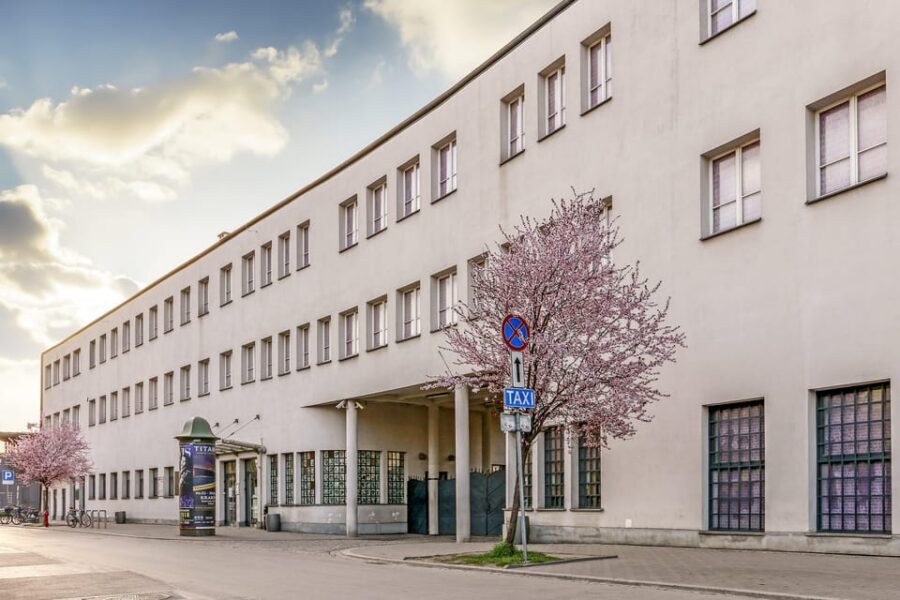
Meet your group in front of the entrance to the Oskar Schindler Enamel Factory. Look for the person holding a sign that says excursions.city. Starting here is simple, and that’s one of the quiet advantages of choosing a guided format: you spend less time hunting for the right entry and more time inside.
You’ll also appreciate the fact that this tour includes skip-the-ticket-line. Schindler’s Factory is extremely popular, and even a short delay outside can chew up your museum focus. Getting in faster helps you stay present from the first room.
One more key detail: your admission is handled with personalized tickets. When you reserve, you need to provide full names of all participants, and you must bring a passport or ID to enter the museum. If you’re traveling with friends, it’s worth double-checking spelling now rather than at the gate.
Inside the permanent exhibition: occupied Krakow through objects and documents
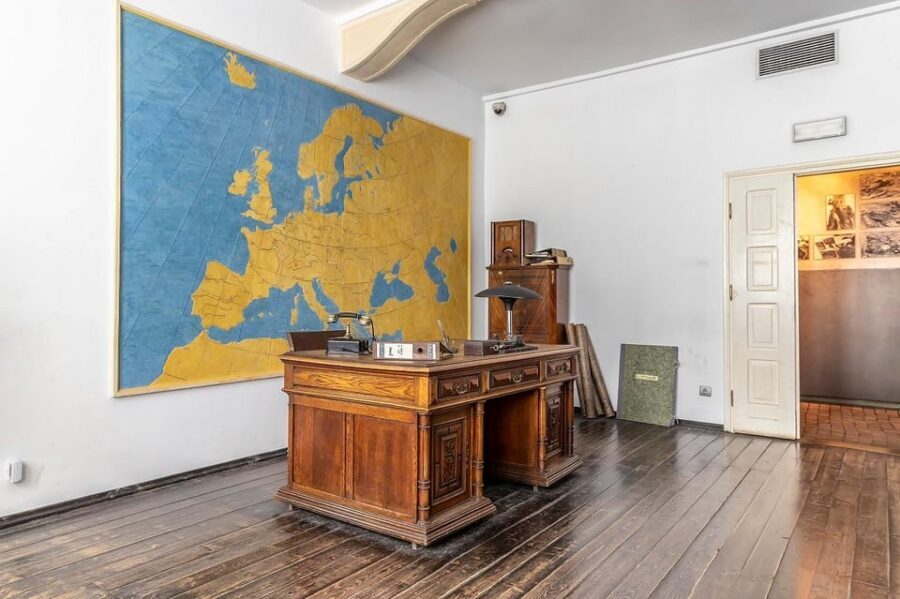
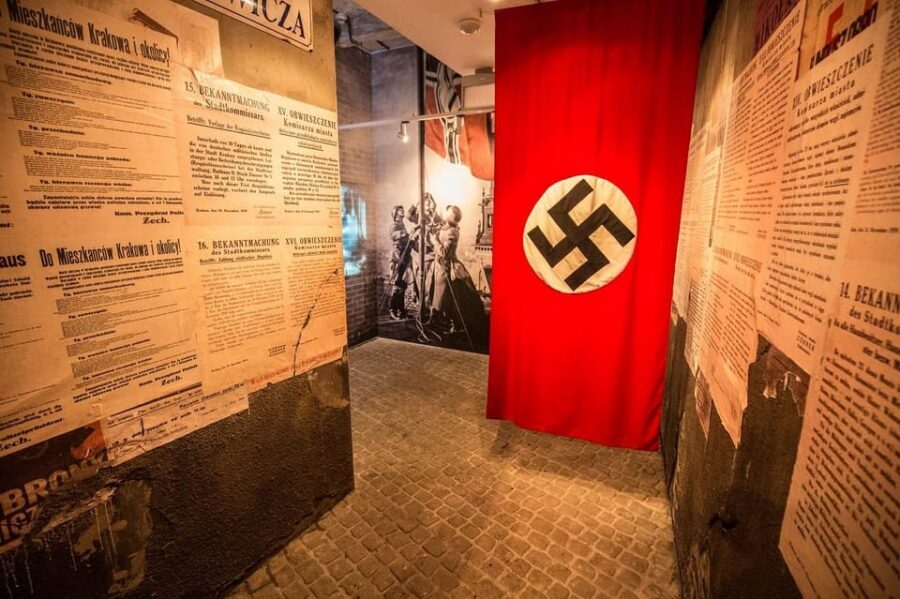
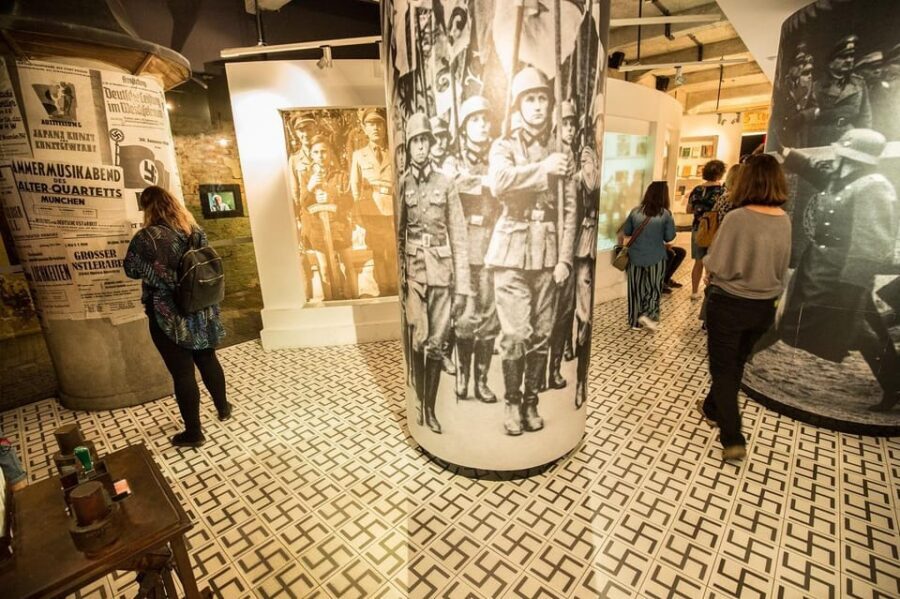
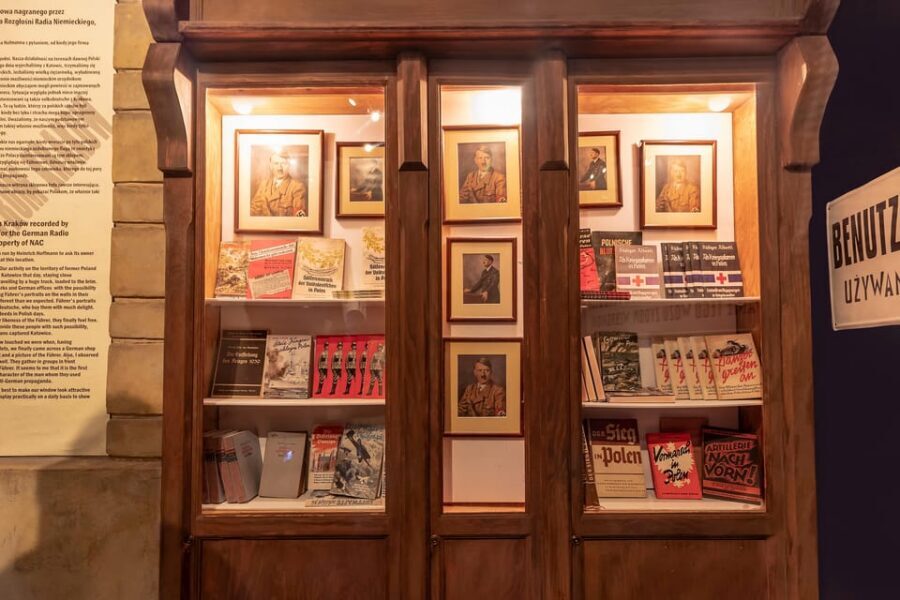
The heart of this museum visit is the permanent exhibition in the former seat of the Enamel Museum. It mainly tells the tragedy of WWII through both individual and collective experiences. The approach is not just about famous events. It’s about how war showed up in daily life: in photographs, newspapers, personal papers, official documents, and ordinary objects.
That structure is what makes a guided tour so useful. Your guide can point out what to notice and why it matters. Without that, you might stand in front of display cases and feel overwhelmed by the volume of material. With a guide, you learn how to read the museum like a story—what you’re seeing, what role it played in occupied life, and what the exhibit is trying to make you understand.
You’ll likely feel the transition from general background to lived experience as you move through rooms. The exhibits are arranged so that the war is not abstract. You’re shown the emotional weight through curated artifacts and multimedia elements. It can be heavy. You also come out with a clearer sense of how Krakow’s wartime residents lived, worked, and suffered.
The photographer, the tailor, and the “city life” film on tram windows
One of the most memorable parts of this visit is the way the museum uses human stories and recreated environments to make history feel real. You won’t just read labels. You’ll move through sections that act like scenes from the city—like meeting a photographer and a tailor, and then stepping into an authentic photo-artist space.
These areas matter because they teach you what war disrupted. You see how work, art, and everyday routines connect to identity. When those routines are broken, the loss isn’t just logistical. It becomes personal.
Then there’s the tram moment. The tour includes getting on a tram-like experience where you can see film footage through the windows showing the city’s life. It’s a simple trick, but it works. It gives you that in-between feeling of being in Krakow while the past is being presented around you. It also helps your brain switch from reading history to watching it unfold.
If you like museums that use design to tell a story, this section is a strong reason to choose the guided option.
Walking the ghetto labyrinth and entering a recreated Jewish apartment
The tour continues into the ghetto section, including a walk through a tight labyrinth. The museum presents a Jewish apartment located inside the ghetto area, so you don’t only learn about the place—you experience the space as a room-based environment.
This is also where your guide’s commentary becomes especially important. The exhibits here are meant to communicate fear, confinement, and daily survival. A guide can help you understand what you’re seeing beyond the obvious. They can explain how the museum frames this space and what details are there for a reason.
A warning in a practical sense: this section can be emotionally intense. If you’re sensitive to WWII-related content, plan to take breaks when you can—look for your guide, step out for a moment if the group pauses, and don’t feel obligated to keep the same pace if you need a breath.
Still, I think the apartment recreation is one of the museum’s most effective tools. It shows you how war shrank people’s worlds, not just how many people died.
You can also read our reviews of more museum experiences in Krakow





Płaszów camp scenes: the tour’s toughest chapter
Later in the tour, you find yourself together with the inhabitants in the camp in Płaszów. The museum uses exhibit design and narrative flow to connect Krakow’s occupation and ghetto life to what happened after—how people were moved, what conditions meant, and how the system turned into something even more destructive.
Because this is a guided group route, you don’t have to assemble the story yourself. You follow a guided sequence that helps you understand how the museum links sections together. That matters because camp history can become confusing if you’re only skimming. With a guide, you get the thread.
This is the part of the visit where you’ll likely feel your emotions tighten. That’s normal. The tour is built to tell the truth of what happened, not to soften it. If you want to process what you see, give yourself a few minutes afterward in the final rooms to calm down and reflect, even if you’re tempted to rush out.
Oskar Schindler’s office and the Ark of Survivors pots
Even though the museum is not a simple biographical story of Schindler, it still includes his role as part of Krakow’s complex wartime history. You’ll be shown Schindler’s office in the preserved administrative building tied to his factory.
This part is powerful for a reason that goes beyond the name recognition. The museum uses his office as a physical anchor point—something preserved that lets you connect the larger tragedy to a single person’s actions. It makes the story more understandable without turning it into a hero-only tale.
Right there, you’ll see the symbolic Ark of Survivors made of thousands of pots resembling those produced by his employees during the war. It’s a striking concept: industrial production turned into a message of survival. Your guide can help you interpret what the symbols are doing and why this specific display matters.
If you’re familiar with the famous film from 1993, you’ll probably recognize why visitors come here. But the guided approach helps you go beyond movie familiarity. You see how the museum frames the factory and what it represents within the wider Krakow story.
Pace and group logistics: how to get what you came for
This tour runs about 90 minutes, and it’s paced for a group. That means you might not have unlimited time in every room. One reason this can feel fast is that the museum content is dense—there’s a lot to absorb, and every section is intentionally designed to make you look harder.
My advice is to decide what you want most before you walk in:
- If you want the overall story and the strongest exhibits in one go, this tour is a solid fit.
- If you want to study details for a long time, plan to return later on your own day. The guided route can help you pick your targets for a second visit.
Also, because the museum uses personalized tickets tied to your identity documents, arrive ready to move. That way you’re not slowing the group during entry.
Price and value: is about $50 worth it?
At about $50 per person for a 90-minute guided museum visit, you’re paying for three things: a live guide, guided structure, and time savings with skip-the-ticket-line. For a museum like Schindler’s Factory, that value adds up fast.
Here’s how I think about it:
- Live interpretation is the real cost saver. WWII history inside the museum can be overwhelming if you don’t know how the sections connect. The guide helps you get meaning quickly.
- Skip-the-line protects your time. Waiting outside a popular museum is the easiest way to lose the best part of your day.
- The museum experience includes multimedia and recreated environments. Those details make more sense with a guide giving context as you walk.
If you’re the kind of traveler who likes reading labels and building your own narrative, you might feel you can do it solo. But if you want clarity, flow, and stronger comprehension without turning your visit into a research project, the guided format is a practical upgrade.
Language options that actually help you stay present
The tour runs with a live guide in English, French, German, Italian, and Spanish. Having your language matters here because the exhibits cover heavy and complicated material. You want to understand the key points as they happen, not later after you’ve left.
Pick your language carefully. It’s the easiest way to keep the museum emotional but understandable.
Who this tour suits best (and who should consider pacing differently)
This guided tour is a great match if you:
- Want a clear storyline from 1939 to 1945 without getting lost in the museum layout
- Like museums that use artifacts and recreated spaces rather than just static panels
- Prefer to learn with a guide so you can focus on what you’re seeing instead of decoding everything yourself
It may not be the best fit if you:
- Need lots of personal time to linger in silence. The group pace can move you along.
- Are very sensitive to intense WWII content. If you go, go with a plan for breaks.
Should you book this Schindler’s Factory guided tour in Krakow?
I’d book it if you want the museum’s story to land clearly and quickly. The guide transforms a powerful museum into something easier to follow, and the route includes the museum’s most memorable environments—from the city-life scenes to the ghetto labyrinth and the Płaszów chapter.
Skip this tour only if you strongly prefer self-guided wandering and you’re comfortable constructing the timeline on your own while reading everything at your pace. For most people, the combination of live commentary, smart pacing, and reduced entry friction makes it a good use of a 90-minute slot.
FAQ
How long is the Schindler’s Factory guided tour?
The tour lasts about 90 minutes.
Where do I meet the group?
Meet in front of the entrance to the museum (Oskar Schindler’s Enamel Factory). Look for the person with an excursions.city sign.
Which languages are available?
The live tour guide is available in English, French, German, Italian, and Spanish.
Does the tour include a ticket, and do I skip the ticket line?
Yes. The entrance ticket is included, and you also get skip-the-ticket-line access.
Is this a group tour?
Yes, this is a group tour.
Do I need ID or a passport for entry?
Yes. You must bring a passport or ID for entry because tickets are personalized.
Is there wheelchair access?
Yes. The tour is wheelchair accessible.
Can I cancel for a refund?
Yes. You can cancel up to 24 hours in advance for a full refund.
Are the tour times fixed?
Times are approximate and can change due to Schindler’s Factory Museum scheduling. You can choose a preferred time, but the exact time is not guaranteed (noted for the period starting January 1, 2026).