REVIEW · KRAKOW
Schindler’s Factory Small-Group Guided Tour
Book on Viator →Operated by Intercrac Sp. z o.o. · Bookable on Viator
It hits fast, even in small spaces. This small-group guided tour takes you through Schindler’s Enamel Factory and the exhibition Kraków under Nazi Occupation 1939–1945, using modern multimedia to explain what life looked like under occupation. The story isn’t just dates and names. It’s the city itself, followed step by step as people’s lives were squeezed and reshaped by the war.
I like the way the guide sets the scene with a clear, human storyline. I also like that the museum ticket is included, so you’re not doing extra admin while you’re trying to stay focused. One watch-out: this is not a hands-on factory tour and it’s not a Schindler biography museum first. If you’re expecting machines and worker-focused factory details, you may feel a little surprised by how much time is spent on the broader war and occupation story.
The format is well-paced for a 1.5 to 2 hour visit, moving from room to room and then along occupied-Krakow style stops. You’ll get plenty of chances to ask questions and take photos, but you’ll also want to keep your voice low in the places meant to feel heavy.
In This Review
- Key Highlights You Shouldn’t Miss
- Schindler’s Enamel Factory: Not a Biography Museum First
- What the Small-Group Format Gets You
- Entering Occupied Krakow: Everyday Places Become Evidence
- The Tram Segment: A Moving View of the City
- The Ghetto Labyrinth and a Jewish Apartment Scene
- Płaszów and the Human Story Through Multimedia
- Price and Value: What $45.38 Buys You
- Who This Tour Fits Best
- Should You Book Schindler’s Factory Small-Group Guided Tour?
- FAQ
- How long is the Schindler’s Factory Small-Group Guided Tour?
- Is the admission ticket included?
- Where does the tour start?
- How many people are in the group?
- Is public transportation nearby?
- Is this tour focused on Schindler’s personal biography?
- Is the tour suitable for children?
- How far in advance should I book?
- Can I cancel for a full refund?
Key Highlights You Shouldn’t Miss
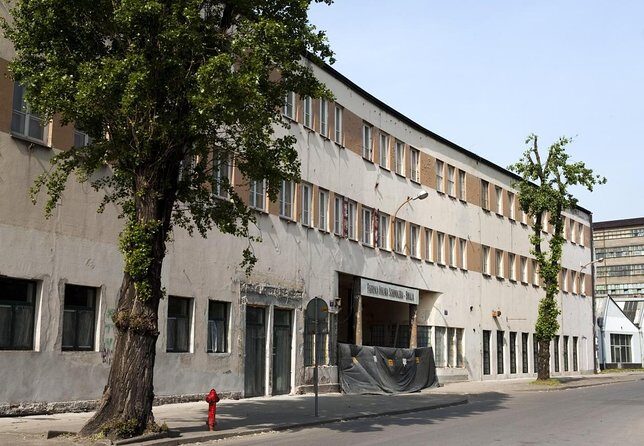
- A guided storyline inside Krakow’s best-known WWII museum site rather than a self-guided walkthrough
- Ticket included with a scheduled, small-group experience (max 25 people)
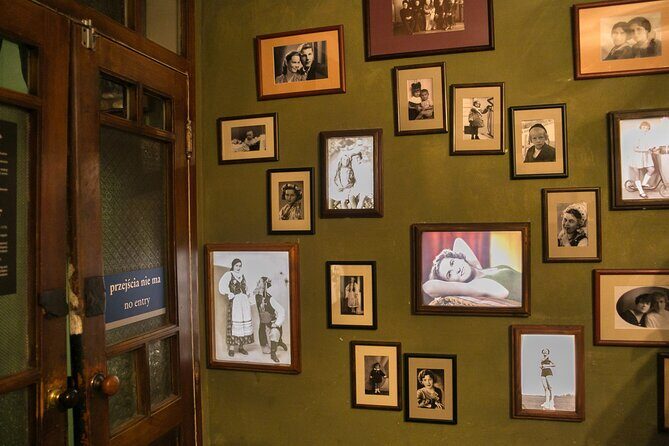
- Stop-by-stop coverage of occupied life, with scenes placed in everyday settings like a hairdresser and photographer
- Multimedia rooms that use sound and visuals to help you understand what people endured
- Ghetto and Płaszów sections that follow the fate of Krakow’s Polish and Jewish residents
Schindler’s Enamel Factory: Not a Biography Museum First
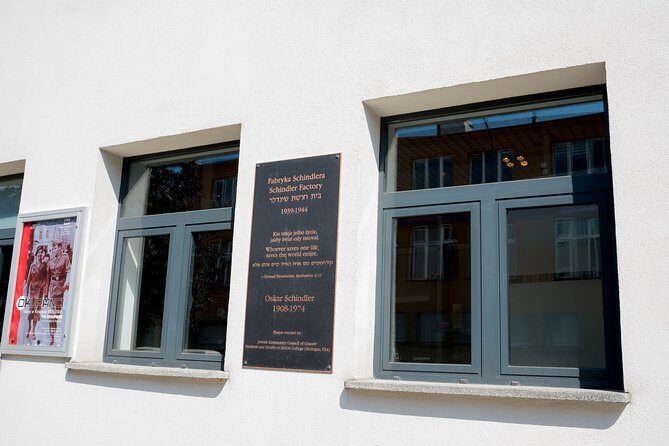
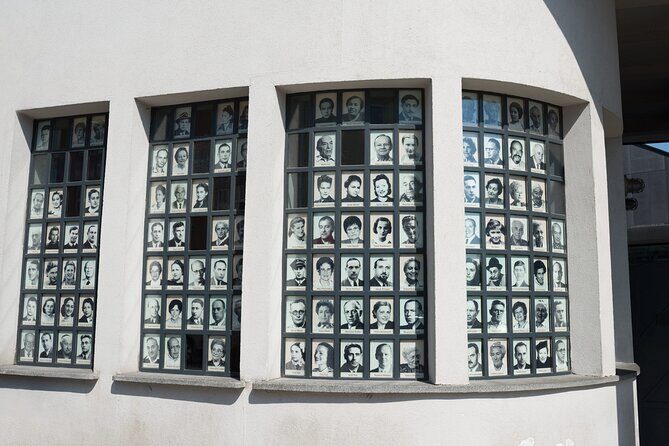
Schindler’s Enamel Factory (Fabryka Emalia Oskara Schindlera) is one of Krakow’s major museum stops for WWII. The big title in the exhibition is Kraków under Nazi Occupation 1939–1945, and that wording matters. This tour leans hard toward occupied Krakow itself—what daily life looked like under Nazi rule, how locals were affected, and how the Germans occupying the city and Oskar Schindler, the factory owner, fit into the bigger tragedy.
I appreciate that the building doesn’t try to pretend it’s something it isn’t. The factory is mostly presented as a museum space, and the office is described as the only original part internally, with the exterior being the part you recognize. That choice keeps the focus on the story rather than selling you a “tour the machines” fantasy.
If you’re coming in expecting a straight line on Schindler’s life from start to finish, reset your expectations. You’ll still hear about him and how his fate links to what happened, but the tour’s center of gravity is the occupation story and the people who lived through it.
You can also read our reviews of more guided tours in Krakow
What the Small-Group Format Gets You
This runs as a guided, small-group experience with a maximum of 25 people. In practice, that size helps the guide do something important: connect the scenes for you without rushing. You’re not stuck listening to a headset explanation from behind other visitors. You can usually ask questions and clarify what you’re seeing as you go.
The duration is about 1 hour 30 minutes (and you’ll want to allow up to around 2 hours if your group takes it a bit slower). That timing is long enough to feel like a real guided narrative, but short enough that you’re not stuck in museum fatigue.
One practical tip: wear shoes that handle cobblestones. The walking component is part of the experience, including time on the street between indoor multimedia stops. Krakow’s old streets look charming, and they also make your ankles work a little.
Entering Occupied Krakow: Everyday Places Become Evidence
The tour starts at Lipowa 4, at Schindler’s Enamel Factory. From there, you move through the exhibition with a professional guide who frames what you’re seeing and helps you read the exhibition like a story, not a pile of displays.
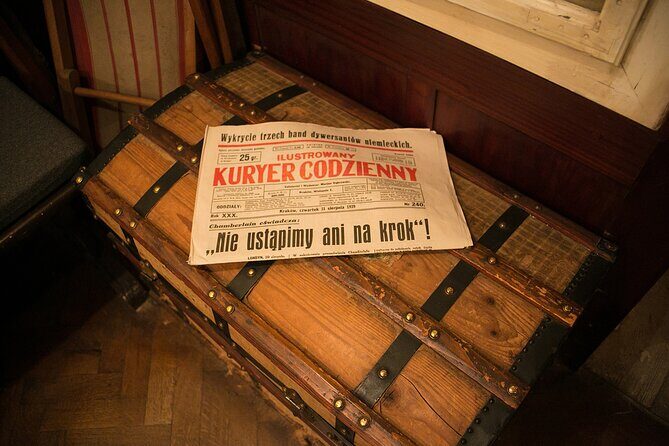
A key part of the experience is how the tour borrows everyday locations to make occupation feel real. You don’t just see “war.” You move into spaces set up like a hairdresser and a photographer, then into an authentic photoplasticon. It’s the museum’s way of saying: occupation didn’t happen in a distant universe. It happened right in places people used in ordinary life.
The guide’s job here is not just to describe. It’s to connect the dots between those everyday spaces and the larger system controlling the city. That’s why the narration matters. Without it, you’d still understand the basics, but you’d probably miss the emotional pacing the museum is aiming for.
The Tram Segment: A Moving View of the City
One of the more memorable parts is when you get on a tram. From inside the tram, you’re shown a film about the life of the city. This is a clever break from the purely indoor rooms because it makes the story feel like it’s traveling through Krakow, not staying locked behind museum walls.
If you like “learning by moving,” this segment can be a highlight. It gives you a different angle on the same theme: people trying to live in a city that’s being controlled from above. It also helps reset your attention span, which is useful when the topic is heavy.
Just be aware that you’re entering another presentation mode. Some people find these media sections powerful; some find them emotionally intense. Either way, having a guide to steer you through what you’re seeing helps you stay oriented.
The Ghetto Labyrinth and a Jewish Apartment Scene
The tour then focuses on the ghetto area, described as a narrow labyrinth, with a Jewish apartment included as part of the experience. This is one of the tour’s most emotionally direct sections, because it shifts from public spaces to the kind of domestic setting that makes displacement feel personal.
I like how this part is staged to emphasize daily life and human scale. Instead of treating the ghetto only as an abstract historical concept, the museum language pushes you to think about what a room means when everything around it is stripped away.
A good guide makes a difference here. Look for moments where the guide explains what you’re looking at and why the museum uses that setting, not just what happened in general. In WWII sites, the difference between information and understanding is often the difference between “what” and “why.”
Płaszów and the Human Story Through Multimedia
After the ghetto section comes the move toward the camp at Płaszów. The tour uses modern multimedia again to communicate what people endured, and the goal is to make the story feel real enough that you don’t treat it like a distant museum chapter.
This is also where you’ll want to pace yourself. The tour is short, but the emotional weight is heavy. If you’re sensitive to WWII material, plan a quiet buffer afterward. Don’t stack this right before something that requires upbeat energy.
One more thing I found useful in the reviews’ emphasis: the guide experience matters. People highlighted guides who were enthusiastic and set the scene well. That combination matters most when the subject is difficult. You want someone who can keep the explanation clear while still respecting the gravity of what you’re learning.
Price and Value: What $45.38 Buys You
At $45.38 per person, this isn’t a bargain-basement ticket. But for a well-run, small-group guided experience at one of Krakow’s top WWII museum sites, it starts to make sense.
Here’s the value equation you’re really paying for:
- You’re getting guided context through multiple staged spaces (hairdresser, photographer, photoplasticon, tram film, ghetto apartment-style presentation).
- The admission ticket is included, which saves you time and avoids the hassle of additional entry fees at the last second.
- The group size stays under 25, so you’re less likely to be lost in a crowd at the exact moments you most want explanation.
If you prefer to read on your own and don’t care much about guided narration, you might question the cost. But if you want help making sense of how the museum tells its story, the price is easier to justify.
Also, this tour tends to get booked ahead (on average around 29 days). That’s a sign the schedule fills, so if your dates are set, don’t wait until the last minute.
Who This Tour Fits Best
This is ideal if you want a guided WWII story in Krakow, not a Schindler-only biography. It also fits well if you like museum design that uses multimedia and staged environments to explain how occupation affected daily life.
It may not fit as well if your top priority is industrial history, factory machinery, or deep worker-focused mechanics of the enamel factory itself. The museum experience is more about occupied Krakow and what happened to its residents, with Schindler’s place in that story included as part of the larger narrative.
Families can go, with the note that children must be accompanied by an adult. Because the subject matter is intense, I’d treat this as an adult-guided family museum choice, not a casual outing for very young kids.
Should You Book Schindler’s Factory Small-Group Guided Tour?
I’d book it if you want your visit to feel organized and emotionally intelligible—one coherent storyline that walks you through occupied Krakow and toward Płaszów. The small-group size, the included ticket, and the chance to ask questions add real comfort to a topic that can overwhelm you if you go in cold.
I’d hesitate if you’re expecting a more biographical, factory-machinery focused visit. This tour is more about occupied Krakow under Nazi rule than about touring the Schindler family story in a strictly personal way.
If you can accept that shift in emphasis, you’ll likely find it one of the most meaningful museum experiences in Krakow.
FAQ
How long is the Schindler’s Factory Small-Group Guided Tour?
It runs for about 1 hour 30 minutes.
Is the admission ticket included?
Yes. The museum ticket is included.
Where does the tour start?
The meeting point is Lipowa 4, 32-051 Kraków, Poland.
How many people are in the group?
The group size is capped at a maximum of 25 travelers.
Is public transportation nearby?
Yes, the meeting point is near public transportation.
Is this tour focused on Schindler’s personal biography?
No. It is not a biographical museum. The exhibition focuses on occupied Krakow and life under Nazi rule, with Schindler included as part of the wider story.
Is the tour suitable for children?
Children must be accompanied by an adult.
How far in advance should I book?
On average, it’s booked about 29 days in advance, so booking ahead is smart.
Can I cancel for a full refund?
Yes. You can cancel up to 24 hours in advance for a full refund. If you cancel less than 24 hours before the start time, the amount is not refunded.