REVIEW · KRAKOW
Wawel Castle, Cathedral, Old Town and St. Mary’s Basilica
Book on GetYourGuide →Operated by INTERCRAC Ltd. · Bookable on GetYourGuide
Wawel hits you fast. This guided mix of Wawel Castle, Wawel Cathedral, Krakow’s UNESCO Old Town, and St. Mary’s Basilica is built for people who want big art and real stories without wasting time.
I like that the tour starts with Wawel Hill’s top museum rooms, so you get context before you walk into the cathedral. You’ll see Renaissance interiors, tapestries, and themed collections (including porcelain, weaponry, and Eastern art—yes, with Europe’s largest collection of Ottoman tents). I also like the way the cathedral portion is more than looking around: you learn about coronations, marriages, and burials as you move through chapels and the royal crypts.
One thing to consider: it’s a 210-minute walking program with multiple indoor stops, and crowds can slow down the flow. On busier moments, you may feel short on time for extras like tower access.
In This Review
- Key moments worth circling
- Starting with the right meeting point: Piotr Skarga’s monument
- Wawel Castle State Rooms: art, objects, and power
- Wawel Cathedral: coronations, crypts, and the Sigismund Bell
- UNESCO Old Town: Market Square, Cloth Hall, and street-level story
- St. Mary’s Basilica and the Veit Stoss altar: Gothic drama in wood
- How the 3.5 hours actually works: pacing, crowds, and walking
- Price check: is $87 good value for Wawel, cathedral, and Old Town?
- Dress code and practical tips you’ll thank yourself for
- Who should book this tour (and who might not love it)
- Should you book the Wawel Castle, Cathedral, Old Town, and St. Mary’s Basilica tour?
- FAQ
- What’s the meeting point for the tour?
- How long is the tour?
- Do I get skip-the-line access?
- Which attractions are included?
- What is the price?
- Which languages are available?
- Is lunch included?
- Is the tour suitable for wheelchair users?
- Are pets allowed?
- What dress code should I follow?
- Is there free cancellation and reserve & pay later?
Key moments worth circling
- Skip-the-line entry where it counts: fast-track access helps you get into the permanent castle exhibition and move sooner to the main sights
- The Sigismund Bell moment: you can touch it for good luck while looking for those wide Krakow views
- Old Town with a licensed local guide: Market Square, Cloth Hall, and historic streets get explained in a way that makes the place click
- Collegium Maius and Copernicus context: you’re not just seeing a building—you learn why it matters
- St. Mary’s Basilica and the Veit Stoss altar: Gothic sculpture with a guided explanation of its storytelling details
Starting with the right meeting point: Piotr Skarga’s monument
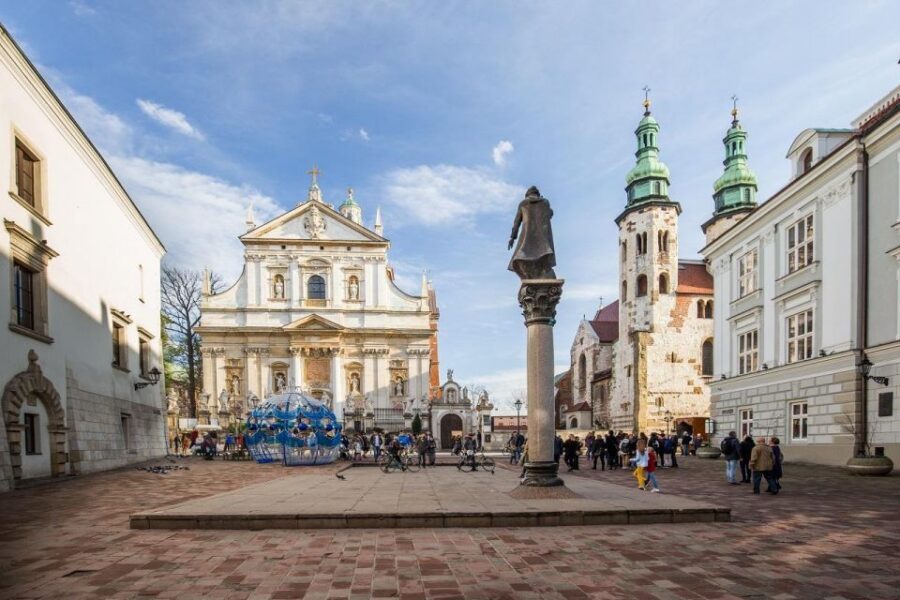
Most Krakow day tours waste time at the start. This one doesn’t, as long as you show up on time. You meet at St. Mary Magdalene Square, right by the Piotr Skarga Monument, and the guide holds a Wawel Castle & Cathedral Guided Tour sign.
Plan to arrive 10 minutes early. After the group has entered, it won’t be possible to join late—so treat that timing like lining up for a popular train, not like strolling into a museum café.
Also, the tour runs in one language per group, chosen at booking (English, French, German, Italian, or Polish). If you’re traveling with friends who want different languages, you’ll need to book separate slots.
You can also read our reviews of more tours and experiences in Krakow.

Wawel Castle State Rooms: art, objects, and power
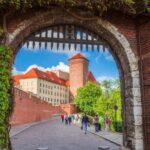
Wawel Castle is one of those places where the building alone says, this is where leaders lived and where decisions were made. But the smarter move is to come with an idea of what you’re looking at—and this tour gives you that.
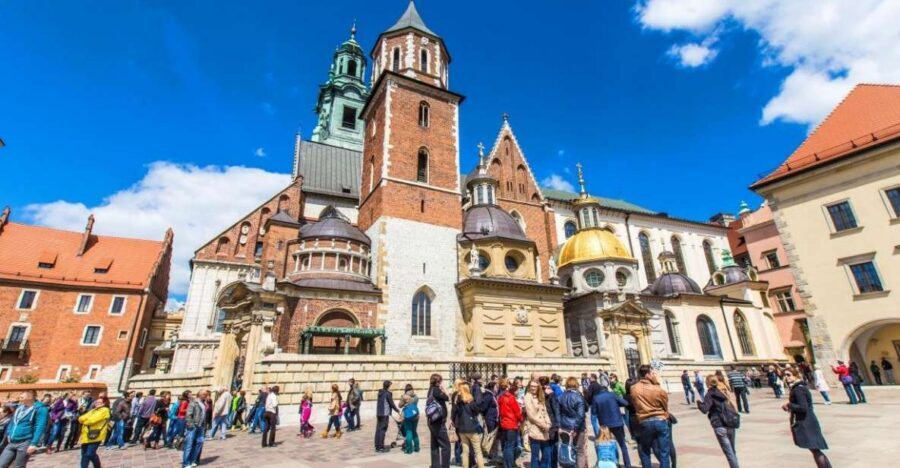
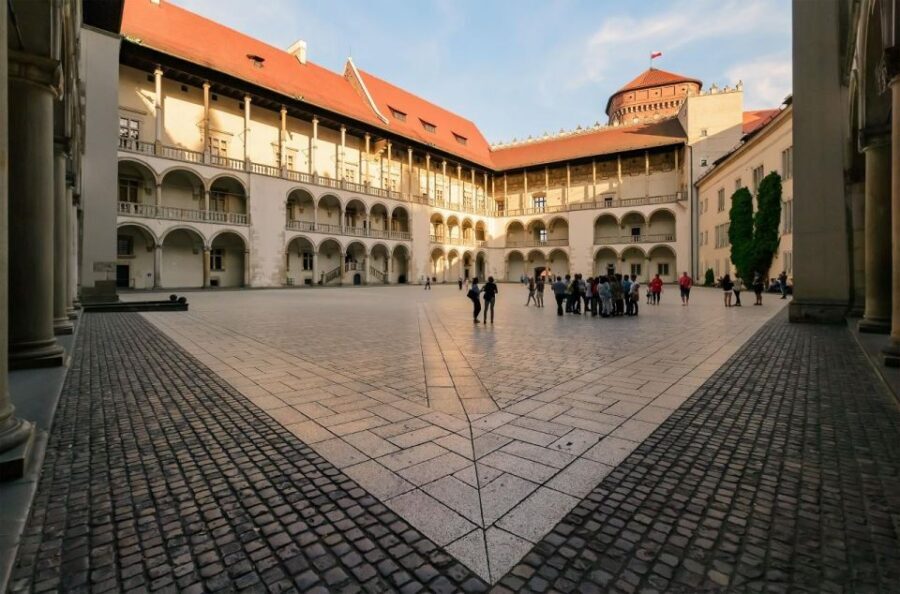
Inside the castle, you’ll focus on the State Rooms (now part of a museum experience). These are the rooms that help you read the past like a picture: you’ll see Renaissance interiors and details that connect art to royal display. You’ll also get guided attention to collections that don’t usually fit into the average “walk-and-snap-photos” visit.
What stands out is how wide the museum story becomes:
- Tapestries and wall art that reinforce the theme of court life
- The Lanckoroński collection of Italian paintings (a major artistic highlight tied to Poland’s collecting history)
- Porcelain and weaponry, which help explain status and reach
- Eastern art, including Europe’s largest set of Ottoman tents, a striking reminder that Krakow sat at a crossroads of cultures
The castle part is great if you like history and art equally. If your style is mostly architecture photography, you’ll still enjoy it, but the guided commentary is really where the value comes from.
One practical note: the tour includes fast-track access to one permanent castle exhibition, but availability can vary. That means you might not always see the exact same gallery mix at every time slot—still, the castle core is always the big one.
Wawel Cathedral: coronations, crypts, and the Sigismund Bell
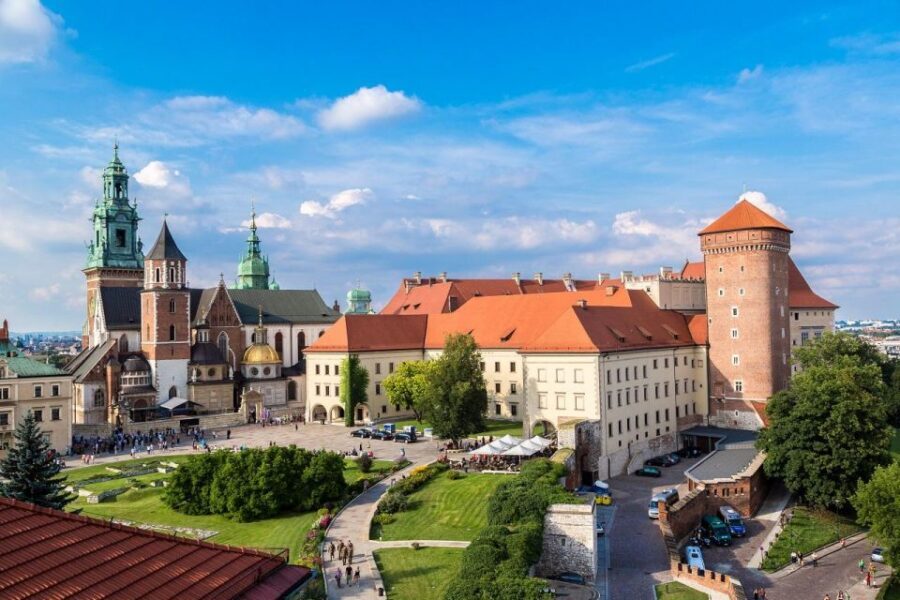
After the castle, you walk into Wawel Cathedral with a different mindset—because now you understand what you’re looking at. The cathedral isn’t just scenic; it’s tied to the key life events of Poland’s monarchy: coronations, marriages, and the resting place of rulers and major figures.
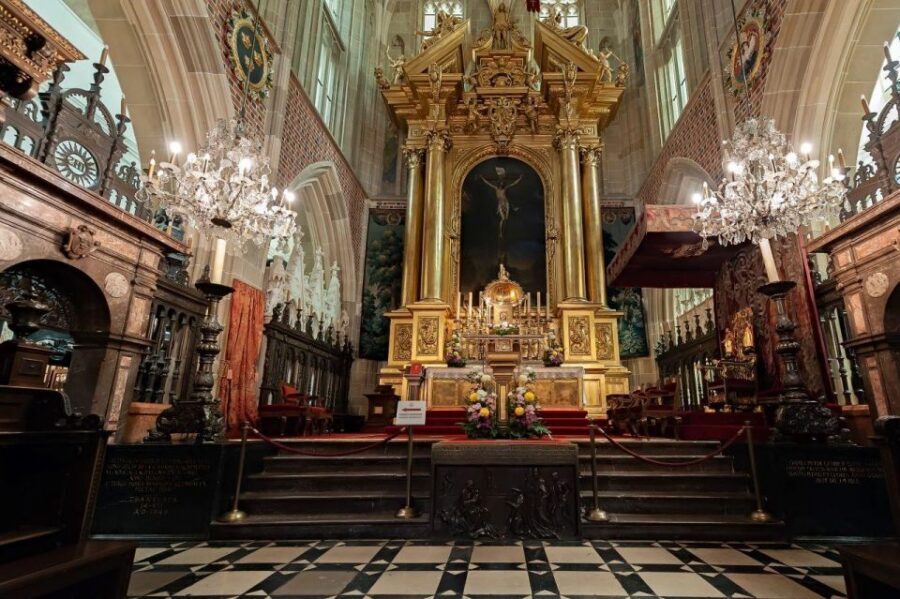
The Gothic cathedral experience is all about ornate detail, and the guide’s job is to point out what you’d otherwise miss. You’ll move through chapels and areas that feel almost like a stitched-together book of religious art—golden domes, intricate sections, and the kind of craftsmanship you can only appreciate when someone tells you what to notice.
Then comes the signature moment: the Sigismund Bell. The tour includes time to go up the tower area for panoramic views, plus the chance to touch the bell for good luck while you’re up there. It’s the kind of moment people remember because it mixes ritual with a view over Krakow.
Finally, you’ll head down to the royal crypts. This is where the cathedral changes tone—from spectacle to legacy. It helps you understand that Wawel isn’t just a monument. It’s a national memory lane, with names and stories tied to major chapters of Polish history.
A realistic consideration: if the group timing gets tight (crowds or indoor flow), tower access and extra time for certain areas can feel rushed. It’s not a dealbreaker, but it’s worth knowing because you’ll notice the difference between “I got the main sights” and “I had time to linger.”
UNESCO Old Town: Market Square, Cloth Hall, and street-level story
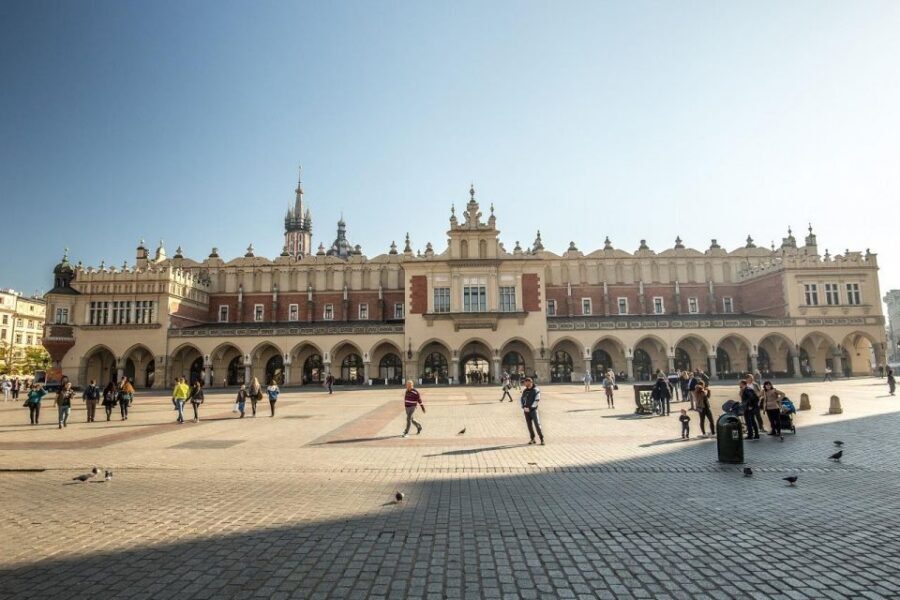
From Wawel, the tour shifts into Krakow’s UNESCO-listed Old Town, and this is where the day gains momentum. The guide leads you through the Main Market Square, the Cloth Hall, and the historic streets that make Krakow look like it was built for postcards—but with real life happening under the stone.
Main Market Square is the anchor, and the Cloth Hall is the detail that explains how money and trade shaped the city. In a guided walk, you don’t just see the buildings; you learn what they did and why they mattered.
Then you’ll connect Old Town to education and science with Collegium Maius, known as the oldest university building in Poland. The guide ties it to the city’s most famous student: Nicolaus Copernicus. Even if Copernicus isn’t your favorite topic, the guide’s explanation turns the stone façade into a timeline you can picture.
This section works well for first-timers because it gives you orientation. By the time you reach St. Mary’s Basilica, you feel like you understand where you are and how the city pieces fit together.
St. Mary’s Basilica and the Veit Stoss altar: Gothic drama in wood
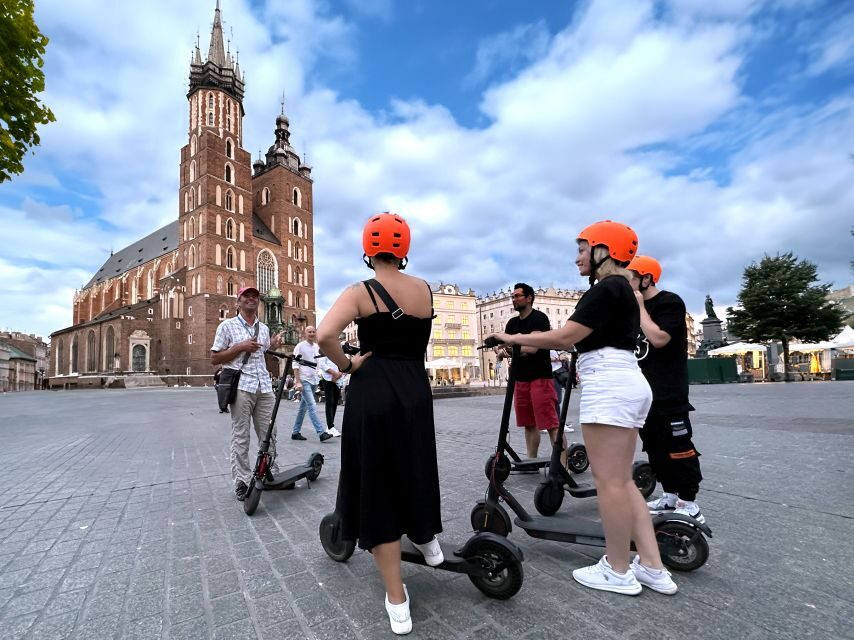
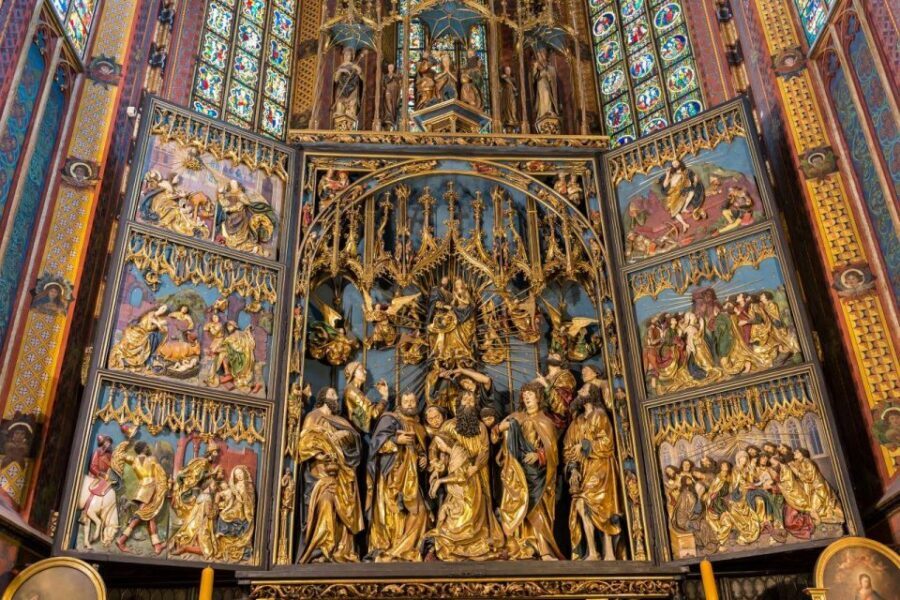
If you’re choosing just one “wow” stop in Krakow, many people point to St. Mary’s Basilica. This tour makes that stop the final highlight by including entry to the basilica and guided explanation.
The star is the Veit Stoss altar—a Gothic masterwork known for its storytelling through sculpture and intricate scenes. When the guide walks you through the details, the altar stops being a pretty object and becomes a narrated work, with meaning you can track visually.
This is also a good moment to slow down your pace. The basilica is indoor and crowded in peak times, so pay attention to the guide’s pacing cues. You’ll get more from the experience if you let the explanation guide where you look next, instead of trying to memorize everything at once.
And yes, the basilica is one more place with strong “dress code” pressure. Plan your outfit so your shoulders and knees are covered. Shorts and sleeveless tops aren’t a great idea here.



How the 3.5 hours actually works: pacing, crowds, and walking
The tour lasts 210 minutes—about three and a half hours—and it packs a lot of iconic ground. It’s not leisurely, and it’s not a sit-down-and-smile museum day.
The format is guided throughout, with a mix of:
- castle museum walking
- cathedral movement through chapels and crypt areas
- Old Town street walking between stops
- indoor time at St. Mary’s Basilica
Group size is capped at 30 participants, which keeps things manageable inside busy spaces. And in smaller groups, the Q&A tends to feel easier—there’s a big difference between being one of many voices and being able to ask questions without feeling rushed.
That said, crowds can still affect how long you spend at each point. One caution from real-world experience: if the crowd density rises, you might feel like you’re waiting for space to open up. That’s especially true around popular photo angles and any areas that have slow foot traffic.
So bring the right mindset: you’re buying a structured highlight tour. If you want long, quiet contemplation and zero crowd stress, you might need a second, slower visit on a different day.
Price check: is $87 good value for Wawel, cathedral, and Old Town?
At $87 per person, this isn’t a bargain-basement tour, but it also isn’t overpriced for what you’re getting.
Here’s what you’re really paying for:
- a certified local expert guiding you through multiple major sites
- skip-the-line / fast-track access for part of the Wawel museum experience
- entrance to Wawel Cathedral and St. Mary’s Basilica
- the Old Town walk with context, including Market Square, Cloth Hall, Collegium Maius, and Copernicus connections
If you tried to self-tour all of this—Wawel plus cathedral plus St. Mary’s plus Old Town—you’d spend time juggling tickets, finding the right routes, and working out what to look for. The guide helps you avoid that “wandering with a map” feeling and turns the visit into a coherent story.
You’ll still cover expenses like lunch (not included). But if you’re trying to see the core Krakow sights in a single outing, the guide-led structure is the value piece—not just the entry fees.
Dress code and practical tips you’ll thank yourself for
This tour includes visits to places of worship and selected museums, and a dress code is enforced: shoulders and knees must be covered. That means no shorts and no sleeveless tops.
Bring sensible shoes too. You’ll be walking through Old Town streets and moving between sites. Even if the route is efficient, it’s still a lot of steps in a short time.
Also, pets aren’t allowed. If you’re traveling with an animal, you’ll need a different plan for Krakow’s church and museum interiors.
Finally, this isn’t a wheelchair-friendly tour. If mobility is an issue, plan on an alternative format.
Who should book this tour (and who might not love it)
This is a strong choice if you:
- are visiting Krakow for the first time
- care about both history and art
- want a guide to explain what you’re seeing instead of just pointing at it
- prefer a compact highlights day rather than separate half-day tours
It may be less ideal if you:
- want a slow pace with lots of free time
- hate being in crowds around big indoor sights
- need step-free accessibility
And if you’re picky about timing for tower views or lingering in chapels, keep a little flexibility in your schedule—crowd levels can shift what feels possible within the group’s time.
Should you book the Wawel Castle, Cathedral, Old Town, and St. Mary’s Basilica tour?
If your goal is to hit Krakow’s biggest cultural anchors in one efficient block, I’d book it. The mix is smart: castle first for context, cathedral second for power and legacy, Old Town for orientation, and St. Mary’s Basilica to finish with Gothic drama.
The biggest reason to choose this tour is the guided explanation. It’s the difference between seeing landmark buildings and understanding why Krakow developed the way it did. I’ve heard great things about guides like Jadwiga, Anna, and Beata K—people who know their material and can answer extra questions when the group size allows.
Just go in expecting crowds and a brisk pace. If you do, you’ll get a day that feels like a guided “greatest hits” album—only in stone, wood, and gold.
FAQ
What’s the meeting point for the tour?
Meet your guide on St. Mary Magdalene Square at the Piotr Skarga Monument. The guide will hold a Wawel Castle & Cathedral Guided Tour sign.
How long is the tour?
The duration is 210 minutes (about 3.5 hours).
Do I get skip-the-line access?
Yes. The tour includes skip-the-line access, including fast-track access to a permanent Wawel Castle exhibition (availability can vary).
Which attractions are included?
The tour includes guided visits to Wawel Castle and Wawel Cathedral, a guided walk through UNESCO-listed Old Town, and entry to St. Mary’s Basilica (including the Veit Stoss altar).
What is the price?
The price listed is $87 per person.
Which languages are available?
The tour is offered in English, French, German, Italian, and Polish.
Is lunch included?
No. Lunch is not included.
Is the tour suitable for wheelchair users?
No. It is not suitable for wheelchair users.
Are pets allowed?
Pets are not allowed.
What dress code should I follow?
In places of worship and selected museums, you must cover shoulders and knees. Shorts or sleeveless tops are not permitted.
Is there free cancellation and reserve & pay later?
Free cancellation is available up to 24 hours in advance for a full refund, and you can reserve now and pay later (pay nothing today).