REVIEW · OSWIECIM
Auschwitz-Birkenau: Fast-Track Ticket & Guided Tour No Transfers
Book on Viator →Operated by Cracow Visit · Bookable on Viator
Hard history, handled with structure. This fast-track Auschwitz-Birkenau experience saves you from long ticket lines and puts you with a professional, licensed English guide for both Auschwitz I and Auschwitz II (Birkenau). I like the focus on the two key areas, because you don’t just see buildings—you get help understanding what you’re looking at through careful, objective storytelling. I also like that it’s built as two guided walking tours (about three hours on foot total), so the visit feels organized instead of rushed and guesswork-heavy.
In This Review
- The one catch to plan for
- Key points to know before you go
- Why a fast-track Auschwitz tour saves you real stress
- Price and value: what $46 really buys
- Meeting up and the one rule: check your messages
- Auschwitz I: museum stop and what the guide helps you see
- Auschwitz II (Birkenau): the walking segment that changes scale
- The packed lunch gap: plan for real time between camps
- Getting to the starting point vs. getting between camps
- Group logistics: when organization matters
- Who this tour is best for
- Who should skip or choose differently
- Practical tips that make the difference
- Should you book this Auschwitz-Birkenau Fast-Track tour?
- FAQ
- How long is the Auschwitz-Birkenau fast-track guided tour?
- Does this tour include skip-the-line entry?
- Is transport between the two camps included?
- Do I need to bring food?
- Is there an English-speaking guide?
- Can I cancel for a refund?
- How do I get the exact start time?
The one catch to plan for
The biggest consideration is timing. The exact start time can shift based on guide availability, and your provider will confirm the details the day before via email or WhatsApp, which means you need to stay flexible and check your messages. The format also expects you to bring a packed lunch for the gap between the two camps, so you’ll want to show up prepared rather than improvising.
Key points to know before you go
- Skip-the-line entry to Auschwitz I and Auschwitz II (Birkenau) helps you start faster
- Two guided walking segments with the same group and guide: museum then Birkenau
- Packed lunch required for the time between the two tours
- English licensed guide plus on-site support keeps the experience moving
- Timing can change and the exact start time is confirmed the day before
You can also read our reviews of more tours and experiences in Oswiecim



Why a fast-track Auschwitz tour saves you real stress
Auschwitz isn’t the kind of place you should treat like a checklist stop. If you lose time hunting for tickets or waiting around, you end up spending your limited energy on logistics instead of understanding what you’re seeing. A fast-track approach helps you get into the site process quickly and calmly.
This tour is also designed around a guided flow. You’re joining a group with a guide who leads you through Auschwitz I first, then on to Auschwitz II (Birkenau). That structure matters because both areas are spread out and emotionally heavy, so having a plan keeps you from feeling lost.
Price and value: what $46 really buys
At $46, the value comes from three things you’d otherwise have to piece together: entry to both Auschwitz I and Auschwitz II, a licensed English guide for both parts, and on-site help to keep the group on track. With Auschwitz, skipping even one line can be worth it, because crowds and timing pressures are real.
The tour length is about 3 hours 30 minutes total, which is fairly efficient for two separate sites. Auschwitz I is scheduled at about 2 hours, and Birkenau runs about 1 hour 15 minutes, so you’re not just parked at one location while the rest of your day disappears.
Meeting up and the one rule: check your messages
This is not one of those tours where you show up at a time printed on your phone and assume everything stays fixed. The exact start time may change due to guide availability, and you’ll receive the final time the day before by email or WhatsApp from the activity provider.
You’ll also get a day-before contact from the local partner to confirm pickup time and details. That makes the tour workable, but it also means you should treat your confirmation message like a must-read. If you’re the type who plans your whole day down to the minute, you’ll want extra buffer here.
Auschwitz I: museum stop and what the guide helps you see
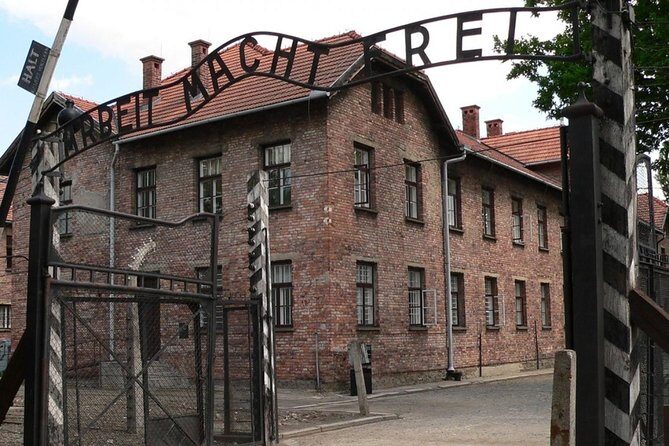
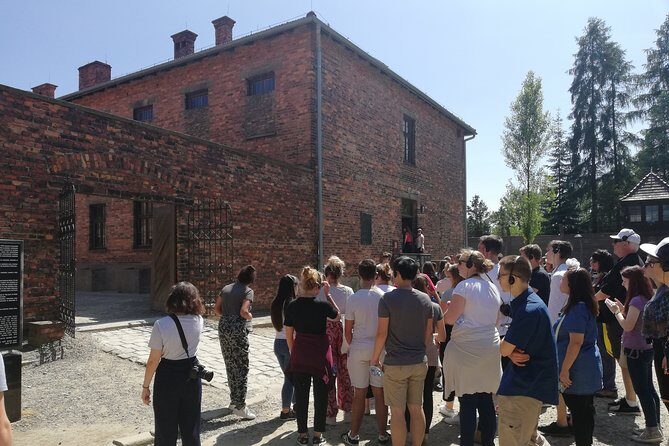
Your first stop is Panstwowe Muzeum Auschwitz-Birkenau (Auschwitz I). You’ll be with a group and a professional licensed guide for about 2 hours, and the focus is on the museum and the core camp area.
A good guide experience here is everything. The difference is how the information lands: you’re not just hearing facts, you’re learning how to connect what you see to the historical reality. Several comments emphasized that guides handle the subject with care and objective commentary, which is exactly what you want in a place like this.
This is also where you’ll feel the pace. The tour format is structured, so you don’t get endless wandering time. If you like to pause for long stretches on your own, you might feel a bit guided and directed. Still, for most people, the framework helps you make sense of what can otherwise feel like an overwhelming wall of details.
You can also read our reviews of more guided tours in Oswiecim


Auschwitz II (Birkenau): the walking segment that changes scale
Next you move to Miejsce Pamięci i Muzeum Auschwitz II-Birkenau (Birkenau). This part is about 1 hour 15 minutes with the same guide and group, and it’s focused on the Birkenau site.
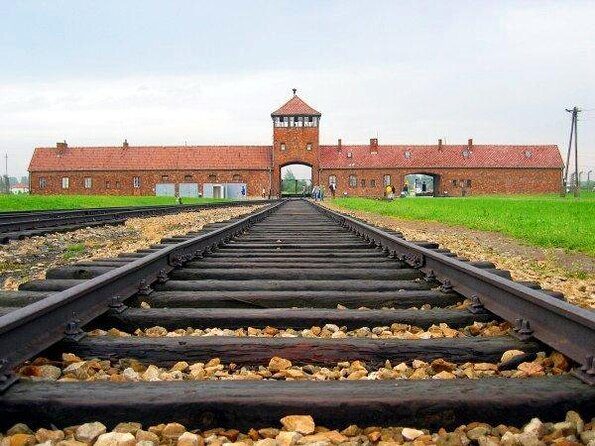
Birkenau can feel bigger, emptier, and more exposed than Auschwitz I, even though both are part of the same system. The guide’s job here is to translate that physical setting into understanding: why the layout matters, what the spaces were used for, and how the camp’s scale shaped the experience of those imprisoned there.
You should also assume that you’ll walk. This tour is built around walking tours, not a seated lecture. Wear shoes you can trust for uneven surfaces and long stretches, and be ready for shifting light and weather exposure depending on the season.
The packed lunch gap: plan for real time between camps
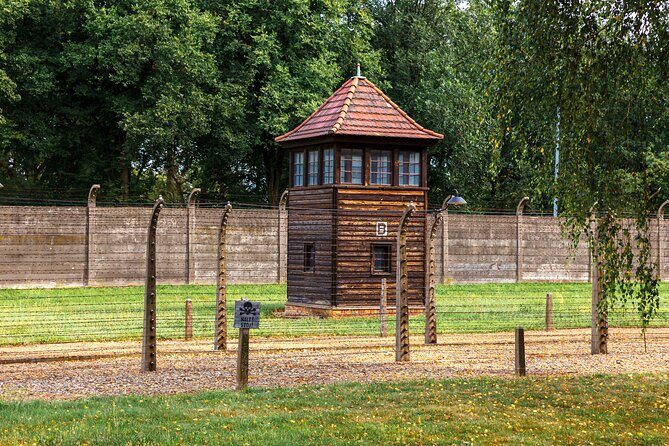
This tour expects you to bring a packed lunch to eat between the two separate tours. That’s a practical requirement, and it’s also a time-planning issue you can’t ignore.
The break between the first and second camp isn’t automatically guaranteed to be long and leisurely. If your schedule is tight, or you’re hoping to stretch the break with extra time for food and restrooms, assume the window could be short and keep your lunch simple. Bring water too, because it’s easy to underestimate how long you’ll stay outside while moving between areas.
If you’re thinking of grabbing snacks on-site, don’t count on it as your plan. The tour’s design is clearly aimed at letting you eat what you brought, so do yourself a favor and pack something you can eat quickly.
Getting to the starting point vs. getting between camps
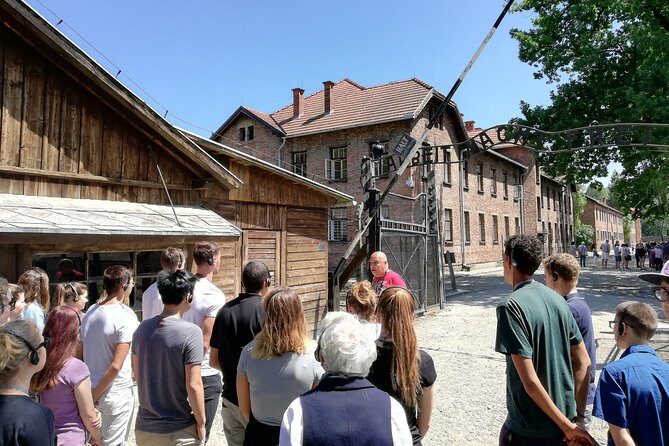
The tour notes that transport to and from the museum isn’t included, and parking fees are not included either. In plain terms: you’re responsible for getting yourself to the meeting area near public transportation.
What’s included is the experience once you’re on the tour: skip-the-line entry and a planned transfer between the two camps via shuttle is part of how the tour connects the stops. That’s the part you want, because moving between Auschwitz I and Auschwitz II without coordination is where time can get messy.
If you’re arriving by car, parking may cost extra and isn’t bundled. If you’re coming by public transport, the meeting point being near transit is helpful, but you still should build in time to find your group calmly.
Group logistics: when organization matters
Auschwitz tours live and die by timing and meeting-point communication. This one includes an on-site tour attendant, which is a real help if you’re trying to get your bearings and find the right group quickly.
The mixed rating (3.3 based on 17 check-ins) suggests that organization can be uneven at times. The most important lesson from that is simple: don’t plan another tight appointment immediately after this tour, and don’t ignore your confirmation messages. If the start time shifts by even 45 minutes, it can throw off the rest of your day.
If you’re the type who hates waiting, aim for calm expectations. You may have to deal with some waiting while the group is assembled and guided access is managed.
Who this tour is best for
This tour fits best if you want structure. If you’re interested in World War II-era history and you’d rather have a guide connect the dots instead of wandering on your own, you’ll likely appreciate the format.
It’s also a good pick if you value licensed, English-language guidance and skip-the-line entry. Those two things alone reduce stress and help you start absorbing information sooner.
Where it’s less ideal is if you’re on a strict schedule. Because timing can shift based on guide availability, you should book this when you can afford flexibility.
Who should skip or choose differently
Skip this version if your day is built around hard deadlines like a train departure you can’t miss. This tour can adjust its start time, and that’s not compatible with zero-margin planning.
Also skip it if you absolutely need long independent time inside each area. The experience is built as guided walking segments, so you’ll be following the group. You’ll get understanding from the guide, but you won’t be setting your own rhythm for hours.
Practical tips that make the difference
Start with comfort, because the tour asks your body to do its part. Wear supportive shoes and dress for the weather since you’ll be outdoors between and around the camp areas.
Bring a packed lunch and keep it easy. The instructions are clear, and the schedule is tight enough that complicated meals or long breaks can become a problem.
Finally, check your phone the day before. The operator communicates the exact start time via email or WhatsApp, and that message is the one you should trust for your day-of plan.
Should you book this Auschwitz-Birkenau Fast-Track tour?
If your priority is to get in fast and learn with a licensed English guide across both Auschwitz I and Birkenau, this is a strong match. The pricing is reasonable for what’s included, and the guided format helps you understand what you’re seeing without getting stuck in logistics.
If you need guaranteed timing, or you’re the kind of person who can’t handle schedule changes, you’ll probably feel stressed here. You can’t treat this like a fixed-time theater ticket. With that in mind, book only if you can stay flexible, read your confirmation messages, and keep extra time in your plan.
For most people, the biggest payoff is the combination of skip-the-line entry + two well-structured guided segments. For the best day possible, show up prepared for a packed lunch break and treat timing updates as part of the tour.
FAQ
How long is the Auschwitz-Birkenau fast-track guided tour?
It runs about 3 hours 30 minutes in total, with Auschwitz I scheduled around 2 hours and Auschwitz II (Birkenau) around 1 hour 15 minutes.
Does this tour include skip-the-line entry?
Yes. It includes skip-the-line entry tickets for both Auschwitz I and Auschwitz II (Birkenau).
Is transport between the two camps included?
A shuttle between the sites is mentioned as part of the tour experience, but transport to and from the museum is not included.
Do I need to bring food?
Yes. You should bring a packed lunch to eat between the two separate tours.
Is there an English-speaking guide?
Yes. The tour includes a professional, licensed English guide at both Auschwitz I and Auschwitz II (Birkenau).
Can I cancel for a refund?
No. This experience is non-refundable and cannot be changed for any reason.
How do I get the exact start time?
You’ll receive the exact start time the day before via email or WhatsApp message, and the local partner will also contact you to confirm pickup time and details.