REVIEW · OSWIECIM
Krakow Auschwitz-Birkenau Memorial Guided Tour Meeting Point
Book on GetYourGuide →Operated by Walking & talking · Bookable on GetYourGuide
This day leaves an imprint.
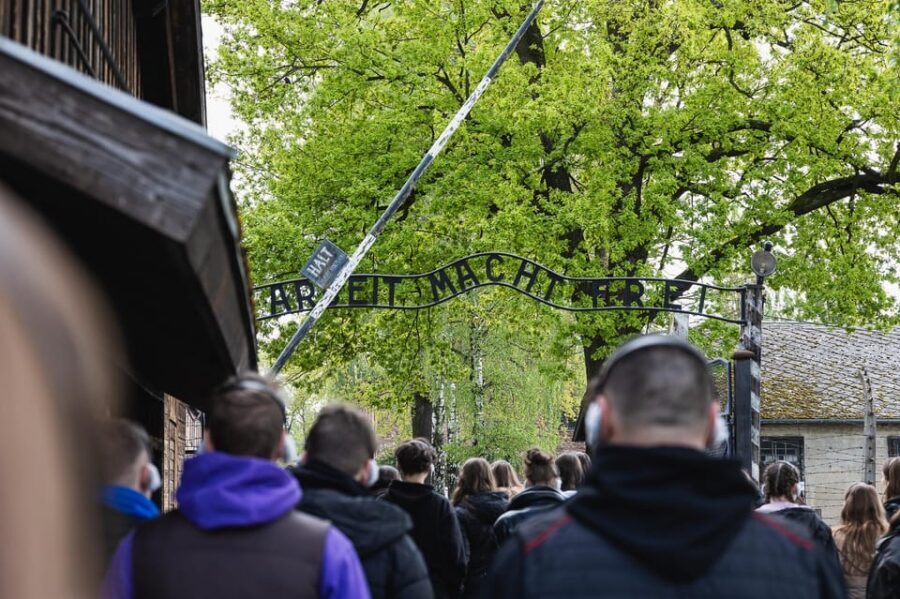
A guided visit to Auschwitz-Birkenau is one of those trips that changes how you see the world, because it’s not vague history—it’s a real place where the Holocaust unfolded. I like that the format is built around clear explanations and time to process, not just speed. You’ll walk through the main camp area and beyond, guided through key moments and the machinery of genocide, including the gate with Arbeit Macht Frei and the facilities tied to mass exterminations.
Two things I especially like: skip-the-line priority entry and a live guide with headsets so you can actually follow what’s being explained. One consideration: this is a long, emotionally heavy day with significant walking, so you’ll want comfortable shoes and a plan for staying steady through a lot of difficult information.
In This Review
- Key highlights I’d plan around
- Krakow to Auschwitz: why this guided day actually works
- Getting to the memorial: transfers, timing, and mental prep
- Auschwitz I: the gate, prison-block exhibitions, and the “what happened” context
- The short transfer: why that 15 minutes isn’t just bus time
- Auschwitz II-Birkenau: the second camp and why it lingers
- Pacing and comfort: a 7-hour schedule that still feels manageable
- Skip-the-line priority entry: what you gain (and what you don’t)
- Price and value: is $63 worth it?
- What to bring and the entry rules you must follow
- Who should book this guided Auschwitz-Birkenau day from Krakow
- Should you book it?
- FAQ
- How long is the Auschwitz-Birkenau guided tour from Krakow?
- Where do I meet the tour in Krakow?
- Does the tour include transportation to and from Auschwitz?
- Is there a skip-the-line or priority entry ticket included?
- What language is the guide?
- What should I bring for entry?
- Are headsets provided?
- Is this tour suitable for wheelchair users?
Key highlights I’d plan around
- Priority entry to Auschwitz-Birkenau Memorial and Museum keeps your schedule from getting derailed.
- A guided walkthrough of Auschwitz I and Auschwitz II gives you the full arc, not just the headline sights.
- The Arbeit Macht Frei gate anchors your first big moment at the main camp.
- Gas chambers/crematorium areas and exhibition halls are part of the guided route, with context provided.
- Multiple memorial moments are built into the day for reflection, not just photos and onward.
- Air-conditioned round-trip transport from Krakow reduces hassle and fatigue on a 7-hour schedule.
Krakow to Auschwitz: why this guided day actually works
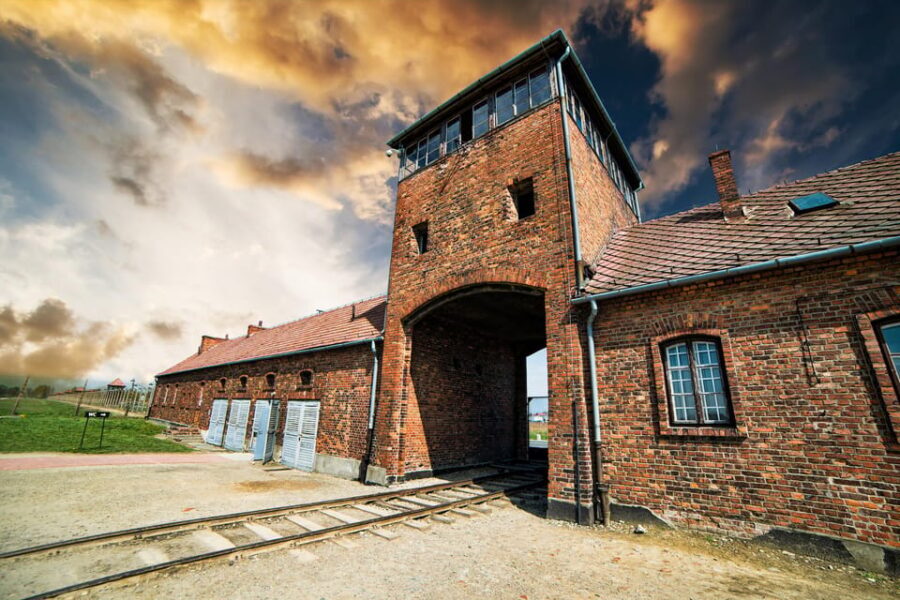
If you’re in Krakow and you’re weighing self-guided vs. a guided trip, this option leans practical. You’re getting round-trip transportation by air-conditioned bus plus a professional structure inside the memorial sites. That matters because Auschwitz isn’t a “wandering” kind of place. You’ll get more out of it when your time is organized and your questions are handled with a sensitive, historical framework.
I also like how the tour is designed around pacing. You’re not just dropped at the entrance and left to figure things out. A qualified local guide leads you through Auschwitz I first, then on to Auschwitz II, with transfers in between. That’s a big help if you want meaning without turning the day into logistics management.
One more point: this tour includes headsets, which sounds small until you’re standing in a crowded, outdoor setting. It’s easier to keep track of what your guide is saying, and you spend more time looking at the site and less time trying to hear through the group.
You can also read our reviews of more guided tours in Oswiecim



Getting to the memorial: transfers, timing, and mental prep
The day starts with pickup depending on your chosen option, and there’s a clearly stated meeting location: Mercure Hotel, Kiss&Ride Parking, Pawia 18b (the tour ends back at this point). Expect about 1.5 hours of bus time each way. The vehicle is described as comfortable and air-conditioned, which is worth noting for a day with a lot of standing and walking.
Time windows can shift. The tour notes that because of guide availability at the memorial, the scheduled tour times may change even if you pick a preferred time. It also says the provider will contact you the day before to confirm any change, and time changes do not qualify for a refund. So I treat this like a “flexible schedule” day: I plan around the 7-hour duration, not around a precise minute-by-minute plan.
Before you go, do two simple things:
- Bring your passport or ID card (entry depends on the name matching what’s booked).
- Wear comfortable shoes because you’ll be moving through memorial areas for hours.
This kind of visit also asks for mental prep. Auschwitz is not like most sites where you can bounce between stops. You’ll want a calm headspace going in so the guided context can land.
Auschwitz I: the gate, prison-block exhibitions, and the “what happened” context
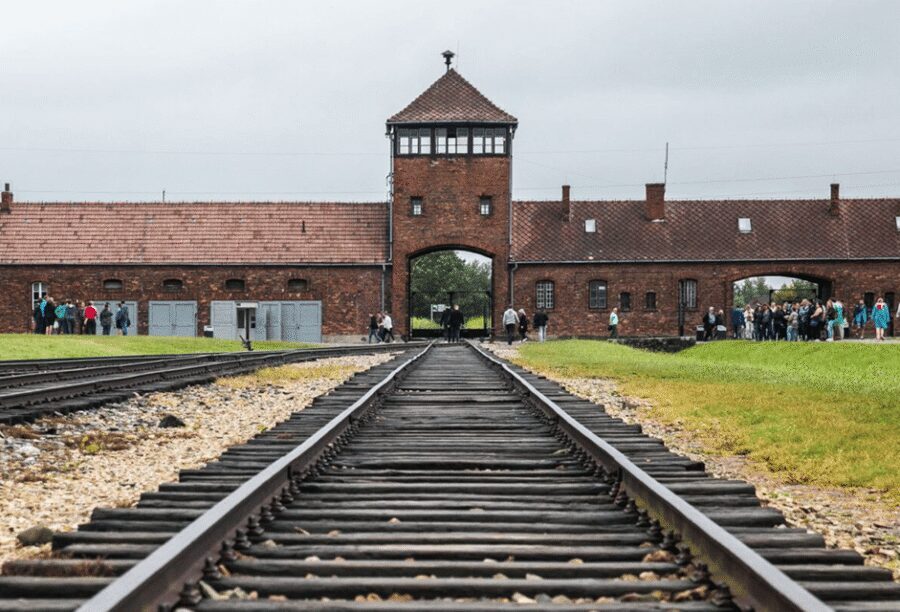
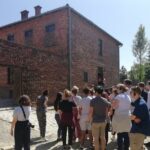
Your first big block is the main camp area, led as a guided visit for about 2.5 hours. This is where you’ll see the infamous gate with the Arbeit Macht Frei sign. For many people, that’s the instant visual hook: it’s one of those symbols that feels wrong in your hands, because the place beneath it represents engineered cruelty.
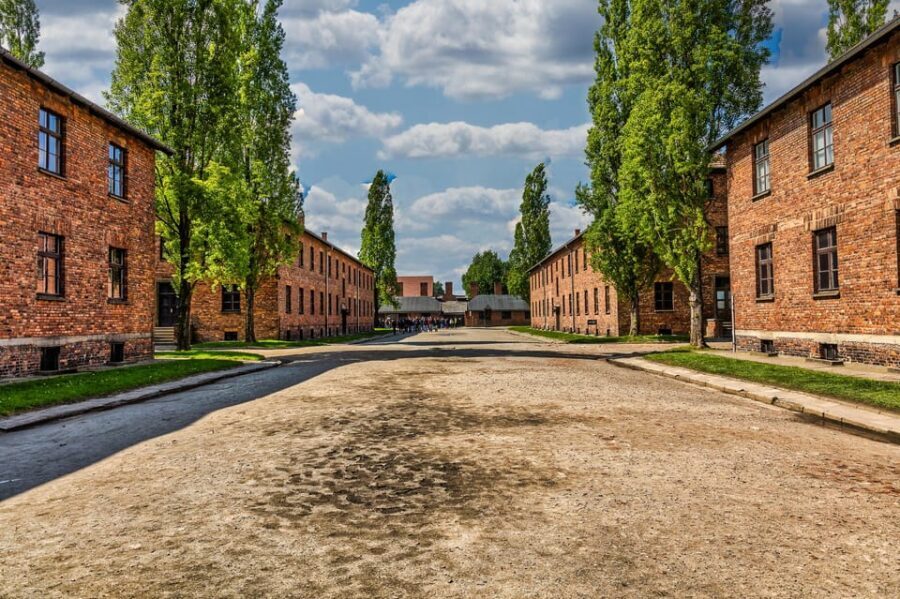
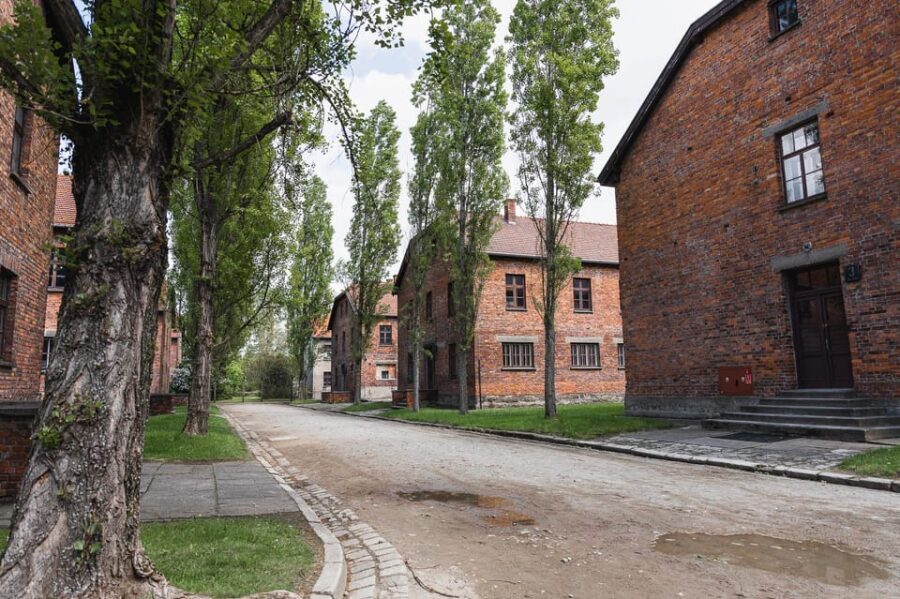
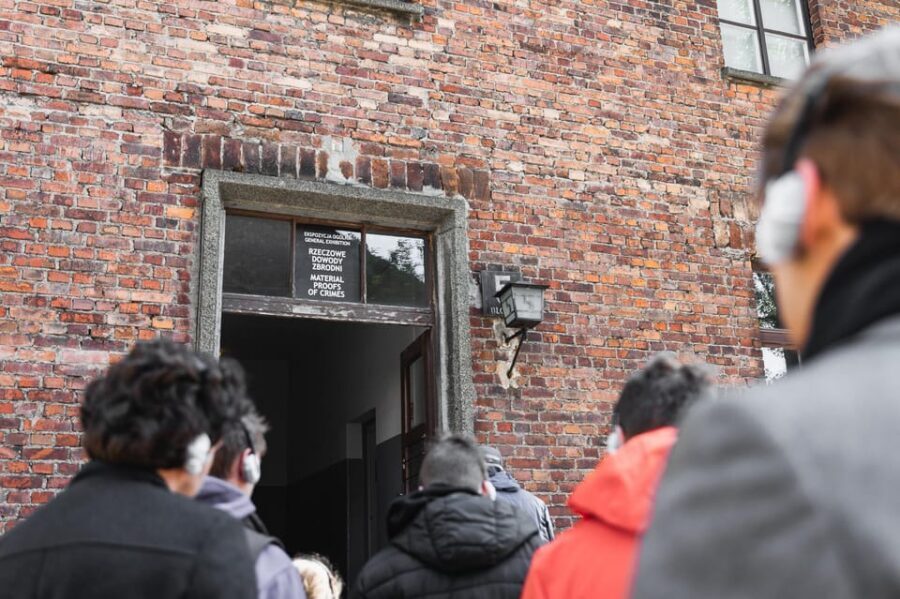
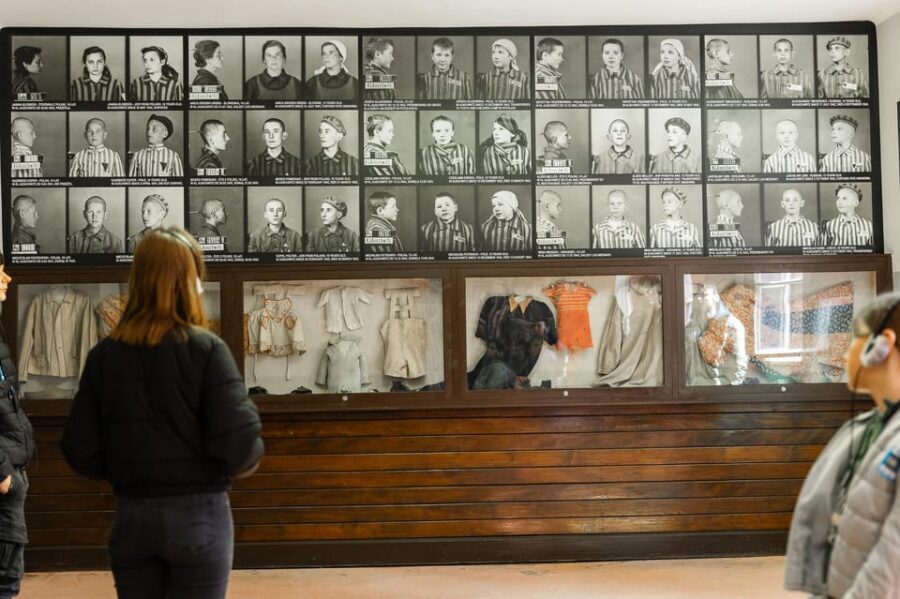
From there, the route focuses on remnants of facilities that were part of mass extermination. The tour description specifically points to gas chambers, crematoriums, and exhibition halls inside the older prison blocks, with your guide explaining the who, how, where, when, and why. That list matters. It’s not just “what you’re looking at,” it’s the structure that helps you understand how the system worked.
There’s also a theme of remembrance woven through the experience. The tour includes paying respects at various memorials dedicated to Holocaust victims, which changes the feel of the visit. Instead of treating it like a checklist, you’re repeatedly pulled back to the human loss the site represents. And there’s built-in space for a moment of reflection.
Practical tip: give yourself permission to slow down in this first half. The guide is providing context, but your brain is also absorbing scale, names, and suffering. If you rush, you miss what makes a guided day worthwhile.
The short transfer: why that 15 minutes isn’t just bus time
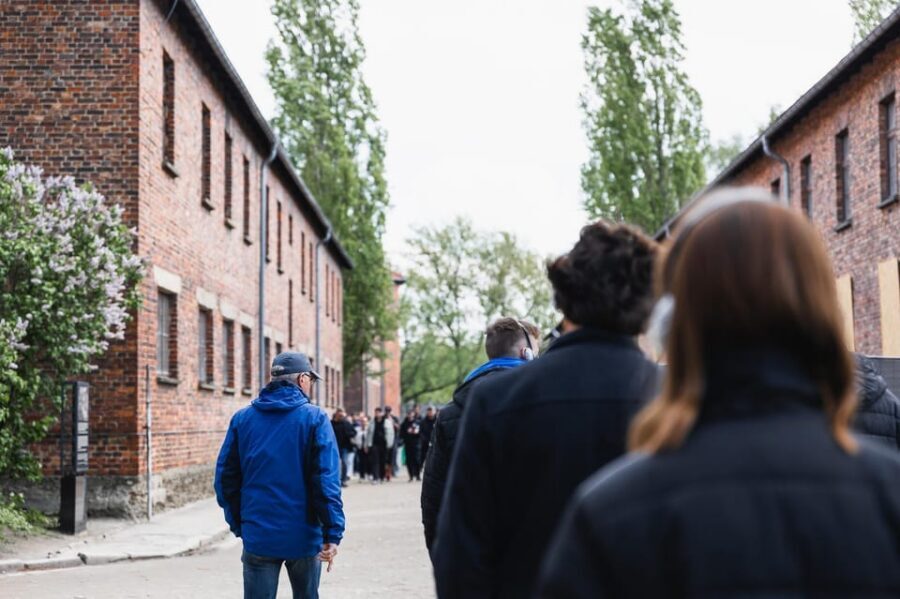
Between the first camp area and Auschwitz II, you’ll have a brief bus/coach transfer (about 15 minutes). On the surface, that’s not long. But I’ve found these in-between transfers do something useful: they reset your senses for the second half.
Auschwitz II (Birkenau) is different in feel and in how the camp’s layout hits you. You’ll want a moment where you’re not staring and walking at the same time. Even a short ride can help you refocus and be ready for what the guide will point out next.
Auschwitz II-Birkenau: the second camp and why it lingers
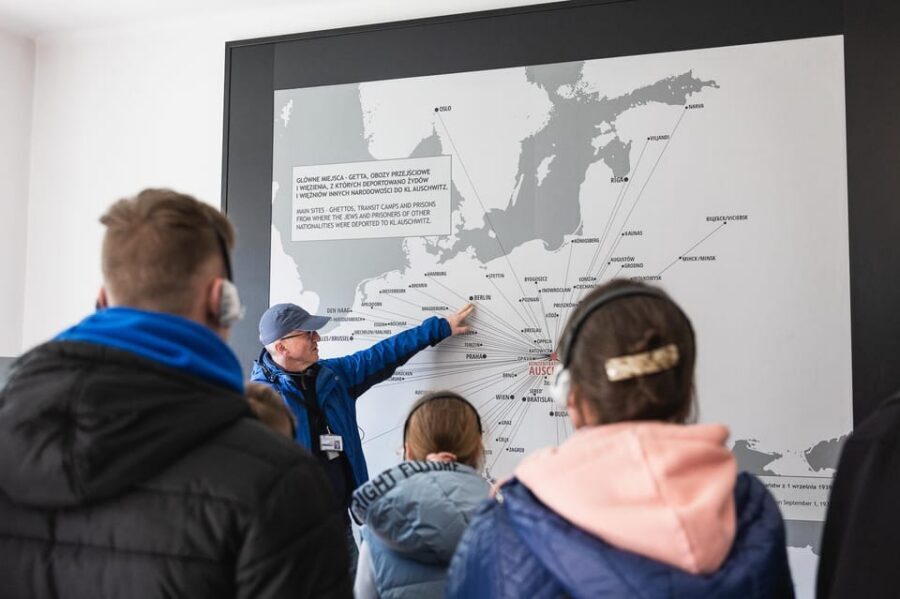
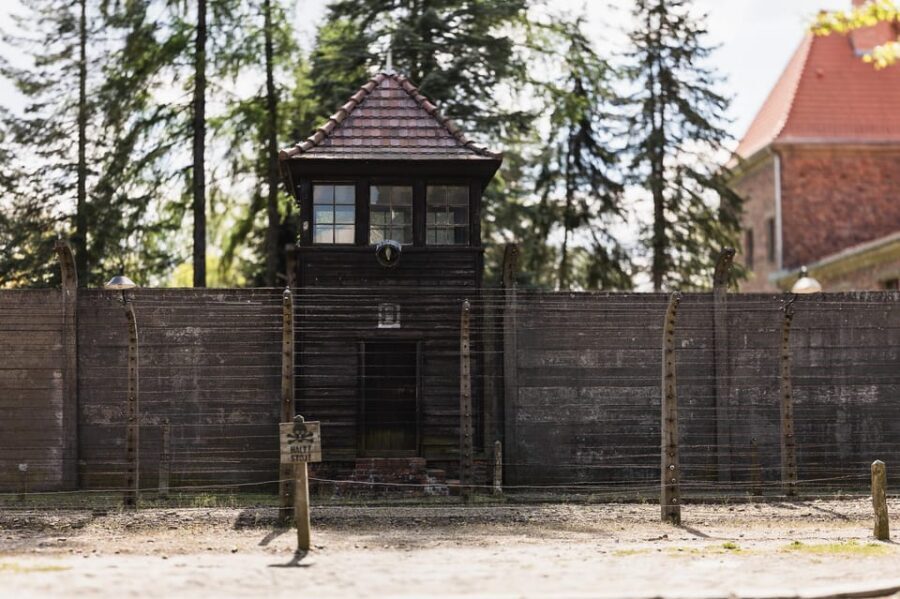
The Birkenau portion runs about 1.5 hours and is guided. This is where the tour aims to show you the remnants of facilities central to mass exterminations on a larger scale. The experience emphasizes the haunting nature of genocide and the importance of commemoration—so the guide’s tone and pacing are part of the value.
This is also where your earlier knowledge starts to click into place. In Auschwitz I, you’re often learning the system and seeing key structures used within the camp’s functions. In Auschwitz II, the enormity of what happened becomes harder to process, because it’s tied to the physical scope of the site.
If you’re wondering what makes this second guide session worth the extra time, it’s that you’re not repeating the same explanation. The structure of the tour is meant to move from one camp context to another, with a change of location that helps your understanding stay organized.
And again, there’s room for remembrance. The tour includes visits to memorials and a reflection moment. That doesn’t fix the heaviness, but it keeps the day from becoming mechanical.


Pacing and comfort: a 7-hour schedule that still feels manageable
Let’s talk about the real-world math. The total duration is 7 hours, which includes travel time and both guided blocks:
- ~1.5 hours by bus out
- ~2.5 hours guided at Auschwitz I
- ~15 minutes transfer
- ~1.5 hours guided at Auschwitz II
- ~1.5 hours by bus back
So yes, it’s a full day. But the structure is thoughtful: you have clear blocks of guided time, plus transport that’s handled for you. That matters because Auschwitz days can get stressful when you’re trying to coordinate entrances, tickets, and timing on your own.
The tour is also set up as a small group option, which helps with how the guide can manage the pace. And you’ll have headsets to hear clearly—especially useful outdoors, when voices can carry poorly.
My other comfort advice is simple: plan for the long walk, not just the guided hours. Bring a bottle of water if you like (food and drinks aren’t included, so you’ll want to think ahead), and keep your hands free by stowing loose items securely.
Skip-the-line priority entry: what you gain (and what you don’t)
You get priority entry to the Auschwitz-Birkenau Memorial and Museum. In a place where the day can get tight, that’s real value. It can mean more time inside the memorial areas with your guide, rather than losing minutes to waiting.
Just keep your expectations grounded: priority entry helps with time, but it doesn’t reduce the emotional weight of the visit. This isn’t a “fast track to photos.” The point is interpretation and remembrance, and the tour schedule is still built around careful guided time.
Also remember the tour notes that guided tour times may change due to memorial guide availability. Priority entry supports access, but the exact start may not be 100% locked in. Build your day with that flexibility in mind.
Price and value: is $63 worth it?
At $63 per person, this tour isn’t cheap, but it also isn’t an “everything is free” situation. What you’re paying for is the package deal:
- Round-trip transportation in an air-conditioned vehicle
- Pickup from the Krakow meeting area (depending on the option you choose)
- Skip-the-line priority entry
- Headsets so you can hear the guide clearly
- A professional qualified local guide at the memorial sites
- A professional tour leader
- The guided time at Auschwitz I and Auschwitz II, plus a brief transfer between
You’re also not paying for everything else. Food and drinks aren’t included, and parking fees aren’t included (so if you’re thinking of driving or meeting by car, plan accordingly).
So the “value” equation is really about whether you want to outsource the coordination. If you’d otherwise spend time buying timed tickets, organizing transport, and dealing with entry friction, this price starts to look fair. The priority entry + guide time combo is the core of why it costs what it costs.
And the feedback appears strong: the tour holds a 4.7 rating from 20 reviews, including a perfect 5/5 comment that simply called it Super trip. That’s not a lot of detail, but it does suggest people feel the day runs well and delivers what they came for.
What to bring and the entry rules you must follow
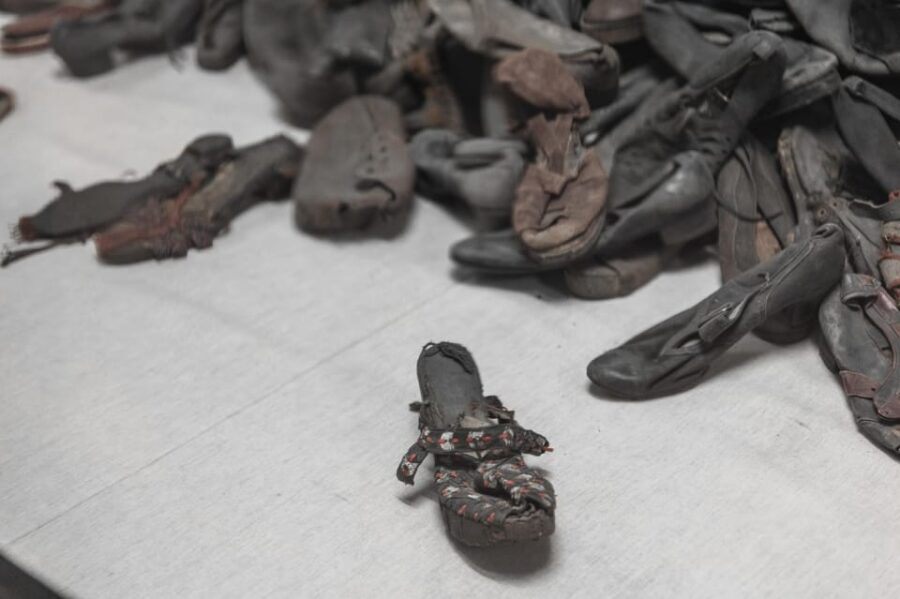
This is where I’d be strict, because Auschwitz entry requirements can be unforgiving.
Bring:
- Your passport or ID card
- Comfortable shoes
Not allowed:
- Pets
The booking also requires you to provide your full name and contact details, and the tour states entrance can be refused if your name on the booking doesn’t match the name on your ID when entering. That’s one of those “don’t wing it” moments. If your document name has middle initials or spacing, follow it carefully.
One more practical note from the tour guidance: call the provider a day before to confirm pickup time. That’s a good habit anytime you’re relying on a scheduled hotel or meeting-point transfer, and it’s especially smart here since tour start times may shift.
Who should book this guided Auschwitz-Birkenau day from Krakow
This tour is a strong fit if:
- You want a guided explanation rather than trying to self-navigate through highly complex, emotionally intense material
- You’d rather focus on the site and reflection than on transportation logistics
- You want priority entry to protect your time
It may not be the best match if:
- You need wheelchair accessibility (the tour is noted as not suitable for wheelchair users)
- You’re hoping for a short, light day. This is 7 hours, and it’s heavy.
If you’re visiting Krakow and you’re considering Auschwitz, you’re likely in the right mindset for a guided, structured day.
Should you book it?
I’d book it if you want the Auschwitz experience handled with care: priority entry, a qualified local guide, and a schedule that covers Auschwitz I and Auschwitz II in one day without you wrestling with logistics. At $63, you’re paying for organization, hearing support via headsets, and professional interpretation—which is exactly what you want at a place like this.
But book it with clear eyes. This isn’t a casual sightseeing day. It’s a long, reflective visit to genocide sites, and you’ll need comfortable shoes, patience, and the willingness to absorb difficult history.
If that sounds like your kind of meaningful trip, this is a solid way to do it from Krakow.
FAQ
How long is the Auschwitz-Birkenau guided tour from Krakow?
The total duration is 7 hours.
Where do I meet the tour in Krakow?
The meeting point is in front of Mercure Hotel at Kiss&Ride Parking, Pawia 18b. The tour ends back at the meeting point.
Does the tour include transportation to and from Auschwitz?
Yes. You get round-trip transportation by air-conditioned bus, plus pickup at the hotel or meeting point depending on the option selected.
Is there a skip-the-line or priority entry ticket included?
Yes. The tour includes priority entry to the Auschwitz-Birkenau Memorial and Museum.
What language is the guide?
The live tour guide is available in English and Polish.
What should I bring for entry?
Bring your passport or ID card and wear comfortable shoes.
Are headsets provided?
Yes. Headsets are included so you can hear the guide clearly.
Is this tour suitable for wheelchair users?
No, it’s noted as not suitable for wheelchair users.