REVIEW · KRAKOW
Auschwitz Guided Tour
Book on Viator →Operated by Private Tours Krakow. Private Tours Auschwitz · Bookable on Viator
This is one long, guided reality check. From Krakow, you get door-to-door transport and an English-speaking guide who talks you through what you’re seeing at Auschwitz-Birkenau, instead of leaving you to piece it together alone. The day moves between Auschwitz I and Birkenau, with the guide helping you understand how the camp functioned, not just what it looked like.
You also get real convenience baked in: you don’t have to hunt down a meeting spot, and the trip is built for comfort and clarity, with hotel pickup and drop-off. In smaller groups (max 15), the guide can answer questions without the whole experience turning into a rush-job.
One thing to consider: this is emotionally heavy, and the schedule is fixed once you’re there. You’ll be walking and standing for long stretches, and if you need a very flexible pace, you should plan accordingly.
In This Review
- Key points I’d plan around
- Door-to-door transport from Krakow: less hassle, more focus
- Getting into Auschwitz I: blocks, jail, and the meaning behind the buildings
- Walking to Birkenau: the 2.5 km shift that changes your perspective
- Birkenau: barracks, selections, road of death, and memorial space
- Why the guide matters: names you may hear and why their approach helps
- Timing, pace, and what a 6–7 hour day feels like
- Price and value: what you’re actually paying for
- Who this tour is best for
- Should you book this Auschwitz guided tour?
- FAQ
- How long is the Auschwitz guided tour from Krakow?
- Where does pickup happen?
- Is the admission ticket included?
- Do I need to meet at a specific place?
- What language is the guide available in?
- How many people are in the group?
- What stops are included during the visit?
- Is there a break during the Auschwitz I portion?
- Can I add other places or change the schedule?
- Can I cancel or change the booking?
Key points I’d plan around
- Hotel-to-hotel pickup and drop-off means less stress before and after a hard visit
- Multilingual guide options (English and others) help you actually follow the explanations
- A structured visit covering Auschwitz I and Birkenau in one day with a short break
- Admission ticket included so you’re not sorting last-minute entry paperwork
- Small group size (max 15) keeps the commentary more usable than in huge crowds
- Mobile ticket included, which makes check-in easier
Door-to-door transport from Krakow: less hassle, more focus
The best part of this day is how much mental energy it saves you. You get pickup and drop-off arranged around where you’re staying in Krakow (or near your arrival point), so you don’t waste time figuring out trains, buses, or how to coordinate a tight schedule on a solemn trip.
This also matters because timing at Auschwitz-Birkenau is not the kind of thing you want to gamble on. You want your attention on the site, not on navigation. With private transportation, the day feels more controlled from the moment you leave Krakow until you’re back.
Another practical win: the operator provides a mobile ticket, which usually means less paper juggling. It’s a small thing, but small things are useful when emotions are already running high.
You can also read our reviews of more guided tours in Krakow
Getting into Auschwitz I: blocks, jail, and the meaning behind the buildings
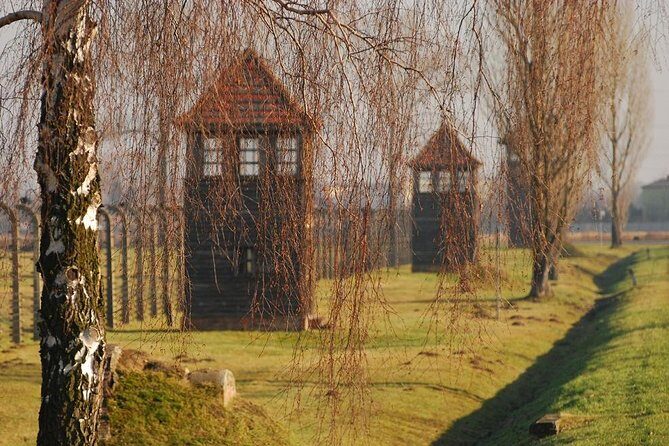
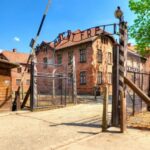
Auschwitz I is where your guide helps you build the first layer of understanding. You’ll spend around 2 hours here, with about a 15-minute break built in. That break is not extra fluff—it helps you reset before you step into the next part of the day.
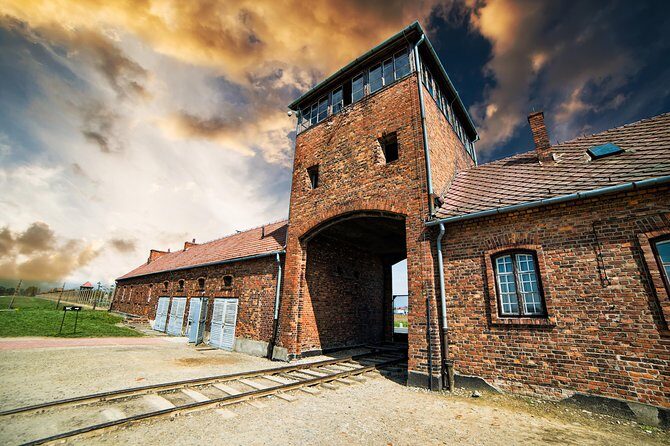
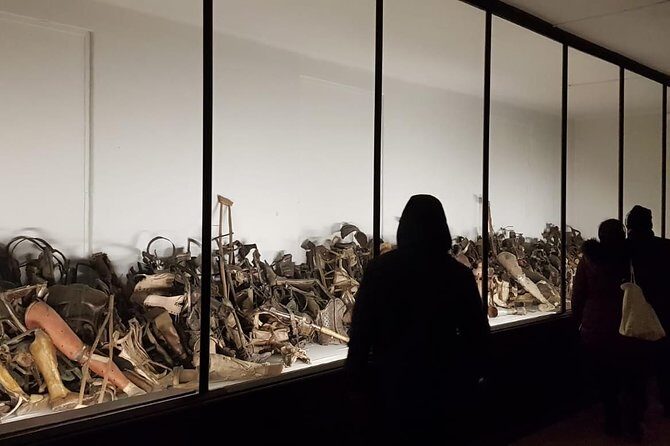
You can expect to see exhibitions in the camp’s blocks, the central jail area, and other key elements that explain how the prison system worked. The tour also includes details tied to the camp’s brutal infrastructure, including the gas chamber and crematoria areas at Auschwitz.
One thing I appreciate is how the tour doesn’t treat each stop like a disconnected photo-op. A good guide ties things together—why certain spaces existed, how daily life was controlled, and what the surrounding evidence is meant to show. In the reviews, guides such as Christopher and Tomek are singled out for leading people through the day with clear, respectful commentary and quick responses to questions.
A possible drawback of Auschwitz I: because it’s dense and visually intense, the information can hit fast. If you’re the type who processes best by going slower, plan on taking your 15-minute break seriously. Use it to stand, breathe, and refocus.
Walking to Birkenau: the 2.5 km shift that changes your perspective
After Auschwitz I, you travel 2.5 km further to Birkenau. That stretch isn’t just geography—it’s part of the story. Even if you already know the outline, the move helps your brain re-scale what you’re about to see.
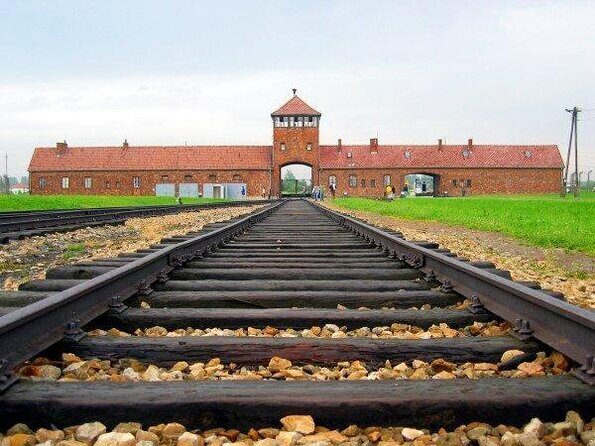
Birkenau is where the scale becomes unavoidable. You’ll spend about 1 hour there, and the guide’s job is to keep that hour meaningful, with context as you move between areas.
If you’ve only got one day from Krakow, this structure is practical. You see the core sites without trying to cram in extra stops that would dilute your focus.
Birkenau: barracks, selections, road of death, and memorial space
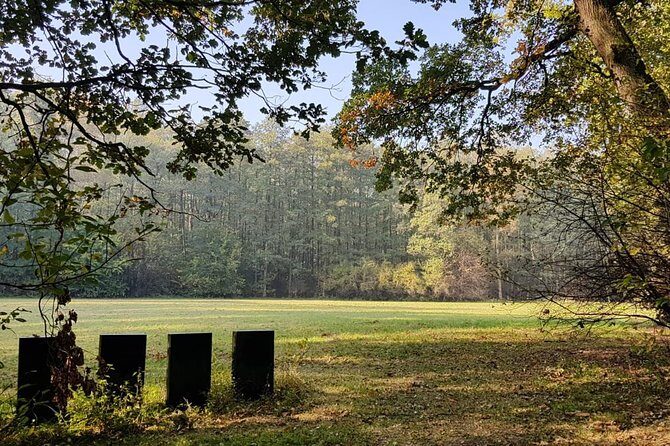
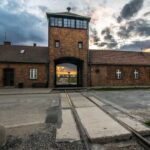
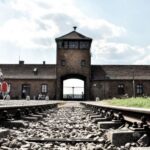
Birkenau is where many people feel the weight of the place most strongly. You’ll see wooden and brick barracks, and you’ll also pass areas tied to the ramp and the road commonly referenced as the route of death. The guide’s commentary here is crucial, because without explanation, it’s too easy to treat the spaces as scenery.
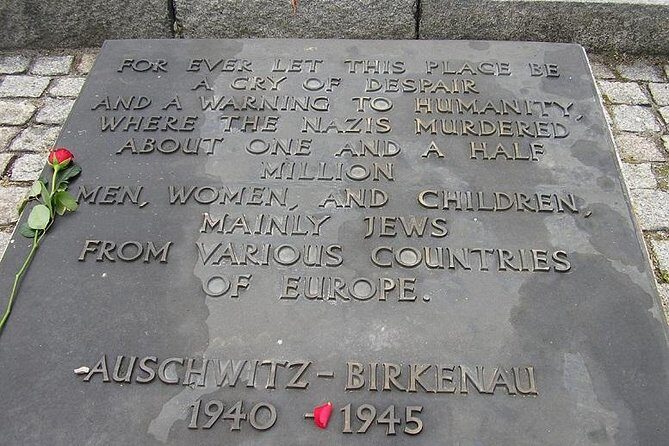
The tour also includes ruins of gas chambers and crematoria in Birkenau, plus the memorial space devoted to all victims. That last part matters. You’re not just leaving with images—you’re leaving with a sense of remembrance and scope, not only mechanisms.
One planning note: because Birkenau is more open and spread out, comfort can be harder than Auschwitz I. Wear shoes you trust and bring layers even in mild weather. The emotional impact is the big factor, but physical comfort affects how much you can absorb.
Why the guide matters: names you may hear and why their approach helps
This is the kind of tour where the guide can change your entire experience. The operator includes a guide who speaks English (and also Spanish, German, French, or Italian depending on your group). That multilingual setup matters because you’ll get explanations that match your language, not a rushed translation of key points.
From the reviews, Christopher is described as giving a strong flow to the day, including help during the drive into Auschwitz. Tomek is also mentioned in glowing terms for walking people through the experience step by step and keeping things organized.
There’s also a pattern in the feedback: guides don’t just talk. They answer questions quickly and stay available, even when plans change. In one case, the day stayed on track after a cancellation from another provider, and the team worked to find an alternative time slot so the visitors could still get access. If you’re worried about last-minute stress, that kind of responsiveness is a real value point.
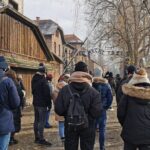
One more example from the feedback that I think you’ll appreciate: some guides add context about the Jewish and Polish relationship long before World War II—going back to the 1400s and 1500s—so the visit isn’t trapped inside the camp dates. That context doesn’t change what happened, but it can make you understand it in a broader human frame.
Timing, pace, and what a 6–7 hour day feels like
The full tour runs about 6 to 7 hours. That’s a long stretch for a place like Auschwitz-Birkenau, which is why the tour uses a tight structure: Auschwitz I first, then travel to Birkenau, then you’re back in Krakow.
The schedule looks simple on paper, but your body will feel the day. Even with a 15-minute break at Auschwitz I, you’ll be standing and walking repeatedly. Build your day around this, not around other plans.
If you’re tempted to stack dinner reservations right after pickup, I’d avoid it. Eat earlier, keep the rest of the evening open, and let your brain catch up to what your eyes have seen.
Also note the group size: a maximum of 15 travelers keeps things from becoming a herd. It’s still a guided group visit, but it’s not a huge group bottleneck.
Price and value: what you’re actually paying for
The price is listed at $622.42 per group for up to 3 people. That’s not cheap by the standards of many city tours, but for this kind of experience, I think the value is in the whole package, not only the guide.
You’re paying for:
- private transportation (not a shared bus shuffle)
- door-to-door pickup and drop-off from where you’re staying
- admission ticket included
- a guide in English and other major languages
Private transport is usually the biggest cost driver on Auschwitz days, because the logistics are part of the challenge. On top of that, Auschwitz-Birkenau isn’t a place where you want to improvise. Access, timing, and the guide’s ability to keep you moving through the right areas all matter.
So here’s the practical way to decide if it’s worth it for you: if you’re going with 2–3 people, the per-person math can look much more reasonable than if you’re comparing it to low-cost group coach options. If you’re going solo, it may still be worth it if you strongly prefer a smoother day and the chance for questions in a smaller group setting.
One more reality check: the experience is non-refundable and cannot be changed. If your dates are uncertain, wait until you’re solidly locked in before you book.
Who this tour is best for
I’d steer you toward this option if you want:
- a guided visit where the explanations are in your language (English offered, plus other languages)
- a day structured to cover Auschwitz I and Birkenau without trying to tack on extra stops
- a pickup/drop-off setup that avoids pre-tour stress in Krakow
It’s also a good fit if you’re the type who values clarity. The way the guides are described—organized driving commentary, step-by-step guidance, and quick answers—suggests people feel supported instead of left to read signs alone.
If you’re looking for extreme flexibility (stop-go pacing, custom routes, adding lots of extra sites), the tour may not match what you want. The day’s purpose is Auschwitz, and the structure reflects that. You can request additional places, but only at an extra cost and depending on what can be arranged.
Should you book this Auschwitz guided tour?
If your goal is one solid Auschwitz-Birkenau day from Krakow with less logistics stress, I think this tour is a smart choice. The combination of door-to-door transport, admission included, and an on-site guide who can answer questions is exactly what helps you turn a difficult visit into a meaningful one.
Skip it only if you already have a strong reason to do something else—like you want a different tour style, a custom itinerary, or you need an ultra-flexible pace. Otherwise, plan to treat the day as a full, respectful commitment: wear comfortable shoes, keep the rest of the day light, and let the guide’s explanations do their job.
And one last practical tip: before you go, set a personal intention. For example, decide what you want to understand by the end—how the system worked, how victims are remembered, or what life looked like before deportations. When you do that, the tour feels less like information overload and more like a guided lesson.
FAQ
How long is the Auschwitz guided tour from Krakow?
The tour runs about 6 to 7 hours.
Where does pickup happen?
Pickup is offered from a location you choose in or near Krakow, such as your hotel or the airport.
Is the admission ticket included?
Yes. Admission Ticket Included is part of the experience.
Do I need to meet at a specific place?
No. Door-to-door pickup and drop-off are included, so you don’t need to travel to a meeting point.
What language is the guide available in?
The guide is available in English, and also in Spanish, German, French, or Italian.
How many people are in the group?
The maximum group size is 15 travelers.
What stops are included during the visit?
You visit Panstwowe Muzeum Auschwitz-Birkenau, including Auschwitz I (about 2 hours) and Auschwitz II – Birkenau (about 1 hour).
Is there a break during the Auschwitz I portion?
Yes. You get a break of about 15 minutes during the Auschwitz I time.
Can I add other places or change the schedule?
Other places may be visited additionally or instead on request for an additional cost, depending on what can be arranged.
Can I cancel or change the booking?
This experience is non-refundable and cannot be changed for any reason.