REVIEW · KRAKOW
Day Tour: Traces of Pope John Paul II near Krakow
Book on GetYourGuide →Operated by CRACOW LOCAL TOURS · Bookable on GetYourGuide
Six hours, big spiritual momentum. This day tour strings together the key places tied to Pope John Paul II, with stops that go beyond a quick photo run. You start with pickup from Kraków, then move through sanctuaries that shaped his world and faith.
What I like most is how practical the plan feels: convenient transport between sites and a small group pace that doesn’t feel rushed. I also really value the live English guide and the guided visits, including the John Paul II museum time and a walking tour where you actually get context.
One possible drawback: the tour isn’t recommended for people with limited mobility, and a couple of past bookings noted confusion around language or who was doing the explaining.
In This Review
- Key highlights at a glance
- A day built around the places that shaped Pope John Paul II
- How the day starts: pickup, timing, and getting your bearings fast
- Łagiewniki’s Sanctuary of Divine Mercy: where Saint Faustina connects to Pope John Paul II
- Kalwaria Zebrzydowska UNESCO Sanctuary: Pope pilgrimage in a pilgrimage landscape
- Wadowice and John Paul II’s childhood home: the personal side of the story
- What’s included (and what you’re on your own for)
- Small group logistics: the value of a max-15 day
- Price and value: is $122 fair for this kind of day?
- Who this tour is best for (and who should rethink it)
- Should you book Traces of Pope John Paul II near Krakow?
- FAQ
- How long is the tour?
- Where does the tour start?
- What major places are included in the visit?
- Is a live guide included?
- How big is the group?
- Is lunch included?
- Do I need to skip ticket lines?
- What should I bring?
- Is the tour suitable for people with limited mobility?
- Are pets allowed?
Key highlights at a glance
- Kraków pickup and door-to-door ease so you don’t lose time figuring out routes
- Łagiewniki’s Divine Mercy Sanctuary, linked to Saint Faustina Kowalska
- Kalwaria Zebrzydowska UNESCO Sanctuary, tied to multiple pilgrimages by Pope John Paul II
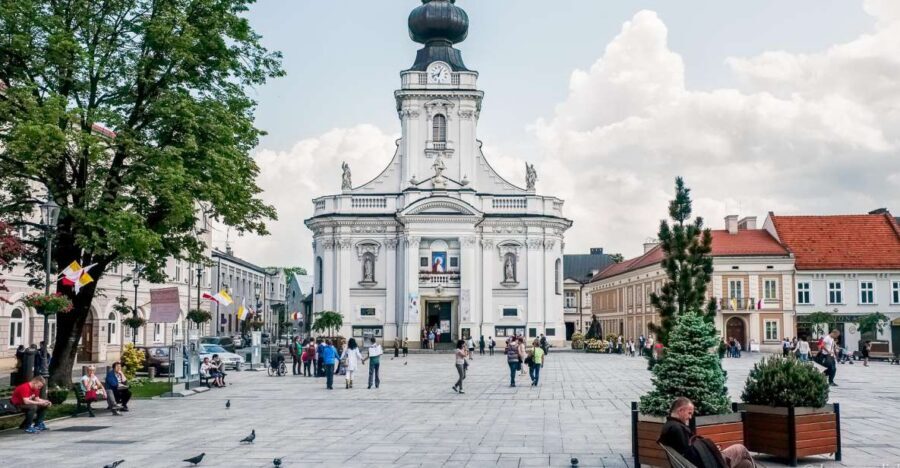
- Wadowice childhood home area, plus the John Paul II museum visit
- A small-group feel with a maximum of 15 participants, keeping it more personal
A day built around the places that shaped Pope John Paul II
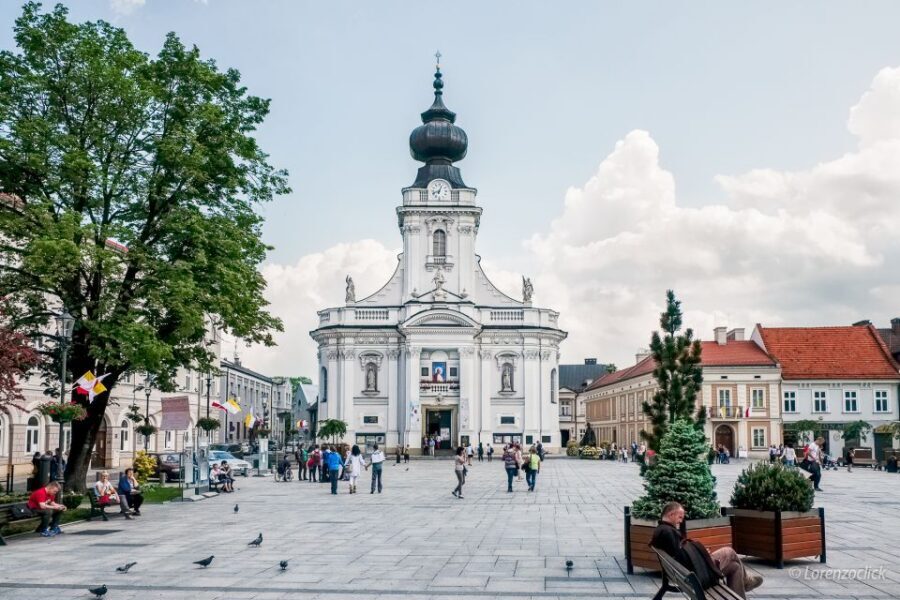
This isn’t a “drive past and move on” kind of tour. It’s organized around three main zones—Łagiewniki, Kalwaria Zebrzydowska, and Wadowice—so you get a clearer sense of the spiritual map around Pope John Paul II rather than just ticking off landmarks.
The big comfort factor is transportation. You’re picked up in Kraków, and you’re not stuck coordinating buses, transfers, and timing across the countryside. For a day like this, that matters more than people expect, because the visits themselves take focus and walking.
The pace is also shaped for small groups (up to 15). That size helps the guide keep track of questions and timing, and it usually means you’re not constantly shoulder-to-shoulder.
You can also read our reviews of more tours and experiences in Krakow.
How the day starts: pickup, timing, and getting your bearings fast
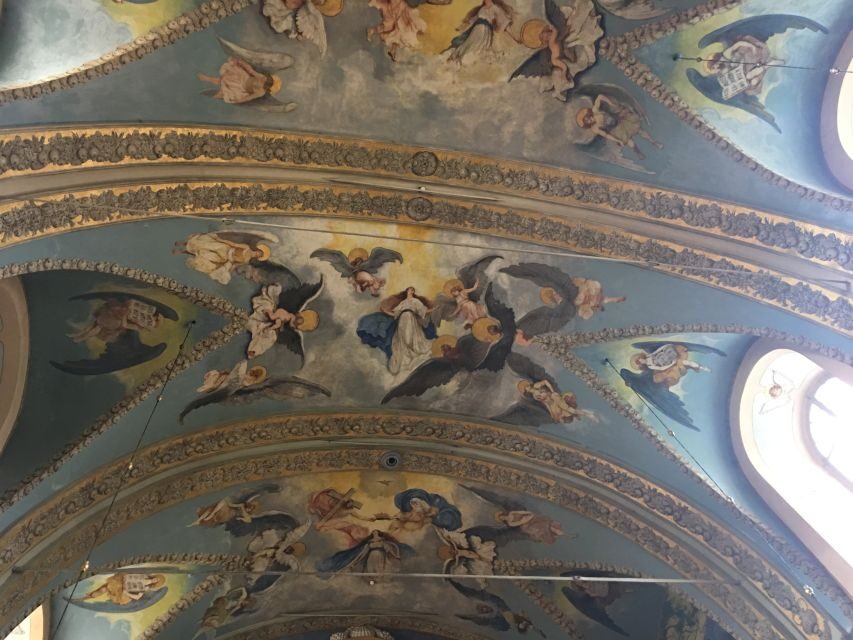
Your tour begins with pickup from Kraków, then a drive out toward the first major stop. The meeting point and exact starting time can depend on the day’s schedule, and one thing I’d keep in mind is that past bookings reported a change in departure timing without clear notice. So if you’re the type who hates surprises, double-check your confirmation details and keep an eye on messages the day before.
Once you’re en route, the driver role becomes your “travel buffer.” You sit back while the route connects the religious sites in a logical sequence, which is especially helpful on a packed day.
For language expectations, the tour is listed as English with a live guide. Still, one review mentioned language not matching what was expected during purchase, switching from Spanish offer to English the next day. If language is important for you, I’d verify close to departure what language your guide will use.
Łagiewniki’s Sanctuary of Divine Mercy: where Saint Faustina connects to Pope John Paul II
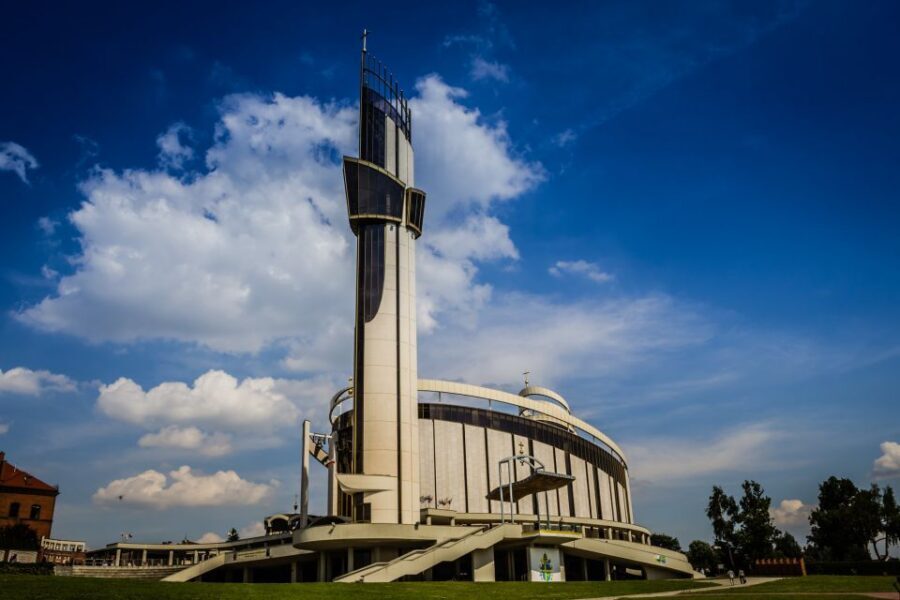
The first major spiritual stop is the Sanctuary of Divine Mercy in Łagiewniki. This is where the resting place of Saint Faustina Kowalska is located, and the site is central to pilgrimage tourism in the area.
What makes this stop worth your attention is that it’s not just another church visit. The connection between Pope John Paul II and this sanctuary is direct: in 1997, he visited the church to pray at Saint Faustina’s tomb. Even if you don’t know a lot about the story beforehand, the guide’s context here typically helps you understand why this location became so meaningful for later devotion.
Expect walking and time inside areas where people are praying or moving through the sanctuary spaces. Wear comfortable shoes—this is the kind of day where one too-tight pair of shoes turns spiritual focus into foot focus.
Practical tip: if the sanctuary has quiet-flow rules, go with it. These are places that run on visitor movement and reverence, so don’t assume you can linger anywhere you want for long.
Kalwaria Zebrzydowska UNESCO Sanctuary: Pope pilgrimage in a pilgrimage landscape
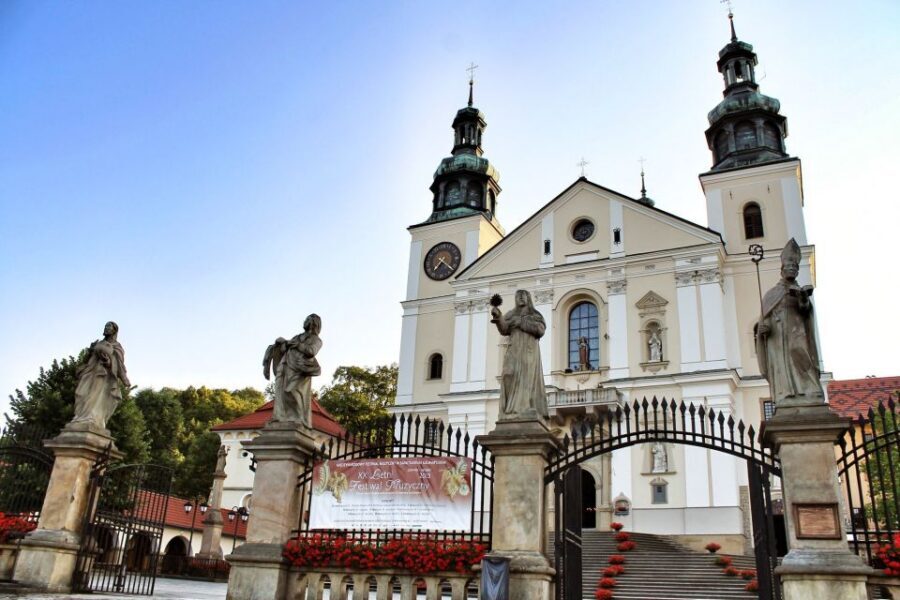
After Łagiewniki, the route continues toward Kalwaria Zebrzydowska, a town known for its UNESCO-listed sanctuary complex. Here, the tour shifts from one specific resting-place story to a broader “pilgrimage tradition” story.
This is the stop tied to Pope John Paul II’s repeated pilgrimages to the sanctuary. That detail matters because it changes how you look at the place. You’re not simply seeing religious architecture—you’re stepping into a space that was part of his pattern of visits.
What to expect on-site: you’ll have a guided experience with walking involved, and the sanctuary layouts can be spread out depending on where you enter and how the group flows. Keep an eye on your guide for pacing so you don’t end up at the back trying to catch up later.
One of the advantages of doing Kalwaria Zebrzydowska on a structured tour is that the guide can point out what you’re seeing and why it connects to the Pope’s story. Without that, it’s easy to leave impressed by buildings but unclear about the meaning behind them.
Wadowice and John Paul II’s childhood home: the personal side of the story
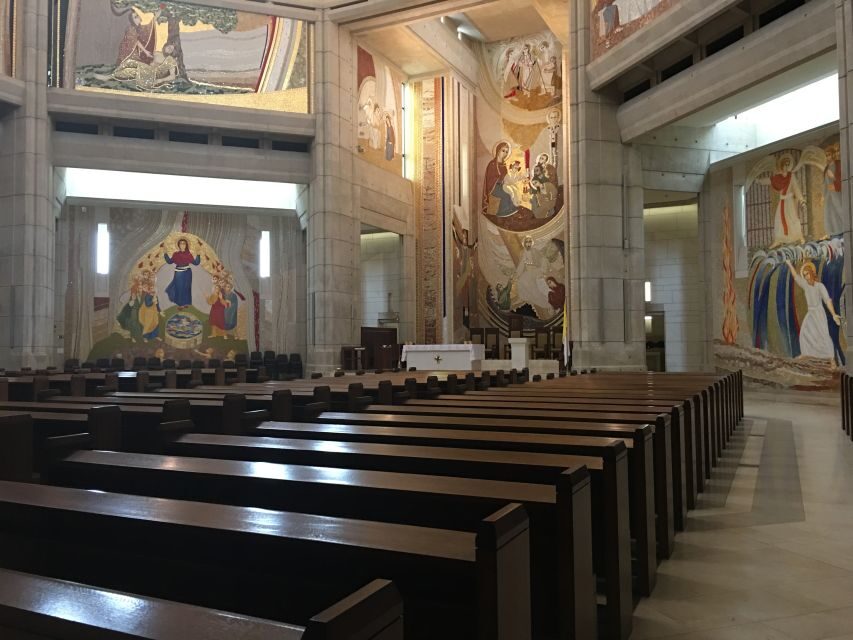
Next comes Wadowice, where the tour focuses on Pope John Paul II’s early life. You’ll visit the home where he was born and raised, and you’ll learn about his childhood and path through a guided visit.
This is where the day tour tends to feel most grounded. The sanctuaries can be awe-inspiring, but the childhood home angle pulls you back to everyday life: a person grows up in a real place, with real routines, before faith and public life ever take over.
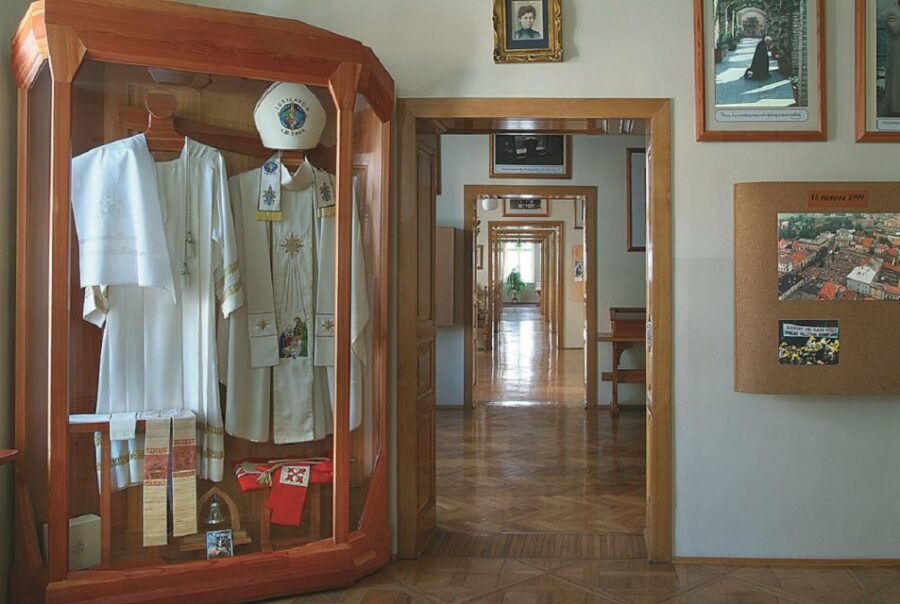
The tour includes a visit to the Museum of John Paul II, which adds context beyond what you can infer from the house alone. A museum stop can feel “too much” on some trips, but here it works as a bridge between the spiritual sites and the biography side of the story.
After the museum and guided time, you’ll have a chance to explore the area on your own. This is one of those built-in pieces of freedom that makes a tour feel less like a factory line.
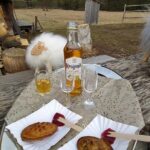
And yes, there’s also a food moment: you can stop at a local café for papal cream cakes and coffee. It’s not lunch included, but it’s a nice practical break that fits the day’s theme without turning the meal into a time trap.
What’s included (and what you’re on your own for)
This experience includes several value pieces that matter when you’re traveling for one day:
- Professional guide (live, English)
- Transport between Wadowice, Kalwaria Zebrzydowska, and Łagiewniki
- Walking tour components
- Museum of John Paul II visit
- Walking time during site visits
- Skip the ticket line
What’s not included is lunch/food. That means you’ll need to plan for your own meal timing, or you’ll likely treat the café stop as your main break. With a day this full, I’d avoid assuming you’ll easily find quick food at every stop—build in some flexibility.
Also, the tour notes it’s not meant for pets and you shouldn’t bring oversize luggage, alcohol, or drugs. Standard stuff, but worth knowing so you don’t get stuck at the wrong moment.
Small group logistics: the value of a max-15 day
The tour runs about 390 minutes (around 6.5 hours). That’s long enough to make multiple stops feel meaningful, but short enough that you should still feel fresh afterward—especially since transportation is handled for you.
A max group size of 15 participants is a real advantage on spiritual sites. It usually keeps movement smoother, helps the guide pace the group, and reduces the chance you’re just standing around waiting. I also noticed in reviews that organization and driver quality were singled out in the best experiences.
For example, one review praised a driver named Michael W and described the tour as excellent and well organized. Another strongly recommended the tour and specifically mentioned a driver named Peter as experienced and well educated. When that driver-and-guide coordination works, the day flows.
But there are also caution signs from the less satisfying bookings. One review said the schedule changed and the group didn’t get proper notice, requiring them to call for updates. Another complained about getting little explanation and not getting what they expected in terms of guidance. Those are rare, but they point to something you can control: confirm your guide expectations early and be ready for communication hiccups.
Price and value: is $122 fair for this kind of day?
At $122 per person, you’re paying for more than entry tickets. You’re buying a stitched-together route: guided context, transportation between sites, a museum component, and “skip the ticket line” help.
Is it cheap? No. But for a one-day program that includes transport and guided visits across three distinct locations, it’s closer to “reasonable” than “overpriced,” especially if you’d otherwise spend energy piecing together your own itinerary and timing.
Here’s the value equation I’d use:
- If you like having someone else handle routing and timing, the price starts to make sense.
- If you mostly want to wander independently and don’t care about the guided biography context, you might feel the cost more strongly because lunch isn’t included and much of the day is organized around guided stops.
Given the mixed feedback around guidance clarity in a couple of cases, I’d treat this as a tour where the guide quality is part of the product. The best versions of the day sound excellent. The weaker versions can feel confusing.
Who this tour is best for (and who should rethink it)
This day tour is a good match if you:
- want a guided, coherent route through major Pope John Paul II-related sites
- prefer pickup and transport over self-planning
- enjoy religious travel with clear storytelling rather than just architecture
It’s less ideal if you:
- have mobility limitations, since the tour isn’t recommended for limited mobility
- need a slow, low-walking pace
- expect specific language beyond what’s confirmed for your departure day
If you’re traveling with grandparents or anyone who moves slowly, this is the part I’d take seriously. The itinerary includes multiple stops and walking.
Should you book Traces of Pope John Paul II near Krakow?
I’d book it if you want a structured, guided day that connects Pope John Paul II’s story from sacred devotion (Łagiewniki and Divine Mercy) to pilgrimage tradition (Kalwaria Zebrzydowska) to biography (Wadowice and the childhood home plus the museum). When the guide role and timing line up, it sounds like the kind of day you remember for both meaning and logistics.
I’d pause before booking if you’re highly sensitive to language mismatch or if you strongly dislike itinerary changes. The tour is generally organized, but the negative experiences you have on the record are about communication and explanation quality.
My practical advice: before you go, confirm your departure time details and double-check what language your guide will speak. Then pack comfy shoes, bring your ID, and plan to treat the café stop as your food break rather than assuming a full lunch is included.
FAQ
How long is the tour?
The tour duration is 390 minutes, about 6.5 hours.
Where does the tour start?
You’re picked up from Kraków.
What major places are included in the visit?
You visit the Sanctuary of Divine Mercy in Łagiewniki, the sanctuary in Kalwaria Zebrzydowska, and John Paul II’s childhood home area in Wadowice, plus a John Paul II museum stop.
Is a live guide included?
Yes. The tour includes a live tour guide in English.
How big is the group?
It’s a small group limited to 15 participants.
Is lunch included?
No. Lunch/food is not included.
Do I need to skip ticket lines?
The tour includes skip-the-ticket-line access.
What should I bring?
Bring a passport or ID card and wear comfortable shoes.
Is the tour suitable for people with limited mobility?
No. It is not recommended for people with limited mobility and is not suitable for people with mobility impairments.
Are pets allowed?
No, pets are not allowed.