REVIEW · KRAKOW
From Krakow: Auschwitz-Birkenau Memorial Private Tour
Book on GetYourGuide →Operated by ExploreCracow.com · Bookable on GetYourGuide
One road. One heavy destination. I like this Auschwitz-Birkenau plan because it starts with hotel pickup in Krakow and gets you there without the hassle of arranging transport, and it also skips the ticket line. The rest of the day follows the museum’s rhythm, not a clock-chasing scramble.
I also appreciate how the visit is structured across Auschwitz I and Auschwitz II-Birkenau. You’ll have a live museum guide during the visits, and you’ll be shown the key preserved areas, from barracks and personal belongings to Birkenau’s crematoria remnants and the railway tracks that brought people to their deaths.
Your main consideration is physical and emotional. You’ll do lots of walking, and the visit isn’t recommended for children under 12 or for wheelchair users. Add the rules—no flash inside buildings, and large bags are not allowed—and you’ll want to pack light and dress for comfort.
In This Review
- Key points before you go
- Door-to-door Krakow pickup and the ride to Auschwitz-Birkenau
- Auschwitz I: what the main camp grounds help you understand
- Auschwitz II-Birkenau: the scale hits when you see the extermination site
- Oswiecim lunch: a break you’ll actually need
- The private vehicle setup: what you get and what you don’t
- Timing that works: why the 390 minutes feels realistic
- What to wear, bring, and avoid at the memorial
- Languages and group experience: staying respectful while still learning
- Price and value: is $295 per person worth it?
- Who this tour fits best (and who should skip it)
- FAQ
- What does the tour include?
- How long is the tour?
- Are meals included?
- What language is the tour available in?
- Do I need to bring identification?
- Are there dress or photography rules?
- Is this suitable for children or wheelchair users?
- Should you book this Krakow-to-Auschwitz-Birkenau private tour?
Key points before you go
- Door-to-door convenience: pickup and drop-off from your Krakow hotel (or specified pickup spot).
- Skip-the-line entry: you spend less time waiting and more time listening and looking.
- Two sites, two messages: Auschwitz I focuses on the camp system; Birkenau shows the scale of extermination.
- Live guided visits inside the memorial: you get expert context during both main stops.
- Driver help that reduces stress: drivers like Patrick or Adam have been noted for smooth, punctual handoffs and timing support.
- A private vehicle, not a private museum guide: the memorial tour runs in museum group sizes (5 to 20).
Door-to-door Krakow pickup and the ride to Auschwitz-Birkenau
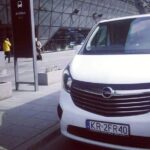
This tour’s biggest practical win is the way it protects your morning from logistics. You start with hotel pickup and travel by private vehicle to the memorial, which means you’re not figuring out buses, schedules, or where to stand when you arrive.
Expect a drive of about 80 minutes, then a guided start right away. If you’re traveling solo or as a small group, this part alone can feel like paying for your sanity, especially on a day where you’ll be taking in something extremely serious.
The mood matters, too. The tour sets expectations early: this is a solemn visit with museum rules, not a casual sightseeing circuit. I’d treat the travel time as the quiet “get ready” window—use it to breathe, review what you’ll see, and mentally switch gears.
You can also read our reviews of more private tours in Krakow


Auschwitz I: what the main camp grounds help you understand
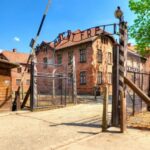
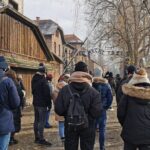
Auschwitz I is where the story often becomes hardest to ignore, because it’s the camp site that’s preserved in a way you can move through and absorb. You get about 2 hours here with a guided route, and the focus is on the camp’s preserved buildings and grounds.
You’ll see barracks and the areas that display prisoners’ personal belongings, along with exhibits that explain the brutal conditions and suffering. The guide’s job here is to connect what you’re looking at to the policies of the Nazi regime and the overall structure of the camp system.
This is the stop where I’d slow myself down most. The sheer amount of visual detail can rush your brain, so letting the guide’s explanations land before you move on helps a lot. If you tend to read everything fast, you’ll probably do better by splitting your attention: listen for the meaning, then pause for a few seconds to take in what’s physically in front of you.
A small heads-up: because museum rules control how you move, the experience will feel structured. That’s a good thing here. It keeps the visit respectful and prevents the day from turning into a messy self-tour.
Auschwitz II-Birkenau: the scale hits when you see the extermination site
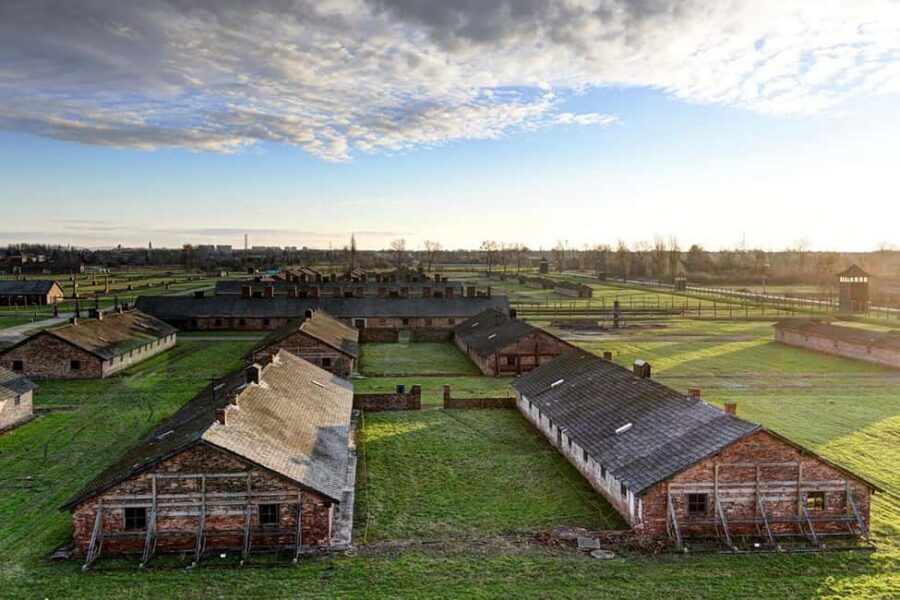
Then you shift to Auschwitz II-Birkenau, the primary extermination site. This part runs about 75 minutes, and it’s where the landscape and layout start telling a bigger story than any single exhibit.
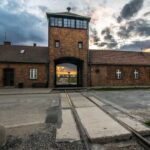
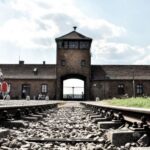
In Birkenau, you’ll see the remnants connected to the extermination process, including structures associated with gas chambers and crematoria, plus the large campgrounds that held thousands of prisoners. You’ll also be shown the iconic railway tracks that brought countless victims here—those rails are one of the most difficult visual reminders of how systematic the genocide was.
This is the stop where the guide’s voice matters, because the site can feel vast and confusing if you’re trying to figure it out alone. A live guide gives you a map in your head: what you’re standing near, why it matters, and how it fits into the broader timeline of World War II.
Also, pace yourself. You might want to keep walking quickly to get it over with, but you’ll likely remember more if you allow small pauses. Birkenau is the kind of place where your first few steps are almost automatically slow, and that’s normal.
Oswiecim lunch: a break you’ll actually need
After the main memorial stops, you head to Oswiecim for about 1 hour for lunch. This break is included, but food isn’t. So think of it as time to reset your body, not a full meal promise from the tour.
A day like this can be mentally draining in a way you don’t predict until you’re there. I’d use lunch to stand up, hydrate, and take care of basics like bathroom breaks and quiet breathing time. If you can, choose something simple and not too heavy; you’ll probably be thinking more than eating.
It’s also a good moment to check your personal stuff: what you carried, what you left behind, and if you’re ready for the ride back. Keeping your hands free and your mind calm helps you get through the drive home.
The private vehicle setup: what you get and what you don’t
This is a private-transport experience, but the memorial portion isn’t a fully private guided tour. Here’s the practical breakdown: you get private transportation and an English-speaking driver, but the museum visit happens according to the memorial’s rules in groups of 5 to 20 people.
That matters because it affects what you can expect from the guide. The guide at the memorial will be doing the structured job for the group size, not a one-on-one customization. Still, the group is small enough that you should be able to hear and follow along without feeling like you’re being herded.
The driver role is valuable for the day’s flow. In examples that have been shared, drivers like Patrick have been praised for arranging ahead so you could get in quickly, and for managing smooth handoffs like saving you from an extra bus hop. Other drivers, like Adam, have been noted for clear communication and extra help with what to do next in Krakow.
Even if you don’t get the exact same driver, the pattern is helpful: you’re not walking out at the end and guessing how to get back. You’re met, you move, and you’re dropped where you need to be in Krakow.
Timing that works: why the 390 minutes feels realistic
The total time is listed at 390 minutes (about 6.5 hours). That includes pickup, driving, both main memorial visits, lunch, and the return ride to Krakow.
This matters because Auschwitz-Birkenau is not a place you can rush without feeling it. Two hours at Auschwitz I plus 75 minutes at Birkenau gives you enough structure to understand the differences between the two sites. Adding lunch and the return drive makes the day feel complete rather than interrupted.
If you’re planning another activity later that night, I’d still build in buffer time. You may be fine physically, but your head might not feel ready for loud distractions right after.
What to wear, bring, and avoid at the memorial
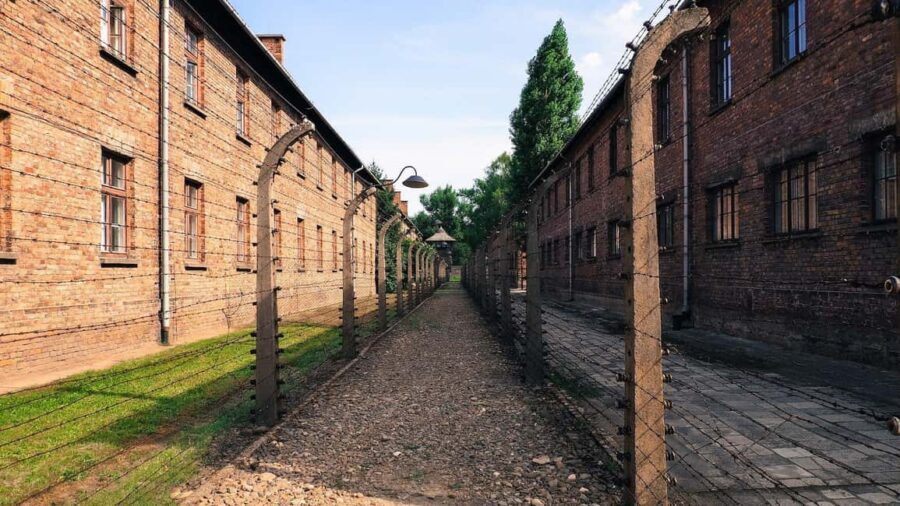
You’ll be walking a lot, and the ground won’t be forgiving in the way a museum floor can be. Wear comfortable shoes and plan for a lot of standing and slow walking.
Bring an ID or passport, because it’s required for entry. Also, pack with the memorial rules in mind: large bags and backpacks aren’t allowed inside the memorial.
Clothing restrictions matter, too. Short skirts and sleeveless shirts aren’t allowed, so choose something practical and modest. If you’re unsure, think conservative comfort over fashion.
Photography is allowed, but flash isn’t permitted inside buildings. That rule is worth respecting, because it affects how you take photos and what angles you try to get. If you want photos, plan on using natural light and focusing outside the buildings when possible.
Languages and group experience: staying respectful while still learning
The memorial tour is offered in multiple languages, including English (as well as French, Russian, German, and Polish). That’s important because the meaning of what you’re seeing depends on clear explanation, not just walking around.
You’ll be in a small group inside the memorial (5 to 20). A group size like that tends to strike a balance: you get structure and guidance, while not feeling like you’re in a mass crowd.
Also, because the day is emotionally heavy, the “private group” part of the tour mostly applies to your transport and coordination. Once you enter the memorial, you follow the museum’s handling of the site. In practice, that helps keep the visit orderly and respectful.
One more detail that’s easy to forget: the memorial requires the full names of all participants to be included in the reservation. Get that right before you go, so you don’t face delays on a day that’s already scheduled tight.
Price and value: is $295 per person worth it?
At $295 per person, this tour isn’t the cheapest way to visit Auschwitz-Birkenau from Krakow. If all you wanted was entry and basic transport, you could likely build a cheaper DIY route.
But the value here is about how the day runs. You’re paying for:
- hotel pickup and drop-off, so you start door-to-door
- private transportation, which cuts down the stress and time friction
- skip-the-line entry
- a live guide inside the memorial during the visits
On a day when you’ll be focused on history and not logistics, those added services can feel like the difference between a smooth, respectful visit and a frustrating one. I also like that the plan handles time buffers for the trip and the return ride, which matters if you have dinner plans or an early flight.
If you’re traveling as a couple or small group, private transport often becomes a better deal than it sounds, because the cost spreads while the convenience stays constant.
Who this tour fits best (and who should skip it)
This experience fits best if you want a serious educational visit without transportation planning. It’s also a strong choice if you prefer door-to-door pickup and a driver who manages the day’s movement.
It’s not recommended for children under 12, and it isn’t suitable for wheelchair users. People with heart problems should also avoid it, likely because the visit involves a lot of walking and steady standing.
If you’re sensitive to heavy topics, you should still be aware: this is designed to confront the Holocaust and World War II atrocities. The guide’s explanations are part of how the site is meant to be understood.
FAQ
What does the tour include?
It includes hotel pickup and drop-off in Krakow, private transportation, an English-speaking driver, and entry to Auschwitz-Birkenau Memorial for a visit with a live tour guide.
How long is the tour?
The total duration is listed at 390 minutes.
Are meals included?
Lunch in Oswiecim is included as time in the schedule, but food and drinks are not included.
What language is the tour available in?
The live guide is available in English, French, Russian, German, and Polish.
Do I need to bring identification?
Yes. You should bring a passport or ID card.
Are there dress or photography rules?
Yes. Short skirts and sleeveless shirts are not allowed. Flash photography is not permitted inside buildings.
Is this suitable for children or wheelchair users?
It is not recommended for children under 12, and it is not suitable for wheelchair users.
Should you book this Krakow-to-Auschwitz-Birkenau private tour?
If you want the memorial day to be organized, respectful, and low-stress on the logistics side, I’d seriously consider booking. Skip-the-line entry and the door-to-door transport are exactly what you want on a day that’s already emotionally intense.
If you’re traveling with mobility limits, young kids, or you know walking for a long stretch won’t work for you, this probably isn’t the right match. Also, if you’re the type who prefers total control and a fully private museum guide, remember that the memorial visit is run in museum group sizes.
For most people, the best reason to book is simple: you trade planning headaches for time with a guided visit to two crucial sites—Auschwitz I and Auschwitz II-Birkenau—so you can focus on understanding what you’re seeing.