REVIEW · KRAKOW
From Krakow: Auschwitz-Birkenau Tour
Book on GetYourGuide →Operated by excursions.city · Bookable on GetYourGuide
Auschwitz-Birkenau is a hard trip, in a good way. This 7-hour tour from Krakow takes you to Auschwitz I and Auschwitz II-Birkenau, places preserved for memory and education, so you understand what happened and why it matters. I like that it’s guided with live interpretation (not just a pass that leaves you guessing), and I also like the practical setup: transport, tickets, and a skip-the-ticket-line benefit that helps keep you moving. The main drawback to plan around is that breaks can feel short, especially if lines at the site are long.
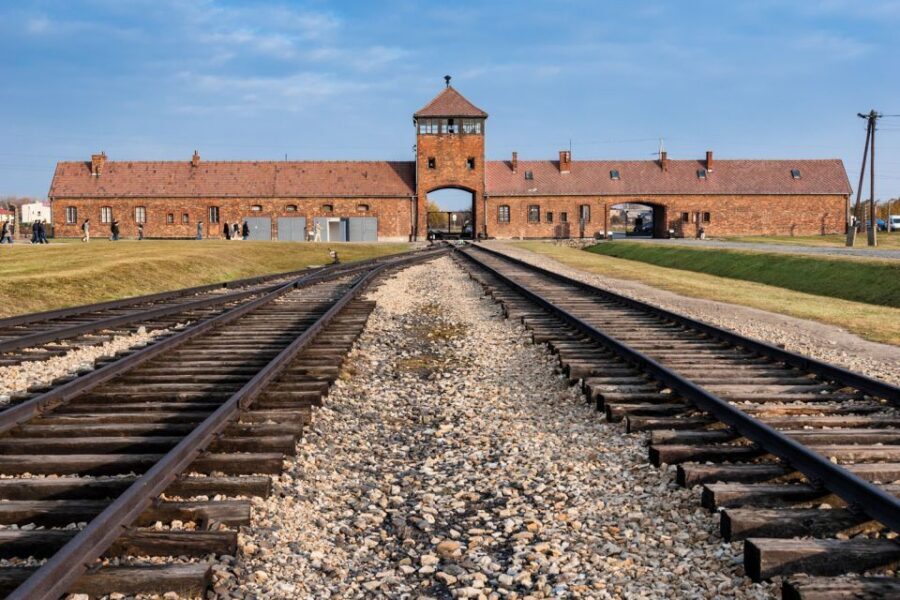
Auschwitz is about history you don’t forget. You’ll see the preserved ruins and key site features, including crematoria ruins and the gas-chamber area, plus the railway platform and other original objects. Just be aware this is heavy, and it’s not suitable for everyone—pregnant women are specifically noted as not suitable, and you’ll need to handle ID checks and strict bag limits calmly.
In This Review
- Key points to know before you go
- Auschwitz-Birkenau from Krakow: a long day with real purpose
- Getting to Oswiecim and making it inside on time
- Auschwitz I: the museum that starts the story
- Auschwitz II-Birkenau: the scale you feel in your legs
- The guided tour style: what you gain from a live guide
- What to know before you go: IDs, strict names, and bag limits
- Price and value: is $81 worth it for Auschwitz from Krakow?
- Who this tour suits best (and who should skip it)
- Should you book this Auschwitz-Birkenau tour from Krakow?
- FAQ
- How long is the Auschwitz-Birkenau tour from Krakow?
- What’s included in the tour price?
- Do I skip the ticket line?
- Which languages are available for the live guide?
- What documents do I need to bring?
- Are there limits on bags and backpacks?
- Is this tour refundable?
- Is the tour suitable for pregnant women?
Key points to know before you go
- Two memorial areas, one guided story: You’ll cover Auschwitz I and Auschwitz II-Birkenau with a live guide.
- Skip-the-line helps you start faster: Less waiting time means more time with the guide’s context.
- Preserved site features: You’ll encounter crematoria ruins, gas-chamber areas, and the railway platform.
- Bring the right ID: Your full name must match the name on your booking and ID at entry.
- Bag limits are real: Handbags/backpacks must fit 30x20x10 cm, or you’ll need lockers.
- No meals included: You’ll want to plan ahead for food timing before and after.
Auschwitz-Birkenau from Krakow: a long day with real purpose
This is one of those tours that feels less like sightseeing and more like a guided act of remembrance. You’ll travel about 60 km from Krakow to Oswiecim (the town where the camp complex was established), and the day is structured around two core areas: Auschwitz I and Auschwitz II-Birkenau.
What makes this tour especially meaningful is that it’s not trying to sanitize the experience. The site is preserved intact as a reminder of crimes committed against humanity, and you’ll walk through places tied to that history. That context helps you make sense of what you’re seeing: not only what the buildings and layouts are, but also what they were used for.
The tour length is 7 hours. That’s enough time to get to both areas and hear a guided explanation, but it also means you’ll likely move through the grounds at a steady pace. If you’re the type who likes long stops for photos and wandering, you may feel time pressure. If you want guidance to keep the story straight, this format works well.
You can also read our reviews of more tours and experiences in Krakow.
Getting to Oswiecim and making it inside on time
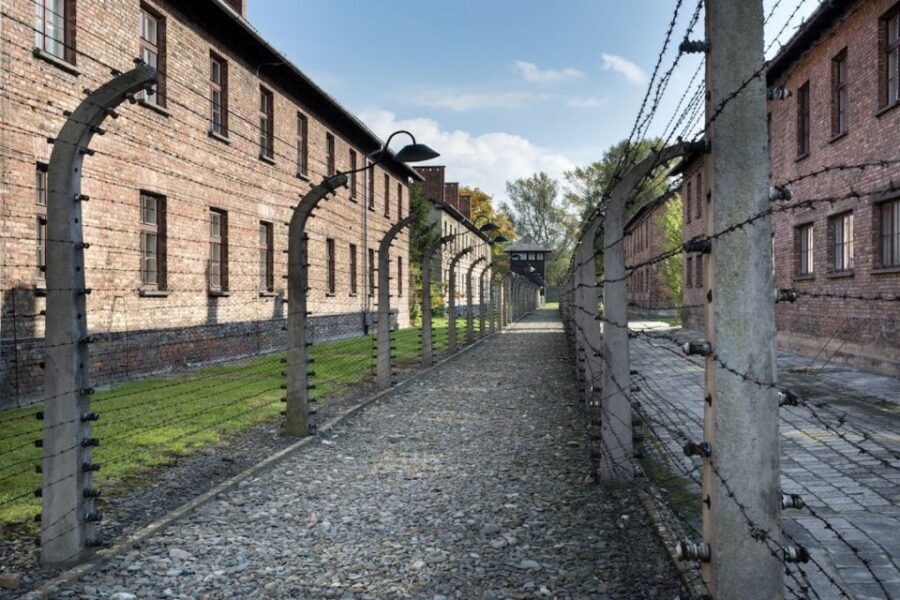
The logistics are simple: transport to and from Krakow is included, and you also get entrance tickets. You’ll join a guided group for the museum visits, and the tour includes a skip the ticket line feature, which matters on days when lines can eat up your schedule.
Meeting points can vary depending on the option you book. If you’re using pickup, you’ll wait in your hotel lobby by the reception desk or in front of the main entrance. The driver waits no more than 15 minutes after the scheduled departure, so set a timer and don’t treat this like a casual morning.
One practical thing to plan for is that day-of queues happen, even with skip-the-line benefits. In one account of the experience, a visitor noted that toilet time ended up very short due to long lines. You can’t control that, but you can reduce stress by going early when you get the chance and keeping a calm expectation: this day is managed tightly.
You’ll want to arrive prepared and avoid last-minute changes. The faster you start, the more of your time you’ll spend with your guide’s explanations instead of waiting around.
Auschwitz I: the museum that starts the story
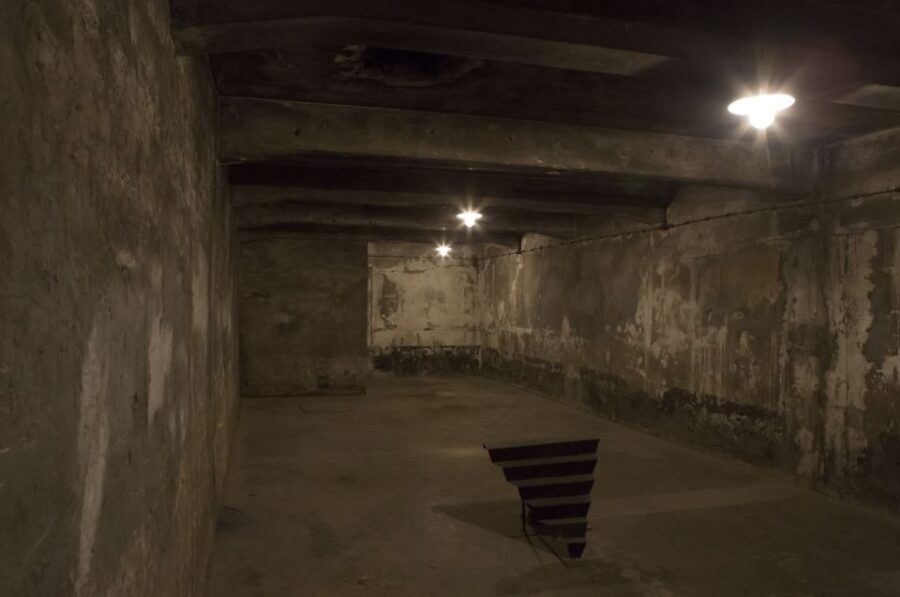
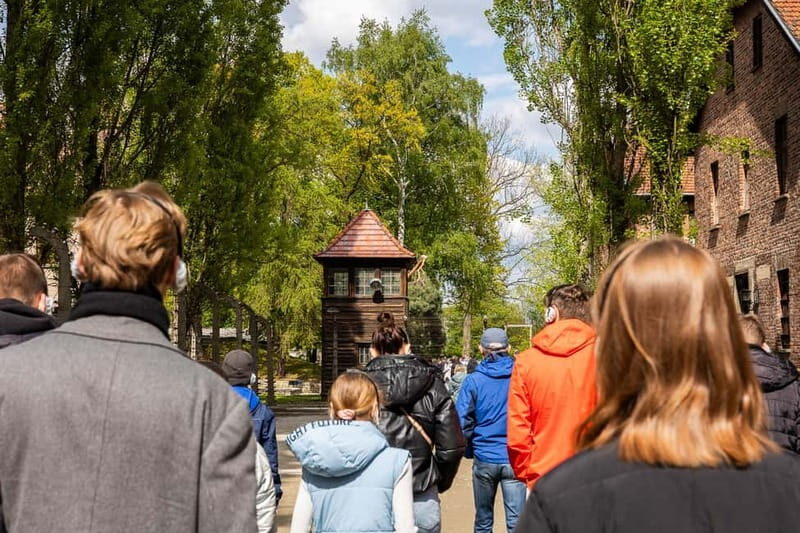
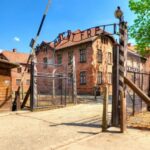
Auschwitz I is where the narrative often becomes real fast. This is the part of the complex that museum visitors use to understand the system and the early structure of the camp. On this tour, you’ll get a guided visit here, so you’re not left trying to piece together what you’re looking at.
The museum is preserved with key historical remnants. You’ll see ruins and objects linked to the camp’s function, and the guide’s job is to connect those physical details to what happened there during the Second World War.
One of the strongest values of a guided Auschwitz I stop is pacing and explanation. Without that, it’s easy to get stuck at the wrong spot or miss how one detail fits into a larger picture. With a live guide, you can follow the logic of the story and understand why certain structures matter.
You should also be mentally ready for concentration moments. It’s not a place for joking around or treating it like a typical museum. Even when the guide’s voice is calm, you’ll still feel the weight of what’s being explained. That’s normal. Focus on listening, and let the site do the talking.
Auschwitz II-Birkenau: the scale you feel in your legs
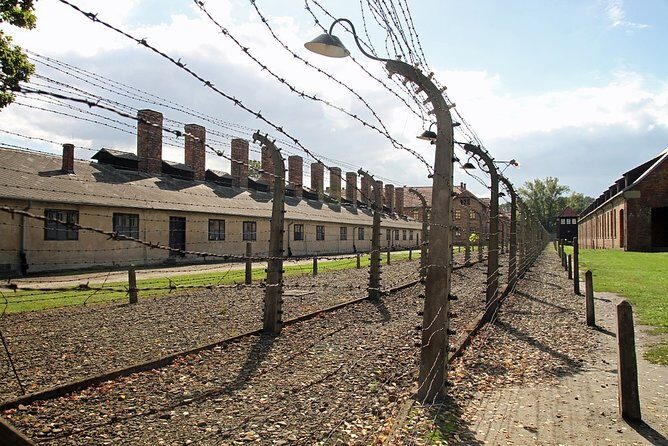
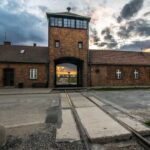
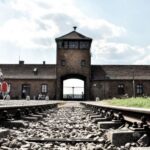
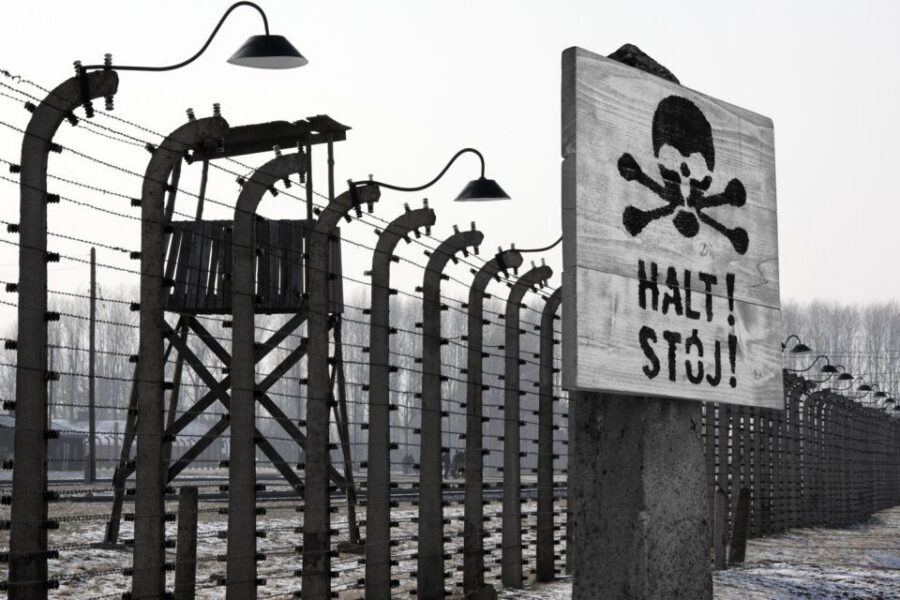
Auschwitz II-Birkenau is the sprawling part of the complex. This is the area where the scale becomes impossible to ignore, and it’s also where you see more of the site elements that explain how the machinery of terror worked.
On your guided tour here, you’ll cover major preserved features, including:
- Railway platform (the point tied to arrivals)
- Ruins of crematoria
- Gas-chamber areas
- Other preserved objects from the former camp
The guided format is especially important at Birkenau. The site is large and spread out, and the historical meaning can get lost if you’re simply walking without context. A good guide ties the layout to the facts you need to understand. That’s where the live interpretation helps you connect distance, organization, and the planned cruelty of the system.
You should expect some walking. Even if the pace feels manageable, Birkenau’s grounds mean you’ll cover real distance and stand in open areas. Wear shoes that handle uneven surfaces and plan for changing weather. Bring layers if Krakow is cool or windy that day.
Also, keep your mind steady. Birkenau isn’t designed for casual touring. It’s preserved so the memory stays specific. Let yourself slow down enough to take in the meaning, but don’t get stuck scanning everything for long stretches. Your guide is there to keep the story coherent.
The guided tour style: what you gain from a live guide
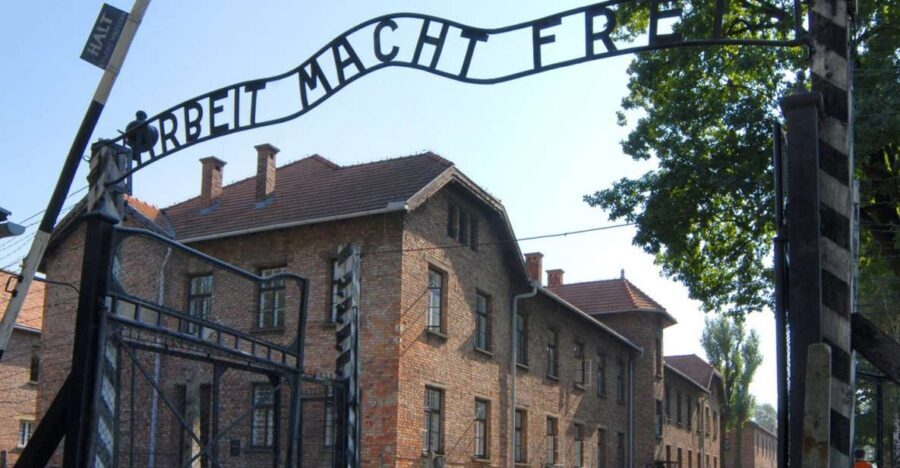
This tour includes a live tour guide, with languages including Dutch, English, French, and Italian. That’s useful for two reasons. First, you won’t have to rely on a translation app with spotty audio in museum spaces. Second, you’ll get an explanation delivered in full sentences, with the guide choosing what to emphasize.
From the experiences shared by previous visitors, one standout theme is how calmly and clearly some guides communicate. In at least one case, the guide name Beata was credited with a steady, understandable pace. That kind of guidance matters in Auschwitz, because you want facts delivered in a way you can actually absorb.
I also like when guides explain not just what you’re seeing, but what to notice. For example: why a structure’s remains are preserved, what a particular area is associated with, and how the different zones fit together.
If you’re choosing this type of tour because you want to learn history, the guide is the core value. The transport and tickets are important, but they’re the wrapper. The guide is what turns the site into understanding.
What to know before you go: IDs, strict names, and bag limits
Auschwitz has rules that aren’t optional, and you’ll want to treat them seriously. For entry, you must bring passport or ID card. More importantly, Auschwitz-Birkenau Memorial and Museum requires that every participant provides their full name and contact details as part of booking.
Here’s the key practical warning: entrance may be refused if the name on your booking doesn’t match the name on your ID exactly. So don’t assume a typo won’t matter. Double-check the spelling and order of names.
Bags are another big constraint. The maximum size of backpacks or handbags brought into the museum cannot exceed 30x20x10 cm. If your bag is larger, plan to leave it in your car or bus (if that’s an option) or use the lockers available. The point is to keep the site moving and safe, but it also means you may need to pack lightly.
Pets aren’t allowed. And pregnant women are listed as not suitable for this experience. If any of these apply to you, it’s better to look for another format that fits your needs.
Finally, remember this is a non-refundable ticket situation. Auschwitz tickets are non-refundable due to museum requirements, so only book when you’re confident you’ll go.
Price and value: is $81 worth it for Auschwitz from Krakow?
At $81 per person for a 7-hour trip, this doesn’t feel like a bargain, but it often feels fair for what you get. You’re paying for three big costs:
- Transport to and from Krakow
- Entrance tickets
- A guided visit covering Auschwitz I and Auschwitz II-Birkenau
The value is strongest if you want a guided explanation and don’t want to piece together public transit, timed entry, and two separate sites by yourself. The included skip-the-ticket-line benefit also has value on a day when delays can shrink your time quickly.
The biggest thing not included is meals. That can affect total day cost and comfort. You’ll likely want to eat before you leave Krakow and plan something after you return, so you’re not hungry while walking in a setting where long meal stops won’t happen.
If you’re budgeting, think in terms of “hours of guided time.” This tour gives you structured time for two major memorial areas. For many people, that’s worth more than saving a few dollars and spending extra energy figuring things out.
Who this tour suits best (and who should skip it)
This tour is a good fit if you:
- Want a guided, two-site Auschwitz experience rather than self-guided wandering
- Prefer your history explained in a language like English, French, Dutch, or Italian
- Appreciate practical help like transport, tickets, and skip-the-line entry
It’s also a good fit if you’re staying in Krakow and don’t want the stress of coordinating logistics for Oswiecim and both Auschwitz sites.
It’s less suitable if you:
- Need a very flexible schedule for breaks or pacing
- Are pregnant (explicitly listed as not suitable)
- Are traveling with a bag larger than the allowed 30x20x10 cm and don’t want to deal with lockers
Also, be honest about emotional readiness. This isn’t a “quick stop” attraction. It’s educational and necessary, but it can be emotionally intense.
Should you book this Auschwitz-Birkenau tour from Krakow?
If you want one focused day that covers both Auschwitz I and Auschwitz II-Birkenau with a live guide, this is a solid option. The value comes from the combination of transport + tickets + guidance, plus the practical time-saver of skip-the-line entry. The language options also make it easier to get clear explanations without guessing.
Before you book, just double-check the small but crucial details: match your full name exactly to your ID, bring the right size bag (or plan for lockers), and plan for no meals. And accept that your time on site is structured, so breaks may be brief.
If that sounds like your style, book with confidence and show up prepared. This is one of those experiences that leaves you changed, but it leaves you changed with context, not confusion.
FAQ
How long is the Auschwitz-Birkenau tour from Krakow?
The duration is 7 hours. Starting times depend on availability.
What’s included in the tour price?
Transport to and from Krakow, entrance tickets, and a guided tour of Auschwitz I and Auschwitz II-Birkenau are included.
Do I skip the ticket line?
Yes. The tour includes a skip-the-ticket-line feature.
Which languages are available for the live guide?
Live tour guides are available in Dutch, English, French, and Italian.
What documents do I need to bring?
Bring your passport or ID card.
Are there limits on bags and backpacks?
Yes. Backpacks or handbags must not exceed 30x20x10 cm. Lockers are available if you need them.
Is this tour refundable?
No. The tickets for this activity are non-refundable.
Is the tour suitable for pregnant women?
No. It is listed as not suitable for pregnant women.