REVIEW · KRAKOW
Guided Group Tour to Auschwitz-Birkenau from Krakow
Book on Viator →Operated by Xtrip · Bookable on Viator
One day here changes your perspective.
This tour from Krakow is built around an English live guide and a small group, so you get clear context as you move through the site. You’ll see major locations like barracks and gas chambers, with explanations that help you make sense of what you’re looking at.
I also love how easy the logistics are. You’re picked up by a professional English-speaking driver and shuttled in an air-conditioned vehicle, then returned to the start point without hassle.
One key consideration: this is emotionally intense, and food isn’t included, so you’ll want to plan for a long, heavy day on your schedule.
In This Review
- Key highlights you’ll notice fast
- Auschwitz-Birkenau From Krakow: the “6 hours” you’ll actually experience
- Small-group comfort and smooth transport from Krakow
- The guide factor: why English live interpretation matters here
- Stop 1 in Oświęcim: the orientation you’ll be glad you got
- Stop 2 at the Memorial and Museum Auschwitz-Birkenau: where details become real
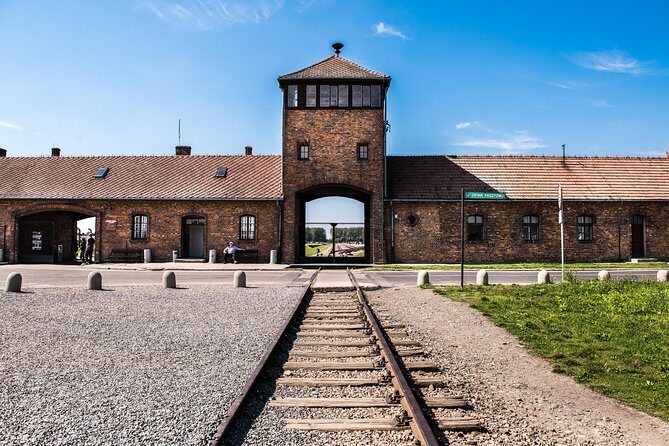
- Stop 3 at Auschwitz II Historical Gate: the final piece of the puzzle
- What your price covers (and why it feels fair)
- Timing and pacing: how to avoid feeling rushed or lost
- What to bring so the day goes easier
- Who this tour is best for
- A balanced way to judge this experience
- Should you book this Auschwitz-Birkenau tour from Krakow?
- FAQ
- How long is the Auschwitz-Birkenau guided tour from Krakow?
- Is the tour guided in English?
- What group size is this tour limited to?
- What’s included in the price?
- Is food and drinks included?
- Do I need to pay for admission separately?
- Where do I meet, and where do I end?
- What is the cancellation policy?
Key highlights you’ll notice fast
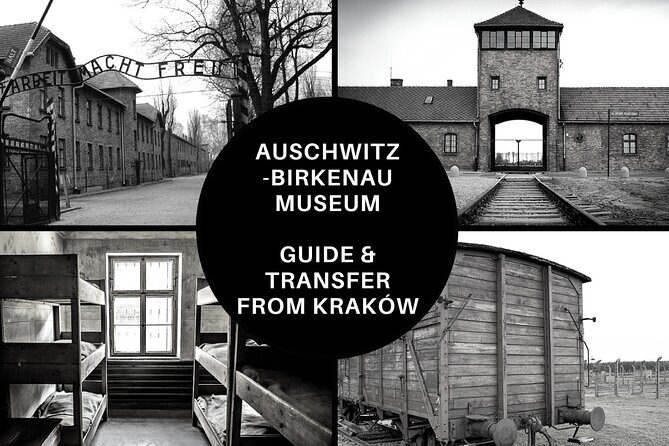
- Small group size (max 15) keeps the pace more human and the questions more manageable
- English live guiding helps you connect the details to the bigger story
- Admissions are covered for the Memorial and Museum Auschwitz-Birkenau and Auschwitz II Historical Gate
- Air-conditioned minibus/van transport makes the round trip from Krakow less tiring
- A smooth day plan with set time blocks helps you avoid feeling rushed or lost
Auschwitz-Birkenau From Krakow: the “6 hours” you’ll actually experience
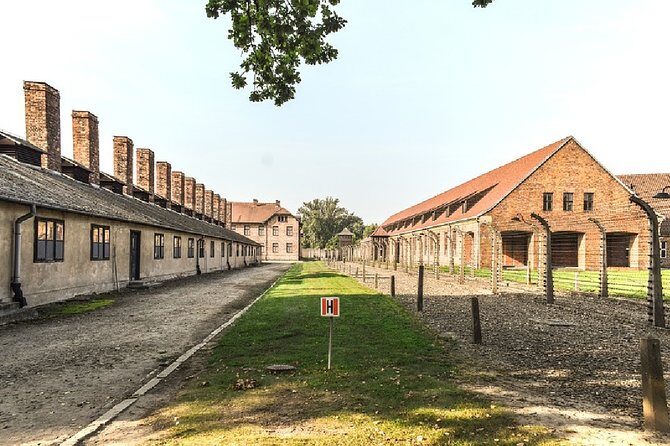
This trip is about a full half-day of focused visiting, not a casual sightseeing lap. You’ll travel from Krakow to Oświęcim (often called Auschwitz in everyday speech), then spend most of your time inside the Auschwitz-Birkenau memorial grounds with a live guide in English.
The schedule is built around three parts: a first orientation period, a longer time at the Memorial and Museum, and then a shorter but important segment at Auschwitz II Historical Gate. That structure matters. It keeps your visit from turning into a blur of buildings and names. Instead, you’re given context first, then time to process what you see, then a final look that ties together the larger reality of the site.
Even if you’ve read about Auschwitz-Birkenau before, this is the kind of place where facts land differently when you’re standing there. You don’t need extra thrills or distractions. You need clear explanations and the space to feel what the site communicates.
You can also read our reviews of more guided tours in Krakow
Small-group comfort and smooth transport from Krakow
Let’s talk practical stuff, because it affects how you experience the day. The tour runs with a max of 15 travelers, and that size is a sweet spot. You’re not stuck listening from the back while the group stretches thin. You can usually hear the guide, and the rhythm feels controlled rather than chaotic.
Transport is handled in an air-conditioned minibus or minivan, with a professional English-speaking driver. That sounds basic, but it’s huge on a long, emotional day. You get picked up in Krakow and returned back to the same meeting point, with transfer time managed so you’re not scrambling to find your way.
Also, you’ll receive a mobile ticket, which simplifies check-in. That’s not glamorous, but it reduces stress when you’re heading into a very organized facility.
The guide factor: why English live interpretation matters here
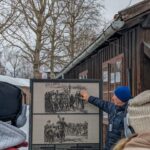
The most praised part of this tour is the human one: the guide. The day works best when the person leading you can translate what you’re seeing into something you can actually understand.
Here, you’re given an English live guide throughout the visit. That means you’re not left with a museum app and guesswork. You’re hearing explanations in real time as you move between key areas. In a place like this, that’s the difference between collecting random details and building a coherent picture.
One more thing I appreciate: the guide approach is paired with structure. You’re not wandering freely for hours. You’re guided step-by-step, which helps when the material is heavy and attention can drift.
Stop 1 in Oświęcim: the orientation you’ll be glad you got
You start with a first stop in Oświęcim, where your group meets the Auschwitz-Birkenau Museum area with your English live guide. This portion is about 2 hours, and it’s essentially your grounding moment.
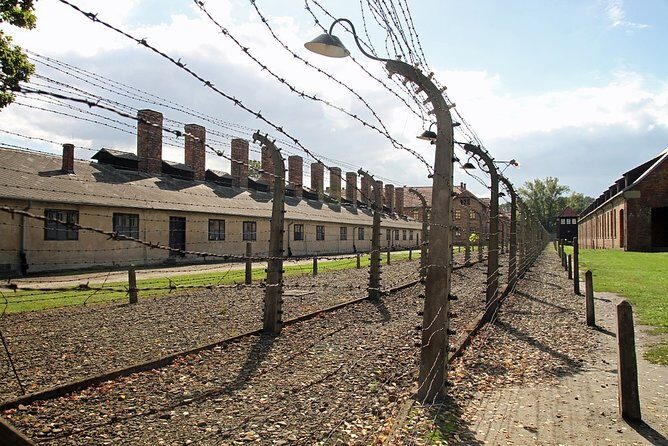
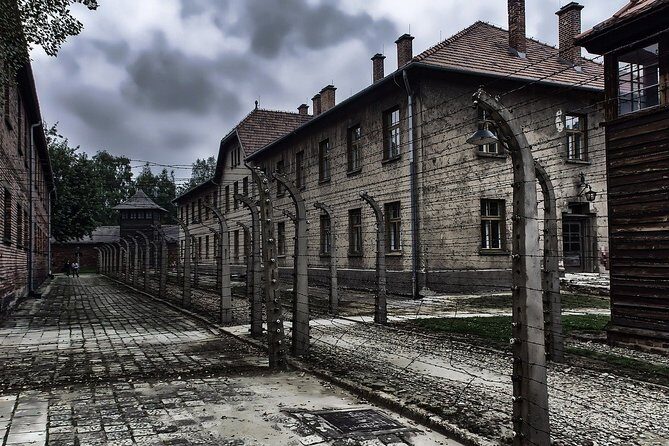
You’ll be shown key site features—think barracks and gas chambers, plus other important areas connected to the history. The value here is that the guide doesn’t just point and name. They help you understand how these buildings and spaces relate to what happened there.
A drawback to flag: even with guidance, the mental load at this stage can be high. You might feel like you need more time. That’s normal. If you’re someone who processes by slowing down, you may want to mentally remind yourself that your schedule includes additional time in the following stops. This first section is meant to get you oriented, not to finish everything.
Stop 2 at the Memorial and Museum Auschwitz-Birkenau: where details become real
This is where you’ll spend the most time: about 3 hours at the Memorial and Museum Auschwitz-Birkenau. Admission for this part is included, so your ticket is covered for the main museum experience here.
This stop tends to hit hardest because it’s the most information-dense section. You’ll see spaces tied to how the camp functioned, and you’ll hear explanations that connect structures to actions. When you visit, it helps to go in with the mindset that you’re looking for meaning, not just objects. You’re trying to understand how the system operated.
Why this stop is valuable: it’s the point where the guide’s narration helps you connect the physical layout to what happened. Without that, the site can feel like a list of locations. With it, the places start to make sense in relation to each other.
You should also expect that the information can feel overwhelming. That’s not a sign you’re doing it wrong. It’s a sign that the site is doing what it’s supposed to do: presenting history honestly and clearly. If you’re the type who gets emotionally flooded quickly, plan to take small internal breaks when you need them, even if you stay with the group.
Stop 3 at Auschwitz II Historical Gate: the final piece of the puzzle
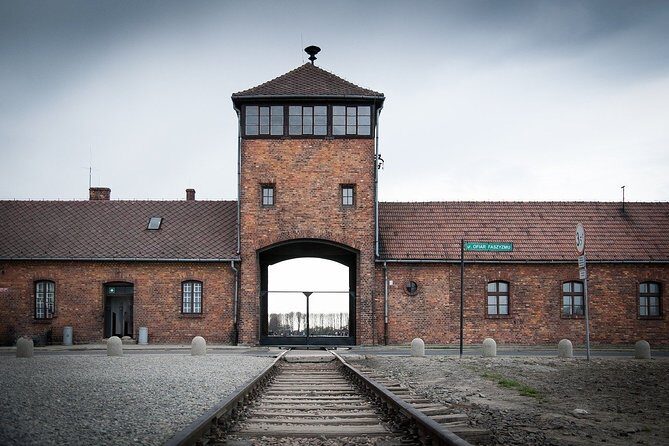
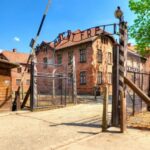
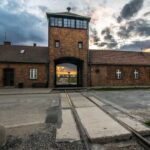
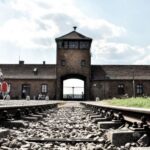
Your last major stop is the Auschwitz II Historical Gate, for about 1 hour. Admission for this is included as well, so you don’t have to manage additional entry fees or timing.
This segment is shorter by design. It’s a finish that often feels like a pivot: you return to the site with the context you’ve already gained. By the time you reach this gate, you’re more prepared to interpret what you’re seeing.
I like that the final stop doesn’t feel like an add-on. It feels like a conclusion. The emotional tone of Auschwitz-Birkenau is consistent, but the meaning can shift as you understand more. That’s why the pacing matters: 2 hours first, 3 hours second, 1 hour last.
A consideration: because the final segment is shorter, it’s not the place to hope for extended wandering. You’ll get guided time, not a long independent tour. If you need extra time at specific features, bring a respectful expectation: the guide’s job is to keep the group moving and the story coherent.
What your price covers (and why it feels fair)
The price is $58.38 per person, and the value is tied to what’s included for a day trip from Krakow.
Here’s what you can count on:
- Round-trip transport by minibus/minivan
- Air-conditioned vehicle
- Entry/admission for the Memorial and Museum Auschwitz-Birkenau
- Entry/admission for Auschwitz II Historical Gate
- Professional English-speaking driver
The big win is that you’re not paying extra to piece together your visit. When admissions and transport are bundled, you avoid the common “add-ons” that quietly inflate your total cost on days like this.
Food and drinks aren’t included, so you’ll want to budget for that separately. Also, the day is about 6 hours (approx.), which means you’re paying for a structured, time-managed experience rather than a slow travel day.
Is it the cheapest option you’ll find? Maybe, maybe not. But the combination of small group size, English live guidance, and included admissions is what makes it feel like a solid deal for most people.
Timing and pacing: how to avoid feeling rushed or lost
This tour is scheduled as a smooth flow:
- Start in Krakow
- Visit the first stop (about 2 hours)
- Move to the Memorial and Museum (about 3 hours)
- Finish at Auschwitz II Historical Gate (about 1 hour)
- Return back to the meeting point
The time blocks matter because they reduce decision fatigue. In places like Auschwitz-Birkenau, it’s easy to feel overwhelmed and start making reactive choices—too much rushing, too much skipping, or drifting off mentally. The schedule helps you focus on the guide’s narration and the main areas you need to see.
If you’re the type who wants to take photos often, you should know that a heavy site isn’t the best environment for constant snapshotting. Even when photography is allowed in some areas, the respectful pace of the memorial often calls for attention over documentation. Follow your guide’s cues and the rules posted on-site.
What to bring so the day goes easier
You can’t pack away the emotions, but you can reduce friction.
Plan for:
- Comfortable shoes (you’ll be on your feet for a multi-hour visit)
- A layer (memorial grounds aren’t always forgiving with weather)
- Water and a simple snack since food isn’t included on the tour
- Your mobile ticket so check-in is fast
Also, think about your own pace. If you tend to process best with a bit of silence, give yourself permission to pause during transitions. The group structure helps, but you still control how you take in each moment.
Who this tour is best for
This guided Auschwitz-Birkenau tour is a strong fit if:
- You want English explanations rather than relying only on self-guided reading
- You prefer small-group comfort (max 15)
- You’d rather focus on the memorial than spend energy planning transport and admissions
- You’re ready for a serious, moving day where the information can feel intense
It’s also a good choice for first-timers. The structure gives you a coherent path. For people who have been before, it can still work because the guide’s English narration may add clarity you didn’t have on an earlier visit.
If you’re hoping for a light, upbeat day out, this isn’t that. This is history with weight. You’ll get out of it what you bring in—open attention, respect, and patience.
A balanced way to judge this experience
Two things can be true at once: it can be very well organized, and it can still feel emotionally hard. This tour does a good job on the first part. The smooth pickup/drop-off, the air-conditioned ride, and the structured visit make the day manageable in practical terms.
The second part—the emotional experience—can’t be softened. This site asks you to confront what happened here. The guide helps you do that with clarity, not shock.
If you want value, this is a “buy once, don’t fuss” setup: transport + admissions + English guidance in one package. If you want spontaneity and free wandering, this format probably isn’t your best match.
Should you book this Auschwitz-Birkenau tour from Krakow?
I’d book it if you want a well-run, English-guided visit with included admissions and small-group transport. The reviews consistently point to organization and an excellent guide experience, and the structure of the day supports that. You’ll spend your energy on learning and paying attention, not on logistics.
Skip this tour (or choose a different format) if you need total freedom to roam at your own pace or you’re not prepared for the reality that this visit is emotionally heavy. Also, remember that food isn’t included, so don’t show up hungry and think it will magically get better.
If your goal is a respectful, clear, guided day at Auschwitz-Birkenau, this one is built for that.
FAQ
How long is the Auschwitz-Birkenau guided tour from Krakow?
The tour lasts about 6 hours.
Is the tour guided in English?
Yes. It includes an English live guide.
What group size is this tour limited to?
The maximum group size is 15 travelers.
What’s included in the price?
Transport by minibus/minivan, an air-conditioned vehicle, entry/admission to the Memorial and Museum Auschwitz-Birkenau, entry/admission to Auschwitz II Historical Gate, and a professional English-speaking driver.
Is food and drinks included?
No, food and drinks are not included.
Do I need to pay for admission separately?
Admission for the Memorial and Museum Auschwitz-Birkenau and Auschwitz II Historical Gate is included.
Where do I meet, and where do I end?
The tour starts in Kraków, Poland, and ends back at the meeting point.
What is the cancellation policy?
It is non-refundable and cannot be changed for any reason. If the minimum number of travelers isn’t met and the tour is canceled, you’ll be offered a different date/experience or a full refund.