REVIEW · KRAKOW
Auschwitz-Birkenau Memorial and Museum Trip from Krakow
Book on Viator →Operated by Mr.Shuttle · Bookable on Viator
There are days that change how you see the world. This Auschwitz-Birkenau Memorial and Museum trip runs from Krakow with early hotel pickup, a documentary film on the way, and guided time at Auschwitz I and Birkenau II. I love that the price bundles the hardest logistics—getting you there early and keeping the day structured—plus the group size caps at 30. One drawback to plan for: the pace can feel tight, especially at Birkenau, and the walk is long and emotionally draining.
Expect a somber, highly controlled experience—less time to linger, more time to follow the educator’s path through key areas. I also like that you’re not carrying the whole day on your own, since pickup and drop-off are included and you get a mobile ticket. If you’re car-sickness prone or need frequent restroom stops, you’ll want to prepare, because the road time can be rough and there isn’t much flexibility once the visit starts.
In This Review
- Key things I’d clock before you go
- Auschwitz-Birkenau from Krakow: a long day with a clear purpose
- Getting there: pickup, mini-bus comfort, and why timing matters
- The documentary on the way: what to expect and how to use it
- Auschwitz I: the original camp and the place of administration
- Birkenau II (Auschwitz-Birkenau): the scale hits hardest
- Hearing the guide: headsets, earphones, and why it can vary
- Pace, restrooms, and motion: what you should realistically plan
- Price and value: what $93.16 buys you (and what it doesn’t)
- Group size (30 max) and the “guided path” reality
- Who this Auschwitz-Birkenau day trip suits best
- Should you book this Auschwitz-Birkenau trip from Krakow?
- FAQ
- What time does the Auschwitz-Birkenau trip start in Krakow?
- Is admission to Auschwitz-Birkenau included?
- How long is the tour in total?
- Does the tour include food?
- Is hotel pickup and drop-off included?
- Can I cancel for free?
Key things I’d clock before you go
- Hotel pickup and drop-off in Krakow helps you avoid the early-morning scramble
- Documentary film en route gives you the baseline before you walk into the camps
- Guided Auschwitz I (about 3 hours total museum time) keeps the visit organized and understandable
- Birkenau II is where the scale hits hardest, and it’s also where the schedule can feel rushed
- Small bag rules (30 x 20 x 10 cm) mean you’ll likely pack light or leave items on the bus
- Headsets can matter for hearing, and occasionally availability can be inconsistent depending on the day
Auschwitz-Birkenau from Krakow: a long day with a clear purpose
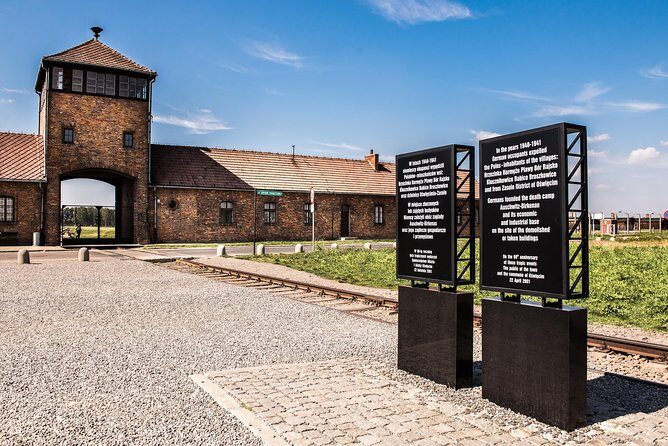
This is an early departure tour that’s designed to get you to the memorial while things are still moving smoothly. Start time is 7:00 am, and the museum visit portion is set up as a standard group tour of about 3.5 hours. The full day typically stretches into 7 to 8 hours, mostly because of travel time and because the site itself runs on strict pacing.
What makes this setup worth considering is that you don’t spend the day guessing. You get a plan: a film before the camps, a guided path through Auschwitz I, then on to Auschwitz II-Birkenau. The goal isn’t comfort—it’s understanding, order, and getting you into the memorial experience at a pace the site can support.
You can also read our reviews of more museum experiences in Krakow

Getting there: pickup, mini-bus comfort, and why timing matters
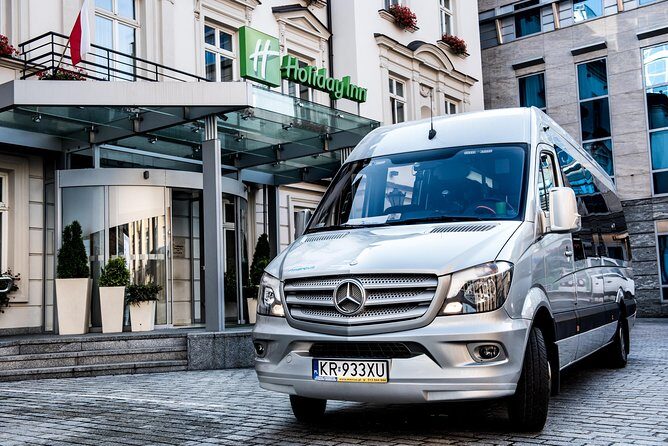
The big win here is hotel pickup and drop-off within Krakow city limits. If your place isn’t listed, you add a remark and the pickup can be arranged from other accommodation inside the city. That matters on this particular day because the first challenge isn’t distance—it’s the early start and the need to arrive ready.
On transport days, I’d treat your phone like it’s part of your itinerary. Pickup times can shift in real life, and at least one person reported a last-minute change from an earlier morning window. The practical takeaway: keep an eye on the confirmation and messages right up until departure.
Inside the mini-bus, some people liked the comfort and even mentioned chargers. That’s helpful because you may take a lot of photos, and you’ll want your battery for navigation back in Krakow. Still, there were also complaints about a rough drive and trouble hearing the video if you weren’t seated closer to the front—so if you’re motion-sick prone, plan accordingly (sit closer to the front and bring your usual remedy).
The documentary on the way: what to expect and how to use it
Before you reach the memorial grounds, you’ll watch a documentary film during the ride. For me, this is one of those “quiet but useful” parts of the experience. The camps won’t make full emotional sense without context, and this film is meant to set that baseline so the guided educator can build on it.
Use the film actively. Don’t just watch it like background noise. Jot mental notes about the basic structure: Auschwitz I as the original core and administration area, and Birkenau as the later camp expanded into the main site of mass murder.
Also, sound varies. A few people reported that hearing it was difficult from the back of the bus. If you want the cleanest audio, choose a seat where the screen and sound are easiest to reach, and keep your expectations realistic if you end up farther away.
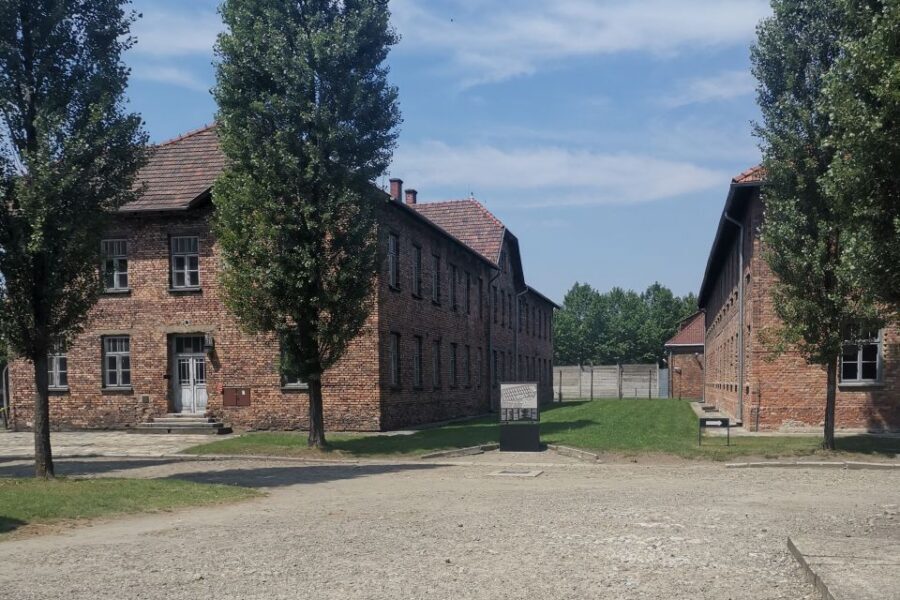
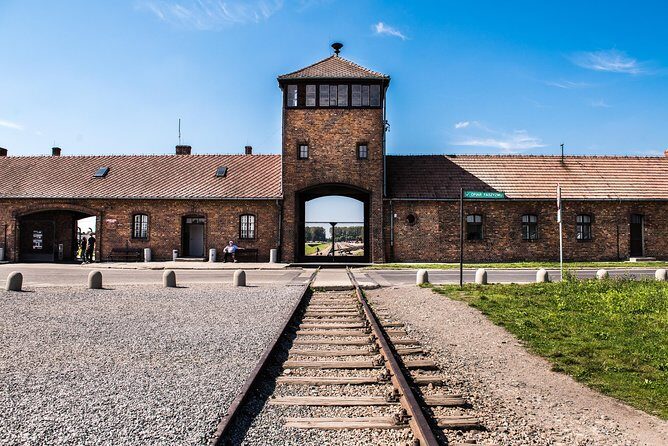
Auschwitz I: the original camp and the place of administration
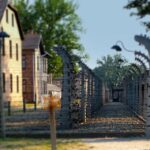
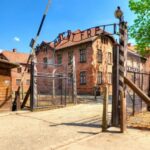
Auschwitz I is often where your bearings start to form. This part of the complex was the first and main area of the camp, and it also served as the administrative headquarters for the larger system. When you’re listening to an educator guide you through buildings and exhibits, that administrative angle helps explain how the camp operated day to day.
You’ll get guided time here as part of the overall group tour, and the admission ticket is included. Expect to move through key points where the story is told through preserved structures, exhibits, and carefully controlled interpretation. This isn’t a “see and forget” stop. It’s the part that tends to sharpen the difference between the machinery of detention and the broader genocide that unfolded.
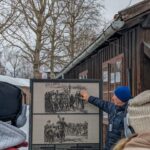
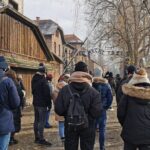
One practical note: the pace is built for groups up to 30 people. Some people felt they couldn’t linger enough to process what they were seeing. That doesn’t mean you get less information—it means you may need to do your own “pause work” in short bursts. When the guide moves on, take a breath, look around, and let one or two details land before you follow.
Birkenau II (Auschwitz-Birkenau): the scale hits hardest
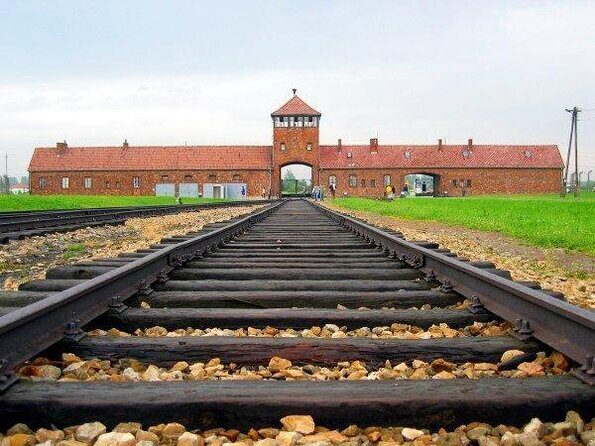
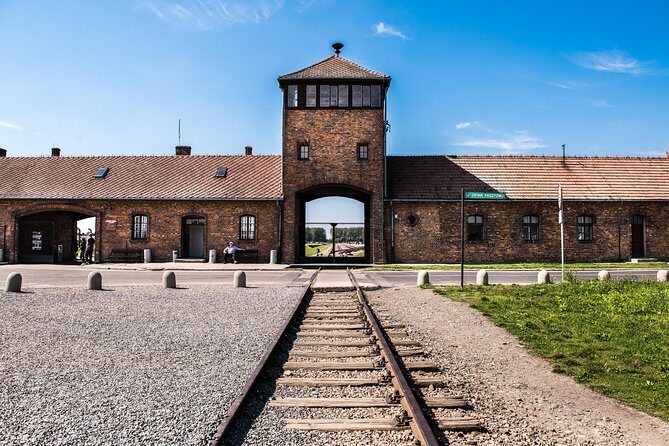
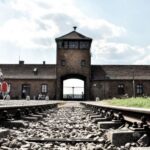
If Auschwitz I helps you understand the system, Birkenau II can hit you with scale. Birkenau was initially designed as a concentration camp, then quickly became the main site of the genocide, including the presence of gas chambers and crematoria. The women’s camp area is also part of what the guide covers.
This is where the walking can feel longest and where you’ll likely feel the day most emotionally. Even if you came prepared, the open spaces and vast layouts make it harder to hold onto a sense of “this is one place.” Many people describe it as draining, and the combination of long distances and group pacing is real.
Now for the balancing act: some people loved the educational value but felt the second half was too rushed and didn’t allow enough time to reflect or read everything. If you’re someone who needs space to absorb exhibits slowly, you may want to go in with a strategy: focus on the main areas your guide points out, then use brief moments for your own quiet viewing between segments.
Hearing the guide: headsets, earphones, and why it can vary
On guided memorial tours, clear audio is not a “nice to have.” One person reported difficulty understanding the guide due to sound conditions on site. Another described that their group had better clarity with headphones and that it made a difference.
Here’s the practical truth you should plan for: headsets/earphones are generally part of how these tours are handled at the entrance, but the site can change procedures. I’d assume you might receive them, but don’t bet your whole experience on perfect audio. If you’re sensitive to missed details, arrive ready to request what’s available at entry and stay close enough to hear clearly even if you get a headset.
Pace, restrooms, and motion: what you should realistically plan
This tour can be hard on the body and the mind. The site involves a lot of walking, and the tour notes a moderate physical fitness level. Flat shoes help. People also often come out emotionally shaken, even when the guide is excellent.
The biggest scheduling friction is time. The museum experience is structured and time-bound, so you’re not going to get a slow, solitary pace. Several people described the experience as rushed, with limited room for lingering or questions. One person even reported issues during restroom time—so here’s my advice: go early, go often, and don’t assume you’ll find flexibility while the bus plan is in motion.
If you’re prone to motion sickness, factor in the road time. There were reports of a rough drive and braking on the van. Your best defense is seat choice and prevention (bring your usual medication and avoid heavy meals before pickup).
Price and value: what $93.16 buys you (and what it doesn’t)
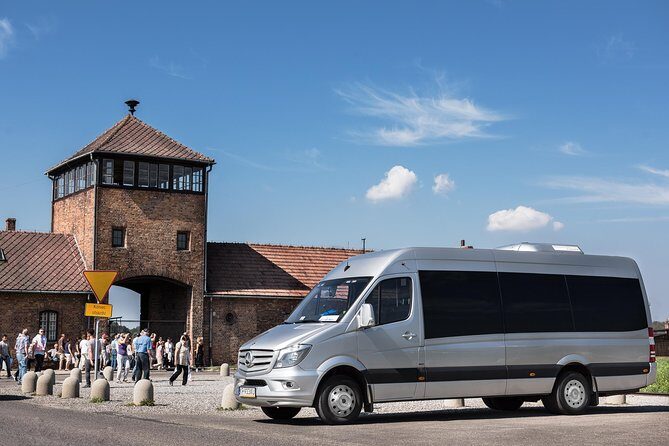
At $93.16 per person, this isn’t a premium private guide day, but it’s also not trying to be. What you’re paying for is the combination of early timing plus the guided museum structure plus logistics help:
Included:
- Hotel pickup and drop-off
- Documentary movie on the way
- Standard 3.5-hour group tour at the memorial
- Insurance
- Mobile ticket
Not included:
- Food and drinks
So the value question is really: do you want to handle early transport and entry coordination yourself? If you’re staying in Krakow and you don’t want to build your own morning plan, the bundled pickup is a genuine convenience. You’re also getting an educational guided format rather than trying to interpret everything on your own.
What I’d watch: the emotionally heavy nature of the day. If the schedule feels rushed to you, you might wish you had more time elsewhere. But if you’re prioritizing a smooth, organized way to see the core sites—Auschwitz I and Birkenau II—this package is built for that goal.
Group size (30 max) and the “guided path” reality
A group of up to 30 travelers is the ceiling. That number matters because it directly shapes how long you stand still versus how quickly you move. When multiple groups are moving through tight spaces, the guide can’t pause for everyone to linger.
I also think it explains why hearing and viewing can be uneven. Even when the educator speaks well, you might be a few steps back, or the floor noise on site might interfere. Your best bet is to treat this as a guided overview with key stops, not a full self-paced museum visit.
Some people praised their educators and the respectful way the information was delivered. Names mentioned in feedback include Joanne and Margaret, and there were strong notes about driver professionalism and clear communication. That’s the upside: when the group structure works, it feels orderly and respectful.
Who this Auschwitz-Birkenau day trip suits best
This trip is best for you if:
- You want pickup from Krakow and don’t want to wrestle with early logistics
- You’re okay with a group pace and following a guided route
- You’re prepared for an emotionally intense day and a lot of walking
- You like getting context first, then seeing the sites with an educator guiding what you’re looking at
It may not be your best fit if:
- You strongly need time to pause, read slowly, and ask lots of questions
- You’re very sensitive to motion on the ride (some people reported discomfort with driving style)
- You need perfect audio no matter what (headsets can be inconsistent depending on the day’s procedures)
Should you book this Auschwitz-Birkenau trip from Krakow?
My take: if you want an organized day that covers the two most essential parts—Auschwitz I and Birkenau II—this is a solid choice. The early pickup, guided structure, and film context do real work for you. And the price-to-included-items balance is hard to beat when you’d otherwise be arranging transport and coordinating entry on your own.
Book it if you’re mentally ready for “controlled but not slow.” Pack comfortable shoes, keep your phone charged, and plan to take in what you can between the guided stops. If you know you’ll struggle with a tight schedule or need lots of personal reflection time, you may want to consider an option built for longer on-site time.
FAQ
What time does the Auschwitz-Birkenau trip start in Krakow?
The start time is 7:00 am. Pickup details are arranged based on your accommodation, and you’ll receive confirmation around booking with the specific pickup time.
Is admission to Auschwitz-Birkenau included?
Yes. The museum admission ticket is included as part of the tour (noted with Auschwitz I time as part of the standard tour package).
How long is the tour in total?
Expect about 7 to 8 hours overall, with approximately 3.5 hours of guided group time inside the Auschwitz-Birkenau Memorial and Museum.
Does the tour include food?
No. Food and drinks are not included, so you’ll want to plan accordingly before or after the tour.
Is hotel pickup and drop-off included?
Yes, hotel pickup and drop-off are included for accommodations within Krakow city limits. If your hotel is not listed, you add a remark for pickup from another Krakow accommodation (including Airbnb).
Can I cancel for free?
Yes. Free cancellation is available up to 24 hours before the experience start time for a full refund.