REVIEW · KRAKOW
Krakow: Schindler’s Factory Guided Tour with Ticket
Book on GetYourGuide →Operated by Walkative Tours · Bookable on GetYourGuide
History can feel close here. Schindler’s Factory in Kraków isn’t a casual museum stop—it’s built to help you connect faces, places, and choices in Nazi-occupied Poland. I love that this tour gives you clear historical context as you walk room to room, and I also like that you get the human side of Oskar Schindler through the museum’s story structure, including his original office and survivor accounts.
The best part is the guide’s role in turning static exhibits into a timeline you can actually follow. You’ll also be able to skip the ticket line, which matters in a museum that can get busy. One consideration: the museum covers a lot more than Schindler the man, so if your goal is only a biography, you’ll want patience for the wider story first.
This is a guided experience with real gravity, and the subject matter is emotionally heavy. If that kind of material drains you, plan how you’ll handle the rest of your day in Kraków afterward—quiet time helps.
In This Review
- Key things that make this tour worth your time
- Why Schindler’s Factory lands in Kraków
- Getting in smoothly: meeting point and museum timing
- The museum tour flow: from Schindler’s office to occupied Kraków
- Schindler’s story, not as a trivia stop
- Enamelware factory spaces: everyday life under occupation
- The guide’s job: turning displays into meaning
- The people and institutions featured in the exhibits
- What makes a guided tour worth $46
- Pace and emotions: how to plan your day in Kraków
- Logistics you’ll want to know before you go
- Where this fits if you’re doing more WWII stops
- Should you book Schindler’s Factory with a guided ticket?
- FAQ
- Where do I meet the guide for Schindler’s Factory?
- How long is the tour?
- Is the museum ticket included?
- Can I skip the ticket line?
- What languages are available?
- Is hotel pickup included?
- Is the tour wheelchair accessible?
- Do I need to pay the full price when booking?
- What is the cancellation policy?
- Are pre-booked tickets handled by the tour company or the museum?
- Is this tour only about Oskar Schindler?
Key things that make this tour worth your time
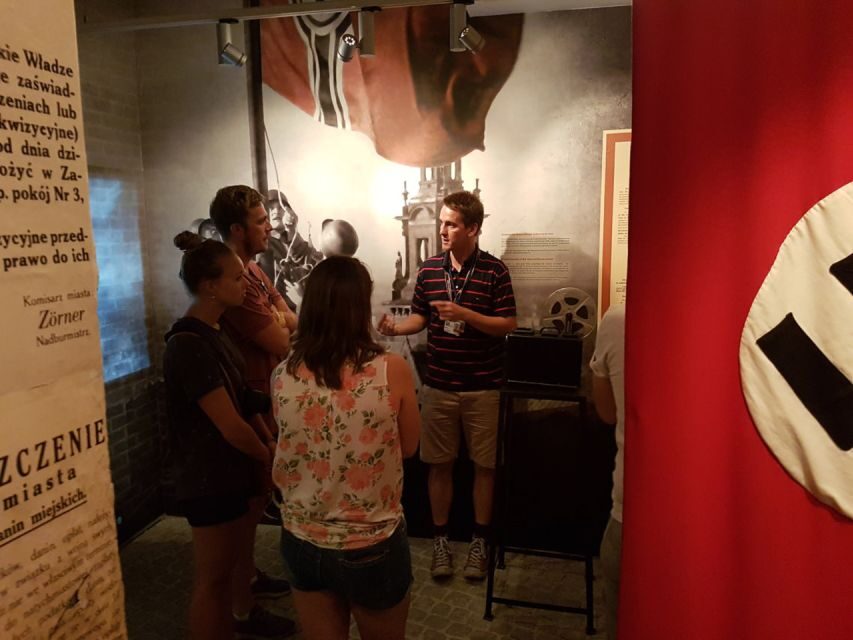
- A guide-led storyline that helps you connect what you see to what it meant during occupation
- Oskar Schindler’s portrait from pre-war life through what happened after, not just a quick mention
- Recreations of key WWII settings such as the battlefield area, streets, railway station, and ghetto wall
- Attention to propaganda and messaging, including what posters and “official” claims were trying to do
- Skip-the-line museum entry so you can start faster
Why Schindler’s Factory lands in Kraków
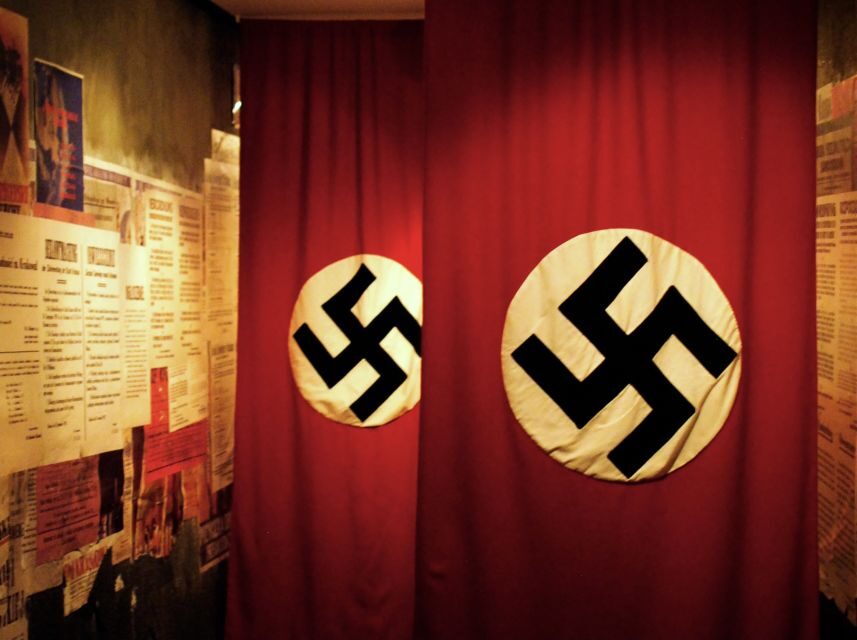
Schindler’s Factory sits in the real geography of Kraków, and that alone makes it harder to distance yourself from the past. This museum doesn’t just show artifacts—it guides you through how persecution unfolded in everyday life, step by step, and how ordinary spaces turned into controlled, monitored, and violent ones.
What I like about doing it with a guide is how the tour keeps you from getting lost in the wall of text. The setting is intense, and the historical context can be just as important as the most famous name in the story. With a live guide, the museum becomes a route through cause and effect—what changed, where it changed, and how people survived or didn’t.
You can also read our reviews of more tours and experiences in Krakow

Getting in smoothly: meeting point and museum timing
The meeting point is easy to spot once you know the trick: your guide is holding a yellow umbrella or a Walkative! sign. That’s a practical detail, but it matters on museum days when you’re juggling arrival time, weather, and crowds.
The tour runs 90 minutes, and it’s designed to move at a pace that works inside a museum with a lot of material. You’re not getting a long lesson plus a long coffee break—you’re getting a focused guided route through the key themes and spaces.
Hotel pickup and drop-off aren’t included, so you’ll want to plan your transit to the museum area on your own. For timing, the tour notes also say that schedules depend on availability for starting times, so it helps to pick a slot that doesn’t collide with your other big Kraków plans.
The museum tour flow: from Schindler’s office to occupied Kraków
This visit is structured like a guided walk through layers of the same story. You start with historical context, then you move into Schindler’s specific connection to events, and you finish by grounding everything back in the physical reality of occupied Kraków.
Schindler’s story, not as a trivia stop
You’ll learn the historical context first, so Oskar Schindler’s actions don’t feel random. The tour description emphasizes a “full story” approach—his pre-war endeavors, the way the war period reshaped what was possible, and his post-war fate. That arc helps you understand why the same man can look different in different stages of history.
Then you’ll visit Schindler’s original office, one of the most striking parts of the museum. This isn’t presented like a sealed-off relic. The tour includes survivor accounts of the people he saved, which is where the story shifts from chronology to consequence.
A practical tip: Schindler’s section can read as shorter than the occupation material. If you’re only expecting a Schindler-heavy experience, go in prepared for a wider WWII narrative that builds up to his role.
Enamelware factory spaces: everyday life under occupation
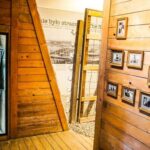
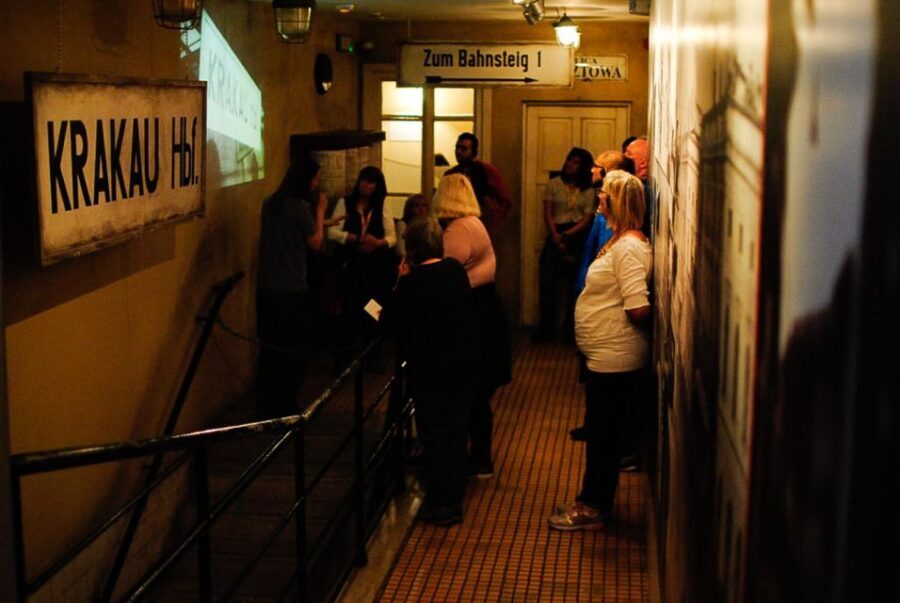
After the Schindler-focused parts, the museum shifts into a lived-in wartime reality by using reconstructions of what Kraków looked like and what people faced. You’ll step into the old enamelware factory spaces and see recreations tied to specific moments and locations.
Expect to see reconstructions such as:
- the 1939 battlefield context
- busy streets of Kraków under Nazi occupation
- public execution sites
- the railway station setting where deportation pathways show up in the story
- the Jewish ghetto wall
These stops matter because they connect policy to place. The museum’s design helps you understand that this was not only ideology—it was also systems, routes, and control points.
You can also read our reviews of more guided tours in Krakow
The guide’s job: turning displays into meaning
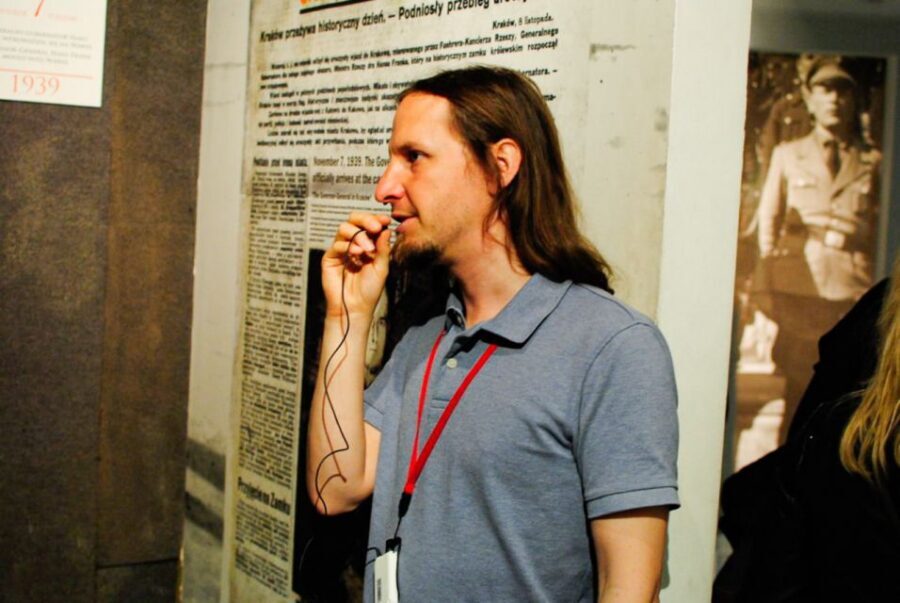
A lot of visitors can walk through a museum and still miss the thread. A guide helps you track what the museum wants you to notice: changes in language, the way people were categorized, and how public spaces became instruments of harm.
The tour is explicitly described as having an expert guide to put historical context in place. In plain terms, you’ll get help reading the museum like a story, not like a catalog.
The people and institutions featured in the exhibits
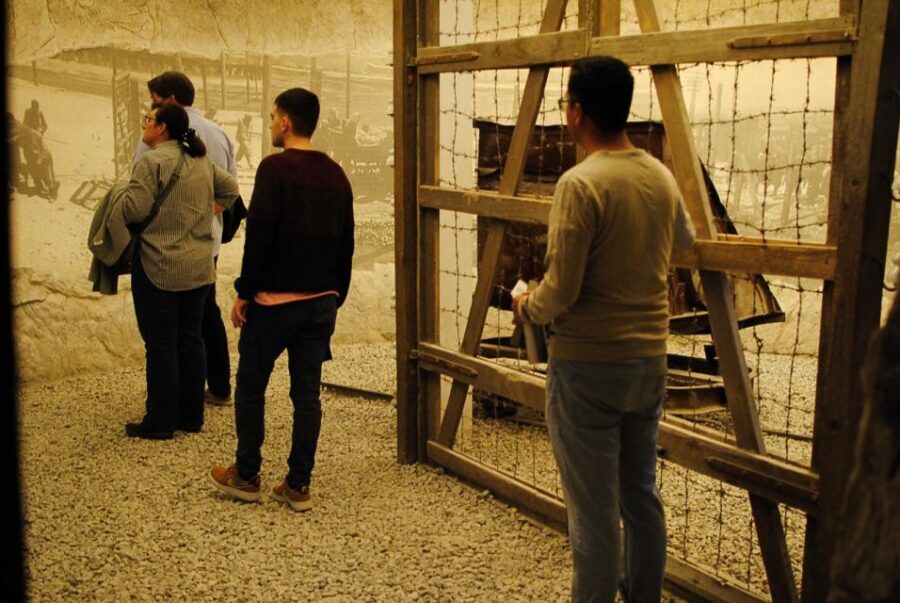
One reason this tour feels more than just personal testimony is the way it names major figures connected to Kraków during the Nazi period (not only Schindler). The museum’s narrative includes important names and roles so you can place events in a larger network of decision-makers, enforcers, victims, and bystanders.
Your guided route includes references to figures active in Kraków, such as:
- Hans Frank
- Pope John Paul II
- Amon Goeth
- Righteous Among the Nations (honored individuals connected to rescue)
- underground fighters and collaborators
This part can be emotionally difficult, but it’s also useful. When you understand who did what—and the difference between forced participation, collaboration, resistance, and rescue—you stop treating the Holocaust as a single villain-and-victim snapshot and start seeing the real machinery around it.
What makes a guided tour worth $46
At $46 per person for a 90-minute guided visit, the value depends on how you prefer to learn. You could probably read the museum text on your own. But this particular museum works best when someone helps you build a timeline and highlight what matters in each room.
Here’s where the money tends to pay off:
- You skip the ticket line, saving time and stress.
- The live guide keeps the story coherent across many exhibit types—Schindler’s arc, occupied Kraków daily life, and the larger political context.
- The museum has a lot of text, and a guide can point out what you’re likely to miss—especially when propaganda posters and official claims are part of the display.
I also think there’s value in how guides help you keep moving without rushing through the important parts. In a museum like this, the trick is finding a pace that lets you absorb without drifting into numbness.
Pace and emotions: how to plan your day in Kraków
This is not a light museum. Expect heavy topics, including executions and the ghetto setting. The tour is designed for 90 minutes, but your emotional processing may take longer. If you’re the type who likes to “digest” history slowly, give yourself a buffer afterward.
A good strategy is to pair this with calmer Kraków time rather than stacking it right before something intense. For example, leave room for a long walk, a sit-down meal, or an easy stop somewhere nearby so the museum doesn’t hijack your whole afternoon.
Also, if you’re traveling with friends or family, consider agreeing on a simple signal for when someone wants a slower moment or needs a pause.
Logistics you’ll want to know before you go
A few practical notes make the day smoother:
- The tour includes a professional guide and a ticket to the Schindler’s Factory museum.
- There’s no hotel pickup or drop-off, so plan your route to the meeting point area.
- The tour is available in English and Spanish.
- It’s wheelchair accessible.
One more detail that’s worth taking seriously: the description says that pre-booked tickets are bought directly from the museum on the spot, and the company isn’t responsible for issues caused by the museum, including delays. So if you’re the kind of person who likes to stand at the edge of time, arrive a bit early.
Where this fits if you’re doing more WWII stops
If your Kraków trip includes visits tied to Auschwitz and Birkenau, this tour gives helpful grounding. The museum context here helps you understand what you’re walking into later: how persecution escalated, how transport routes worked, and how the occupation reshaped ordinary life.
Even if you don’t have those other stops planned, this visit stands on its own because it stays rooted in Kraków’s experience during the Nazi period, rather than treating the story as an abstract Europe-wide tragedy.
Should you book Schindler’s Factory with a guided ticket?
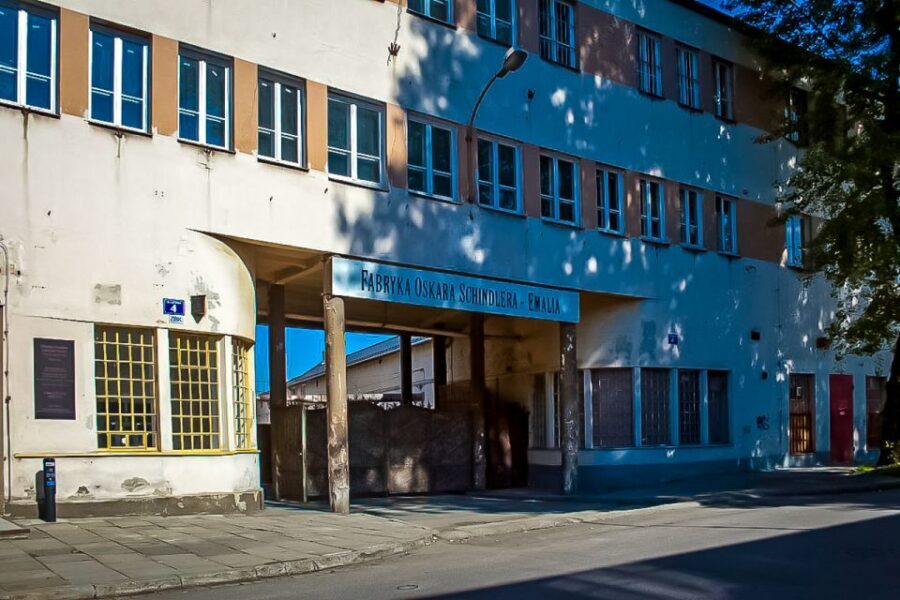
Book it if you want the museum to make sense as a storyline and you’d rather learn with a guide than try to connect everything yourself. This is a strong option for first-timers who want context, a clear structure, and help focusing on what to notice.
Skip it or reconsider if your goal is purely Schindler’s biography and you already know the wider occupation details you’re looking for. In this museum, Schindler’s story is important, but it sits inside a larger narrative of what happened in Kraków.
If you do book, I’d choose a time that doesn’t rush your whole day, because the museum’s topics deserve more than a quick glance. And arrive with the mindset that the tour is meant to be felt, then understood.
FAQ
Where do I meet the guide for Schindler’s Factory?
You meet your guide at the start point where they are holding a yellow umbrella or a Walkative! sign.
How long is the tour?
The tour lasts 90 minutes.
Is the museum ticket included?
Yes. Your ticket to the Schindler’s Factory museum is included with the guided tour.
Can I skip the ticket line?
Yes. The tour is described as skipping the ticket line.
What languages are available?
The live tour guide is offered in English and Spanish.
Is hotel pickup included?
No. Hotel pickup and drop-off are not included.
Is the tour wheelchair accessible?
Yes, it is wheelchair accessible.
Do I need to pay the full price when booking?
You can reserve now and pay later, based on the offer described.
What is the cancellation policy?
Free cancellation is available up to 24 hours in advance for a full refund.
Are pre-booked tickets handled by the tour company or the museum?
The notes say pre-booked tickets are bought directly from the museum on the spot, and the company isn’t responsible for museum-caused issues, including delays.
Is this tour only about Oskar Schindler?
No. The tour includes Schindler’s story and his original office, but it also focuses heavily on daily life in Kraków during Nazi occupation and broader events and figures connected to the period.