REVIEW · KRAKOW
From Krakow: Lagiewniki Sanctuary of The Divine Mercy Tour
Book on GetYourGuide →Operated by Jordan Group · Bookable on GetYourGuide
Divine Mercy meets city views.
This tour is interesting because it turns Lagiewniki into more than a quick stop. I love how the guide’s storytelling starts right in the car, setting context for what you’ll see, and I also love the built-in Observation Tower time before you head into the sacred spaces. The payoff is real: you end at the Sanctuary of Divine Mercy with both explanation and room for reflection.
One thing to plan for: the day’s pace mixes driving talk, guided walking, and moments for quiet. The total time can stretch depending on where you’re picked up, traffic, and how much time you want for prayer or confession.
In This Review
- Key things to know before you go
- Why Lagiewniki matters for a Divine Mercy visit
- The car ride from Kraków is part of the experience
- Observation Tower: get your bearings fast
- Museum of Saint Sister Faustina: the person behind the message
- Sanctuary of Divine Mercy: peace, questions, and a slower pace
- The optional Sanctuary of Blessed John Paul II (and when to choose it)
- Price and value: what $84 buys you in real terms
- Timing: twice daily departures and how that affects your day
- What to wear and what to expect on site
- Who should book this Divine Mercy tour
- Should you book the Lagiewniki Sanctuary of the Divine Mercy Tour?
- FAQ
- What’s included in the tour price?
- What’s not included?
- How long is the tour?
- Where does the tour start?
- What times does the tour run?
- What languages are available for the guide?
- Is the tour wheelchair accessible?
- Is there a minimum number of people required?
- Can I cancel for a refund?
Key things to know before you go
- Car-to-church guidance: you don’t just arrive and listen once; the guide stays present and connects the dots all day.
- Panoramic start at the tower: you get a wide view first, then the experience shifts into quieter, spiritual mode.
- Saint Faustina museum context: you’ll learn who she was and why her message matters beyond religion.
- Time for prayer: the sanctuary visit includes guided explanation plus space to reflect in your own way.
- Optional extra sanctuary: you can keep it shorter or add the nearby John Paul II sanctuary for more time on site.
Why Lagiewniki matters for a Divine Mercy visit
Lagiewniki is one of those places where faith, art, and daily life feel tightly linked. You’re not only going to a church building. You’re going to a pilgrimage destination where people come with questions, routines, and hope—then return home carrying something calmer inside them.
What I like about this tour is that it respects that mix. You get structure (tower, museum, sanctuary), but the heart of the experience is still your attention—what you take in, what you ask, and how long you want to sit with the meaning of Divine Mercy in everyday life.
You can also read our reviews of more tours and experiences in Krakow.
The car ride from Kraków is part of the experience
This tour doesn’t wait until you’re standing in front of something impressive. It starts as soon as you get into the vehicle. The guide stays with you throughout the trip, and the drive includes stories about Kraków, Christianity in Poland, and how churches in Kraków connect to older culture and belief.
The guide’s style is described as charming and zany, and that’s useful. It keeps the trip from feeling like a long commute with occasional stops. You’re getting the background so the sacred sites don’t feel like isolated scenes. Instead, you start to understand why certain churches, traditions, and Christian themes took root where they did—and how that story relates to the city you’re coming from.
If you want a practical bonus: the guide can also answer questions on the spot. One guide experience stood out for me in the details—Oleksandra picked people up from their hotel and explained the religious history of Kraków from the moment you got in the car, then continued with context at the shrine when you arrived.
Observation Tower: get your bearings fast
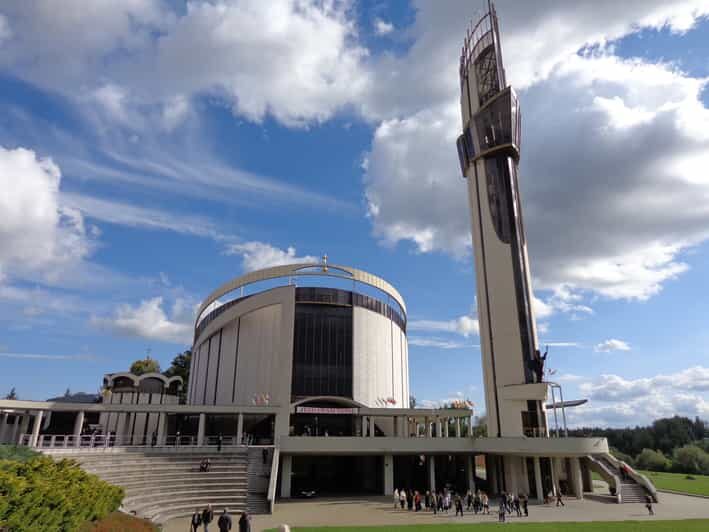
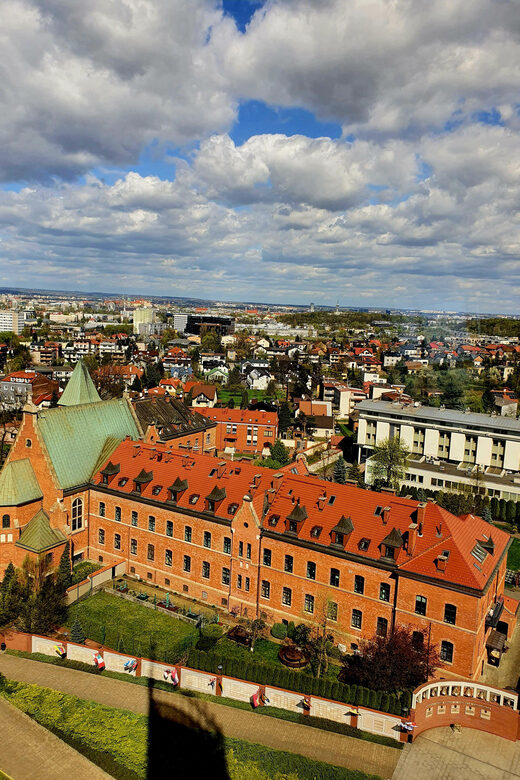
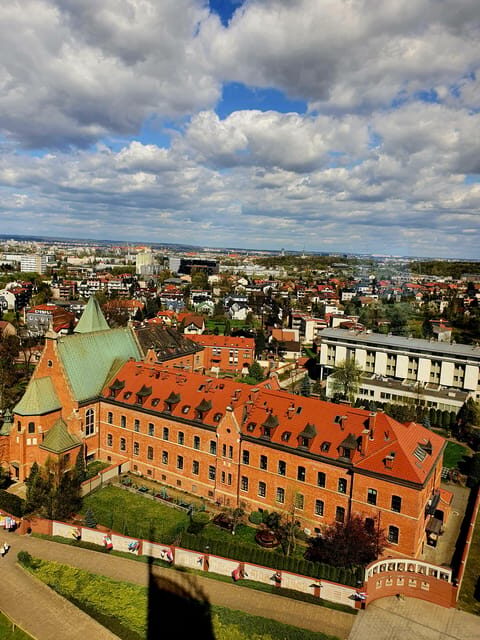
The first major stop is the Observation Tower. You’ll go up to admire the views of the surrounding area. Even if you’re not a big “lookout person,” I think this is a smart start because it helps you physically orient yourself before the emotional pace changes.
After the panorama, it’s easier to appreciate how the sanctuary visit sits inside a real landscape of roads, neighborhoods, and daily movement. In other words, you’re not going from city noise straight into stillness without transition. You’re given a moment to look outward, then you naturally look inward.
Practical note: wear comfortable walking shoes. You’ll be on foot for visits to the sites, and you’ll want stable footing for getting up and around wherever you’re allowed to climb or walk.
Museum of Saint Sister Faustina: the person behind the message
Next comes the Museum of Saint Sister Faustina. This part is where the tour shifts from “where we are” to “who the story is about.”
You can expect to learn about her life, her legacy, and the way her message shows up in both religious and social contexts. The guide doesn’t just list dates. The best way to think of this stop is as a guided understanding of why Divine Mercy matters to real people, not just an abstract theme.
One review experience highlighted a guide who explained the history and answered questions at the shrine, and that same kind of Q&A style is exactly what makes the museum stop worthwhile. You’re more likely to leave with a clearer sense of what you’re seeing next, because the museum prepares you for the sanctuary’s meaning.
Sanctuary of Divine Mercy: peace, questions, and a slower pace
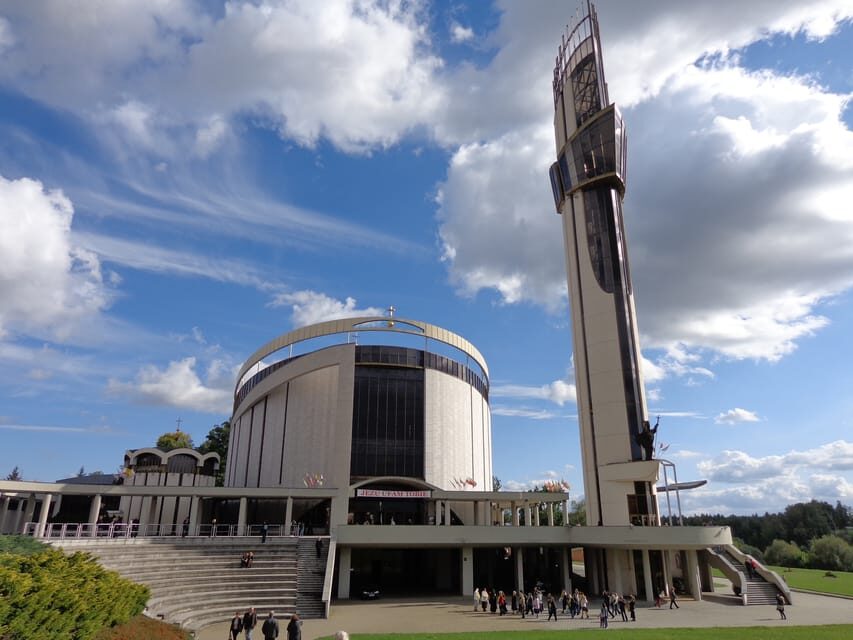
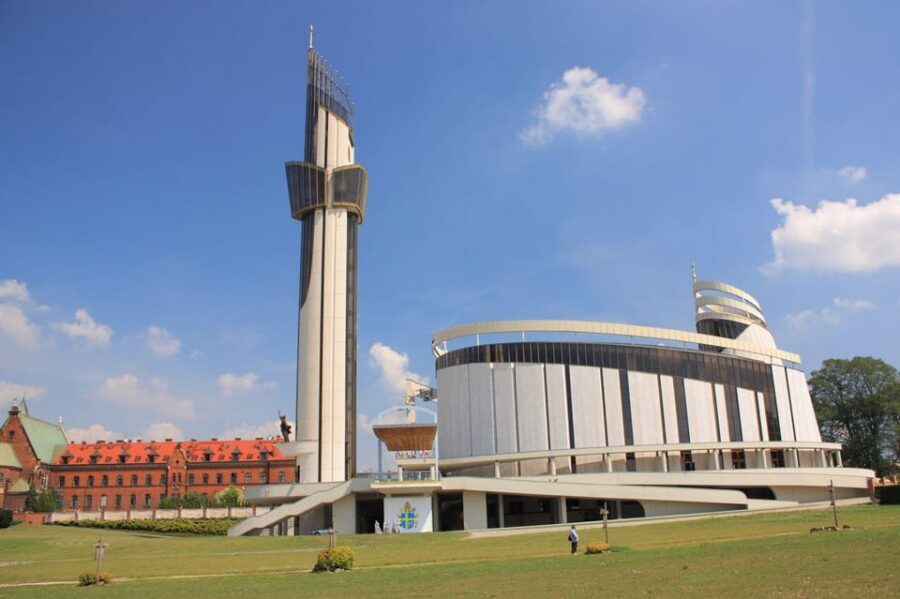
Then you reach the Sanctuary of Divine Mercy, the main reason people come to Lagiewniki.
This is where you’ll feel the atmosphere shift. The focus is on peace and reflection, and you’ll be able to discover what Divine Mercy means in everyday life—something that tends to land better when you’ve already heard context from the car and museum. Otherwise, the sanctuary can feel like a beautiful stop with less understanding attached.
Here’s what I’d consider the most valuable element: you get guided explanation plus time for prayer and reflection. That balance matters. The guide helps you connect the story, but you’re not rushed through the sacred moments.
One standout experience in the reviews: a guide gave plenty of time for people to pray and reflect, and she answered questions while also respecting how individual visitors want to experience the site. That’s exactly the kind of pacing that makes a guided pilgrimage feel respectful instead of mechanical.

The optional Sanctuary of Blessed John Paul II (and when to choose it)
You can enhance the trip with a nearby stop at the Sanctuary of Blessed John Paul II. This is described as the most popular option, and it changes the length and feel of the day.
If you pick the shorter version, you’ll focus tightly on the core Divine Mercy stops. If you pick the extended option, you’ll add more time on site—useful if you like seeing how Christian devotion takes different forms across nearby pilgrimage places.
Duration-wise, the standard version usually runs about 3–4 hours, while the extended version is typically 4–6 hours. Your actual time can vary based on pickup location, traffic, and how much time you spend in prayer or confession.
So how do you decide? If you’re trying to fit this into a packed Kraków schedule, stick with the shorter version. If you want more quiet time and you’re there for the bigger spiritual rhythm—not just the highlights—add John Paul II.
Price and value: what $84 buys you in real terms
At $84 per person, the biggest thing you’re paying for is the combination of guide + transportation for the whole outing.
That matters more than it might sound. Lagiewniki isn’t something you want to treat like a casual add-on if you’d rather not worry about routing, timing, and getting everyone where they need to be. With continuous transportation and a guide who stays present, you can focus on the experience instead of logistics.
Also, the time is relatively short for the amount of meaningful stops you cover: tower views, a museum learning component, and a pilgrimage sanctuary visit. And since food and drinks aren’t included, you’re not paying for meals you may not want. You can eat on your schedule—either before you go or after you return.
Timing: twice daily departures and how that affects your day
The tour runs every day at 9:00 and 13:00. That’s a helpful schedule choice in Kraków because it gives you two clean options: an earlier start for a calmer day, or an afternoon start if you want to do other city sights first.
Your start time can affect how you experience the sanctuary. Morning tends to feel more spacious for walking and questions; afternoons can work great too, but you may want to keep your pace flexible.
The good news is the guide keeps everything running smoothly, so you won’t be thinking about transfers while you’re trying to stay focused.
What to wear and what to expect on site
This is a sacred-sites visit, so plan your clothing accordingly. Wear comfortable walking shoes and clothing suitable for entering places of worship.
Also, the tour pace includes both explanation and moments when silence is required. That’s normal here. I’d treat the quiet portions as part of the experience, not as downtime.
Finally, plan for personal time inside the sanctuary. The tour length can shift based on how long you want to pray or handle confession, so don’t stack your next commitment too tightly.
Who should book this Divine Mercy tour
I’d recommend this experience if you want:
- A guided, structured visit to Lagiewniki that still respects prayer time
- Context for Christianity in Poland and Kraków’s church connections before you arrive
- A mix of viewpoints: Observation Tower views, a museum learning stop, then a sanctuary with reflection
It’s especially a good fit for people who appreciate being able to ask questions in plain language. One review mentioned Oleksandra giving her own style of explanation and Q&A, and another mentioned Luca as supportive and well informed—exactly the kind of guide presence you want in a place that’s meaningful on multiple levels.
If you’re looking for a totally independent pilgrimage with zero guidance, this may feel too structured. But if you want help understanding what you’re seeing, this works nicely.
Should you book the Lagiewniki Sanctuary of the Divine Mercy Tour?
Yes—if your goal is to experience Divine Mercy in a way that combines transport, clear guidance, and real time to reflect. The value is strongest because you’re not just touring buildings; you’re getting context that makes the sanctuary meaningful.
Book it if you:
- Like guided storytelling that starts early (the drive matters here)
- Want panoramic views before going inward
- Would rather let someone handle timing and logistics while you focus on the experience
Skip it only if you know you want a purely self-guided visit with no explanation and no set flow between stops.
FAQ
What’s included in the tour price?
The price includes a live guide and transportation throughout the entire tour.
What’s not included?
Food and drinks are not included.
How long is the tour?
The standard experience is usually around 3–4 hours, but total time may vary based on pickup location, traffic, and how much time you spend for prayer or confession. An extended version is typically 4–6 hours.
Where does the tour start?
Pickup is from Kraków.
What times does the tour run?
It operates every day at 9:00 and 13:00.
What languages are available for the guide?
The guide is available in English, Polish, Russian, and Ukrainian.
Is the tour wheelchair accessible?
Yes, the tour is wheelchair accessible.
Is there a minimum number of people required?
Yes. The tour requires a minimum of 2 people to operate.
Can I cancel for a refund?
Free cancellation is available up to 24 hours in advance for a full refund.