REVIEW · KRAKOW
Auschwitz-Birkenau Camp Full-Day Guided Tour from Krakow
Book on Viator →Operated by KrakowBooking.com · Bookable on Viator
One day can change how you see the world. This full-day visit to Auschwitz-Birkenau is structured around a guided walk through Auschwitz I and Auschwitz II–Birkenau, with museum time and a memorial focus that helps the day make sense.
I especially like that you get a licensed guide in your chosen language, not just a bus-and-hope situation. You also get hotel-style convenience from Krakow, plus the day is paced with enough time to absorb what you’re seeing without feeling like a race.
One thing to plan for: you’ll have only a 10-minute break, and food isn’t included—so bring lunch and expect a long, emotionally heavy day.
In This Review
- Key things to know before you go
- Auschwitz-Birkenau: why a guided full-day tour feels worth it
- Getting from Krakow: pickup, group size, and how the day runs
- Auschwitz I at the main camp: museum time and what to focus on
- Birkenau (Auschwitz II): the memorial part of the experience
- The walking pace, the 10-minute lunch window, and your best prep
- Tickets, your name, and the mobile check-in detail
- Language choice: when it matters (and when it can spoil the day)
- Comfort rules: luggage size, strollers, and mobility reality
- Price and value: is $53.39 a fair deal?
- Should you book this Auschwitz-Birkenau tour from Krakow?
- FAQ
- How long is the Auschwitz-Birkenau full-day guided tour from Krakow?
- Does the tour include admission to both Auschwitz I and Auschwitz II–Birkenau?
- What is the meeting point in Krakow?
- Is food included during the tour?
- Are there luggage or stroller restrictions?
- Is this tour suitable for children or for accessibility needs?
Key things to know before you go
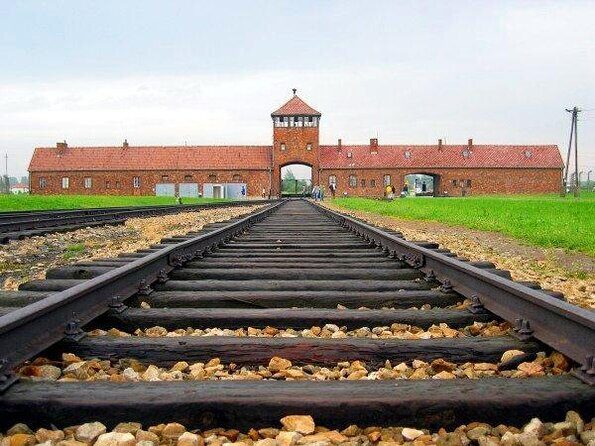
- Hotel pickup and drop-off in Krakow keeps logistics low-stress
- Entrance to both Auschwitz I and Auschwitz II–Birkenau is included
- Small-group feel (max 15) makes it easier to hear and ask questions
- Short on-site break (up to 10 minutes) means you need to come ready with lunch
- Strict identity-name matching rules can affect entry if details don’t line up
- Museum walking on gravel and older buildings makes mobility planning important
Auschwitz-Birkenau: why a guided full-day tour feels worth it
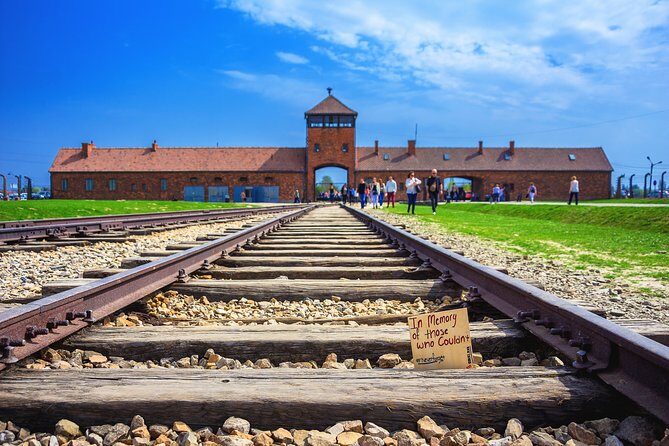
This is not a casual sightseeing stop. Auschwitz-Birkenau is preserved as a museum and memorial, and your guide’s job is to turn dates, places, and terminology into a story you can actually follow—without you getting lost in the details or guessing what you’re looking at.
I like that the day is built as two distinct parts: the Auschwitz Museum side first, then Birkenau. That pacing matters. It helps you understand that Auschwitz wasn’t just one place, and it wasn’t just one kind of experience. You’re also less likely to feel like you’re rushing through something sacred.
A strong guide is the difference between learning facts and understanding why they matter. The reviews you’ll find for this kind of tour tend to agree on one thing: when the guide is clear and willing to answer questions, the whole day can feel educational instead of overwhelming.
You can also read our reviews of more guided tours in Krakow
Getting from Krakow: pickup, group size, and how the day runs
The tour is designed for an easy start. You’re picked up from Floriana Straszewskiego 14, and you return there at the end. That’s a big deal in Krakow, where it’s easy to lose time trying to coordinate transport on your own.
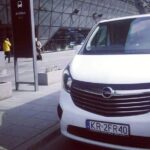
Transportation is included and described as return air-conditioned, with an English-speaking driver. Your guide handles the walking tour portion, and you’re not stuck figuring out tickets or site timing by yourself.
Group size is one of the practical selling points here: it’s described as a small-group tour with a maximum of 15 people. At the same time, there’s also a higher overall cap for the activity. Either way, you should expect a group format with planned timing—good for staying on schedule at a site that runs on strict entry flow.
Plan your expectations around duration, too. The tour runs about 7 hours total, and the on-site time is split between Auschwitz I and Birkenau. That doesn’t leave room for drifting or late photo stops. It’s a guided day, not a free-roam day.
Auschwitz I at the main camp: museum time and what to focus on
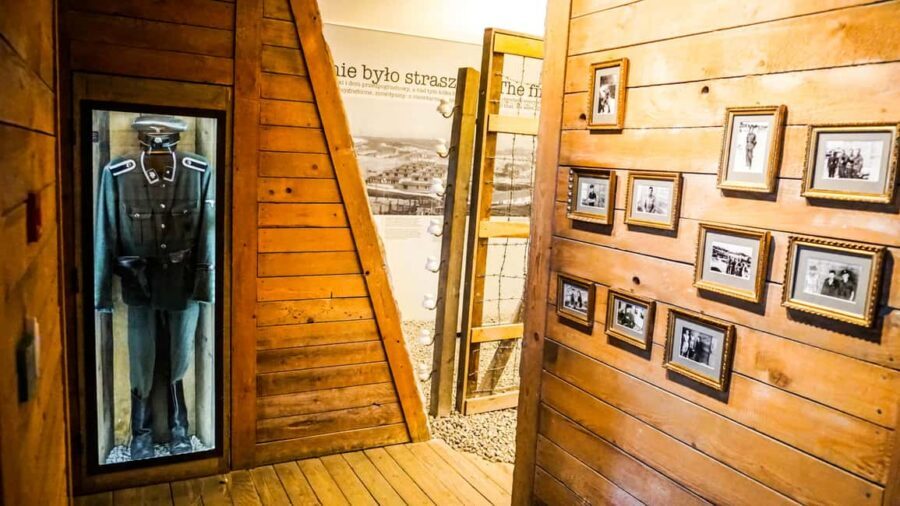
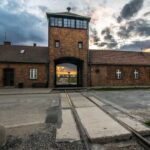
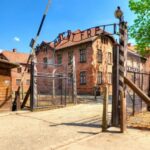
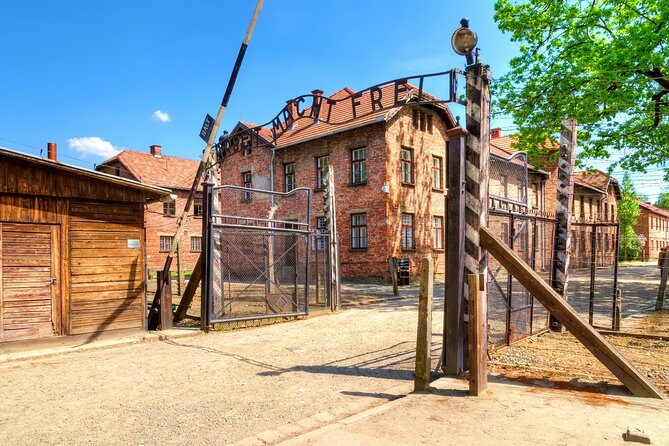
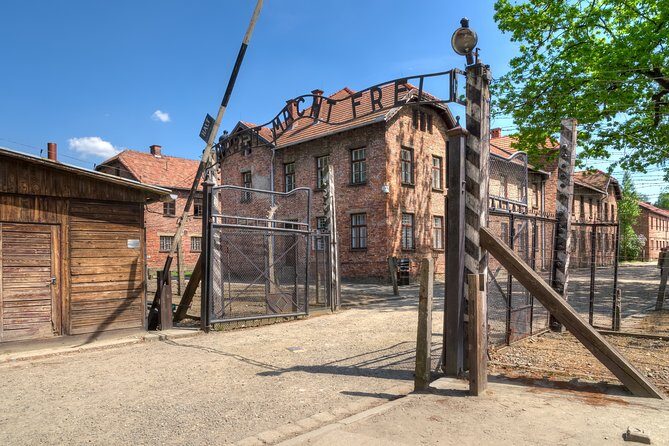
Your first major stop is the Auschwitz Museum at Auschwitz 1, described as the main camp and administrative headquarters. You’ll spend about 1 hour 40 minutes here, with admission included.
What makes this segment valuable is the order. Starting with the main camp helps you get orientation before you move to the later, larger scale of Birkenau. In plain terms: you’ll be better able to connect the dots when you understand the administrative center first.
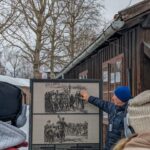
Your time here is also structured as a walking tour with your guide. That means you’re not just reading placards. A guide can explain key context as you move through the museum space, which is especially helpful because the subject can get heavy fast and names/dates can blur if you’re on your own.
A practical consideration: the museum rules matter. You should expect you’ll need to manage what you carry. If you’re traveling with a stroller, baby carriage, or larger bags, the day can become stressful if you show up without checking the size limits.
Birkenau (Auschwitz II): the memorial part of the experience
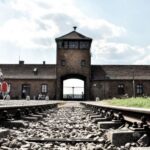
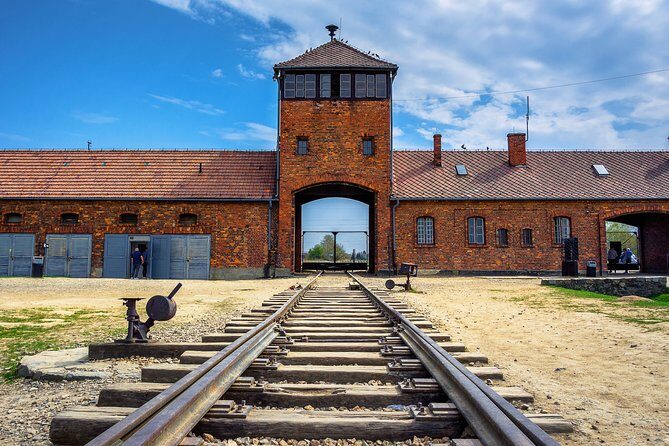
Next you head to Auschwitz II–Birkenau for about 1 hour. This is the camp segment many people remember because it changes the feeling of the day—more open space, more scale, and a different kind of silence.
From a learning standpoint, this is where a guide’s pacing helps. Birkenau isn’t a place you can skim. Even within a shorter time window, it’s possible to leave with clearer understanding of how the camp was built and used, because your visit is organized and explained rather than left to guesswork.
The tour description also frames Birkenau around the memorial to the victims. That matters because you’re not there for spectacle. You’re there to remember. So give this part your full attention, even if the emotions hit hard.
The walking pace, the 10-minute lunch window, and your best prep
This tour includes a walking tour with insight from your guide. That’s great, but it also means you should plan your body and your attention span. The itinerary doesn’t leave time for a long sit-down meal, and the break is up to 10 minutes.
Food and drinks are not included. So bring lunch that you can eat quickly. If you wait to find food near the site, you’ll likely feel rushed. A packed lunch also helps you stay focused, because you won’t be hunting for an option mid-day.
This is the kind of day where small choices help: comfortable shoes, layers for weather, and a bag you can manage with museum limits. Once you’re at the site, you’ll want to spend your energy on the guided experience, not on logistics.
One more detail to take seriously: this tour is described as not recommended for children aged 13 and under. If you’re traveling with younger kids, it’s usually better to look for a different Auschwitz-related visit style that’s designed around shorter or more flexible pacing.
You can also read our reviews of more tours and experiences in Krakow




Tickets, your name, and the mobile check-in detail
This tour uses a mobile ticket, and there’s a major “don’t mess this up” requirement: you must provide your full name and contact details as part of booking. The information you enter needs to match your ID.
The tour data is blunt about it: if the name on your booking doesn’t match the name on the ID used at entry, entrance may be refused. That can ruin the day even if you did everything else right. So before you go, double-check spelling, including middle names if they show on your ID.
If you’re sharing a booking across multiple people, slow down and verify each person’s details. This is one of the rare travel situations where being careful saves you from a very real problem.
Language choice: when it matters (and when it can spoil the day)
The tour includes a licensed guide in your chosen language. That’s the intention, and it’s also why the guided approach works. Clear explanation is the difference between understanding and just watching.
A review theme tied to language is straightforward: when the language doesn’t match what was expected, the experience can feel faster and less satisfying. You might miss details, and the guide’s pacing won’t hit the way it should.
So here’s my practical advice: confirm language expectations before you show up. If your booking says one language, and you’re relying on it to keep up, you want that to be correct from the start.
If you’re comfortable with English and you see an English option, that can also reduce risk. But if you chose another language, take the language seriously. At Auschwitz-Birkenau, comprehension isn’t optional.
Comfort rules: luggage size, strollers, and mobility reality
Museum rules apply. Baby carriages and luggage larger than 30 x 20 x 10 cm are not permitted inside the museum. If you’re unsure, assume you should pack light and bring only what you truly need.
If you’re traveling with a baby or children, the data says you should bring your own child seat or child sling. That’s another clue that the day is set up around manageable items, not big gear.
Accessibility is also a real factor. This tour is not recommended for people with a disability due to gravel surfaces and many buildings with no ramps or lifts. If you fall into that category, plan to bring an accompanying person—since the tour notes that participants must be accompanied.
This isn’t meant to scare you. It’s meant to help you plan the visit you want. If mobility is limited, you’ll want to consider alternative options that match your needs better.
Price and value: is $53.39 a fair deal?
At about $53.39 per person, the price feels reasonable for a full-day, guided, round-trip experience from Krakow—especially because several “extras” are included.
You get:
- Entrance to both Auschwitz I and Auschwitz II–Birkenau
- A licensed guide in your chosen language
- Return air-conditioned transportation from Krakow
- Pickup and drop-off (from the designated meeting point)
- All fees and taxes
The big value move is that you’re not paying separately for transport and entry while also hoping to find a guide. You pay once, then you follow the plan. For a trip like this, that convenience is worth real money because it reduces stress at the most important time.
The main cost you will still cover is your own food and drinks. Since the break is short, you’ll want to bring lunch to keep the day smooth.
If you’re comparing options, look for tours that bundle transport and both site admissions. It’s the fastest way to avoid time sinks.
Should you book this Auschwitz-Birkenau tour from Krakow?
I’d book it if you want a guided day that’s organized, includes both entrances, and gives you time blocks that make sense: Auschwitz I first, then Birkenau. The small-group format (described up to 15 people) is also a plus if you like asking questions and staying oriented.
Don’t book it if you need a lot of flexibility for lunch, or if you’re traveling with younger kids who might struggle with the length and intensity. Also take the museum rules seriously. Light packing and correct name details aren’t “nice to have” here.
If you want the best shot at a satisfying experience, focus on two things: choose the guide language you’ll understand, and come prepared for the short break by bringing your own lunch.
FAQ
How long is the Auschwitz-Birkenau full-day guided tour from Krakow?
The duration is listed as about 7 hours.
Does the tour include admission to both Auschwitz I and Auschwitz II–Birkenau?
Yes. Entrance to both the Auschwitz Museum (Auschwitz 1) and Auschwitz II–Birkenau is included.
What is the meeting point in Krakow?
Pickup and drop-off are only at Floriana Straszewskiego 14, 33-332 Kraków, Poland.
Is food included during the tour?
No. Food and drinks are not included. You’re advised to bring your own lunch, and the break is only up to 10 minutes.
Are there luggage or stroller restrictions?
Yes. Baby carriages are not permitted inside the museum, and luggage larger than 30 x 20 x 10 cm is not permitted inside the museum.
Is this tour suitable for children or for accessibility needs?
It’s not recommended for children aged 13 and under. It is also not recommended for people with a disability due to gravel surfaces and many buildings with no ramps or lifts, and people must be accompanied.