REVIEW · KRAKOW
Krakow: Auschwitz-Birkenau Guided Tour with Transportation
Book on GetYourGuide →Operated by Discover Cracow · Bookable on GetYourGuide
Waking up for this is always hard.
This day trip from Krakow gives you the full Auschwitz-Birkenau experience with transportation taken care of, so you can focus on what matters: a guided walk through Auschwitz I and Auschwitz II-Birkenau, including the Arbeit Macht Frei gate and the sites where people were processed and murdered.
I especially like the clean structure of the day: coach time to get you there, a short break on arrival, then guided time at Auschwitz I and Birkenau. I also like that you travel with a live English-speaking licensed local guide, and in many cases you’ll avoid the worst ticket-line hassle.
One thing to plan for: it’s a long, emotional day with lots of walking on uneven ground, and the memorial controls the pace and timing once you arrive.
In This Review
- Key things I think you’ll care about
- Auschwitz-Birkenau from Krakow: Why this tour format makes sense
- Getting to Oświęcim: Coach ride, early wake-ups, and set expectations
- First stop: Auschwitz I and that gate you can’t unsee
- Short transfer, then the bigger, harder reality at Birkenau
- Exhibits and personal belongings: where meaning gets personal
- Transportation and comfort: what the schedule does to your body
- Guides make or break this kind of day
- Price and value: is this worth around $20?
- Who this tour suits best (and who might choose differently)
- Should you book this Auschwitz-Birkenau tour from Krakow?
- FAQ
- How long is the Auschwitz-Birkenau guided tour from Krakow?
- Is hotel pickup included, or do I meet at a central point?
- Where do I meet the bus in Krakow?
- How early can pickup be?
- Is the tour in English?
- Do I skip the ticket line?
- How much time do you spend at Auschwitz I and Auschwitz II-Birkenau?
- What should I bring for the day?
- What if the name on my booking doesn’t match my ID?
- Is this tour suitable for people with mobility impairments?
Key things I think you’ll care about
- Air-conditioned coach with hotel or central pickup so you’re not wrestling transit that early
- Skip-the-line access when reservations are available, reducing stress right at the start
- A real guided walk through Auschwitz I and Auschwitz II-Birkenau, not just a quick bus stop
- Original barracks plus crematorium and gas chamber areas, presented with context
- Short break time on site, but still a tight schedule overall
- Pickup timing can be very early (as early as 3:00 AM), and it’s confirmed the day before
Auschwitz-Birkenau from Krakow: Why this tour format makes sense
This is not the kind of day trip where you want to improvise. Auschwitz-Birkenau is far enough outside Krakow that you’d spend your morning juggling transit, queues, and meeting points. What I like about this Krakow to Auschwitz-Birkenau guided tour with transportation is that it removes the logistics burden and replaces it with a clear plan.
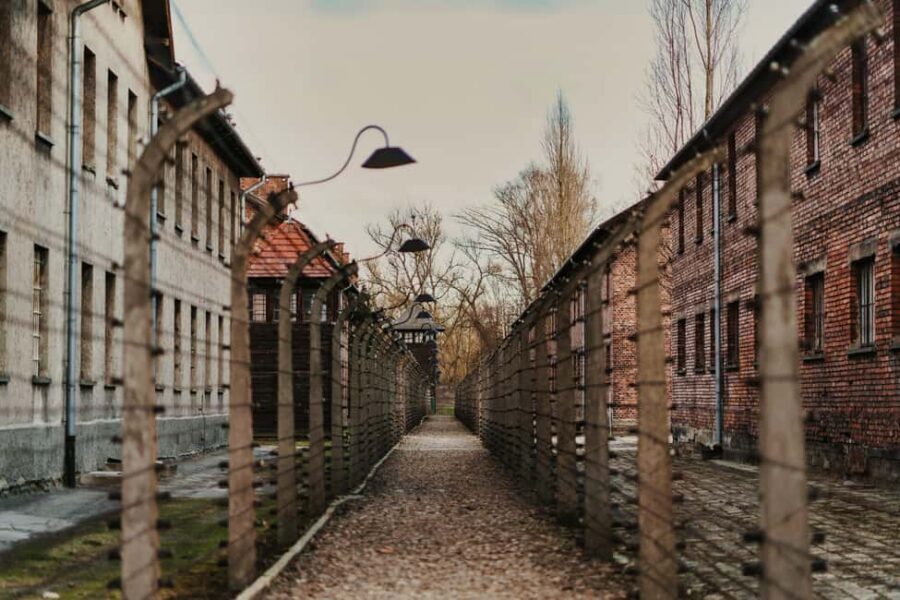
The route is straightforward. You ride out by coach, then you get guided time at Auschwitz I and Auschwitz II-Birkenau, with a quick transfer between the two. You’re also not left to figure out what you’re looking at. The guide is there to provide historical context while you move through the memorial’s key areas, including original barracks and areas associated with the industrialized killing process.
This is also the kind of experience where small things matter. You’ll want calm pacing, clear directions, and a group that stays together. The tour’s setup is built around that: a licensed local guide, English interpretation, and a structure that keeps the visit moving without turning it into a frantic sprint.
You can also read our reviews of more guided tours in Krakow
Getting to Oświęcim: Coach ride, early wake-ups, and set expectations
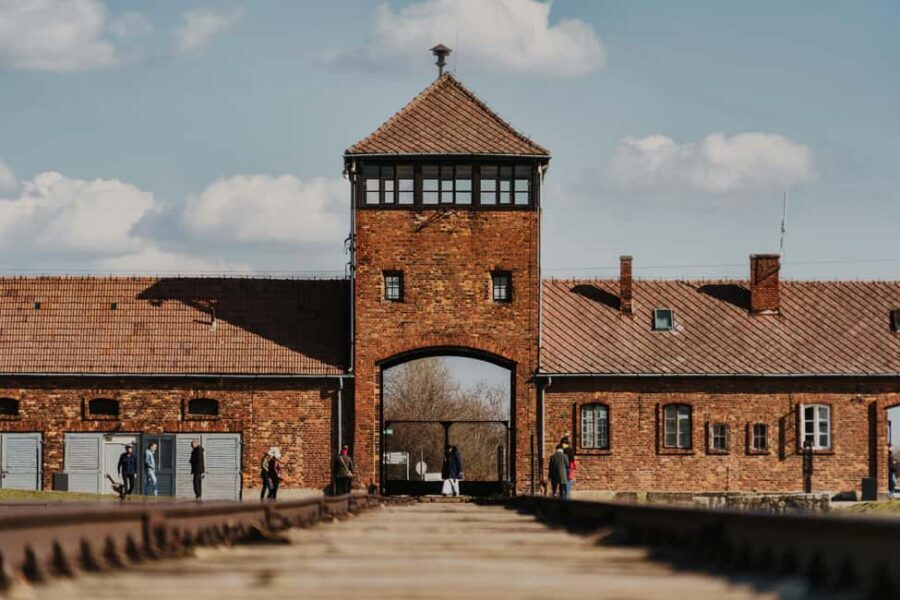
Your day starts with either a central pickup point in Krakow or optional hotel pickup. The coach is air-conditioned, which matters when your start time might be extremely early. The plan can begin as early as 3:00 AM, and while you choose a preferred time when booking, the exact pickup time is confirmed the day before.
I recommend you treat the early start like part of the experience prep. That means: charge your phone the night before, take a light breakfast if you can, and wear layers. Even if you’ll be in a warm vehicle, you may move between indoor and outdoor spaces quickly once you arrive.
The coach ride is also when the tour tends to get you “ready to see.” The experience description includes the idea of historical insights and even a film shared during the ride. You’ll still get the full focus at the memorial itself, but starting the day with context helps you make sense of what the guide later points out in specific places.
One practical note: the route into Krakow’s Old Town and Kazimierz is restricted traffic, so pickup points might be shifted to the nearest accessible location. This is the kind of detail that sounds small until you’re standing in the wrong spot at 2:30 AM, so keep an eye on the confirmation details you get before you go.
First stop: Auschwitz I and that gate you can’t unsee
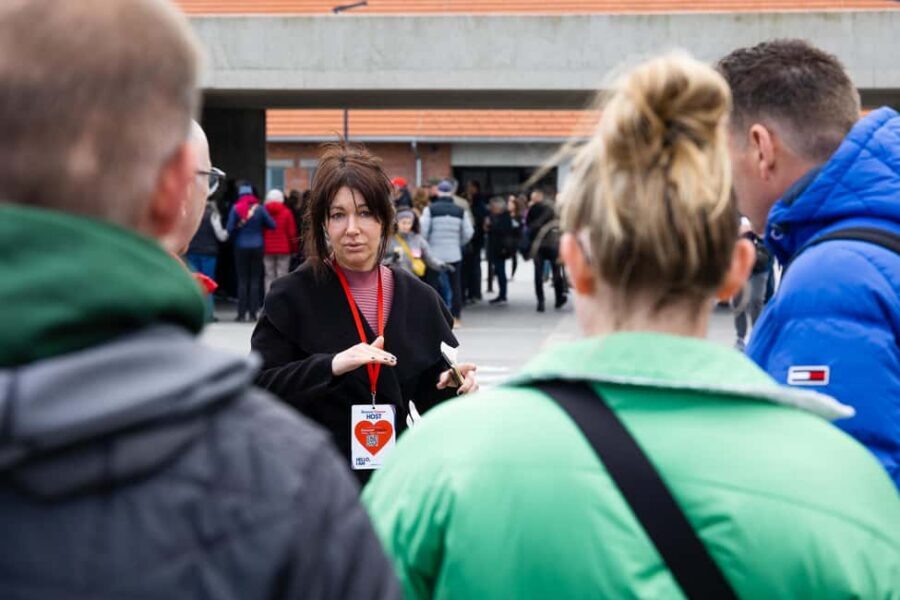
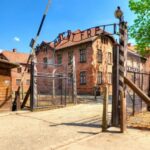
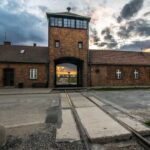
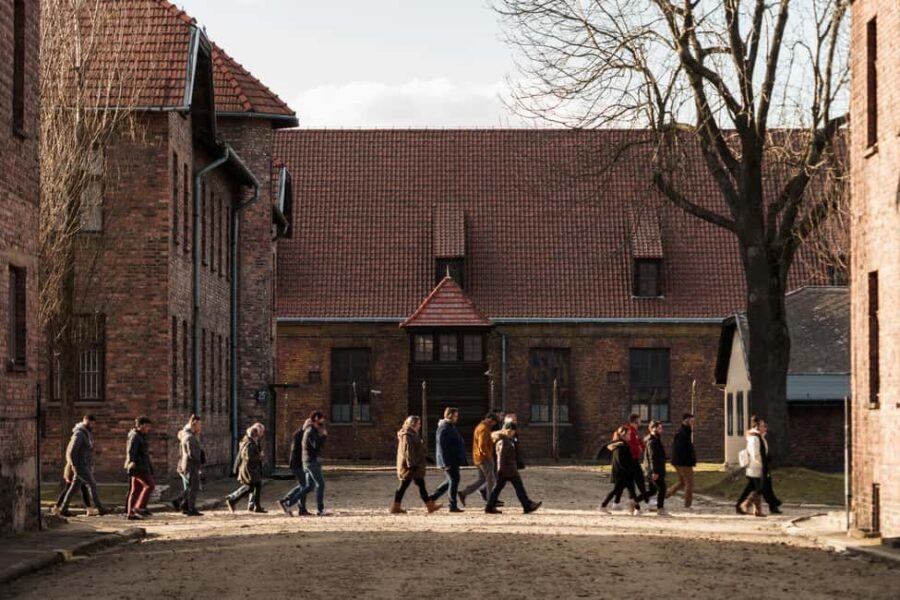
When you arrive, you meet your licensed local guide and move into Auschwitz I. This is where you’ll walk through the iconic Arbeit Macht Frei gate and start understanding how the camp system worked in its earliest form.
Auschwitz I is typically the more “narrative” site. You’re shown key areas tied to administration and daily life under Nazi rule, and you’ll also see original spaces preserved as part of the memorial. The guide’s job is to connect what you’re looking at to what it meant for real human lives—how people were processed, what conditions were like, and how the machinery of oppression expanded.
The tour schedule gives about 2 hours for Auschwitz I guided time. That’s not endless, but it’s long enough to walk the main areas without turning your visit into a quick photo stop. What you’ll want most is to pace yourself emotionally. This is heavy material, and the best way to “use” the time is to let the guide’s explanations land while you still have the energy to absorb details.
You should also expect practical limits. Floors can be uneven, and you’re going to stand and walk for a sustained period. If you like to stop for a moment and take things in, do it. Just keep an eye on the group so you don’t lose your place.
Short transfer, then the bigger, harder reality at Birkenau
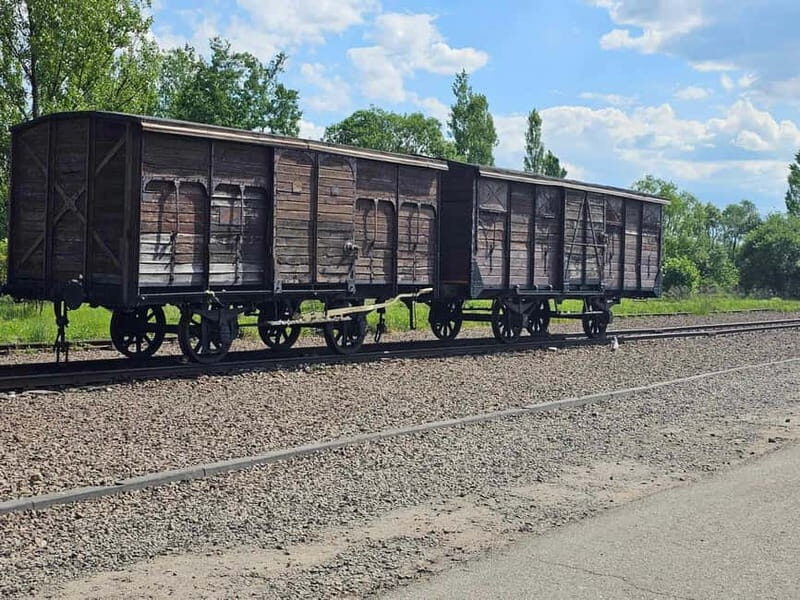
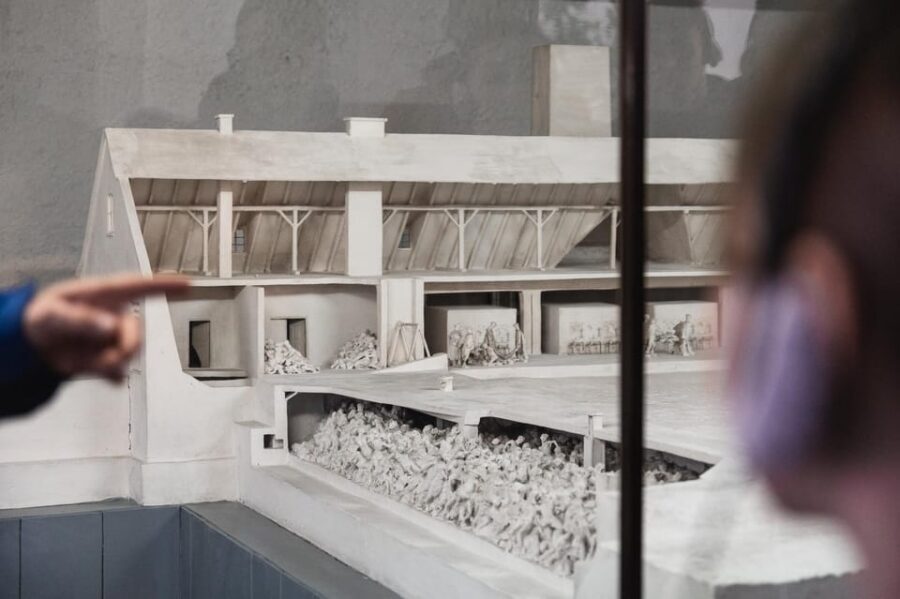
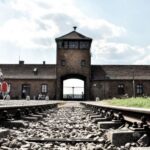
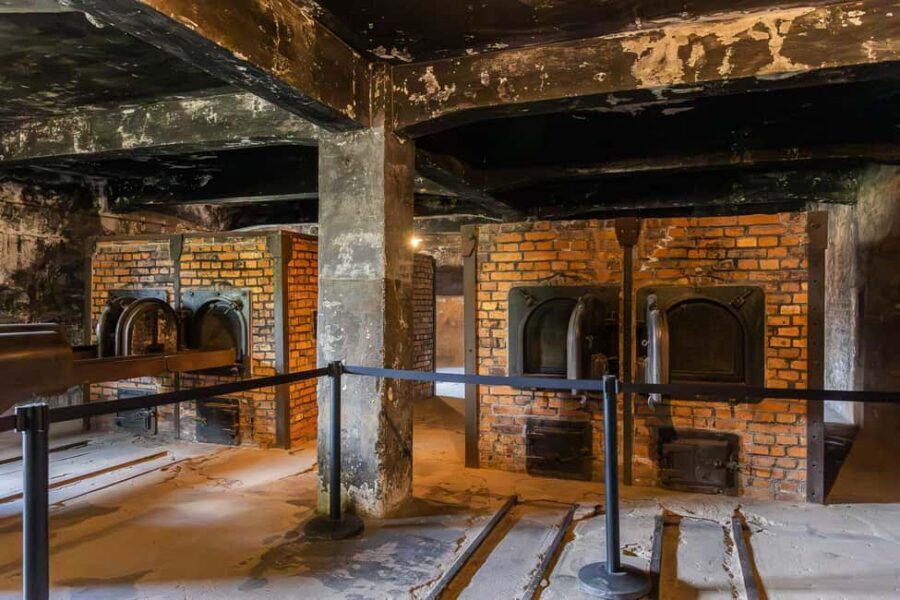
After Auschwitz I, there’s a brief bus transfer (about 10 minutes) to Auschwitz II-Birkenau. Birkenau is larger and more open in layout, which can make the scale hit even harder. This is where you’ll see parts of the camp system connected to mass deportations and the industrialized killing process, including areas tied to crematoriums and gas chambers.
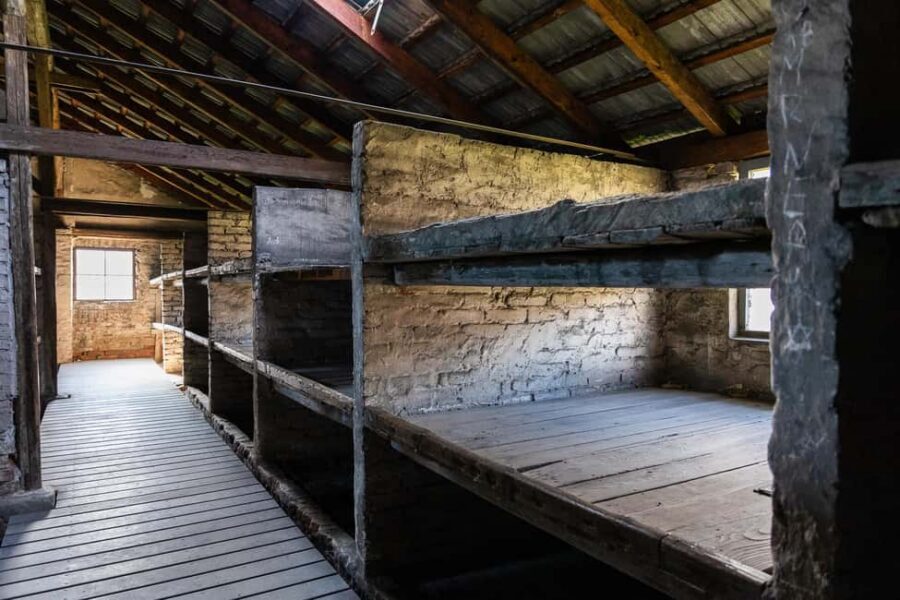
The guided time here is shorter—around 75 minutes—because the memorial route is designed to manage visitor flow across the site. Even with that shorter window, the guide’s context is what keeps it from becoming just “seeing ruins.” You’ll be shown original barracks and key exhibits that explain how people were held, separated, and murdered in an organized system.
I think the best way to approach Birkenau is with a quieter mindset than you might use at other attractions. You don’t need to sprint to every angle. Let the guide point out what’s essential, then spend your own time processing the scale and the layout. It can be tempting to chase the “most photographed” points, but the meaning here is in understanding how the space was used.
Also, the pacing is not solely decided by the tour company. The memorial’s visitor service sets the overall timing once you’re in. That’s normal for a site like this, but it’s worth knowing so you don’t feel like something “went wrong” if the schedule tightens.
Exhibits and personal belongings: where meaning gets personal
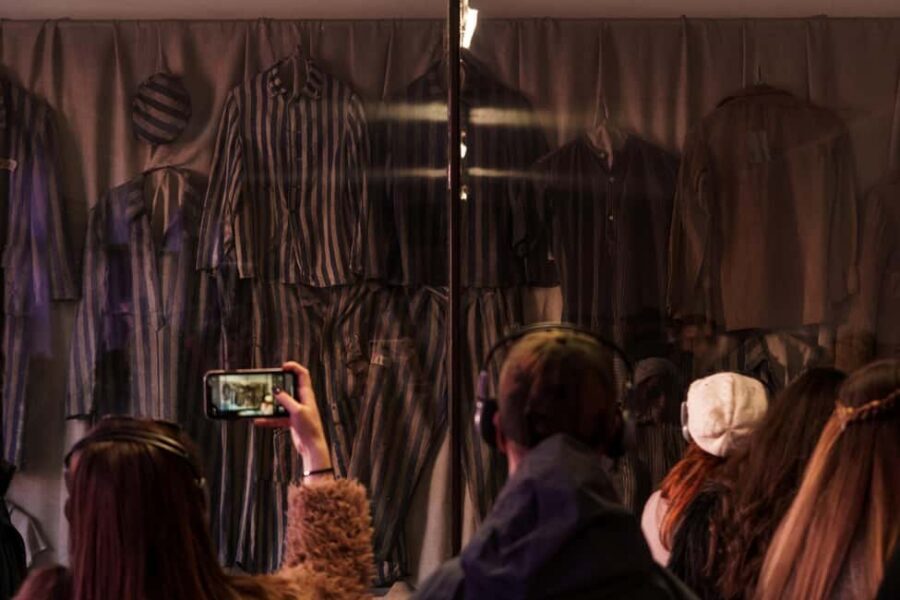
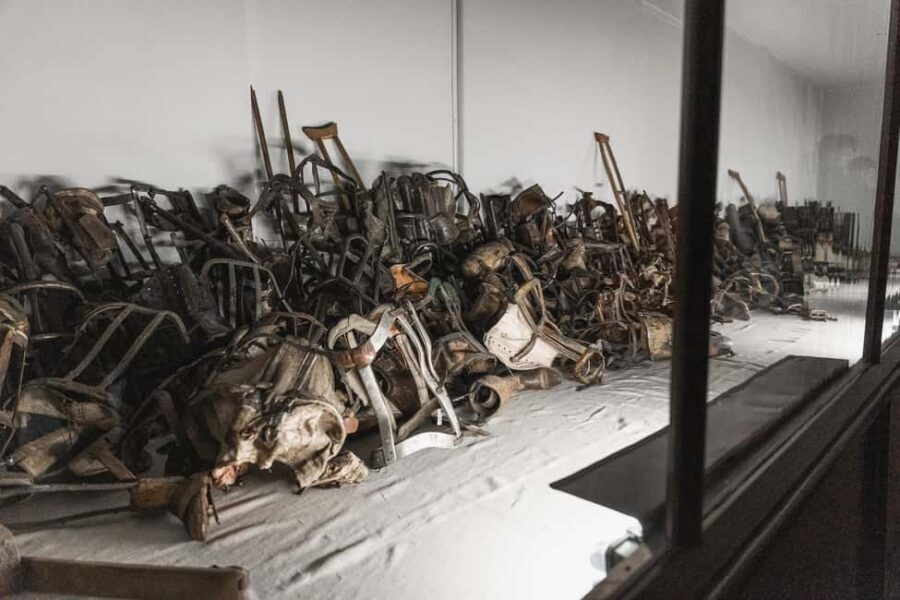
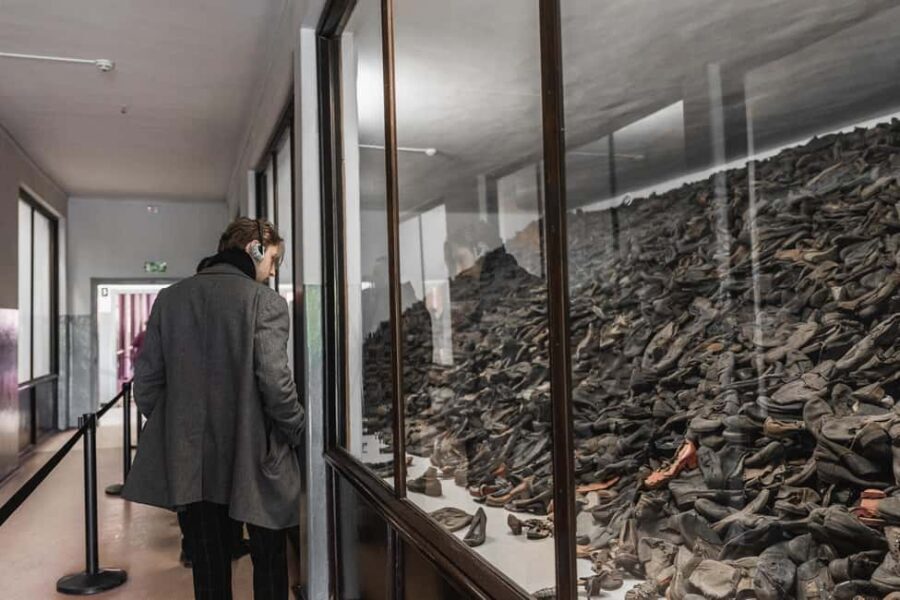
A big part of what makes this tour worthwhile is the inclusion of time focused on personal belongings, photographs, and exhibits. These aren’t just “background” items. They’re the bridge between the official system and individual lives.
When you look at items and images in a structured tour format, you don’t just see objects. You start understanding that victims were not abstract numbers. The exhibits are arranged to show categories of life and loss, and a good guide helps you connect those categories to what happened.
The tour doesn’t claim to slow things down for contemplation forever. Still, the schedule includes a break time (listed as 30 minutes) after arrival. Use that time for what you actually need: water, a bathroom stop, and a quick reset before you go into the Auschwitz I walk.
I also recommend you bring patience for emotional waves. This kind of memorial doesn’t hit the same way at minute 10 as it does at minute 90. If you feel overwhelmed, it’s okay to slow your breathing and take in the guide’s explanations in smaller pieces rather than trying to absorb everything at once.
Transportation and comfort: what the schedule does to your body
Let’s be honest: this is a long day in the real world. Even with air-conditioned transport, you’ll have a coach ride of about 1.5 hours each way, plus the short transfer between sites. Total time is typically 8–9 hours, depending on the day’s logistics.
In the memorial areas, you’re on foot. Expect lots of walking and some uneven surfaces. If it rains, the ground can become slippery, so comfortable shoes matter more than your desire to look good. I’d prioritize traction and support over style.
There’s also a note that the experience is not suitable for people with mobility impairments. That’s worth taking seriously rather than testing it. If you need step-free access or reduced walking, this format likely won’t fit your needs.
Finally, timing around food and shops can feel tight because the visit slots are set by the memorial and the tour flow. I like to bring simple snacks or a packed lunch so you’re not stuck searching for something when you only have a short break.
Guides make or break this kind of day
In experiences like this, you don’t just need facts—you need a guide who can give context without rushing your emotional processing. The tour’s design relies on licensed guides and an English live guide, and the overall feedback pattern strongly points to guides setting a respectful tone.
You may encounter different guide combinations depending on the departure. Names mentioned in past experiences include guides and hosts like John, Norbert, Cyprian (Cyp), Natalia, Mathieu, and site guides such as Dorota/Dorotta and Edyta. The key practical point for you isn’t the name—it’s the role. The best guides here do two things:
- explain what you’re seeing in clear, structured language
- make space for reflection rather than pushing constant talking
Communication before and during the day is also part of the value. Some groups receive frequent updates from their tour lead, and messaging tools like WhatsApp have been used to confirm pickup and timing. If you’re the type who likes to know where you stand, that kind of contact reduces day-of stress.
Price and value: is this worth around $20?
At around $20 per person, this tour is priced for value, especially because it includes transportation, a live English guide, and access to both major memorial sites with guided time. The cost isn’t just “a seat on a bus.” You’re paying for the full-day organization: pickup, coach ride, guided time at Auschwitz I and Birkenau, and the presentation of key memorial areas like original barracks and gas chamber/extermination-related sites.
That said, you should understand the one potential wrinkle: the tour says you can skip the ticket line, but if online Auschwitz reservation isn’t available, you may need to wait for tickets. In those last-minute cases, waiting time in a queue can run up to a few hours, and the operator has no control over that.
So here’s my straight take: this is a good value if you want structure and you’re trying to minimize friction. If you’re arriving late or booking at a very busy time, you should be mentally ready for a queue situation.
Also, because the memorial controls pacing, you’re not buying a “custom itinerary.” You’re buying a respectful guided day that follows the memorial’s flow—sometimes with less flexibility than a private plan.
Who this tour suits best (and who might choose differently)
This is an excellent fit if you want:
- a guided Auschwitz I + Birkenau experience with transportation from Krakow
- English interpretation and a licensed local guide
- a structured day that keeps you from getting lost in logistics or missing key areas
It may feel less ideal if you strongly prefer to move at your own pace for hours. The day moves along in fixed segments, and the memorial sets the timing windows.
And if you need mobility accommodations, the tour explicitly notes it isn’t suitable for people with mobility impairments, so you’ll want to look for an alternative format designed for accessibility.
Should you book this Auschwitz-Birkenau tour from Krakow?
I’d book it if you want a respectful, structured day with hotel/central pickup, a licensed English-speaking guide, and transportation that keeps you focused on the memorial instead of the logistics. The $20 price point is hard to beat for the amount of organization you get.
Before you click confirm, make your decision with three realities in mind:
- The pickup can be very early, even as early as 3:00 AM, and it’s confirmed the day before
- You should be ready for heavy walking and uneven ground
- In rare cases when reservations aren’t available, you could face ticket queues despite the skip-line promise
If that matches your expectations, book. If not, plan for a different style of tour—or a different day and time that gives you more margin.
FAQ
How long is the Auschwitz-Birkenau guided tour from Krakow?
The tour runs about 8 to 9 hours total.
Is hotel pickup included, or do I meet at a central point?
You can choose central pickup in Krakow or optional hotel pickup.
Where do I meet the bus in Krakow?
Look for the K+R sign, and find the bus waiting with a front window sign that says Discover Cracow Auschwitz Tour.
How early can pickup be?
Pickup can be as early as 3:00 AM. The exact start time is confirmed the day before.
Is the tour in English?
Yes. The live tour guide is English.
Do I skip the ticket line?
The tour is described as skipping the ticket line, but if online Auschwitz reservation isn’t available, you may have to wait in line for tickets.
How much time do you spend at Auschwitz I and Auschwitz II-Birkenau?
The guided visit includes about 2 hours at Auschwitz I and about 75 minutes at Auschwitz II-Birkenau.
What should I bring for the day?
Bring your passport or ID card, wear comfortable shoes, and dress for the weather.
What if the name on my booking doesn’t match my ID?
Entry may be refused if the name you provide doesn’t match the name on your ID exactly.
Is this tour suitable for people with mobility impairments?
No. It is not suitable for people with mobility impairments.