REVIEW · KRAKOW
Galicja Jewish Museum
Book on GetYourGuide →Operated by Discover Cracow · Bookable on GetYourGuide
Photos carry the weight here. The Galicia Jewish Museum is built for reflection, pairing tribute to Holocaust victims with a focused celebration of Jewish culture from Polish Galicia. I like how the permanent exhibition, Traces of Memory, turns history into something you can actually follow, picture by picture, theme by theme.
Two things stand out for me: the museum leans hard on photography, and it’s not shy about showing the process of destruction during WWII. The one drawback to keep in mind is simple—there are more photos than physical artifacts, so if you expect lots of objects behind glass, you may find it less “stuff-filled” than other museums.
In This Review
- Key Highlights Before You Go
- Why Galicia Matters in This Museum
- Inside Traces of Memory: Photos, Memory, and Loss
- WWII Moving Pictures and the Human Scale of History
- Plan Your Visit: How Much Time You Need
- Beyond the Gallery: Cafe, Temporary Exhibitions, and Talks
- Ticket Price and Value vs. Other Kraków Options
- Practical Notes That Affect Your Experience
- Who This Museum Fits Best (and Who Might Want a Different Stop)
- Should You Book the Galicia Jewish Museum?
- FAQ
- How much does the Galicia Jewish Museum cost?
- How long should I plan for my visit?
- Where do I get the ticket after booking?
- Do I need to print my ticket?
- When is the last time I can enter?
- Is it included with a Kraków City Pass or Kraków City Card?
- What’s not included in the ticket?
- Is there free cancellation?
Key Highlights Before You Go
- Traces of Memory: a permanent exhibition with 12 years of artistic work behind it
- 140 photographs by Chris Schwarz: remnants of Jewish presence in former Galicia
- WWII moving pictures: a more immediate way to understand the period
- A museum built beyond a gallery: cafe, temporary exhibitions, and events
- Great value at $4.33: a concentrated museum experience without a huge bill
Why Galicia Matters in This Museum
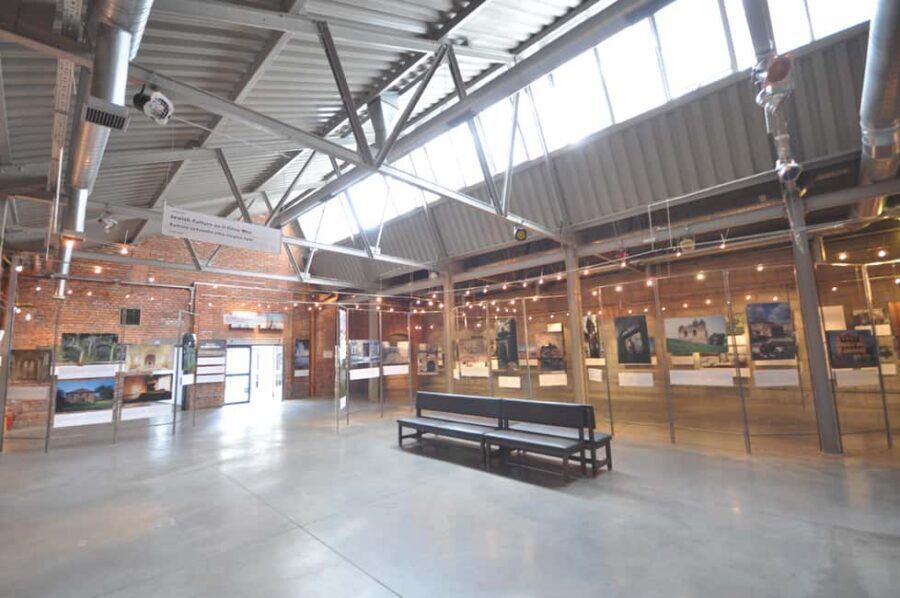
If you want Jewish history in Poland without getting lost in big, vague timelines, this museum helps you get your bearings fast. The story here is rooted in a specific region: Polish Galicia. Over 800 years of Jewish culture in that part of the country is the backbone of the permanent exhibition, which makes the museum feel less like a general overview and more like a real place with a real timeline.
That regional focus also explains the museum’s tone. Galicia wasn’t just a backdrop. It shaped community life, local identity, and daily routines. And when Nazi persecution began, it wasn’t only lives that were taken—it was the infrastructure of culture and community that was targeted and erased. This is why the museum frames the experience as both remembrance and preservation.
One more thing I appreciate is scale. The museum is described as the second biggest museum about Jewish history, so it’s not tiny, but it also doesn’t feel like a marathon. You can take your time and still make progress.
You can also read our reviews of more museum experiences in Krakow

Inside Traces of Memory: Photos, Memory, and Loss
The heart of the visit is Traces of Memory. It’s the permanent exhibition and it’s presented as a long, deliberate artistic project—twelve years of work. That matters because it helps you understand what you’re looking at: not just random images, but a curated record built to tell a story across time.
A key part of the exhibition is the photo collection created by the museum founder, Chris Schwarz. The museum presents over 140 photographs made by Schwarz, and the subject is very specific: the remnants of Jewish presence in southern Poland, the former Galicia. These aren’t meant to be decorative. They’re meant to show what remains when a community is gone, and what can be documented before it disappears entirely.
Schwarz was also the museum’s director before he died in 2007, which adds another layer. The photos come from a single sustained perspective rather than a one-time grab bag. For you, that means the exhibition tends to feel coherent, like you’re walking through one person’s long effort to keep evidence of a culture visible.
As for what you’ll actually do inside: you’ll move from photo to photo, letting each image act like a clue. The exhibition is also described as a record of the process of destruction of Jewish culture by the Nazis during WWII. That’s heavy content, but the museum’s layout and pacing give you a way to process it without rushing.
WWII Moving Pictures and the Human Scale of History
Still, photos aren’t the only medium. The highlights also include moving pictures showing Jews during WWII. This is where the museum shifts from documentation-by-image to something closer to lived time.
I like this combination because it gives your brain two kinds of understanding. Photos help you slow down and notice details—buildings, faces, evidence of everyday life. Film, on the other hand, creates motion and immediacy. Together, they make the historical story less abstract.
There’s also a practical reason to pay attention to the film section: it often changes the emotional rhythm of a visit. After you’ve spent time reading captions and studying photographs, the moving pictures can feel like a reset point—still difficult, but more direct. If you’re planning your time, consider giving yourself a moment to sit, watch, and then continue walking with that new emotional context.
Plan Your Visit: How Much Time You Need
The museum is valid for 1–2 days, but you don’t need two full days to get value from it. In practice, a focused visit can work well if you treat the museum like a reading experience, not just a walk-through.
One of the nicest things about this museum is that it’s easy to move around at your own pace. The exhibits are set up so you can spend extra time on the photos that grab you, then skim the parts that feel more familiar. A good strategy is to aim for the start of the day if you can, because early entry usually helps you reflect without constant interruptions.
A helpful rule is last entrance is 90 minutes before closing. So don’t show up right before the end and assume you can race through. If you want a calm visit, you’ll get more out of it by arriving early enough to take breaks and actually read.
In terms of pacing, the museum experience is often about a couple of hours when you’re reading captions and thinking about what you’re seeing. If you’re the type who loves photography and photo history, you might want to plan longer. The nice part is that the museum doesn’t rush you into one “correct” route.
Beyond the Gallery: Cafe, Temporary Exhibitions, and Talks
What I like about the Galicia Jewish Museum is that it’s not only a set of rooms with framed images. The museum includes several extras that turn your visit into something more like a cultural stop.
You’ll find:
- an exhibition space for the permanent collection and temporary exhibitions
- a cafe, useful for a breather after heavy content
- concerts, meetings with authors, lectures, and workshops
That matters because it changes the museum from a one-note experience into a living place. If your visit lines up with a talk or a workshop, you may leave with context that you won’t get just from looking at photos.
There’s also a bookshop with books in Polish, English, and German. The topics listed include Jewish life and culture, the Holocaust, Jewish thought, identity, and literature. If you want to take the museum’s story home, this is the most practical place to do it without guesswork.

Ticket Price and Value vs. Other Kraków Options
The price shown is $4.33 per person, which is frankly one of the better ratios in Kraków for what you get. You’re paying for a museum experience that combines photography, WWII moving pictures, and a permanent exhibition designed as a long-term artistic effort. Even if you only spend a couple of hours, the value holds up.
Now consider the pass options. If you’re using the Krakow City Pass, it includes access to 36 of Kraków’s best museums and landmarks for 1–3 days. If you have the Krakow City Card, entrance is free of charge. That can make this museum a “no-brainer” stop, especially if you’ve already budgeted for a multi-attraction pass.
Also remember: transportation isn’t included. So you’ll want to plan how you’ll reach the museum based on where you’re staying and which other stops you’re pairing it with.
Practical Notes That Affect Your Experience
A few on-the-ground details can make your visit smoother.
First, you’ll receive a separate ticket via email after booking. Only a printed version will be accepted. If you can’t print it, you can do so at Plac Szczepański 8. That’s worth taking seriously—don’t count on a phone screen working at the door.
Second, the meeting point may vary depending on the option booked, and the activity ends back at the meeting point. Plan around that so you’re not late to whatever else you’ve lined up.
Third, opening hours can differ from what you might see online, so check close to the day you go. Finally, smoking isn’t allowed, so you can plan a quick break inside or at the cafe instead of waiting outside.
Who This Museum Fits Best (and Who Might Want a Different Stop)
This museum fits you well if you:
- care about Jewish history in Polish regions like Galicia, not just broad national summaries
- love photography and photo-based storytelling
- want a museum experience that gives you time to reflect, rather than forcing a fast route
- like combining exhibitions with a cafe and the option of events like lectures or concerts
It may fit you less well if you:
- expect mostly artifacts and objects rather than images
- want a purely “hands-on” museum day (this is more about reading, viewing, and absorbing)
If you’re already planning other Kraków museum stops, this one plays a strong role. It’s not just another museum; it’s a place that connects cultural memory with documentation.
Should You Book the Galicia Jewish Museum?
Yes, I’d book it if your trip includes Kraków and you’re open to a museum visit that’s more thoughtful than casual. The price is low enough that it won’t ruin your day if you don’t love it, but the content is specific and powerful: Traces of Memory, Chris Schwarz’s photographic record, and WWII moving pictures.
Book it especially if you’re going with a plan to slow down—reading captions, looking carefully, and giving yourself time to sit with what you’re learning. If you’re rushing, you’ll miss some of the value.
If your priority is artifacts-only history, you might feel less satisfied. But for most people looking for honest context, clear visual storytelling, and a museum built to remember and preserve, this one is worth your time.
FAQ
How much does the Galicia Jewish Museum cost?
The price is listed as $4.33 per person.
How long should I plan for my visit?
The activity is valid for 1–2 days. You can check availability for starting times, and you’ll want enough time to read the exhibits at your own pace.
Where do I get the ticket after booking?
You receive a separate ticket by email after booking.
Do I need to print my ticket?
Yes. Only a printed version of the ticket will be accepted. If you can’t print it, you can print it at Plac Szczepański 8.
When is the last time I can enter?
The last entrance is 90 minutes before closing.
Is it included with a Kraków City Pass or Kraków City Card?
Yes. With the Krakow City Pass, you get access to 36 museums and landmarks. If you’re a Krakow City Card holder, entrance is free of charge.
What’s not included in the ticket?
Transportation isn’t included.
Is there free cancellation?
Yes. You can cancel up to 24 hours in advance for a full refund.