REVIEW · KRAKOW
Kazimierz District, the Wawel Hill and Cracow Old Town
Book on Viator →Operated by Polonia Y Centro Europa · Bookable on Viator
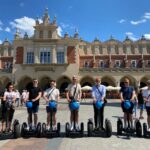
Krakow tells its story in layers. This 4-hour walk connects Kazimierz, Wawel Hill, and Krakow’s Old Town into one easy route, so the big names and big events actually make sense. The tour’s whisper system helps you catch details without craning your neck.
Two things I especially like: the chance to see Jewish and Polish landmarks back-to-back, without feeling like you’re rushing through “random stops,” and the way the guide keeps the pace steady. In the reviews, Marta gets called out for being friendly and very thorough, and you can feel that kind of planning in how the visit flows.
One thing to consider: several of the best-known interiors are optional and admission is not included for places like Remuh Synagogue, Wawel Cathedral, and St Mary’s Basilica. Add that cost if you want the inside visits, and wear shoes for walking—this route is not recommended if you have impaired mobility.
In This Review
- Key things I liked
- Starting at Szeroka Street: Kazimierz’s streets set the tone
- Remuh Synagogue and the Jewish cemetery: history you can feel
- Kazimierz squares and the Schindler’s List courtyard moment
- Wawel Hill: the Renaissance patio view and the royal “why”
- Wawel Cathedral: optional interior, huge significance
- Franciscan basilica and Wyspiański stained glass at Kanonicza and Grodzka
- Collegium Novum and Jagiellonian University: from 1364 to Copernicus
- Rynek (Main Square) and the Cloth Hall: the medieval center where money moved
- St Mary’s Basilica, Hejnał, and the tower-hour tradition
- Kraków Barbican and Saint Florian’s Gate: ending at the city walls
- Price and value for $65: what you’re paying for
- Who this tour is best for (and who should choose differently)
- Should you book this Krakow Kazimierz to Wawel walk?
- FAQ
- How long is the tour?
- Where does the tour start and what time is it?
- What is included in the price?
- Are synagogue, cathedral, or basilica tickets included?
- Is bottled water or drinks included?
- Is the tour accessible for everyone?
- What’s the cancellation policy?
Key things I liked
- Whisper system keeps explanations clear in busy areas
- Kazimierz to Wawel to Rynek makes the story of Krakow feel connected
- Remuh Synagogue and cemetery bring a reflective, historic moment
- Wawel and the Franciscan basilica add royal and religious art details
- Main Market Square plus the Cloth Hall grounds what you see in everyday medieval life
- Hejnał from St Mary’s gives you a fun, time-based cultural moment
Starting at Szeroka Street: Kazimierz’s streets set the tone
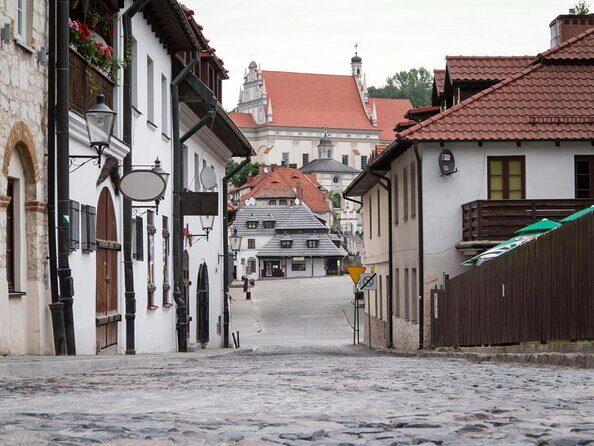
I love tours that start where the city actually lived, not where the postcards begin. This one meets at Szeroka 40 in Kazimierz, Krakow’s historic Jewish district, and that’s a smart choice. Kazimierz dates to the late 1700s as a distinct area, and by the time you’re walking Szeroka Street, you’re already in the middle of centuries of religious and civic life.
The route is easy to follow because you’re moving on foot from one major “anchor” area to another: Kazimierz, Wawel Hill, then the Old Town core around the Main Square. The start time is 9:30 am, which is great because you’ll hit the most important outdoor spaces while the streets aren’t at peak chaos.
Since it’s a private tour for your group, the guide can keep things moving at a pace that fits you better than large group tours.
You can also read our reviews of more tours and experiences in Krakow.
Remuh Synagogue and the Jewish cemetery: history you can feel
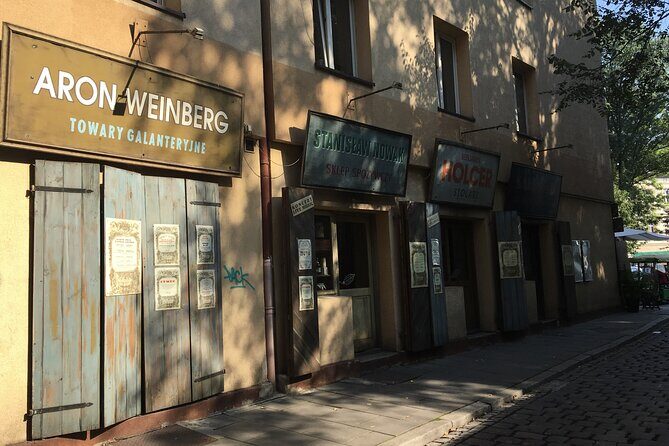
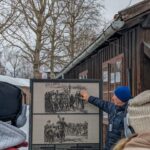
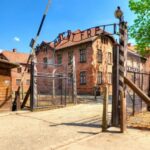
The first major stop is Remuh Synagogue (Synagoga Remuh). Even if you don’t go inside, the area sets a tone: this is not just architecture on a map—it’s a place tied to memory.
If you choose to enter, you’re looking at a 16th-century synagogue and an adjacent Jewish cemetery from the same era. The guides point out that it’s among the oldest Jewish cemeteries in Europe, and it’s closely associated with the resting place of Jewish sages, including Rabbi Moses and Natan Spira.
Practical note: the interior visit is optional, and the admission ticket is not included. If you’re interested in Jewish heritage and funerary history (without it turning into a “lecture”), this is the kind of stop you’ll remember long after the photos.
Kazimierz squares and the Schindler’s List courtyard moment
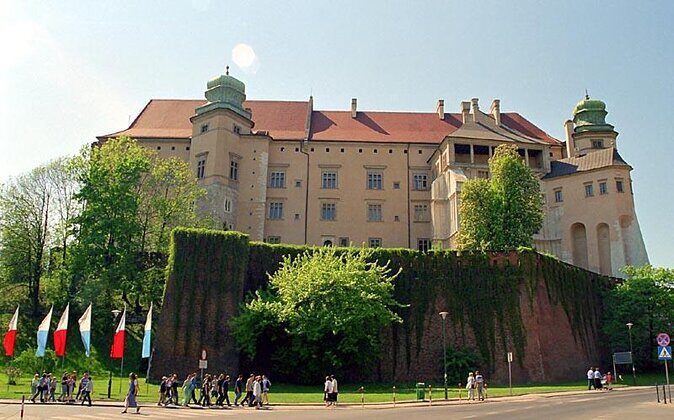
From Remuh, you move through Kazimierz with viewpoints that help you understand the neighborhood’s layout, not just its highlights. You pass Isaac’s Synagogue, then head toward Nowy Square.
Then comes a very specific, very recognizable spot: a famous courtyard between Józefa and Meiselsa streets that appears in Schindler’s List by Steven Spielberg. It’s one of those places where movies can make you notice details you’d otherwise miss—doorways, street angles, and the way buildings shape small urban spaces.
This segment is also where the whisper system shines. In a district like Kazimierz, with lots of streets and small turns, it’s easy to lose the thread unless you’re hearing the guide clearly at every stop. The system is designed so you don’t have to constantly guess what you’re walking past.
Wawel Hill: the Renaissance patio view and the royal “why”
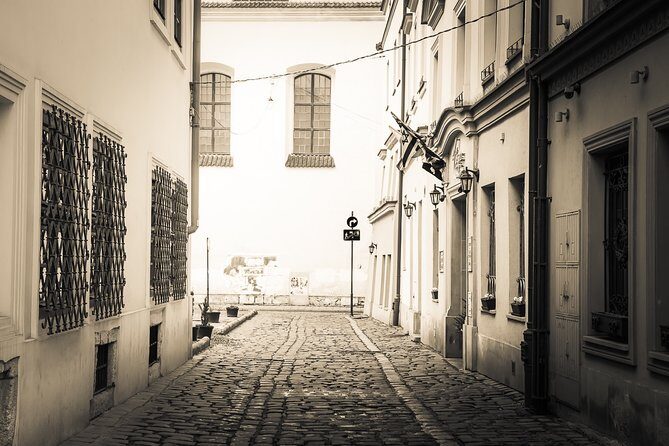
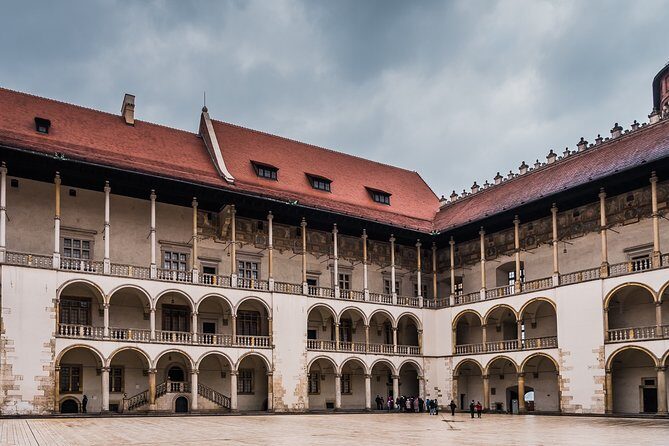
Next up is Wawel Royal Castle, but you start with a key outside moment: the castle’s patio. That matters because Wawel is big. If you only jump straight into the most famous rooms, you can miss the architectural logic.
You’ll admire a 16th-century Renaissance-style patio designed by major artists—mentioned here are Francesco Fiorentino and Bartolomeo Berrecci. Even from outside, the space helps you understand what “Renaissance” means in Krakow: structure, symmetry, and a sense that this place was built to impress.
This stop is shorter on purpose (about 15 minutes), so it stays fun instead of turning into a history marathon.
Wawel Cathedral: optional interior, huge significance
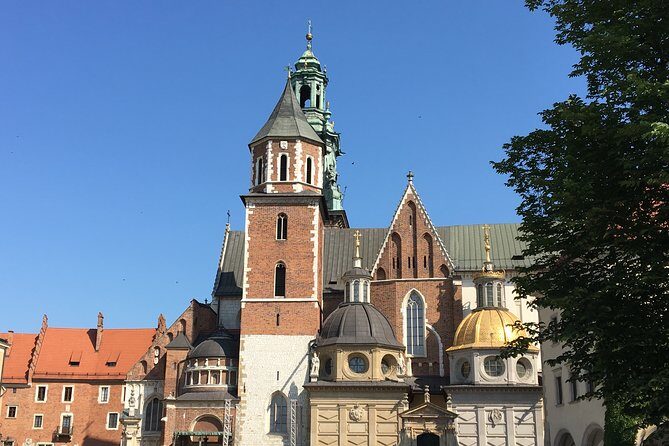
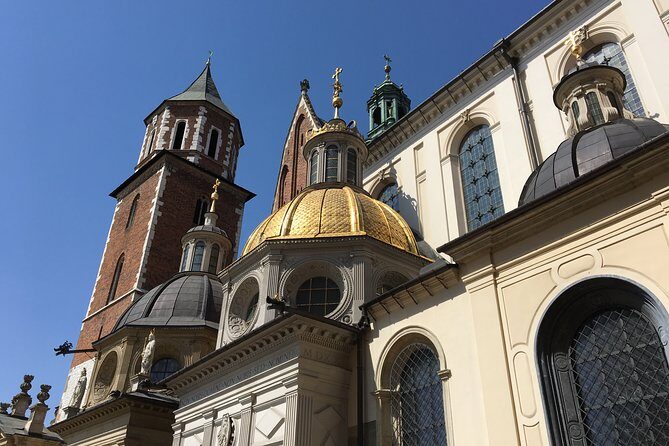
If you want the inside experience, you can enter Wawel Cathedral, dedicated to Saint Stanislas and Saint Venceslas. The cathedral has more than one thousand years of history, and it served as the place of coronations of Polish kings and the burial site for them.
That’s the kind of information that changes how you look at the building. From the outside it’s important; inside it becomes personal and historical at the same time—because you’re standing where major national rituals happened.
Time for honesty: the cathedral entry is optional and admission is not included, so you’ll pay extra if you go in. If you’re on a tight budget, you can still enjoy the exterior and keep moving.
Franciscan basilica and Wyspiański stained glass at Kanonicza and Grodzka
Walking from Wawel down the oldest streets brings you to Bazylika i Klasztor Franciszkanow—the gothic basilica of the Franciscan friars. This is one of the stops where Krakow’s religious art language becomes clear fast.
The highlights to look for are the polychromy and the modernist stained glass windows designed by Stanislas Wyspiański. Those windows can feel like a “time jump,” showing how the city kept adding layers instead of freezing its past in one era.
You’ll have about 15 minutes here, so it’s best to keep your pace focused: look, then look again. If you try to photograph everything, you’ll miss what makes the art work—how color and light shape the space.
This stop’s interior time is included in the walk; admission is listed as free for this point.
Collegium Novum and Jagiellonian University: from 1364 to Copernicus
After the religious sites, the tour heads into Krakow’s university quarter with Collegium Novum. This is a 19th-century building and it’s the seat of the rector of the Jagiellonian University.
Then you move to the medieval roots: the former Cracow Academy. The university’s founding is tied to King Casimir the Great in 1364, and the tour notes that Collegium Maius is the oldest university building from the 15th century.
Here’s the detail that makes this stop click: Nicolaus Copernicus studied in this academic setting. You’re not just learning a name; you’re connecting the idea of science to an actual place that existed long before the modern world.
These university stops are quick—10 minutes for Collegium Novum and 15 minutes for the medieval buildings—so they work as a bridge between Wawel’s power and Old Town’s civic life.
Rynek (Main Square) and the Cloth Hall: the medieval center where money moved
Then you land at Rynek—Krakow’s Main Market Square, described here as the largest medieval square in Europe. It dates back to 1257, and the timing connects to the disaster Krakow faced after the Mongolian invasion in 1241.
This square is important because it wasn’t only for official events. It was where trade happened, relationships formed, and everyday life carried on.
You’ll enter the Cloth Hall, dating back to the 13th century, and the building was remodeled in the 16th century thanks to Santi Gucci, a Florentine artist. Cloth Hall is the kind of stop that turns “history” into a practical idea: textiles, guilds, and business literally built this city’s heart.
This part is about 30 minutes, and it’s free for the activities listed.
St Mary’s Basilica, Hejnał, and the tower-hour tradition
Next is St Mary’s Basilica, which is optional. The tour frames it as the most important church for Krakow’s bourgeoisie, and inside you’ll find an impressive wooden High Altar from the 15th century. The altar was carved in linden wood by the German artist Veit Stoss and depicts scenes from the lives of Virgin Mary and Jesus Christ.
If you go in, you’ll likely appreciate it more because you’ve been walking through both Jewish and royal religious sites already. St Mary’s adds a different social angle: power isn’t only kings and priests—it’s also civic life.
Right by the basilica is the moment that’s both simple and fun: you’ll listen to the Hejnał. The guide explains it’s an old melody played each hour four times from the highest tower. This is one of those “wait for the moment” things that makes a tour feel alive.
St Mary’s entry is optional and admission is not included here. The Hejnał segment is free.
Kraków Barbican and Saint Florian’s Gate: ending at the city walls
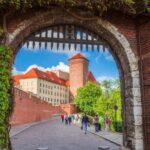
To close the walk, you head down Floriańska Street toward the Kraków city defenses: the 14th-century walls, including Saint Florian’s Gate and the adjacent Barbican.
This ending works well. After synagogues, castles, cathedrals, and university buildings, you get a practical view of Krakow as a fortified city. Walls tell you where people tried to protect their lives, trade routes, and money.
It’s about 20 minutes at the end, and it’s listed as free for this segment. You finish near the Barbican area at the end point: BarbicanBasztowa, 30-547 Kraków.
Price and value for $65: what you’re paying for
At $65 for around 4 hours, this tour offers solid value if you like your time structured. A few things make it worth it:
- You get a whisper system, which is not “extra fluff.” It helps you actually hear explanations at every step.
- The route stitches together major themes—Jewish Krakow, royal Poland, religious art, academia, and civic life—without forcing you to do separate tours.
- Several stops are free, and only certain interiors require extra admission.
You should still plan for optional costs. Remuh Synagogue, Wawel Cathedral, and St Mary’s Basilica have admission not included. Also, bottled water and drinks aren’t included, so bring a bottle or plan to buy a quick snack. For a 4-hour walk, that’s basic survival.
This is also a good fit for people who want a guided route but don’t want to feel trapped inside museums all day.
Who this tour is best for (and who should choose differently)
This experience fits best if you:
- want to understand Krakow quickly without turning it into a spreadsheet of stops
- like walking tours that explain connections, not just locations
- enjoy Jewish heritage sites plus Wawel and Old Town in one morning
It’s less ideal if you:
- have impaired mobility (it’s explicitly not recommended)
- hate walking or get tired fast—this is a multi-stop route across old streets and major areas
- want only indoor museum time, since much of the beauty here is encountered outdoors first
Should you book this Krakow Kazimierz to Wawel walk?
I’d book it if your goal is to get oriented and understand what makes Krakow tick. The combination of Kazimierz plus Wawel Hill plus Rynek hits the city’s big stories in one efficient sweep. And if Marta is your guide, you’re getting the kind of energy people talk about: friendly, helpful, and tuned into the details.
Skip or modify if you don’t want to pay extra for optional interiors, or if walking long distances on old streets is a problem. If that’s you, ask for alternatives—sometimes a shorter route around one area is the better move.
If your schedule has just one solid morning, this is a strong way to spend it.
FAQ
How long is the tour?
The tour lasts about 4 hours.
Where does the tour start and what time is it?
It starts at Szeroka 40, Kraków and begins at 9:30 am. The tour ends near the Kraków Barbican (Basztowa area).
What is included in the price?
The price includes the whisper system for better audio during the visit.
Are synagogue, cathedral, or basilica tickets included?
Not for the optional interior visits. Admission is not included for Remuh Synagogue, Wawel Cathedral, and St Mary’s Basilica. Other listed stops are free.
Is bottled water or drinks included?
No. Bottled water and coffee/tea/soda/pop are not included.
Is the tour accessible for everyone?
It’s not recommended for travellers with impaired mobility.
What’s the cancellation policy?
You can cancel for a full refund if you cancel at least 24 hours before the experience’s start time. If you cancel less than 24 hours before, the amount paid is not refunded.