REVIEW · KRAKOW
Krakow: 2h Kazimierz (Jewish Quarter) Walking Tour
Book on GetYourGuide →Operated by Krakow tours - segway, scooter, bike, walking tour in Krakow · Bookable on GetYourGuide
Kazimierz tells its story in two hours. This guided walk through Krakow’s Jewish Quarter connects everyday streets to major moments of Jewish history you’d otherwise miss. You’ll also hit key spots tied to Spielberg’s Oscar-winning film Schindler’s List and see how the area’s layers of tragedy and renewal sit side by side.
Two things I like most are the way the guide points out film-linked locations and makes them feel real, and the focus on places like the cemetery, where the story turns personal. I left with a stronger sense of how pre-war Jewish life shaped the neighborhood—and how much still remains in the streets.
One drawback to consider: this is a walking tour, so plan for real pavement time. Bring comfortable shoes and an umbrella so weather doesn’t control your mood.
In This Review
- Key Things You’ll Notice on This Kazimierz Walk
- Kazimierz in Two Hours: How the Walk Actually Feels
- From Pre-War Krakow to Hard Reality: The Stories Behind the Streets
- Street-Level Film History: Schindler’s List Locations Without the Snob Factor
- Synagogue-Related Stops and Narrow Lanes: How Daily Life Emerges
- The Cemetery Stop: Where the Tour Becomes Personal
- Modern Kazimierz Today: Cafés and Galleries With Historical Weight
- The Guide Makes the Difference: Passion, Clarity, and Real Empathy
- Price and Value: Is $34 Worth Two Hours in Kazimierz?
- Who This Tour Fits Best (and Who Might Skip It)
- Practical Tips: Shoes, Weather, and How to Pace Yourself
- Should You Book the 2-Hour Kazimierz Walking Tour?
- FAQ
- How long is the Krakow Kazimierz walking tour?
- How much does the tour cost?
- What’s included in the price?
- Are meals or drinks included?
- Are entrance fees included?
- Can I get a guide in English?
- What languages are available for the live guide?
- Is it possible to cancel for a refund?
- Does the tour offer pay later?
- What should I bring?
Key Things You’ll Notice on This Kazimierz Walk
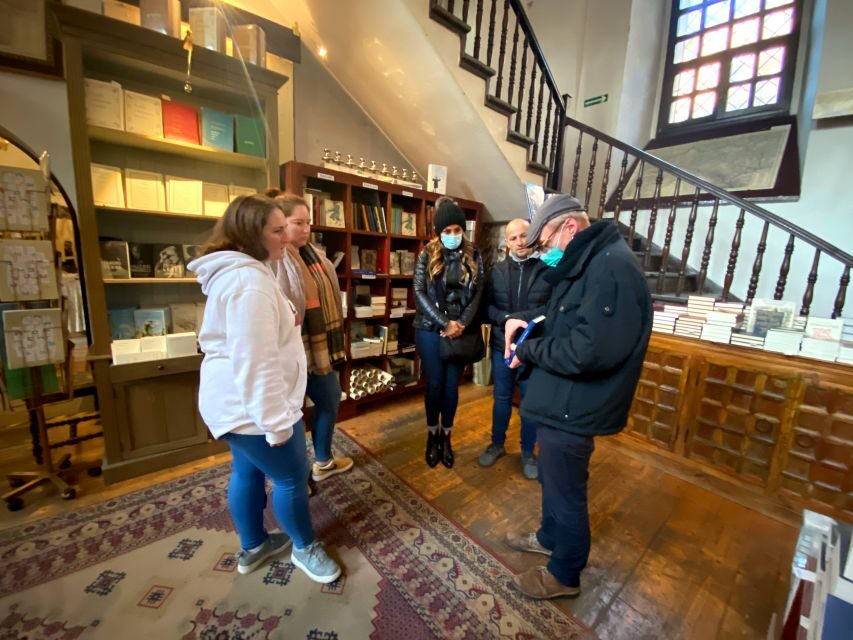
- Schindler’s List locations explained in context, not just as trivia
- Pre-war Krakow brought into focus through street-level storytelling
- Synagogue-related history and the role those places played in daily life
- A cemetery stop that adds weight and meaning to what you’ve learned
- Modern Kazimierz today—cafés, bars, galleries—without erasing what happened
Kazimierz in Two Hours: How the Walk Actually Feels
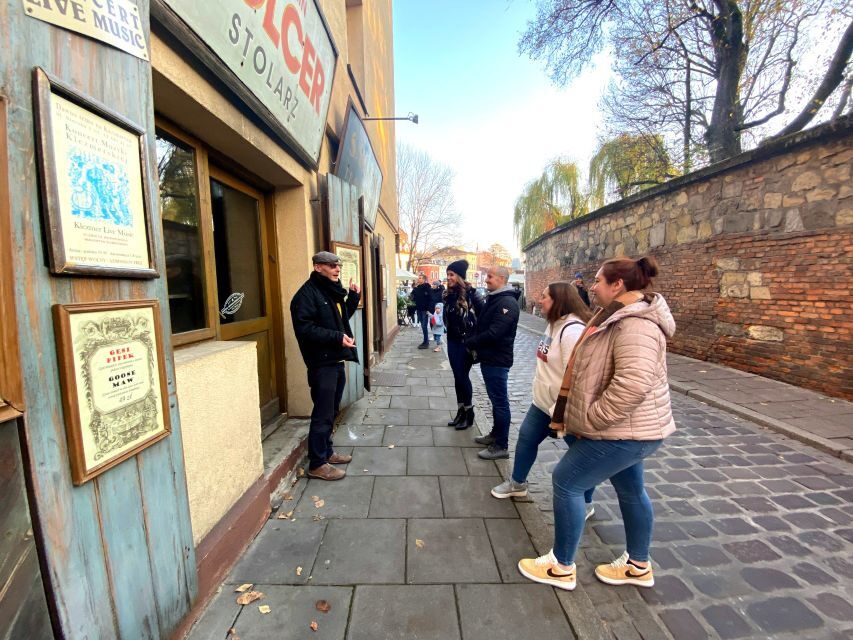
This tour is short on paper—2 hours—but it doesn’t feel rushed. The format is simple: a professional guide leads you on foot through Kazimierz, giving you the stories behind the buildings and street corners. That time window matters, because Kazimierz has a lot to take in, and you need a path that keeps you oriented.
You’ll be walking in and around a district that’s now known for design cafés, bars, and art or craft galleries. The key is that those modern details don’t replace the past; they sit next to it. Your guide helps you read the neighborhood like a timeline, where yesterday’s life and today’s energy share the same streets.
If you want a “checklist tour,” this isn’t that. You’re getting a guided sense of place—why this district mattered, who lived here, and what changed.
You can also read our reviews of more walking tours in Krakow

From Pre-War Krakow to Hard Reality: The Stories Behind the Streets
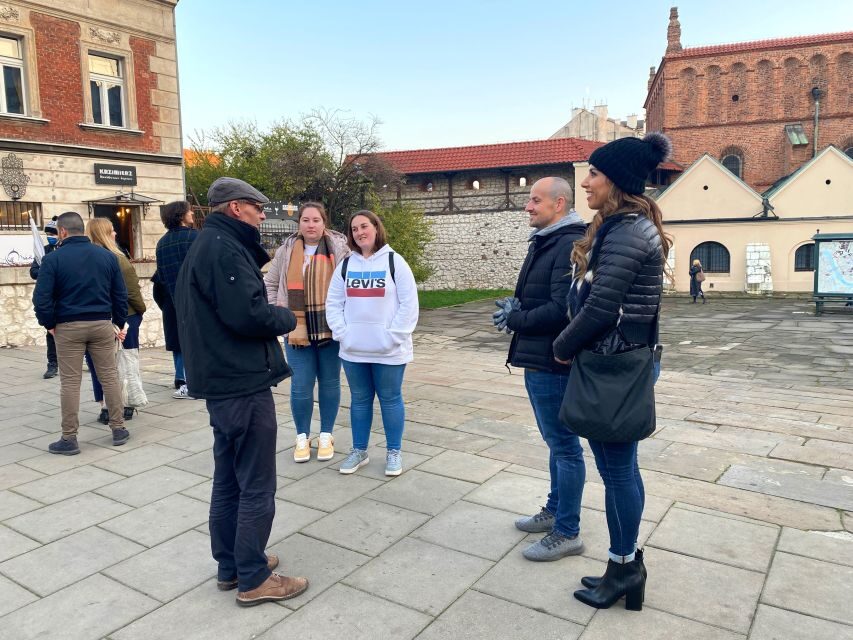
Kazimierz isn’t treated as one single story. Instead, the walk frames it as change over time: centuries of Jewish community life before World War II, then the Holocaust-era destruction that followed, and then the post-war return of the area in a new form.
I like how the tour approach makes you connect history to real physical locations. You’re not just hearing about dates; you’re seeing how the neighborhood’s layout and landmarks suggest what life used to be like. That’s where the walking format becomes useful—your brain maps the story onto the place.
A good guide also handles heavy material carefully, and the reviews for this tour reflect that kind of sensitivity. One standout comment praised a guide for answering difficult questions with empathy and openness. That matters because Kazimierz can stir strong feelings fast, and you’ll want explanations that feel thoughtful, not rehearsed.
Street-Level Film History: Schindler’s List Locations Without the Snob Factor
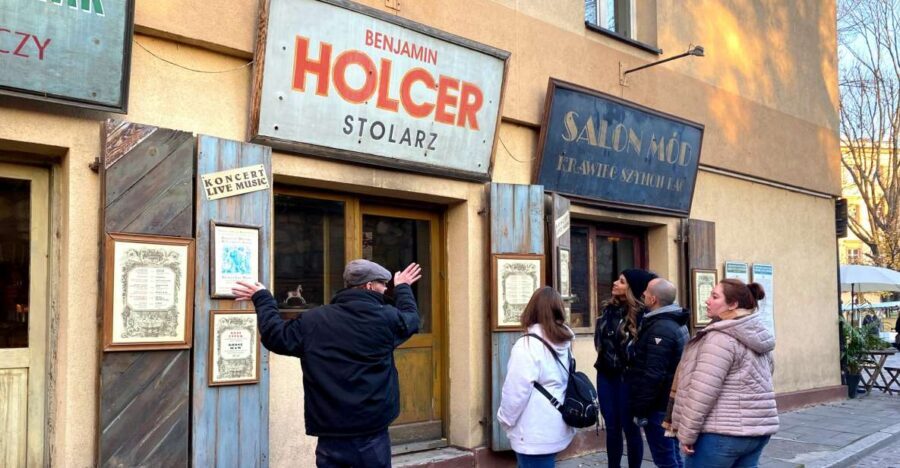
Seeing film locations is fun on its own. What makes this tour better is that it doesn’t treat Schindler’s List as a movie souvenir. Your guide ties the filming connections back to the neighborhood’s real history.
As you walk, you’ll notice how the district became a film set for one of the most famous Holocaust films ever made. The area’s architecture, cramped streets, and old-world atmosphere help explain why it worked on screen. And when your guide connects those visual details to the pre-war and wartime reality, the locations stop being “where a movie was shot” and start being “where people actually lived.”
This is also why the tour is worth doing even if you’ve already watched the film. The movie gives you a plot. The walk gives you a geography, and geography helps memory stick.
Synagogue-Related Stops and Narrow Lanes: How Daily Life Emerges
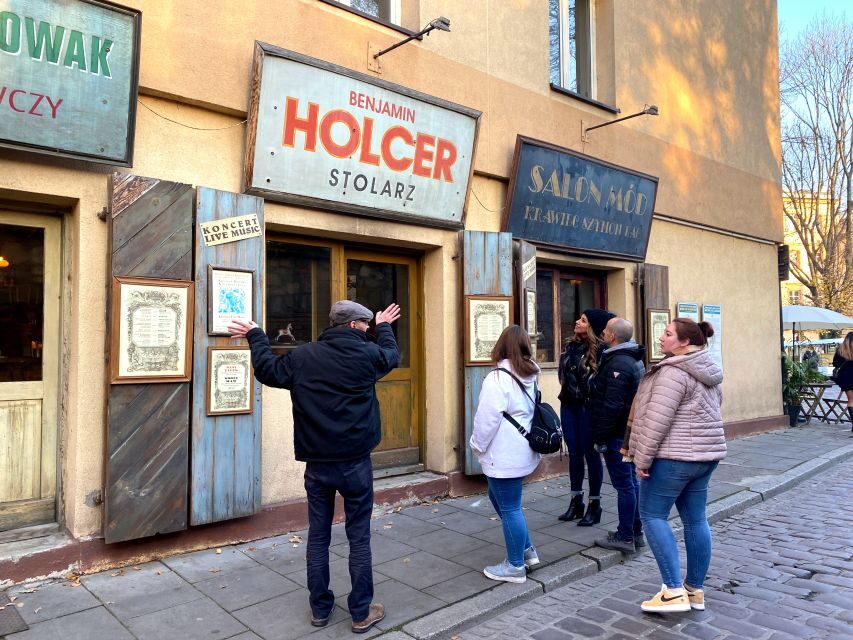
Kazimierz is famous for its Jewish heritage, and that heritage shows up through the idea of synagogue life, community institutions, and the everyday rhythm of neighborhood streets. During the walk, you should expect to hear about synagogue history and what those places meant to the community.
You’ll also cover narrow streets where the human scale is obvious. In a district like this, the street width and building lines shape how people moved, gathered, and lived. When the guide explains that context, the lanes feel less like a photo background and more like a lived-in environment.
One review described the tour as a time-travel feeling, built not from lectures but from stories and anecdotes. I agree with that vibe. The best part of this kind of history walk is when your guide turns facts into scenes—who walked where, what life looked like, and how the neighborhood functioned.
The Cemetery Stop: Where the Tour Becomes Personal
One of the most praised elements of this experience is the cemetery visit. That’s not a throw-in photo stop. A cemetery makes history heavier because it shifts the focus from events to individuals.
When your guide brings the cemetery stop into the tour, you get a different emotional angle on the same theme. You’re still learning about Jewish culture and how the district changed, but the scale and silence of a cemetery forces the story to slow down. It’s one of those moments where your brain stops speed-reading history and starts paying attention.
If you’re the kind of person who likes to understand meaning, this is where the tour earns its value. And if you’re sensitive to emotional sites, plan to take a quiet minute or two during that segment.
You can also read our reviews of more tours and experiences in Krakow





Modern Kazimierz Today: Cafés and Galleries With Historical Weight
Kazimierz is now an artistic and creative area, with designer cafés, bars, and galleries drawing people in every day. That modern life is part of the neighborhood’s story now, not just a marketing slogan.
The tour helps you notice something important: the current Kazimierz experience exists in the shadow of what happened here. Your guide doesn’t push you to ignore the past to enjoy the present. Instead, you learn how renewal can coexist with remembrance.
I found that contrast surprisingly calming. It’s easier to hold both ideas when someone points out the connection plainly. You don’t have to pretend; you just get guided context that makes the neighborhood’s layers make sense.
The Guide Makes the Difference: Passion, Clarity, and Real Empathy
This is a guide-led walking tour, and the reviews show that you’ll feel the difference in how the information lands. People praised guides for being competent and friendly, and for showing places you might not find on your own—like the cemetery.
A particularly specific detail from one review mentioned a guide named Władysław and highlighted how that guide found locations the group wouldn’t have located independently. That’s a big deal in Kazimierz. Some streets and sites look similar until someone explains what you’re standing in front of.
Another review praised a guide’s storytelling style and described the tour as an emotional, thoughtful journey rather than a dry lecture. The same review also mentioned strong contact with the group and a willingness to handle tough questions.
And language matters. This tour lists live guide options in German, French, Italian, English, Polish, Russian, and Armenian. If you’re traveling with friends who don’t speak English, you’ll likely find a match. Even if you do speak English, it’s still nice when the guide can explain nuance clearly.
Price and Value: Is $34 Worth Two Hours in Kazimierz?
At $34 per person for a 2-hour guided walk, you’re paying for structure, interpretation, and a human guide. You’re not paying just for a route on a map. The value comes from a guide connecting pre-war life, wartime history, and film connections into one walk you can actually process.
Meals and drinks aren’t included, and entrance fees aren’t included either. So this works best as a history-focused add-on you fit into your day—then you can grab food after. The tour also mentions skip-the-ticket-line, which is a perk if the walk includes locations where ticketing could slow you down. Just remember: the listing also says entrance fees aren’t included, so your budget should still handle any site costs directly.
Also, tips are accepted and appreciated. That’s typical for walking tours, and if the guide brings the neighborhood to life for you, it’s a decent way to show thanks.
Who This Tour Fits Best (and Who Might Skip It)
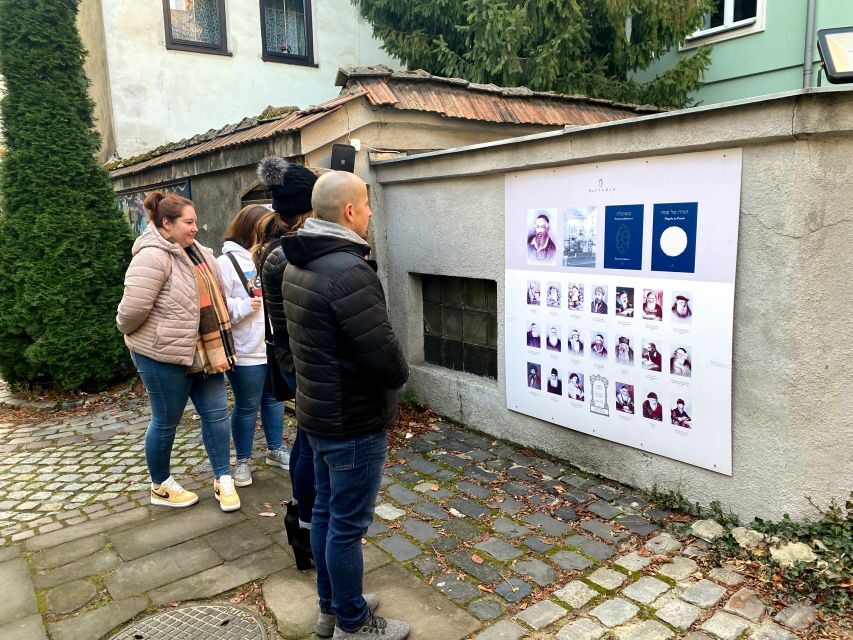
This tour is ideal if you want more than surface-level sightseeing. If you like stories tied to place—streets, buildings, cemeteries, and the way history affects what’s around you—then you’ll probably enjoy this.
It’s also a good fit if you’ve seen Schindler’s List and want the neighborhood behind the film. You’ll get context that helps the scenes make sense beyond the screen.
If you want strictly light entertainment or only the most modern part of Kazimierz, this might feel too heavy or too historical for your day. The tour’s core theme is Jewish culture and history, including Holocaust-era context. That’s not a drawback if you’re there for that purpose, but it’s worth noting.
Practical Tips: Shoes, Weather, and How to Pace Yourself
Plan for comfortable shoes because it’s a walking tour. You’ll be on your feet for the full session, and Kazimierz streets can be uneven or simply more tiring than big, flat pedestrian routes.
Bring an umbrella. The tour notes this directly, and weather in Krakow can change quickly. Even if rain doesn’t hit, you might still want the umbrella in your bag as a backup.
Finally, come ready to ask questions. The experience is story-driven, and a good guide will adjust explanations when you show curiosity—especially around complex or emotional history.
Should You Book the 2-Hour Kazimierz Walking Tour?
If you want an efficient way to understand Kazimierz, this one is a strong choice. The mix of pre-war context, Schindler’s List connections, synagogue and street stories, plus the cemetery stop creates a complete, emotionally grounded picture in just two hours.
I’d book it if you’re the kind of traveler who likes meaning and context, not just photos. I’d also book it if you want a guide who can connect tough history to real locations and still keep the walk understandable and human.
Skip it only if your ideal day in Krakow is mostly café-hopping with minimal historical focus. Otherwise, this tour is a smart way to spend your time in Kazimierz—and to leave with a clearer sense of what the neighborhood has been, and what it is now.
FAQ
How long is the Krakow Kazimierz walking tour?
The tour lasts 2 hours.
How much does the tour cost?
The price is $34 per person.
What’s included in the price?
The price includes a professional live guide.
Are meals or drinks included?
No. Meals and drinks are not included.
Are entrance fees included?
No. Entrance fees are not included.
Can I get a guide in English?
Yes. The tour lists live guide options in English, along with several other languages.
What languages are available for the live guide?
The tour offers guides in German, French, Italian, English, Polish, Russian, and Armenian.
Is it possible to cancel for a refund?
Yes. Free cancellation up to 24 hours in advance is offered for a full refund.
Does the tour offer pay later?
Yes. It offers Reserve now & pay later, so you can book and pay later.
What should I bring?
Bring comfortable shoes and an umbrella.