REVIEW · KRAKOW
Kraków: Old Town & Wawel Castle Walking Tour in English
Book on GetYourGuide →Operated by Walkative Tours · Bookable on GetYourGuide
Kraków hits you fast. This 150-minute walk threads you through the UNESCO-listed core of the city and up to Wawel Hill, where kings, churches, and the Dragon all share the same dramatic stage. I like how the route feels like a story in motion, not a random checklist, and how guides bring it alive with humor and specifics like John Paul II at the papal window and the trumpet tradition at St. Mary’s Basilica.
Two things I really like: first, you get a tight view of Kraków’s “big picture” through the Royal Route—Main Market Square, key churches, and the university quarter—without needing a private driver. Second, the guides clearly know how to pace attention. Names pop up in the feedback again and again, like Big Tom, Chris, Maciek, and Tom, with people praising both the facts and the performance style that keeps the group engaged.
One consideration: you’re walking. It’s not a sit-and-point tour, and the pace can outrun slower legs, especially if you want frequent photo stops or you get delayed catching up.
In This Review
- Key highlights I’d plan around
- Entering Kraków’s UNESCO core: Barbican to St. Florian’s Gate
- Main Market Square and the Cloth Hall: Kraków’s center of gravity
- St. Mary’s Basilica and the trumpeter tradition
- Collegium Maius courtyards: where Copernicus walked the streets
- Archbishop’s Palace and the John Paul II papal window
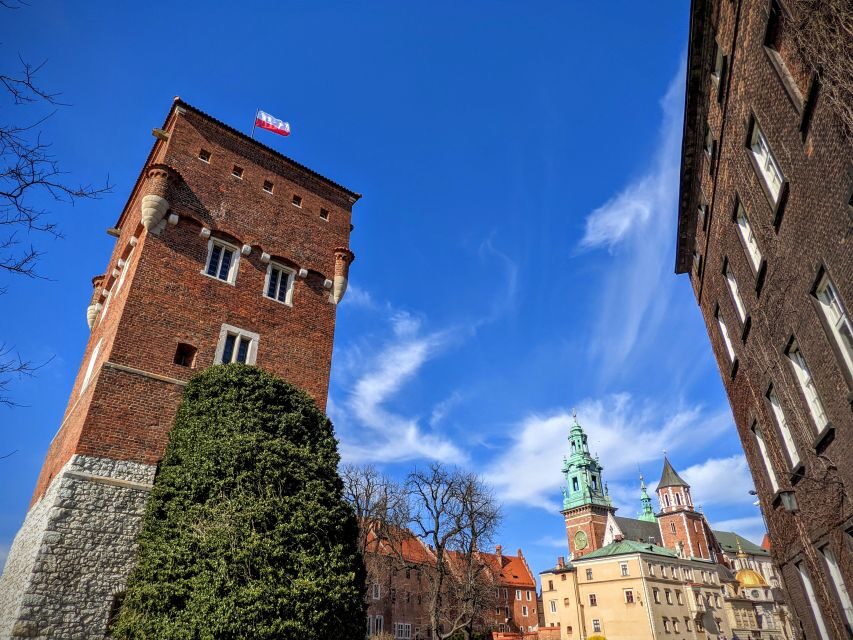
- Wawel Hill: cathedral, castle courtyards, and the Dragon
- The walking pace, the built-in break, and how long things really take
- Price and value: why $26 can feel fair
- Who should book this walking tour?
- Should you book this Kraków Old Town & Wawel tour?
- FAQ
- How long is the Kraków Old Town & Wawel Castle walking tour?
- What language is the tour guide?
- What sites are included in the route?
- Is hotel pickup included?
- Are snacks included?
- Is the tour wheelchair accessible?
- Where do I meet the group?
- Is there a break during the tour?
- What if I need to cancel?
Key highlights I’d plan around
- UNESCO Old Town focus: You’ll move through the preserved heart of Kraków, not just modern streets.
- Royal Route landmarks: Main Market Square, St. Mary’s Basilica, and Wawel Hill are built into the flow.
- Legend stops with real context: The Wawel Dragon and the trumpeter tradition are explained in place.
- Collegium Maius courtyard time: You actually visit the courtyards, including the older academic side of the city.
- John Paul II papal window moment: A 20th-century thread ties into the medieval setting.
- Group pace plus a break: Expect a short rest break for coffee or the bathroom, but keep your shoes ready.
Entering Kraków’s UNESCO core: Barbican to St. Florian’s Gate
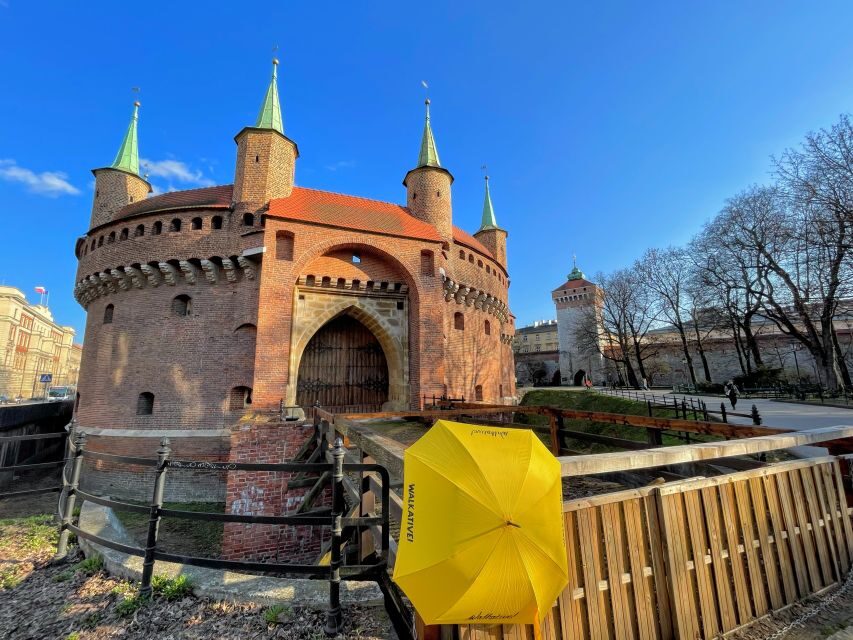
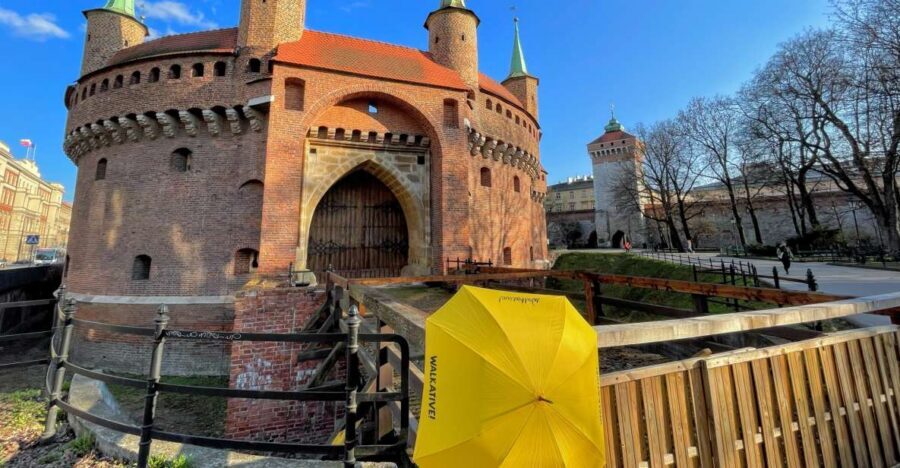
You start right at the city’s medieval perimeter story—between the Barbican and St. Florian’s Gate, the kind of starting spot that immediately tells you this tour isn’t only about big buildings. From there, you build context for why Kraków’s Old Town has survived in such recognizable form. Even before you reach the postcard squares, your guide sets the tone: this is a city that still reads like it did centuries ago.
A good walking tour begins with “where are we and why does it matter?” You’ll get that. You also get a practical gift: by the time you hit the main sights, you’ll understand the layout well enough to explore on your own afterward—without feeling lost in the maze of lanes.
If you’re coming from a hotel on the edge of town, plan buffer time to arrive early and settle in with the group. The tour is designed to cover ground fast enough that late arrivals can feel like they’re sprinting to catch up.
You can also read our reviews of more walking tours in Krakow
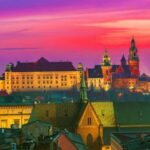
Main Market Square and the Cloth Hall: Kraków’s center of gravity
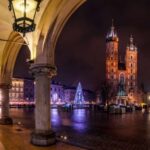
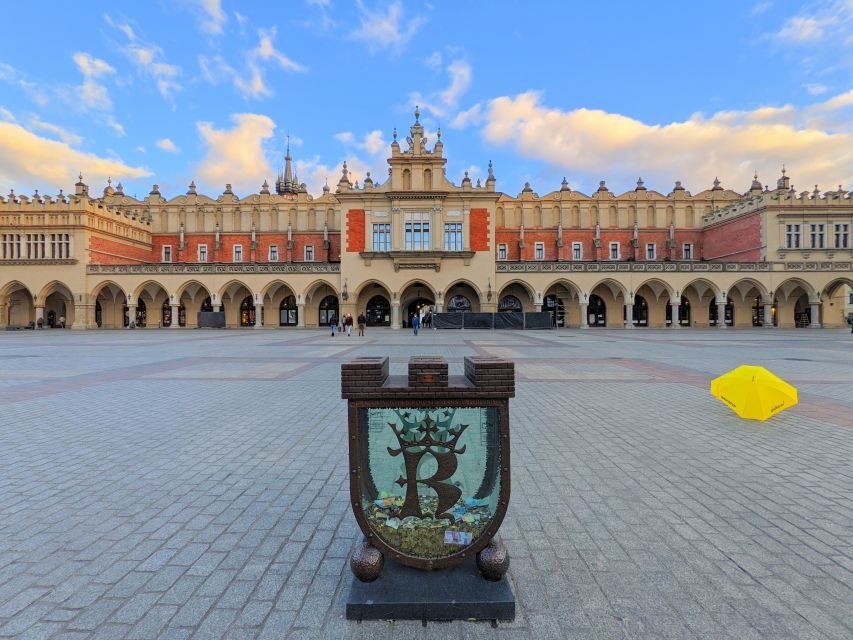
Next comes Kraków’s most famous stage: the Main Market Square and the Cloth Hall area. This is where power, trade, and everyday life overlapped. Your guide’s job here is not just to name buildings, but to explain what kind of city this was—why the square mattered, how the market functioned, and what the architecture is trying to tell you.
The Cloth Hall is especially useful as a “visual anchor.” Instead of hearing abstract history, you see a place that was built for commerce and civic identity. If you like understanding cities through how people lived and worked (not only who ruled), this stop clicks quickly.
Also, this is a good moment to take stock. If you’re planning your own free wandering later, you’ll want to remember where you are relative to the basilica and the rest of the Royal Route. The tour helps you map the city with landmarks instead of guessing.
St. Mary’s Basilica and the trumpeter tradition
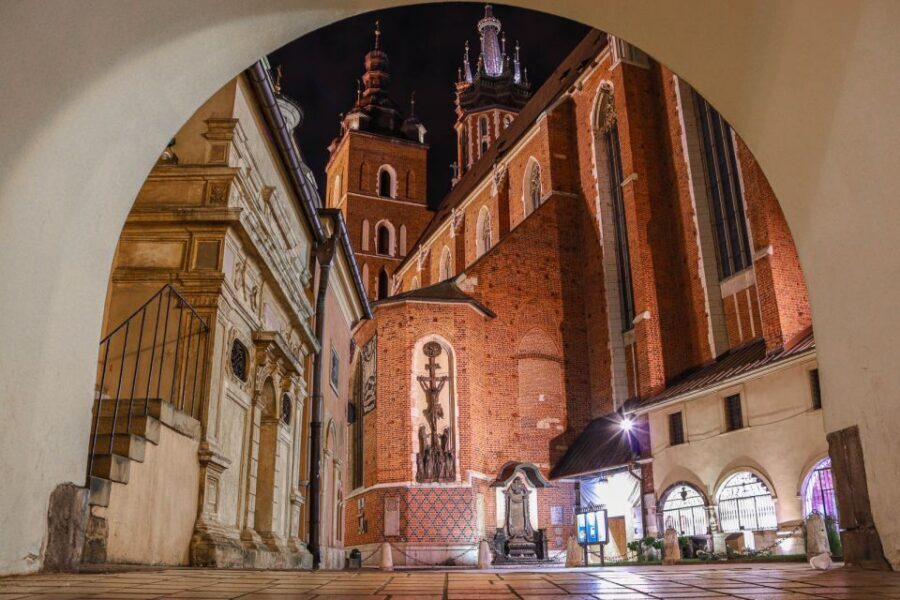
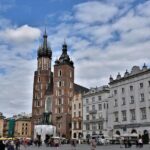
Kraków isn’t shy about ceremony. At St. Mary’s Basilica, you’ll hear how the church became part of the city’s public rhythm—especially through the famous trumpeter connection. It’s one of those “you’ll remember this” details because it sounds like a legend, but it’s tied to how the city marked time and meaning in public space.
This stop works well if you care about how architecture and tradition reinforce each other. You’ll also get a clearer sense of why Kraków’s religious monuments are not detached from daily life. In this part of town, the sacred and the civic have always been close enough to bump into each other.
One practical note: churches can mean lines, crowding, and moments where you have to share sightlines. The guide’s pacing matters, so try not to drift away from the group if you want the full thread of the explanation.
Collegium Maius courtyards: where Copernicus walked the streets
Then you get into the education and intellectual side of Kraków with Collegium Maius, including time in its courtyards. The tour frames it as part of the story of the city’s university legacy in central-eastern Europe, with a specific shoutout to Copernicus walking these streets.
Courtyards might sound like “just a courtyard,” but that’s not how it lands here. You’re looking at a physical setting shaped for learning and community, not a museum hallway. The guide’s narrative helps you see it as a working part of the city’s life—people studying, debating, and moving through spaces that still have the feel of older rules.
This is also a strong stop for photo lovers. Courtyards give you angles and textures you won’t get from the main square. If you only have one short tour day, this is one reason to choose this route: it adds depth without adding hours.
Archbishop’s Palace and the John Paul II papal window
Next, you move from university space to the political-religious thread: the Archbishop Palace and the John Paul II papal window reference. This part is valuable because it bridges centuries. Medieval Kraków is one thing. A 20th-century figure linked to that same public tradition is another.
Your guide helps you connect the dots: a place can stay recognizable while the story keeps changing. That’s a big part of Kraków’s appeal—how history doesn’t sit still. It’s more like layers you can read if you know where to look.
If you want a tour that doesn’t only live in the Middle Ages, this stop gives you balance. It’s one of the moments that can make the city feel more relevant, not just old.

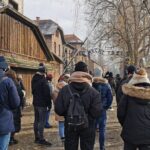
Wawel Hill: cathedral, castle courtyards, and the Dragon
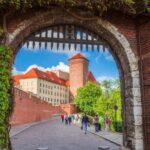
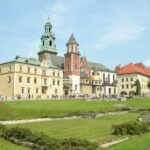
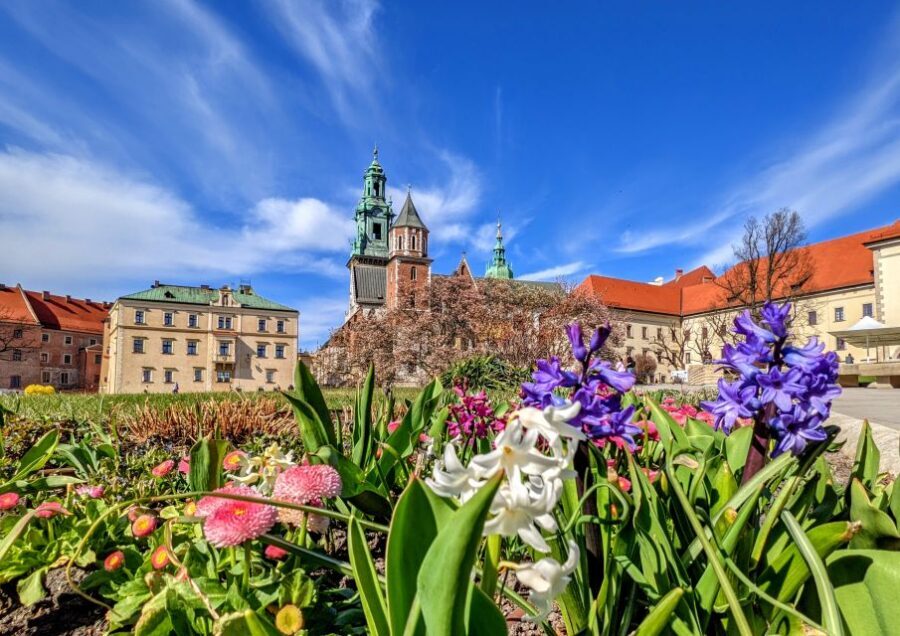
Now you climb into the big-drama zone: Wawel Hill, with the cathedral and the castle’s courtyard included. This is where stories about kings, palaces, and power become physical. Even if you’ve seen Wawel in photos, seeing it in person as you walk up makes the setting hit harder.
A key included moment is being in the Wawel Royal Palace courtyards area. Courtyards matter because they let you see scale and movement without needing a long indoor circuit. The guide also uses this time to connect legends to place—especially the Wawel Dragon, which you’ll hear explained in context rather than treated like a random tourist trick.
One caution from the real world: some people wish they had more time inside Wawel itself. That tells you what to expect. This tour emphasizes the hill, major structures, and courtyards, rather than a long interior wander.
Still, if you want the essence quickly—what the hill represents and how the different parts relate—this is a strong way to do it in just 150 minutes.
The walking pace, the built-in break, and how long things really take
This is a 150-minute walk, which is long enough to feel rewarding and short enough that you’re not stuck all day. The best part is that you see a lot of the city’s key storytelling nodes in one connected arc. The downside is obvious: it can be a tough rhythm if you’re slower on your feet or you keep stopping to read every sign.
Good news: there’s typically a short coffee or bathroom break built into the flow. That’s a relief, because it’s easy to underestimate how quickly Old Town walking adds up—especially on uneven stones.
Also, several comments mention seating options and that the guide helps keep the pace workable. The fact that people highlighted a break suggests the tour isn’t just a nonstop sprint. Just don’t count on long waits or lingering time at every doorway.
If you’re planning this for your first day in Kraków, do it early. A first-tour helps you learn where things are so your later self-guided time feels freer. When the timing is off and you do it late, you still get the sights, but you lose some of the practical benefit.
Price and value: why $26 can feel fair
At $26 per person, you’re paying for a guided route with an expert local guide, a strong narrative, and included courtyard time at places like Collegium Maius and Wawel Royal Palace.
Here’s the part that changes how you think about value: booking this tour joins a general pay-as-you-wish structure. In other words, the amount you pay covers the reservation fee and the guide’s payment. That means you should plan to adjust your final tip amount based on your satisfaction and what your guide delivered—because that’s how the system works.
What’s not included: snacks (so eat beforehand or bring something light if allowed) and hotel pickup/drop-off (you’ll be meeting the group at the Barbican/St. Florian’s Gate area). Also, the tour is positioned as a walking experience, so comfortable shoes are part of the budget, even if they’re not listed as an add-on.
If you’re comparing options, I’d treat this as a high-value “orientation + storytelling” tour. You’re not only buying access to a few sites; you’re buying the connections between them—why Kraków arranged its power, education, and faith around the same streets.
Who should book this walking tour?
This fits best if you:
- Want a single morning/afternoon to cover major Old Town + Wawel Hill highlights in English.
- Enjoy guides who use humor and clear explanations, not dry recitations. Names like Maciek, Chris, Big Tom, Tom, Lucy, Jacek, and Victoria show up repeatedly in feedback for a reason: the style tends to keep people listening.
- Like legends explained with real geography—like the Wawel Dragon—rather than just pointed out.
Consider a different plan if:
- You need lots of interior time inside major buildings. This route focuses on the cathedral/castle-courtyard experience and other key stops, so don’t assume a long museum-style visit.
- Your group members walk slowly and need frequent re-grouping. The pace can matter.
Wheelchair accessibility is listed, so if you use a mobility aid, it’s worth checking with the provider about the exact walking surfaces and spacing before you go.
Should you book this Kraków Old Town & Wawel tour?
Yes—if your goal is to understand Kraków quickly and properly, without bouncing between tickets and transit decisions.
Book it when:
- You have limited time and want the UNESCO Old Town core plus Wawel Hill in one connected walk.
- You want a guide who blends facts with stories. The repeated comments about humor and passion suggest you’ll get more than dates and names.
Maybe skip it or pair it with something else if:
- You’re mainly after long indoor access to Wawel interiors. This tour’s strengths are courtyards and big sightlines, not a prolonged inside visit.
If you choose it, arrive a little early, wear shoes you trust on cobblestones, and come ready to walk and listen. You’ll leave with a city map in your head—and a few stories you’ll actually remember.
FAQ
How long is the Kraków Old Town & Wawel Castle walking tour?
The tour lasts about 150 minutes.
What language is the tour guide?
The tour is offered with a live English-speaking guide.
What sites are included in the route?
You’ll see the medieval city walls and the Barbican, Main Market Square with the Cloth Hall, St. Mary’s Basilica (including its famous trumpeter), Collegium Maius (including courtyards), the Archbishop Palace with the John Paul II papal window, Wawel Hill with the cathedral and castle courtyard, and the Wawel Dragon.
Is hotel pickup included?
No. Hotel pickup and drop-off are not included.
Are snacks included?
No. Snacks are not included.
Is the tour wheelchair accessible?
Yes, it’s listed as wheelchair accessible.
Where do I meet the group?
You meet in the small space between the Barbican and St. Florian’s Gate.
Is there a break during the tour?
A review mentions about a 15-minute coffee/bathroom break partway through the tour.
What if I need to cancel?
Cancellation is free up to 24 hours in advance for a full refund.