REVIEW · KRAKOW
Krakow: Kazimierz Jewish Quarter Walking Tour
Book on GetYourGuide →Operated by excursions.city · Bookable on GetYourGuide
Kazimierz has a way of pulling you in fast. This walking tour takes you through Kraków’s former Jewish heart and focuses on real places tied to faith, daily life, and community, not just big names. I especially like the way guides explain the story in a simple, human way (people like Fil, Barbara, and Olga show up again and again in the feedback), and I like that you get a licensed local guide who answers questions with context. Old Synagogue to Remuh Cemetery, you walk through centuries with a clear thread of coexistence and survival.
One watch-out: synagogue access depends on the option you pick. If you choose the shorter format, entrance isn’t always included, so check before you go.
In This Review
- Key points to know before you go
- Kazimierz in One Walk: Why This Quarter Feels Different
- Starting at the Old Synagogue Steps (and Getting Oriented Fast)
- Szeroka Street: The Center of Kazimierz Life
- The Synagogue Stops: More Than a Photo Stop
- Old Synagogue: Where Polish Jewish Heritage Survives
- Remuh Synagogue and Cemetery: A Place Still Touched by Today
- Kupa Synagogue: Remembering the Community’s Poorest Members
- Tempel Synagogue: From Worship to Culture
- Courtyards, Courthouse Energy, and the Story Behind Coexistence
- Plac Nowy: Where the Walk Connects to Present-Day Kraków
- How Long You Should Choose: 90 Minutes vs 2 Hours
- The Walk Itself: Pace, Stops, and How to Keep Photos Respectful
- Price and Value: Is $27 Worth It in Kraków?
- Who This Tour Fits Best
- Should You Book This Kazimierz Jewish Quarter Walking Tour?
- FAQ
- FAQ
- Where do I meet the guide?
- How long is the Kazimierz Jewish Quarter walking tour?
- How much does the tour cost?
- Are synagogue entrances included?
- What languages are available for the tour?
- Does the tour run in bad weather?
- Is it a private tour?
- What time should I arrive?
Key points to know before you go
- Meet at the Old Synagogue steps with an excursions.city sign, then get your bearings right away
- Szeroka Street first, where you can see the 16th–18th century feel of Kazimierz
- A synagogue circuit that can include the Old Synagogue, Remuh area, Kupa Synagogue, and Tempel Synagogue (depending on your option)
- Plac Nowy adds a present-day break with cafés, markets, and local life
- Respect and context matter here, and the best guides keep the tone thoughtful and clear
Kazimierz in One Walk: Why This Quarter Feels Different
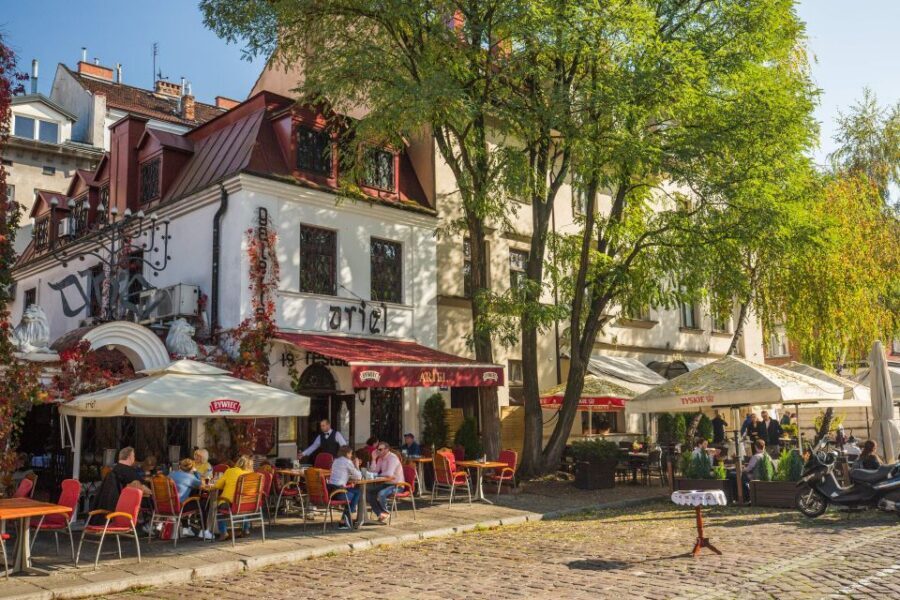
Kazimierz isn’t a theme park. It’s a neighborhood where streets still hold memory—prayers, arguments over ordinary stuff, wedding plans, quiet routines—and you can feel that when you slow down and listen.
This tour is interesting because it doesn’t treat Jewish history as a side note. You hear how people lived, what shaped daily faith, and how communities interacted over time. One of the most praised parts is the way guides connect details into a story you can actually follow, with names, traditions, and big historical turns explained in plain language.
You can also read our reviews of more walking tours in Krakow
Starting at the Old Synagogue Steps (and Getting Oriented Fast)
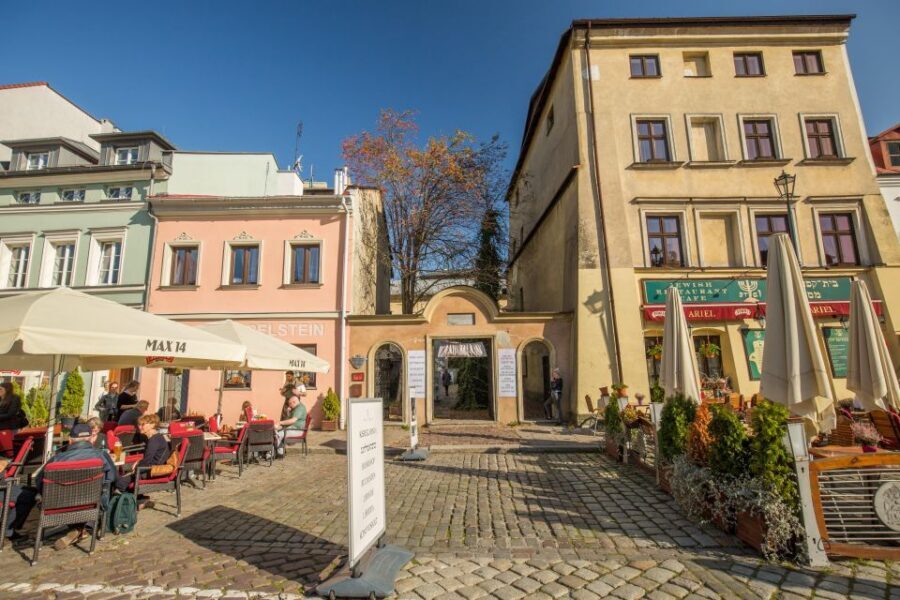
You meet on the steps of the Old Synagogue, and your guide holds an excursions.city sign. That matters more than you’d think, because Kazimierz streets can look similar from block to block and you’ll want to start with a correct mental map.
From the start, the tour sets a respectful pace. You’re not racing to photos. You’re walking with a narrative, so each corner has a reason, and you’re less likely to miss why a courtyard or side street matters.
If you like practical tours, this one fits. The route is manageable for a walking couple of hours, and many people mention the pacing as a big win—enough time to understand, without turning into an all-day slog.
Szeroka Street: The Center of Kazimierz Life
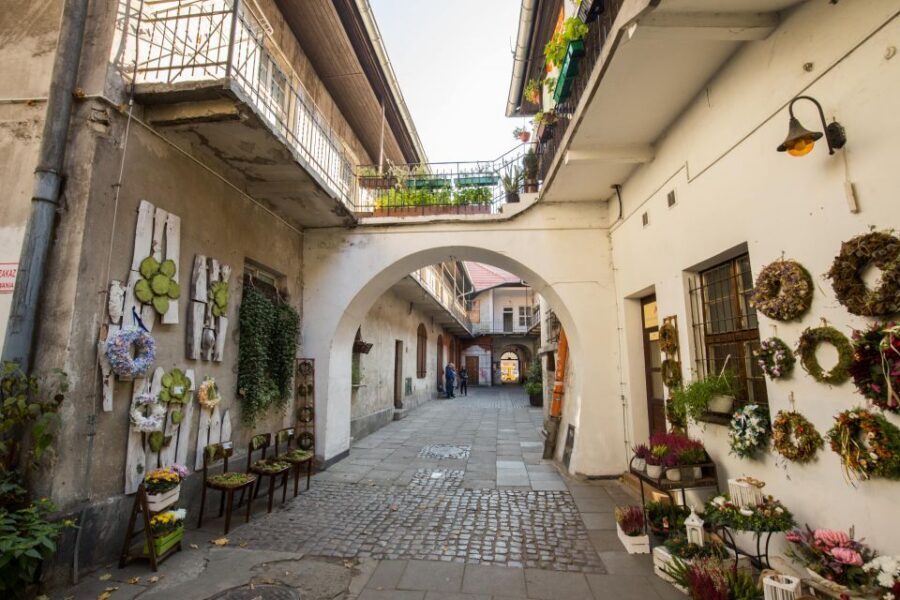
Szeroka Street is the heartbeat of Kazimierz, once the center of Jewish community life. Walking it, you’ll notice how the street still reads like an old neighborhood, with that 16th–18th century architecture vibe that frames the whole district.
This is where the tour earns its keep. Instead of only naming synagogues, you’re shown how the community functioned—where people gathered, how traditions shaped everyday choices, and why certain places became landmarks. The result is you don’t just visit buildings. You understand what those buildings were for.
A good guide also adds helpful detail about what you might see as you move along: doors, courtyards, and the way side streets open up. That kind of orientation turns a walk into something you can repeat on your own afterward.
The Synagogue Stops: More Than a Photo Stop
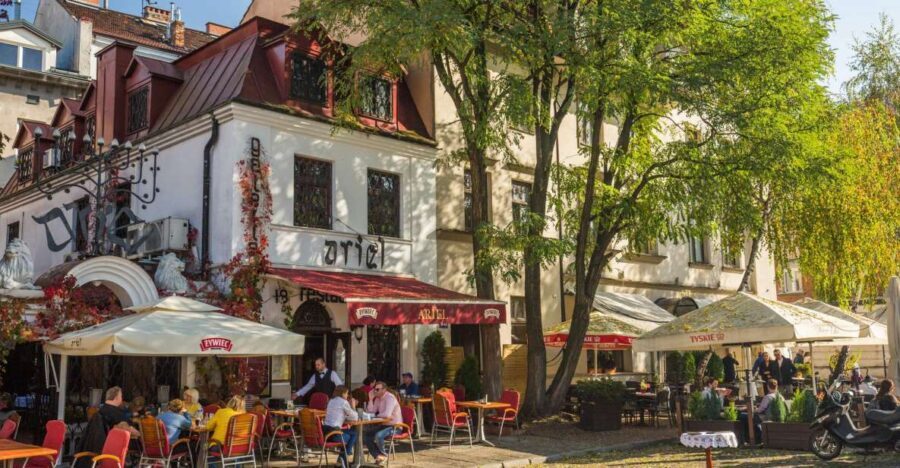
The core of the experience is a thoughtful synagogue circuit. You’re likely to encounter key sites such as the Old Synagogue, Remuh Synagogue and Cemetery, Kupa Synagogue, and the Tempel Synagogue area—though which ones include entrance can depend on the option you choose.
Old Synagogue: Where Polish Jewish Heritage Survives
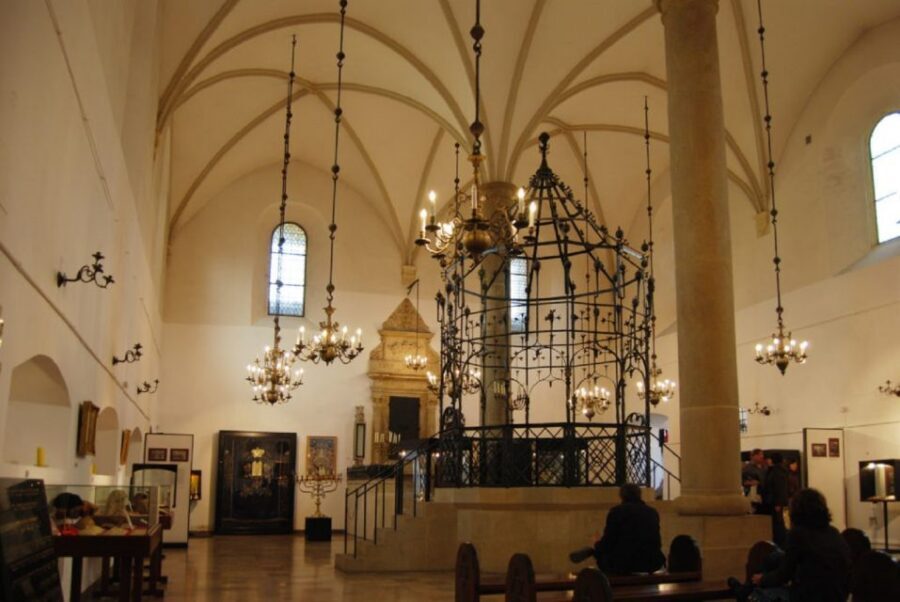
The Old Synagogue is the oldest surviving synagogue in Poland, and it’s now a museum dedicated to Jewish history and faith. Even if you’ve visited other Jewish historical sites, this one hits differently because it’s tied to continuity—place as a living record.
What makes this stop work on a walking tour is the framing. A guide helps you connect the building’s age and function to what Jewish life looked like across generations. You’ll spend time understanding the site rather than treating it like a quick badge.
Remuh Synagogue and Cemetery: A Place Still Touched by Today
Remuh Synagogue and the cemetery area bring a different tone. It’s a sacred site still visited by pilgrims, so the atmosphere is quieter and more serious.
This part is valuable because it explains reverence without turning it into a lecture. You learn how faith shows up through ritual space and why burial grounds remain meaningful long after historical events.
If you’re the type who likes understanding how people practice—not just what happened—this stop should land well.
Kupa Synagogue: Remembering the Community’s Poorest Members
The Kupa Synagogue is tied to the poorest members of the community. That detail matters, because it pushes you beyond the usual “famous leaders and big events” story.
A strong guide connects this to how support systems worked and how community institutions reflected inequality. You walk away with a clearer picture of daily life, not just major milestones.
Tempel Synagogue: From Worship to Culture
The Tempel Synagogue functions today as an active cultural hub, hosting concerts and festivals. Seeing a historic religious building used in present-day public life helps you understand how traditions and communities adapt.
This stop also prevents the tour from becoming only heavy. It’s still grounded in place and meaning, but it gives your brain a breather.
Courtyards, Courthouse Energy, and the Story Behind Coexistence
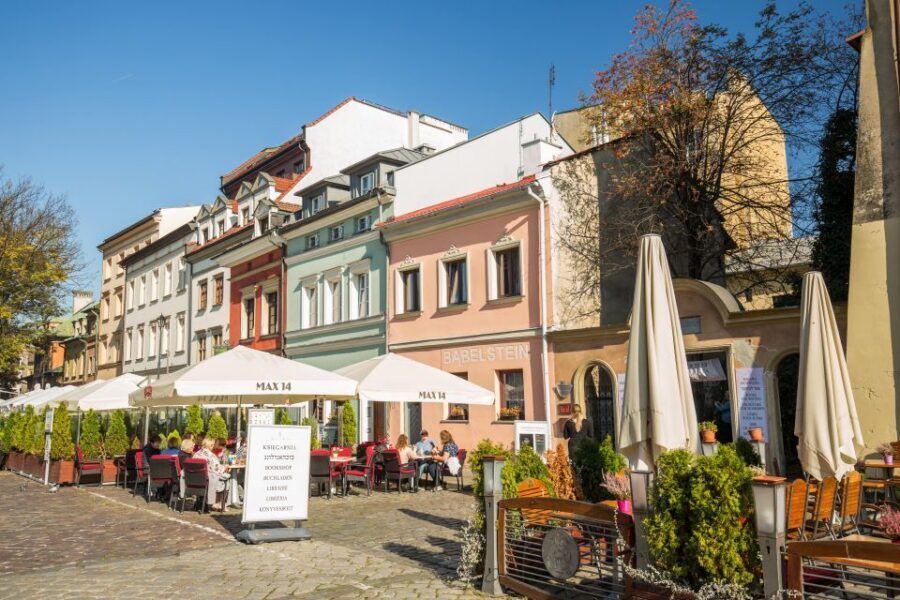
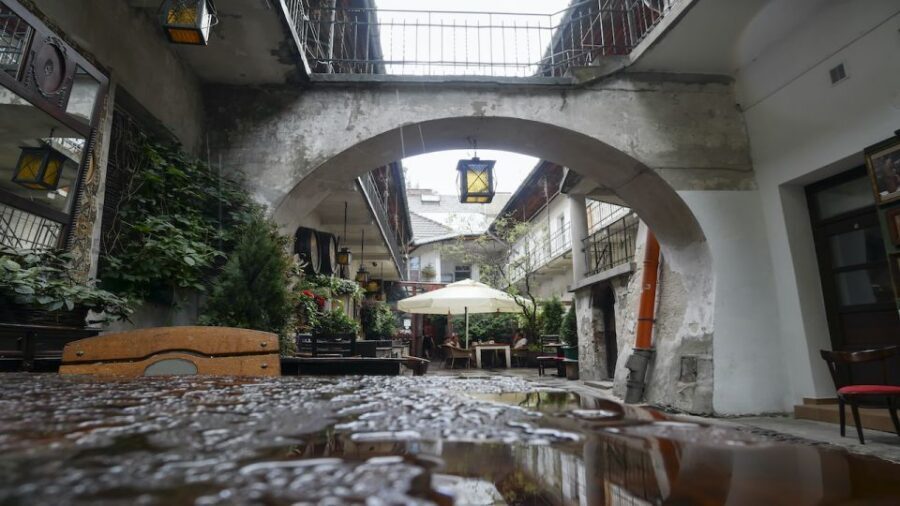
Kazimierz has lots of small spaces—courtyards and side lanes—that are easy to walk past on your own. On this tour, those nooks are used for meaning. Your guide points out why certain spaces mattered for community life and how different faiths lived side by side through changing eras.
This theme of coexistence shows up repeatedly in the way guides structure the talk. You hear about faith and daily routine, then you hear how the neighborhood’s identity shifted over time—so you understand the district as a living place under pressure, not a static postcard.
Many guides are praised for empathy and clear, context-heavy explanations. You’ll feel that most when the tour moves from architecture into human stories.
Plac Nowy: Where the Walk Connects to Present-Day Kraków
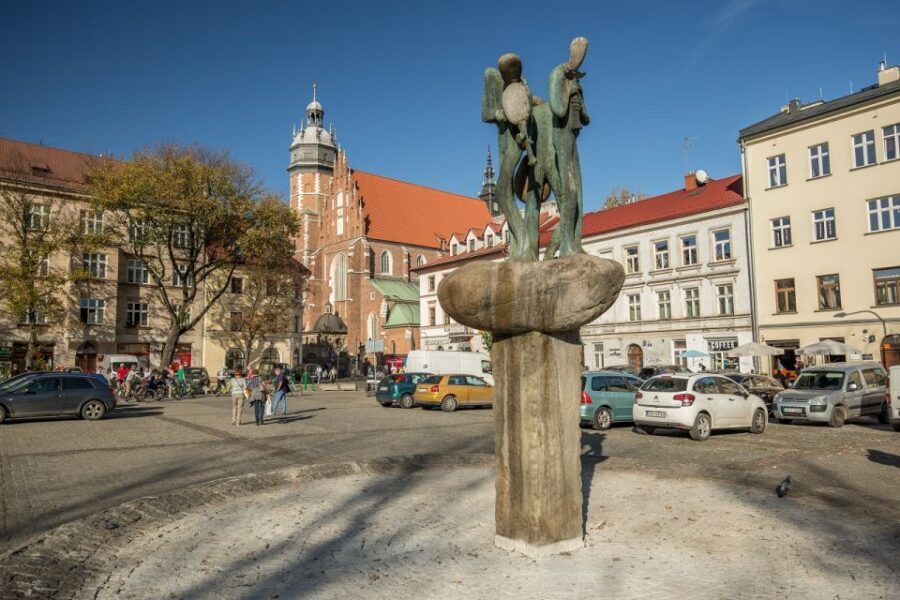
Plac Nowy is the kind of square that brings the tour back to the here and now. Markets, cafés, and art spots give you a sense of how Kazimierz operates today.
I like this stop because it helps you process what you just learned. After synagogues and cemetery space, you don’t want to keep carrying everything in one heavy block. Plac Nowy gives a normal rhythm again: coffee breaks, casual chatter, and everyday city life.
This is also a good place to orient yourself if you want to extend your day. You’ll have a better idea of where you might wander next without getting lost.
How Long You Should Choose: 90 Minutes vs 2 Hours
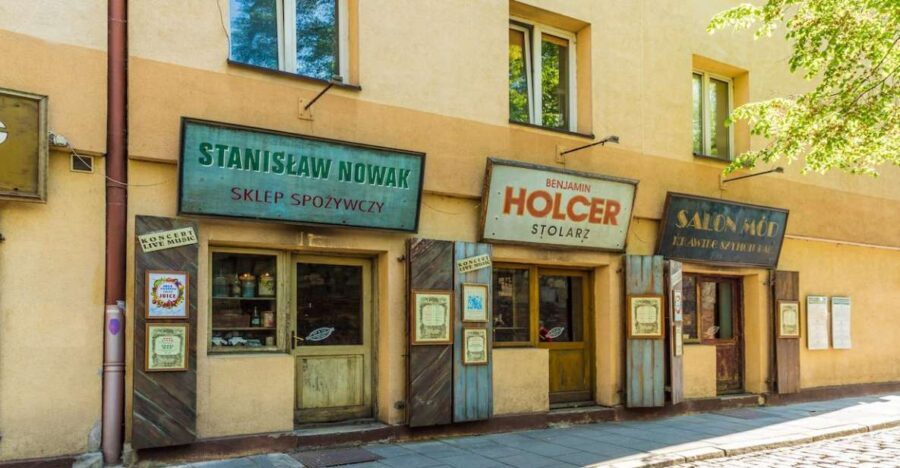
This tour runs 90 minutes to 2 hours, and the big difference is what you’ll include. Entrance to synagogues is included only in the 2-hour option, while the shorter option notes entrance isn’t included.
So here’s the practical choice:
- If synagogues and interiors matter to you, go for the longer format so entrance isn’t a surprise trade-off.
- If you want the core story and main landmarks without synagogue entry time, the shorter format can still work.
Either way, the tour is designed as a walk-and-talk experience. You’ll spend time listening, not just moving between buildings.
The Walk Itself: Pace, Stops, and How to Keep Photos Respectful
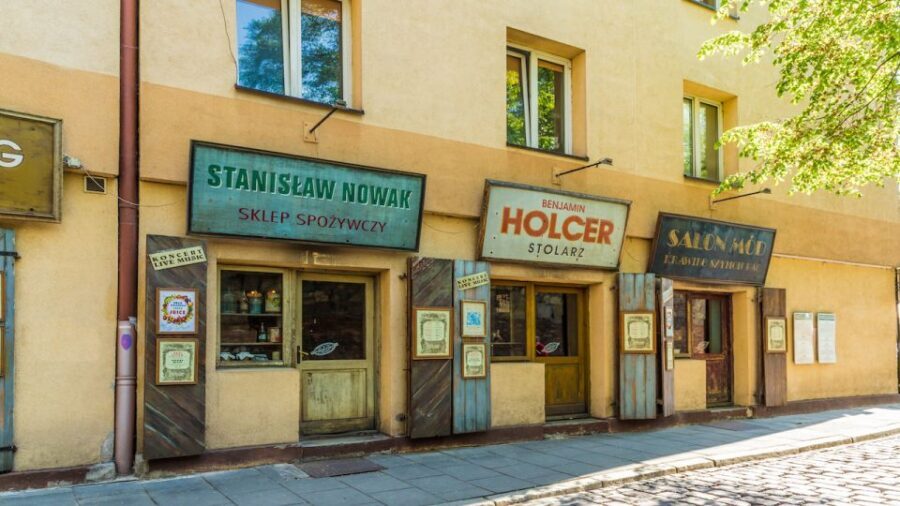
Kazimierz is walkable, and the route is usually described as manageable. That means you can wear comfortable shoes and expect a steady rhythm without sprinting.
Photo stops happen naturally, but the tone stays respectful. You’ll be in sacred and historical spaces, so it’s smart to keep your phone put away until your guide signals what’s appropriate. When the guide brings up rituals or cemetery context, treat that moment like part of the tour, not a background moment.
One more small tip: if you’re cold or wet, plan for it. The tour goes ahead in all weather, rain or shine. I’d rather you show up dry and thoughtful than rushing because you’re uncomfortable.
Price and Value: Is $27 Worth It in Kraków?
At $27 per person for a 90 minutes to 2 hours walking tour, the value is mainly about three things: the licensed local guide, the structured route through major Kazimierz sites, and the synagogue access (if you pick the longer option).
Guides seem to be the real differentiator here. People repeatedly mention guides who can explain history in a fun-but-clear way, not in a dry timeline dump. Names like Fil, Barbara, Joanna, Kristof, Olga, and Phillip/Philip come up often, and the common thread is clarity plus empathy.
If you choose the 2-hour option with synagogue entrance included, the price feels even more reasonable because you’re not just walking past places—you’re getting inside and understanding what you’re seeing.
If you’re on a tight schedule, you can still get value from the shorter format, but you’ll want to set expectations around entrances.
Who This Tour Fits Best
This is a great match if you want:
- A focused walk through Kazimierz with context you can follow
- A story that includes faith, coexistence, and community life
- Historic places explained in human terms, not only facts
It’s also a strong pick if you’re the kind of visitor who likes questions. Many guides are praised for answering with context, which usually means you’ll get better answers than you’d find wandering on your own.
If you only want top-of-the-line architecture photos and zero context, you might find the talking portion less fun. But if you like meaning behind places, you’ll likely enjoy this.
Should You Book This Kazimierz Jewish Quarter Walking Tour?
Yes—if you care about understanding Kazimierz as a lived neighborhood, not just a collection of old buildings. I’d lean toward booking, especially if you choose the 2-hour option so synagogue entrance is included.
Book this tour if you want a clear route, a guide who handles heavy history with care, and time to see sites like the Old Synagogue, Remuh Cemetery area, Kupa Synagogue, and the Tempel Synagogue area, plus Plac Nowy after.
Skip it only if you’re short on time and you know you won’t want synagogue interiors at all. In that case, the shorter format can still work, but read the entrance expectations first.
FAQ
FAQ
Where do I meet the guide?
Meet on the steps of the Old Synagogue. Your guide will hold an excursions.city sign.
How long is the Kazimierz Jewish Quarter walking tour?
It runs about 90 minutes to 2 hours.
How much does the tour cost?
The price is $27 per person.
Are synagogue entrances included?
Entrance to a synagogue is included only in the 2-hour option. In the 1.5-hour option, synagogue entrance is not included.
What languages are available for the tour?
The tour offers English, Spanish, Italian, German, French, Russian, Swedish, Slovak, and Portuguese.
Does the tour run in bad weather?
Yes. The tour goes ahead in all weather, rain or shine.
Is it a private tour?
Yes, a private group is available.
What time should I arrive?
Arrive 10 minutes before the tour begins. Once the group has departed, latecomers can’t join and tickets can’t be refunded.
If you tell me your travel month and which time option you’re considering (1.5 hours or 2 hours), I can help you choose the better fit for your schedule.