REVIEW · KRAKOW
Krakow: City Pass With Transport
Book on GetYourGuide →Operated by Discover Cracow · Bookable on GetYourGuide
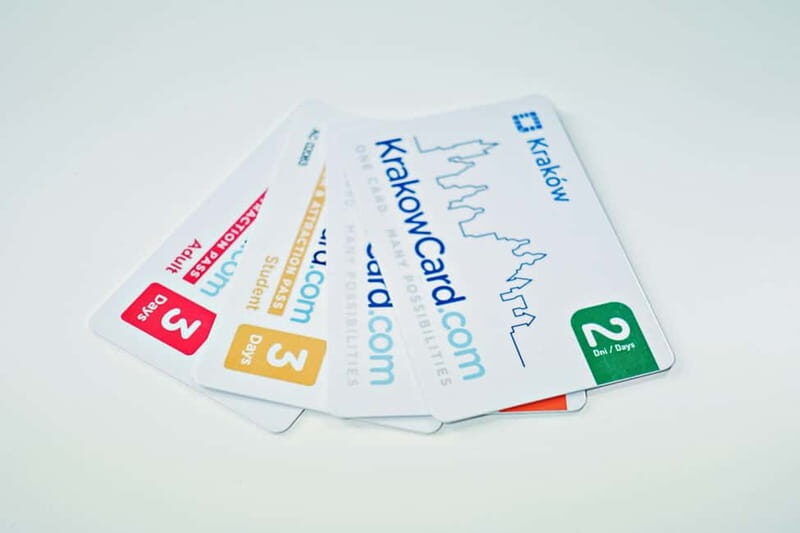
Krakow gets easier with one smart card. This City Card is built for self-guided sightseeing: you pick your stops, you move when you want, and one pass opens doors to 35 museums and monuments across the city. What I like most is that it also connects you to Krakow’s everyday rhythm—if you choose the option, you get unlimited public transport so museum-hopping doesn’t feel like a logistical puzzle. It’s also a strong fit for people who want Holocaust-era history in context, with key sites like Schindler’s Factory and the Eagle Pharmacy in the former ghetto.
There’s real value here, and the card can save time when you’re trying to hit lots of smaller exhibitions close together. The main drawback is planning: even with the pass, some places still require advance booking or a separate ticket process, and a number of museums shut down on Mondays. Add in the fact that Schindler’s Factory is closed on Mondays (and on the first Tuesday of each month), and you’ll want to map your days early.
In This Review
- Key things that make this Krakow City Pass work
- Price and value: what $35 buys you in real life
- How the card timing works (days, not hours)
- Getting your Krakow Card: pickup in the city center area
- Transport option: unlimited trams and buses
- The big trio for history: Schindler’s Factory, Eagle Pharmacy, and the Main Market Square Underground
- Schindler’s Factory: plan the one ticket you can’t wing
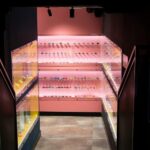
- Eagle Pharmacy: WWII history you can actually locate
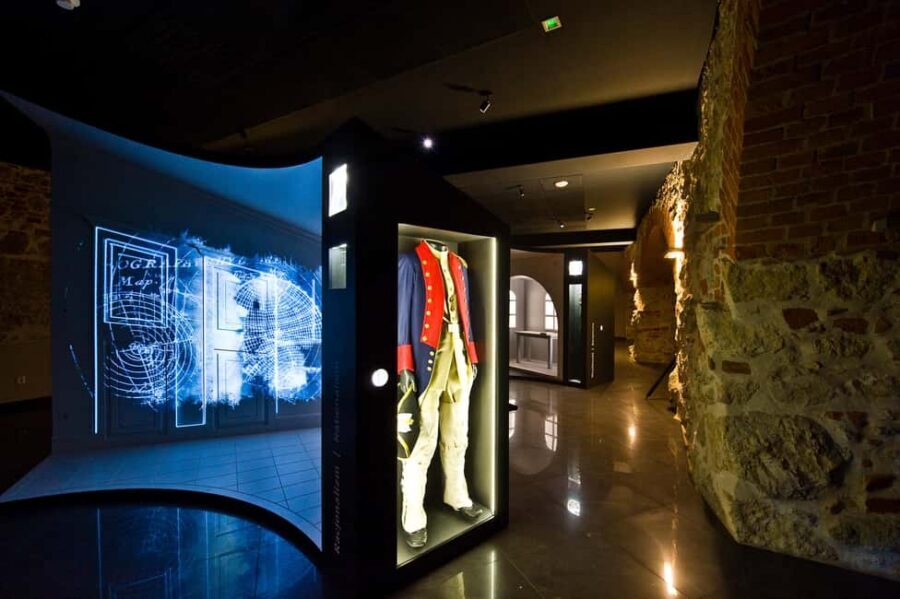
- Main Market Square Underground: the old town story with a spooky twist
- Art and museum variety: Leonardo at Czartoryski plus more
- Czartoryski Museum and Leonardo’s Lady with an Ermine
- Krakow’s museum mix: architecture, culture, and city life
- Wawel Cathedral buildings and temporary exhibits: what the pass does not include
- “You still need tickets”: how to avoid dead ends at the door
- What I’d do for 1, 2, or 3 days in Krakow
- 1 day: concentrate on one big theme
- 2 days: mix history with art and city context
- 3 days: spread it out and add optional houses and museums
- The best way to use included museums without burning your time
- Who this pass is best for
- The one thing to watch: Mondays and site-by-site closures
- Should you book the Krakow City Pass With Transport?
- FAQ
- How many museums and monuments are included?
- Is public transportation included?
- How long is the card valid?
- Does the pass include Schindler’s Factory without booking?
- Are Wawel Cathedral buildings included?
- Does the pass cover temporary exhibitions?
- Are some museums closed on certain days?
- Where do I collect the Krakow City Card?
Key things that make this Krakow City Pass work
- Unlimited trams and buses (optional) for the duration of your pass, day or night
- Access to 35 permanent sites including Schindler’s Factory, Eagle Pharmacy, and the Main Market Square Underground
- Built for flexible pacing, since the card is counted in full days, not hours
- Holocaust-focused stops help you connect multiple parts of Krakow’s WWII story
- You must plan for Schindler’s Factory timing, since you still need an entry ticket booked in advance
- Pickup logistics can be annoying, so plan extra buffer for collecting your card
Price and value: what $35 buys you in real life
At around $35 per person, this card is designed for travelers who want more than one paid attraction but don’t want to micromanage each ticket. The math is straightforward: with access to up to 35 museums and monuments, you’re effectively paying for “set” entry across multiple places rather than counting cost one stop at a time.
Here’s how I think about value in Krakow:
- If you’re doing just one major museum, a city pass may feel unnecessary.
- If you’re doing several permanent exhibitions in different corners of Krakow—especially with trams and buses—the pass starts paying you back fast.
- If you want Holocaust history plus Krakow’s art and old-town story, the included mix is unusually practical for first-time visitors.
One more detail that affects value: the card only covers permanent exhibitions. Temporary exhibits cost extra, so if a temporary exhibit is the reason you booked, you’ll want to price that separately.
You can also read our reviews of more city tours in Krakow


How the card timing works (days, not hours)
This pass is valid until the end of the day, not for a number of hours after activation. That matters. It means you can collect the card, settle in, then still have a full day to use it—without worrying that one early pickup or a late start will shorten your access.
Also, admission rules can shift your pacing. The “last admission” to exhibitions is usually about 90 minutes before closing, so it’s smart to plan your final stop with daylight and time buffers. If you leave everything to the last hour, you’ll end up outside the door watching a museum close.
Getting your Krakow Card: pickup in the city center area
Your experience starts with collecting the physical card. You collect at Krakville Tours, Sienna 17, from 10:00 AM to 7:00 PM daily. That’s central enough for easy access, but you still want to time it well.
Practical note from real-world use: pickups can be slower than you expect. Some travelers report the pickup spot being hard to find or having stock issues when they arrived. If that happens, you may have to collect later or switch locations. For a smooth first day, I’d schedule pickup earlier rather than after you’ve already rushed through your sightseeing.
If you need a backup plan, keep this in mind: the pass comes as a set of entry rights, but you still may have to step into other desks for tickets at certain attractions.
Transport option: unlimited trams and buses
This pass includes an optional unlimited public transport element, available day or night. That’s a big deal in Krakow because the tram network is one of the simplest ways to hop between:
- old town sights,
- museums,
- and neighborhoods where key history sites are located.
Even if you don’t choose the transport option, using public transit can still be easy and cheap. But if you plan to jump around a lot, unlimited rides reduce stress—no juggling fares, no scrambling for exact change at the wrong moment.
The big trio for history: Schindler’s Factory, Eagle Pharmacy, and the Main Market Square Underground
This is the part of Krakow that most people mean when they talk about the city’s WWII story—and the pass does a good job grouping key sites.



Schindler’s Factory: plan the one ticket you can’t wing
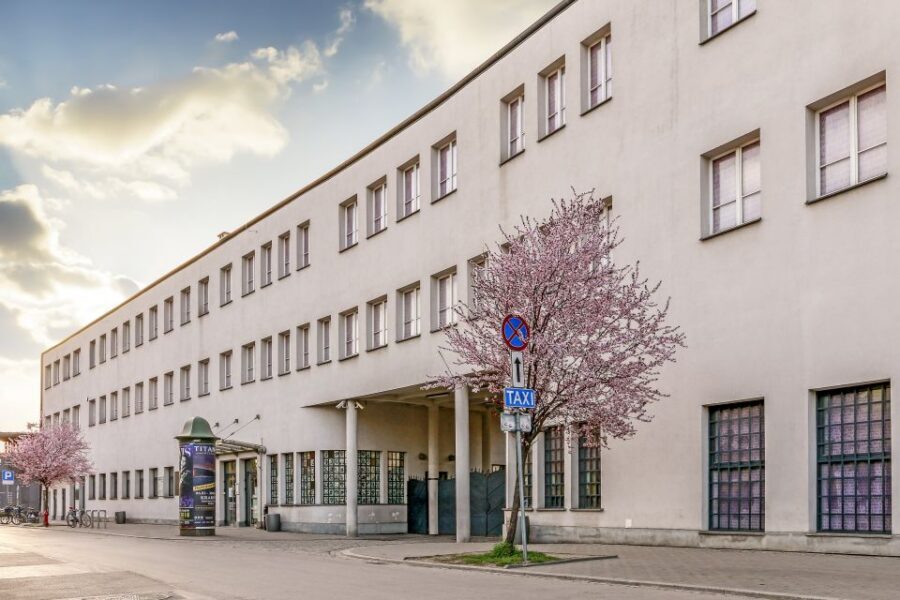
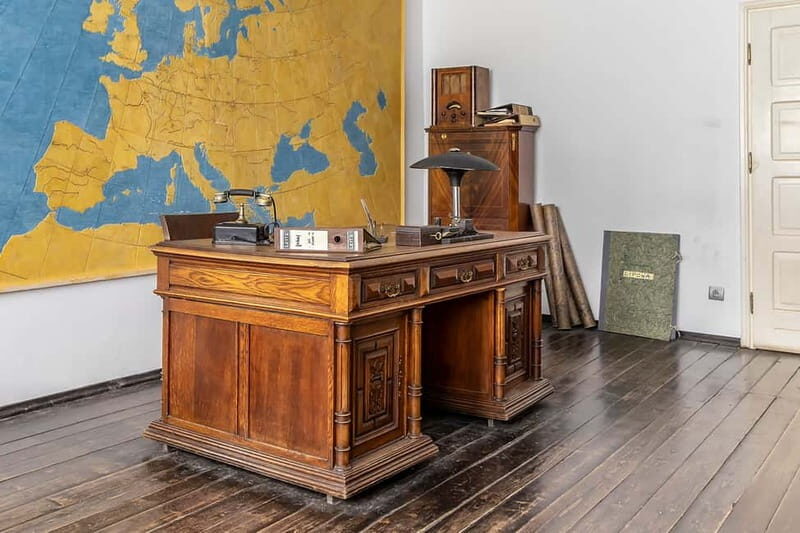
Schindler’s Factory is a highlight for Holocaust history and its broader impact on Krakow’s Jewish community. With the City Pass, you don’t get a casual walk-in. You do need to book an entry ticket in advance, and it’s not a skip-the-line benefit.
Timing is crucial because the museum is:
- closed every Monday, and
- closed on the first Tuesday of each month.
So here’s the practical strategy: if your trip includes a Monday, build your Schindler time on a different day, and book your entry ticket early. If you forget, you could end up paying extra or losing the site entirely.
Eagle Pharmacy: WWII history you can actually locate
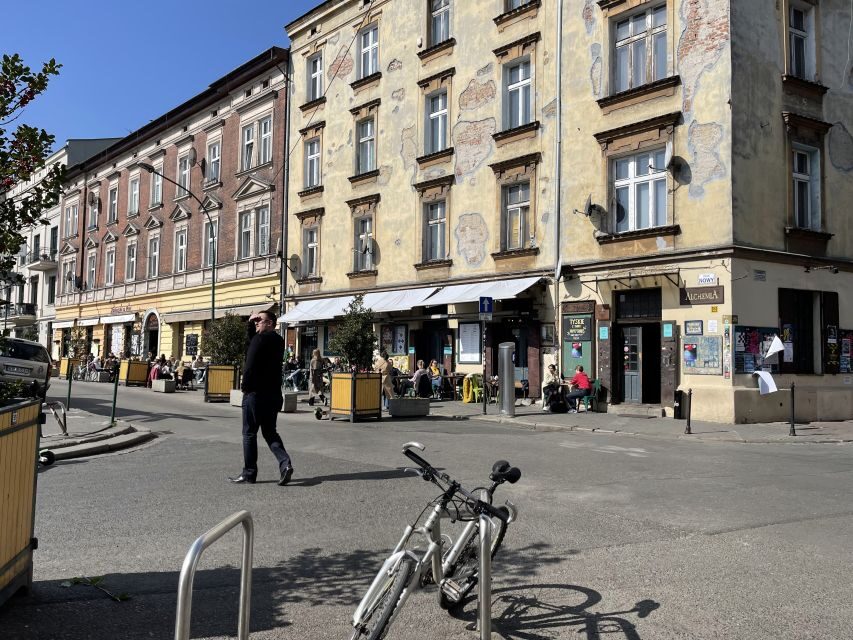
The Eagle Pharmacy is included and sits in the former ghetto area. It’s one of those places where the history feels anchored in place, not floating in a textbook. The pass is especially useful here because you’re likely to pair it with other Jewish history stops nearby.
If Holocaust-era history is high on your list, Eagle Pharmacy makes the story feel real because it connects daily life, community impact, and the larger wartime system.
Main Market Square Underground: the old town story with a spooky twist
Krakow’s Main Market Square is already photogenic above ground. Underground, the story gets even more vivid. The Main Market Square Underground Museum is included, and it’s known for a theatrical approach—expect an experience that includes “vampires” as part of the presentation.
You don’t have to be a horror fan to enjoy this. The bigger point is that this stop adds depth to the center of Krakow. It turns the marketplace area into something you can read like a timeline: buildings, survival, layers of history, and how the city has changed.
Art and museum variety: Leonardo at Czartoryski plus more
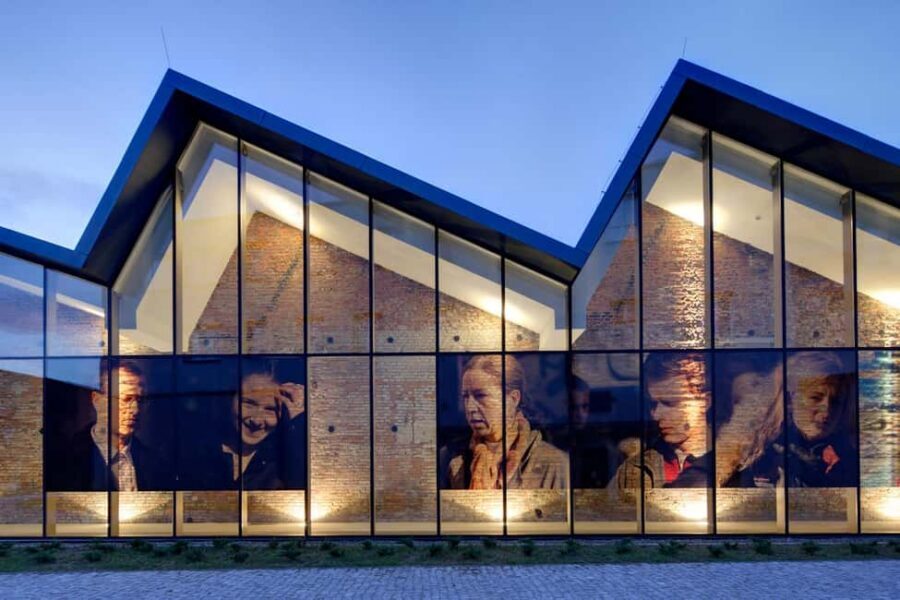
This City Card doesn’t only lean dark. It also gives you plenty of art and culture stops.
Czartoryski Museum and Leonardo’s Lady with an Ermine
One of the best-known included attractions is the Princes Czartoryski Museum, home to Lady with an Ermine by Leonardo da Vinci. If you want one “museum anchor” piece, this is a strong one. It’s also an easy way to balance a heavy history day with something focused on European art.
Krakow’s museum mix: architecture, culture, and city life
Beyond the headline art and history, your card lists many museums and houses. Depending on your interests, you can shape days around themes like:
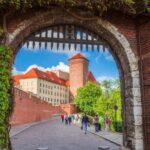
- city defense and old-town structures (including items like Krakow’s city defense walls),
- national art and historic collections,
- ethnographic and decorative arts,
- and Jewish history sites (including places like the Old Synagogue and the Galicja Jewish Museum, depending on what’s operating during your dates).
One heads-up: some sites can be under renovation or closed at times. The pass gives access, but it doesn’t override individual closures. Always check operating hours for each stop before you commit your day around it.
Wawel Cathedral buildings and temporary exhibits: what the pass does not include
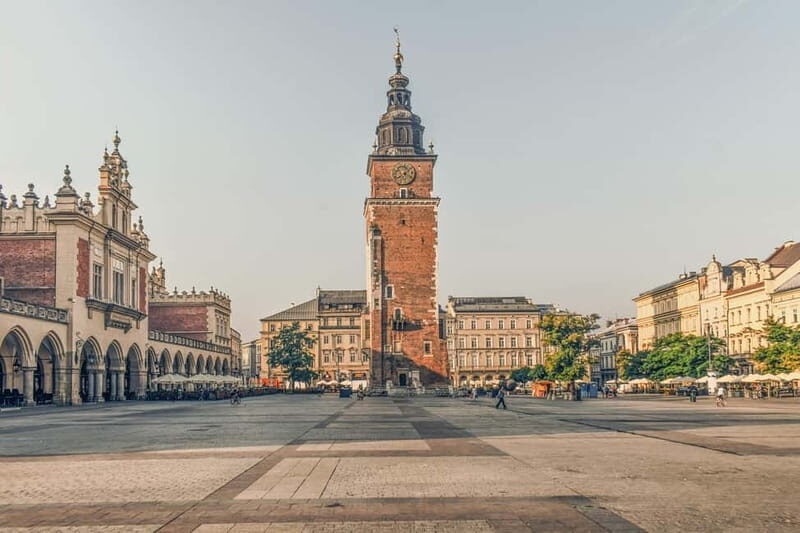
Two common trip-planners get tripped up here.
- Wawel Cathedral buildings are not included and have an extra fee.
- Temporary exhibitions are not included in the museums covered by the pass.
If Wawel Cathedral is a top priority for you, price it separately up front so it doesn’t feel like a surprise later. And if a specific temporary exhibit is the main reason you’re visiting a museum, treat it as a separate ticket—your City Pass won’t cover it.
“You still need tickets”: how to avoid dead ends at the door
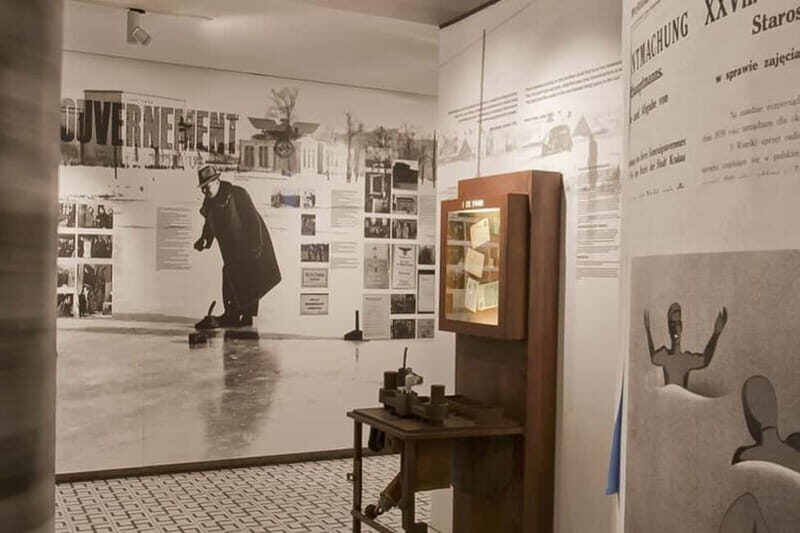
A recurring practical complaint is simple: even with the City Pass, you might still need to get a ticket at another desk or location before entry at certain attractions.
That doesn’t mean the pass is bad—it means you should build in time and avoid arriving at the last possible moment. If you’re planning multiple stops in one day, don’t treat it as “show up and walk in everywhere.”
The best way to stay sane:
- Decide your #1 and #2 stops first.
- Confirm how each stop handles entry with the pass.
- Keep extra buffer for the final museum in the day.
This matters especially at popular sites where entry procedures can be timed.
What I’d do for 1, 2, or 3 days in Krakow
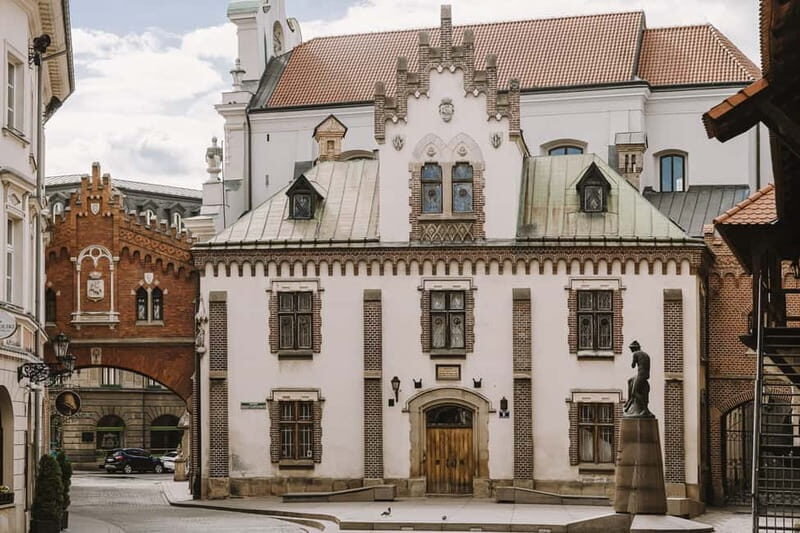
You can use the card any way you want, but your schedule will work best if you group stops by neighborhood and day type (like avoiding Mondays for places that are closed).
1 day: concentrate on one big theme
If you only have a day, choose a history-heavy route:
- Schindler’s Factory (if open on your day),
- Eagle Pharmacy,
- and finish with the Main Market Square Underground.
Add one art stop only if you’re not running across town.
2 days: mix history with art and city context
Day 1:
- Schindler’s Factory (book ahead),
- Eagle Pharmacy.
Day 2:
- Main Market Square Underground,
- Czartoryski Museum for Lady with an Ermine,
- and one extra museum nearby based on what’s open.
This is a good plan for first-timers because it keeps travel time reasonable and ensures you don’t cram too much.
3 days: spread it out and add optional houses and museums
On day 3, you can slow down and follow your curiosity:
- add additional Jewish heritage sites if they’re open,
- plug in any architecture or decorative arts museums you like,
- and revisit neighborhoods for cafés, views, and walking breaks.
A lot of included museums are not huge in time commitment, which makes it realistic to fit more than you think—just don’t ignore closing times.
The best way to use included museums without burning your time
The card gives you access to a lot of places, but that can create a trap: you’ll feel tempted to “do everything.” Don’t. Instead, use the pass like a menu.
Here’s how to make it work smoothly:
- Pick 3–5 must-do sites per day, not 10.
- Pair one heavy history stop with one lighter art/culture stop.
- Plan your last admission early enough that you’re not stressing near closing.
- Check Monday closures and individual opening hours for each museum.
Also, don’t assume the program will match every single “must-see” you read about online. In real use, some items may not be part of the current scheme. The card materials should include the full list you can rely on, so use that list as your truth.
Who this pass is best for
This City Card shines if:
- you’re in Krakow for 1–3 days,
- you want to visit several museums rather than just one,
- you like self-guided pacing instead of a fixed group tour,
- and you want transport support to reduce friction.
It’s also a smart choice if you want to focus on Holocaust history through multiple locations, not just one museum. And it can be a helpful alternative to taxis if you’re moving around a lot.
The one thing to watch: Mondays and site-by-site closures
Because some museums don’t operate on Mondays, and Schindler’s Factory has specific closures (Mondays and first Tuesday of the month), Mondays can force a change of plan.
If your trip lands on a Monday, do two things:
- front-load major “must-do” history stops on other days,
- and keep a flexible second tier of museums that are more likely to be open.
Should you book the Krakow City Pass With Transport?
If you’re planning a museum-heavy Krakow trip, yes, it’s worth serious consideration. The value comes from 35 included permanent sites plus optional unlimited transit, which can make your days feel effortless and keep you from juggling tickets every time you turn a corner. The overall customer rating sits at 4.1 with about 575 reviews, which matches what the pass is best at: fast planning, lots of stops, and solid convenience.
But book with eyes open. If your schedule depends on a Monday, or if you’re assuming the pass equals automatic walk-in entry everywhere, you’ll want to rethink your plan. Schindler’s Factory in particular requires advance ticket booking, and some attractions may still use separate ticket steps.
If you can handle a bit of planning—especially around Schindler and Monday closures—you’ll get a smooth, efficient Krakow rhythm out of this card.
FAQ
How many museums and monuments are included?
You get access to 35 museums and monuments with the City Pass.
Is public transportation included?
Transport is optional. You can choose a card with unlimited travel on Krakow’s public transport for the validity period, day or night.
How long is the card valid?
The validity is counted in days, not hours. Your card is valid until the end of the day it covers.
Does the pass include Schindler’s Factory without booking?
No. With the City Pass, you still must book your entry ticket in advance for Schindler’s Factory.
Are Wawel Cathedral buildings included?
No. Wawel Cathedral buildings are not included and require an extra fee.
Does the pass cover temporary exhibitions?
No. The card covers entry to permanent exhibitions only. Temporary exhibitions cost extra.
Are some museums closed on certain days?
Yes. Some museums don’t operate on Mondays and hours can vary by site, so you should check opening times before you plan.
Where do I collect the Krakow City Card?
You must collect it from Krakville Tours at Sienna 17, open 10:00 AM to 7:00 PM daily.