REVIEW · KRAKOW
Krakow: 2h World War II, visiting the Ghetto walking tour
Book on GetYourGuide →Operated by Krakow tours - segway, scooter, bike, walking tour in Krakow · Bookable on GetYourGuide
Hard history, told clearly. This 2-hour WWII and Ghetto walking tour takes you through the Podgórze district and the former Jewish Ghetto area, where daily life was cut short by violence and persecution. You’ll connect memorials, surviving buildings, and personal stories into one understandable route—without turning it into a scavenger hunt.
I especially like how it centers on specific places—not just big names—so the story lands where it happened. Two standouts for me are Heroes of Getto Square and the Under the Eagle pharmacy, the only pharmacy in the Ghetto.
The one consideration: the material is emotionally heavy and fast-moving for only two hours. If you want slow, museum-style reading time, you may need extra time on your own afterward.
In This Review
- Key Highlights You’ll Actually Remember
- Walking the Podgórze and the Ghetto in Just 2 Hours
- Heroes of Getto Square: A Place That Sets the Tone
- Schindler’s Factory: Why the Human Details Matter
- Under the Eagle Pharmacy: One Location, One Big Story
- Ghetto Walls and Surviving Buildings: Reading the City Like Evidence
- Podgórze Main Square and Krakow City History
- Bridge of Love and Wind-Swung Athlete Sculptures: A Quick Reset
- Your Guide Experience: Irene and Vlad, Q&A Included
- Price and Value: Is $36 for 2 Hours Worth It?
- What’s Not Included (and What You Should Plan)
- Who Should Book This Tour (and Who Might Want Something Different)
- Should You Book This Krakow Ghetto and WWII Walking Tour?
- FAQ
- How long is the Krakow WWII and Ghetto walking tour?
- What key places will I see on this tour?
- Is food or drinks included?
- What language is the live guide available in?
- What’s included in the price?
- Can I cancel for a refund?
Key Highlights You’ll Actually Remember
- Heroes of Getto Square gives you a strong starting point for understanding what was lost
- Schindler’s Factory story focuses on workers who survived because of Schindler
- The Under the Eagle pharmacy adds a rare, concrete detail about life inside the Ghetto
- You’ll see remaining bits of Ghetto walls and buildings that endured shootings
- A quick mix beyond WWII: Bridge of Love and wind-swinging athlete sculptures
Walking the Podgórze and the Ghetto in Just 2 Hours
Krakow can feel like one postcard after another, which is exactly why this tour matters. It steers you away from only the famous squares and cathedrals and into the Podgórze district—the part of Krakow tied to the realities of war and the former Jewish Ghetto.
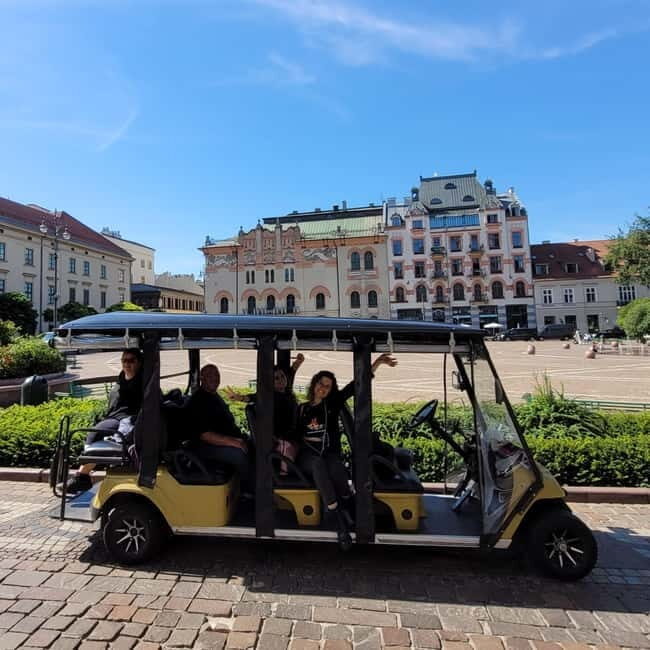
The timing is tight, but that can be a benefit. In two hours, you’ll get a focused overview: who lived here, what changed, what survived, and how the story connects to wider WWII events. The route is a walking tour, plus there’s a drive portion for a couple of Krakow sights that sit outside the heavy core of the subject.
If you like tours that are structured but still allow conversation, you’re in the right place. The guide-led format matters here because the topics are complex, and the best learning comes from asking questions in real time.
You can also read our reviews of more walking tours in Krakow
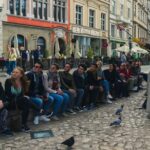

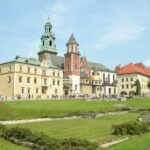
Heroes of Getto Square: A Place That Sets the Tone
Heroes of Getto Square isn’t just another stop on a map. It works like a narrative anchor: you start with a memorial setting, and the guide frames what you’re about to see with context before you step into the streets tied to the Ghetto.
I like that it gives you mental scaffolding. When you understand what the square represents, everything that follows—walls, buildings, and the story of daily survival—makes more sense. You’re not only looking; you’re learning how to interpret what remains.
There’s also a practical side. This is one of those “right place, right moment” points on a tour. It helps you avoid the common mistake of treating Holocaust-era sites as generic ruins.
Schindler’s Factory: Why the Human Details Matter
One of the most compelling parts is the story of Schindler’s Factory, including the role of workers who survived the war thanks to Oskar Schindler. You’re not just hearing a quick summary; you’re getting the human layer that turns a historical name into something personal and specific.
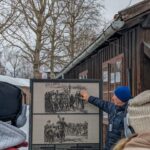
The tour highlights photos of workers and ties them back to survival. That matters because photos are evidence. They keep the story from drifting into vague tragedy and help you understand that real people had ordinary lives, too—until the war smashed the future in place.
If you’ve seen the movie-adjacent versions of this story, this stop can still feel grounding. It brings you back to the actual places and the real-world survival context, rather than letting the story become only a plot.
Under the Eagle Pharmacy: One Location, One Big Story
The pharmacy Under the Eagle is a standout for a reason that’s hard to replace with museum talk. This site was the only pharmacy in the Ghetto, which makes it a powerful detail about scarcity and constrained daily life.
I like that the tour doesn’t treat it like a decorative stop. It gives the pharmacy story weight—why it mattered, what it signified, and how a single essential service could become a focal point for the community. It’s the kind of detail you’ll feel more than you’ll just remember.
This also gives the tour variety in emotional tone. After the heavier memorial and factory material, the pharmacy provides a different lens: the world of practical needs, healthcare, and daily survival pressures.
Ghetto Walls and Surviving Buildings: Reading the City Like Evidence
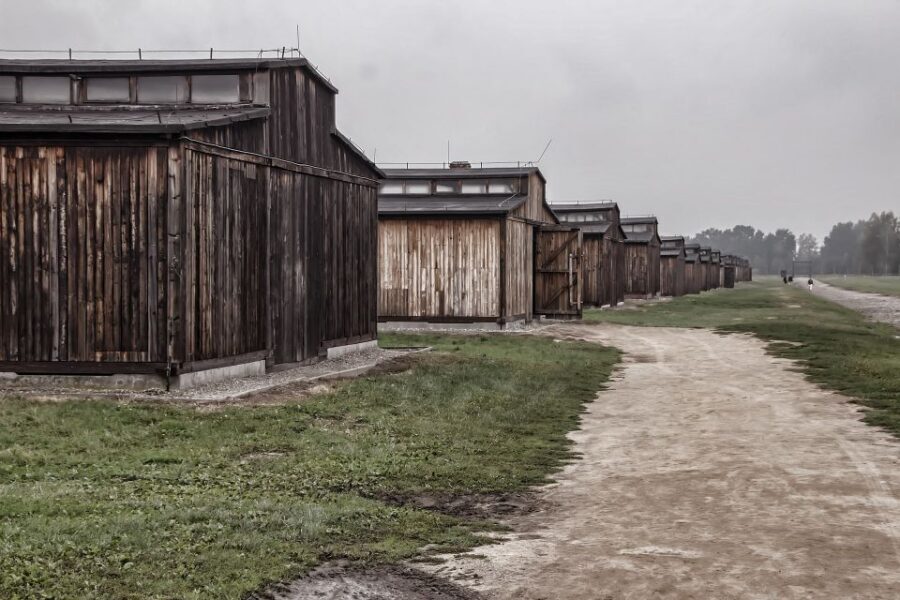
A big part of what makes this tour effective is that it points out what still exists. You’ll see remaining parts of Ghetto walls, which gives you a tangible sense of boundaries—where people were confined and how the built environment enforced control.
The tour also helps you spot buildings that survived shootings. That’s a strange but crucial lesson: history isn’t only in documents. Sometimes it’s in the stubborn fact that some structures lived through violence and some didn’t.
I find this approach practical for your own travel day. When you later walk around Krakow on your own, you’ll know what to notice. You’ll look for remnants, not just facades, and you’ll understand the city as a record of events.
You can also read our reviews of more tours and experiences in Krakow

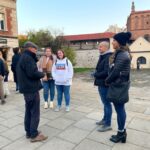



Podgórze Main Square and Krakow City History
The tour doesn’t lock you into WWII-only mode. You get a chance to see the main square of Podgórze and learn it’s history as a city area.
This is valuable because it reminds you that people weren’t only “victims of the war.” They were residents of an actual place with routines, streets, and civic identity. Understanding Podgórze as a functioning district helps the Ghetto story sit in a broader urban reality.
It also helps you avoid a common emotional trap. If you only focus on suffering, you can lose the sense that there was a community here before the violence. The square stop helps restore that context.
Bridge of Love and Wind-Swung Athlete Sculptures: A Quick Reset
The tour briefly adds lighter Krakow moments: you’ll drive through the Bridge of Love and see sculptures of athletes swinging in the wind. These stops are a change in pace, and they matter for two reasons.
First, they prevent the tour from feeling like one long, uninterrupted emotional burden. A short shift to something “ordinary Krakow” helps you absorb what you learned without burning out.
Second, they remind you where you are. You’re still in Krakow. The city lives on, even when parts of it carry painful layers. That balance is part of responsible travel: learn, reflect, and keep going.
Your Guide Experience: Irene and Vlad, Q&A Included
What really elevates this tour is how the guide handles questions and conversation. In feedback tied to the experience, Irene is described as knowledgeable and welcoming, and she actively encouraged questions. Vlad is highlighted for being very knowledgeable and patient, answering many questions calmly.
That’s not a small detail. With WWII and Ghetto history, confusion is normal. You’ll want to ask things like what certain terms mean, how events unfolded, and what specific places were used for. A guide who handles those questions with patience makes the learning stick.
The tour runs with a live guide in English, Polish, or Russian, so you can pick the language that lets you think clearly and absorb the harder parts without guessing.
Price and Value: Is $36 for 2 Hours Worth It?
At $36 per person for a 2-hour tour, you’re paying for something very specific: a structured walking experience with a live guide covering key memorial and historical sites tied to WWII and the Ghetto.
Here’s the value math I see:
- You’re getting targeted stops like Heroes of Getto Square, Under the Eagle, and the remaining wall areas—places that are more meaningful with explanations.
- You get a guide who answers questions, which is hard to replace with self-guided wandering.
- You also get the benefit of skipping the ticket line, which can save time if you want to move quickly to the next part of your day.
Is it a full “deep research” format? Not really. It’s a short, high-impact overview. But if you’re trying to understand Krakow’s WWII footprint without spending half a day, this price feels fair for the guided structure you’re receiving.
Also, tips are appreciated, so if you feel the guide did an excellent job, plan to leave something appropriate. That’s part of keeping the experience strong for future visitors.
What’s Not Included (and What You Should Plan)
Food and drinks aren’t included, so you’ll want to plan around that. If you tend to get hungry quickly, consider grabbing a snack before you start, or bring water so you’re not thinking about your stomach while you’re trying to take in heavier history.
The tour is also listed as a “check availability to see starting times” experience. In plain terms: pick a time that fits your day. You’ll want your brain fresh for the subject matter.
One more small practical point: the tour includes a guide only, so if you need anything like hearing support or special materials, you’ll have to handle that outside the tour as it’s described.
Who Should Book This Tour (and Who Might Want Something Different)
This tour fits best if you:
- want a guided, place-based introduction to WWII-era Krakow and the Ghetto area
- like learning from a live guide and using the Q&A time
- have limited time and want a focused route that covers several key sites in two hours
You might want to choose a different format if you:
- prefer a longer, slower pacing with more reading time
- need very light emotional content on a travel day
- are already doing extensive museum time and want only lighter city sightseeing
But for most first-time Krakow visitors, this hits a sweet spot. It gives you context you can carry into the rest of your trip.
Should You Book This Krakow Ghetto and WWII Walking Tour?
I’d book it if your goal is understanding Krakow’s WWII layers in a structured way. The combination of Heroes of Getto Square, the Schindler’s Factory story, the unique detail of the Under the Eagle pharmacy, and the visible remnants like Ghetto walls makes this more than a “see the sites” walk.
Also, pay attention to who your guide is. If you get Irene or Vlad, the experience is especially likely to feel thoughtful and interactive, with patient answers and a welcoming tone for questions.
One last check before you commit: go in knowing it’s a hard history tour. That’s not a warning to skip it—it’s a heads-up to travel with respect for the subject and give yourself the right mental space.
FAQ
How long is the Krakow WWII and Ghetto walking tour?
It runs for 2 hours.
What key places will I see on this tour?
You’ll visit Heroes of Getto Square, hear the story of Schindler’s Factory, and see Under the Eagle pharmacy (the only pharmacy in the Ghetto). The tour also includes viewing remaining parts of the Ghetto walls and a look at the Podgórze main square, plus a drive through Bridge of Love and nearby athlete sculptures.
Is food or drinks included?
No. Food and drinks are not included.
What language is the live guide available in?
The live tour guide is offered in English, Polish, and Russian.
What’s included in the price?
The tour includes a tour guide, and it also notes skip the ticket line.
Can I cancel for a refund?
Yes. You can cancel up to 24 hours in advance for a full refund.