REVIEW · KRAKOW
Krakow: Guided Tour of the Jewish Ghetto
Book on GetYourGuide →Operated by Hello Cracow · Bookable on GetYourGuide
Some places explain history fast.
This one-hour guided walk in Podgórze takes you to the Ghetto Wall remains, plus the symbolic Chair Memorial at Ghetto Heroes Square. It’s short, but it hits hard because the route follows the same street lines people faced during WWII.
I especially liked the way the tour brings Under the Eagle Pharmacy to life with the bravery of Tadeusz Pankiewicz and his team. The only drawback is the pace: you’ll cover a lot of emotionally heavy ground in a brisk 1-hour window, so it can feel intense if you prefer slower, deeper stops.
In This Review
- Key things you’ll notice on this Kraków ghetto tour
- Podgórze start: where the story begins on foot
- The Ghetto Wall remains: a fragment that makes it real
- Ghetto Heroes Square and the Chair Memorial: silence you can count
- Under the Eagle Pharmacy: bravery with a human face
- Authentic wartime buildings and street layouts you can actually follow
- The 1-hour format: how to get the most out of a short tour
- Who this tour is best for in Kraków
- Meeting point and what to bring for a smooth start
- Price and value: is $15 worth it?
- Should you book the Kraków Jewish Ghetto guided tour?
- FAQ
- How long is the Kraków Jewish Ghetto guided tour?
- How much does the tour cost?
- Where do I meet the guide?
- Is food and drink included?
- What languages are available?
- Is there free cancellation?
Key things you’ll notice on this Kraków ghetto tour
- The original Ghetto Wall fragments you can actually see in place
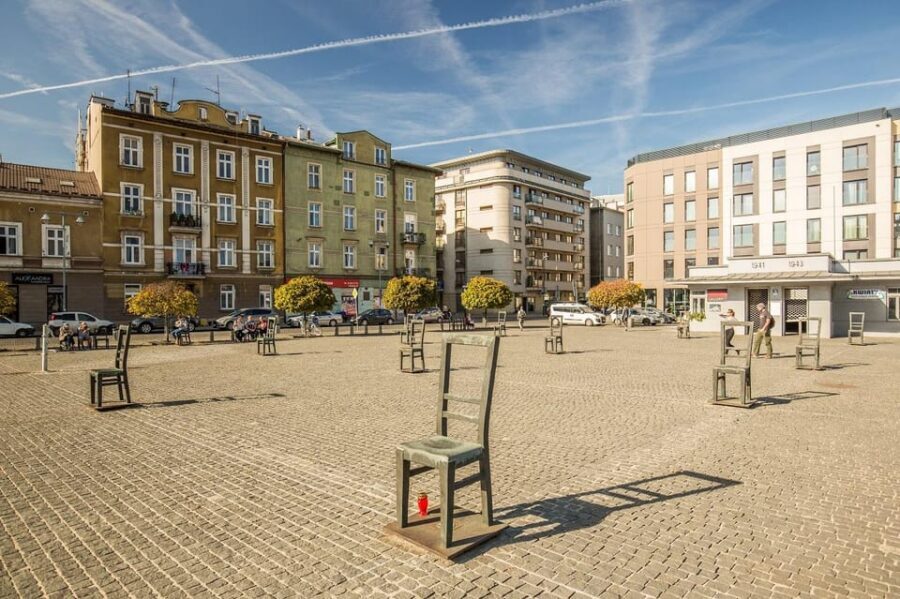
- Ghetto Heroes Square and the Chair Memorial with dozens of empty chairs
- Under the Eagle Pharmacy and the story of Tadeusz Pankiewicz’s rescue efforts
- Authentic wartime buildings and street layout that help you picture everyday life
- A clear focus on daily struggle, deportations, and survival during WWII
- A quiet reflection moment at the end, so the experience lands, not just finishes
Podgórze start: where the story begins on foot
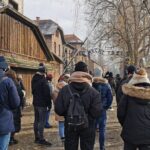
The tour begins in Podgórze, the district that became the core site of the Kraków Ghetto during WWII. What I like about starting here is that it keeps you from treating the ghetto like an abstract museum idea. You’re walking through real neighborhoods, and your licensed guide helps you connect the streets to what happened there.
You’ll also get a sense of the atmosphere the guide is aiming for: the tone is respectful, and the goal is understanding rather than sightseeing. Think of this as a guided “read” of a place—how people moved, where they gathered, and what it meant to live behind walls that were meant to control every step.
If you’re the type who likes context before the big monuments, you’ll appreciate this start. The guide’s explanations help you mentally map the area before you reach the key memorial points.
You can also read our reviews of more guided tours in Krakow
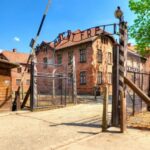
The Ghetto Wall remains: a fragment that makes it real
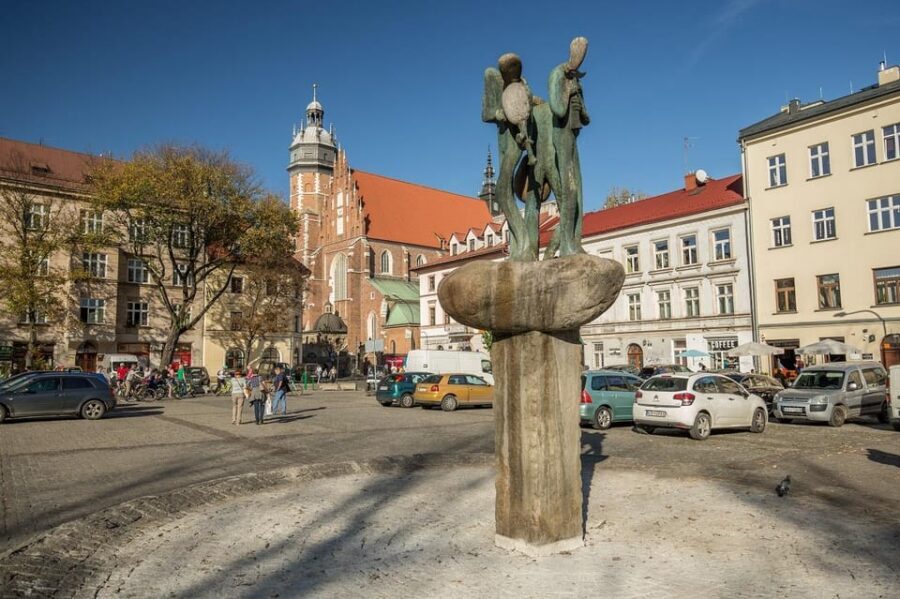
One of the most powerful stops is the remains of the original ghetto wall—one of the few surviving fragments from when more than 15,000 people were enclosed within a small area.
Here’s why this stop matters for you: walls in photos can feel distant. A wall fragment on the ground level doesn’t. You’re seeing scale and layout, and the guide ties it to daily life—hardship, fear, and small moments of solidarity that still happened inside the boundaries.
You’ll want to slow down here. Even if you’re not normally a “linger in one spot” person, take a few seconds to look at how the fragment sits in the modern street. That contrast is the point. It shows how the city changed, while the consequences of the past stayed.
Practical note: because it’s an outdoor walking tour, wear comfortable shoes. You’ll get more out of the wall stop if you’re not distracted by sore feet.
Ghetto Heroes Square and the Chair Memorial: silence you can count
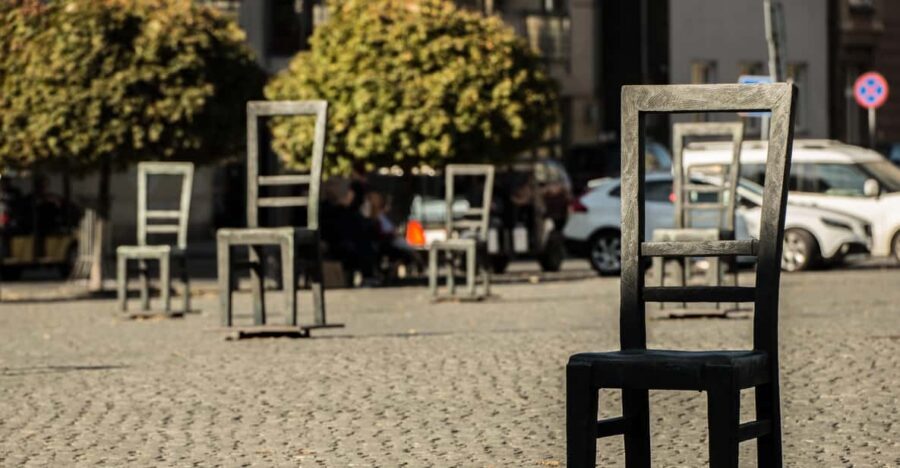
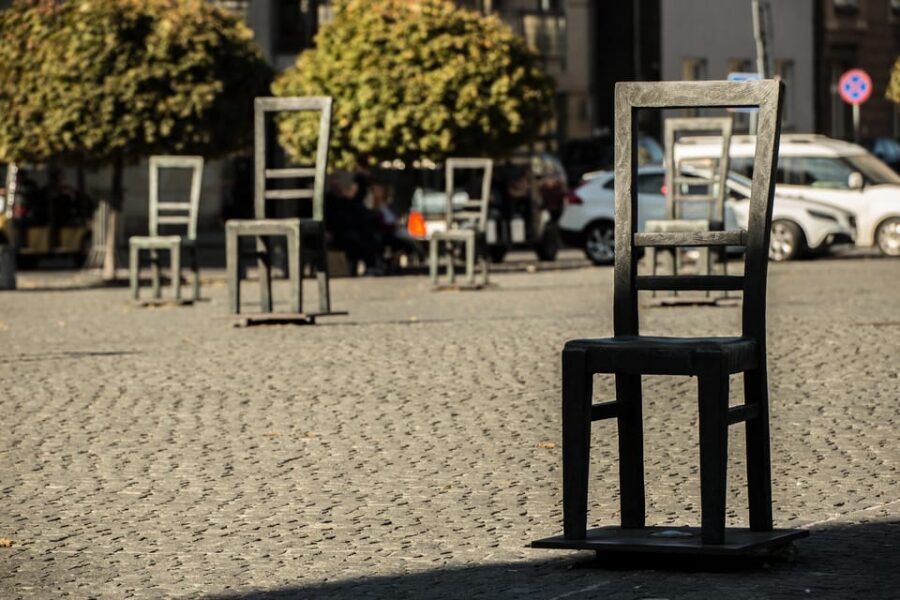
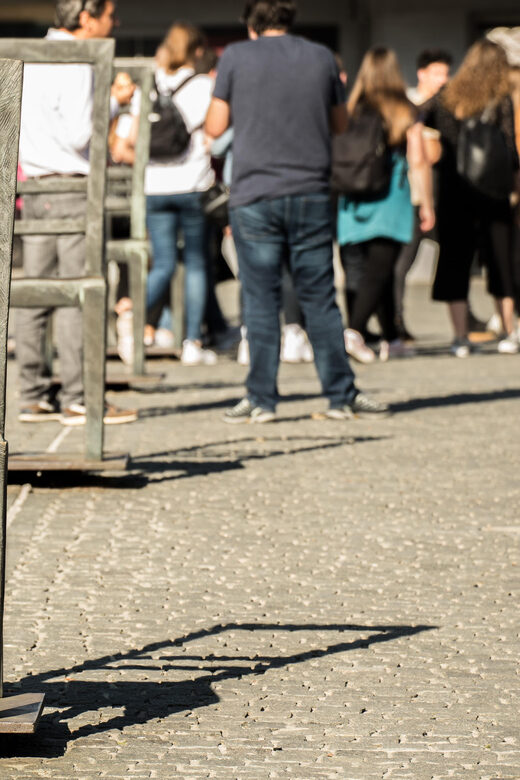
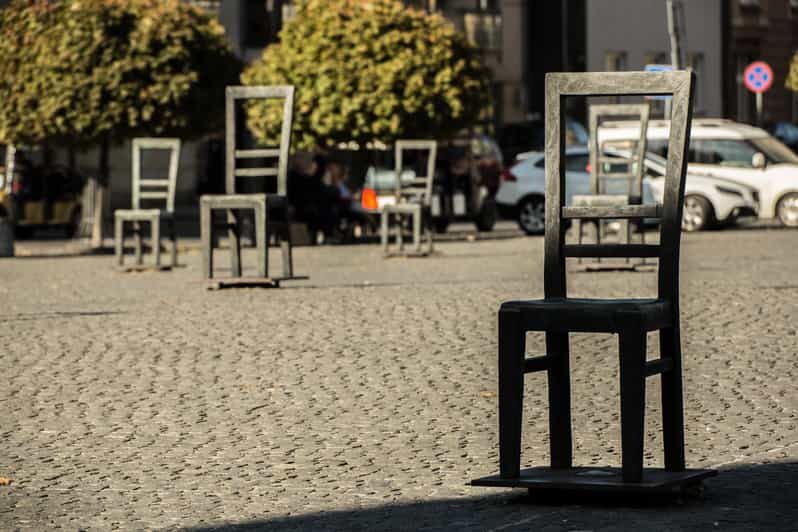
Next comes Ghetto Heroes Square—the heart of the ghetto experience in this part of Kraków. The square also carries one of the tour’s most striking symbolic elements: dozens of empty metal chairs, each representing a life lost during the Holocaust.
It’s easy to think you’ll know how this will feel from the description alone. You don’t. The chairs work because they’re simple, visible, and hard to ignore. Your guide explains what the square meant during deportations to concentration camps, and then how it functions today as a memorial space.
For me, the value here is in the emotional math the guide encourages you to do. These aren’t just “objects.” They’re a reminder that the story wasn’t only about events—it was about individuals taken away. The guide’s narration helps you connect the symbol to people, not statistics.
Plan to spend a little extra time absorbing the square. This isn’t the stop for quick photos only. Even if you do take one, give yourself a moment to take the meaning in first.
Under the Eagle Pharmacy: bravery with a human face
Across from the square, you’ll visit the historic Under the Eagle Pharmacy, where Tadeusz Pankiewicz and his staff risked their lives to help ghetto residents—providing medicine and shelter.
This is the part of the tour I think most people remember. Not because it’s easy or uplifting. Because it’s specific. A pharmacy is a small, believable setting, and the idea that help could come through something as practical as medicine and a place to hide makes the story feel real and close.
Your guide tells the courage stories in a way that’s meant to be respectful, not dramatic for entertainment. You’ll hear about bravery and compassion during a time when survival was brutally uncertain.
If you want to understand how people managed to resist with what they had, this stop delivers it. It also balances the heavier topics earlier on by focusing on actions rather than only outcomes.
Authentic wartime buildings and street layouts you can actually follow
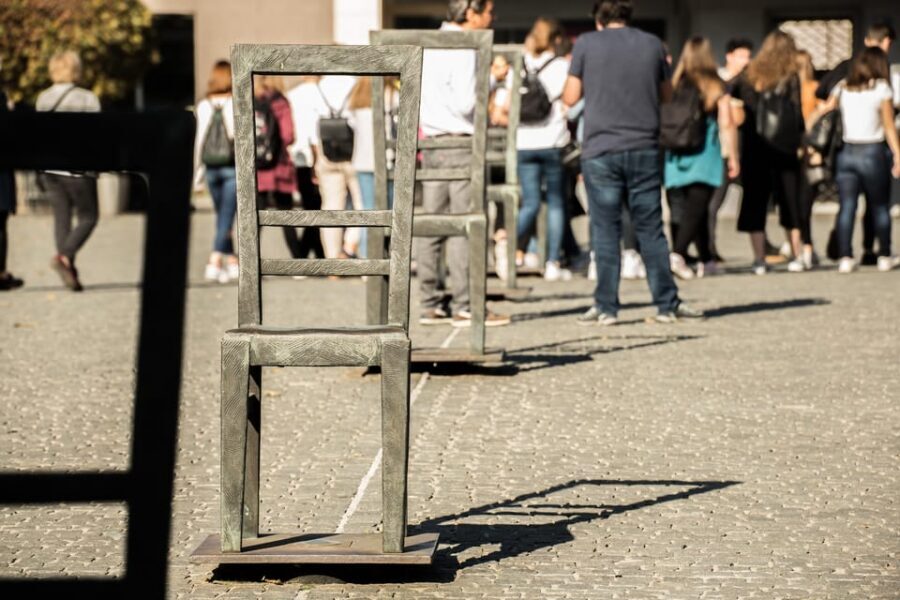
A big part of the tour’s value is that it’s not limited to one museum-style point. You’ll see authentic wartime buildings and street layouts along the way, which helps you understand how the ghetto fit into the city’s real geography.
When a guide explains the daily routine and the realities of deportations and survival, those explanations stick better when you can walk the lines. It’s like the guide hands you a mental map: you stop thinking only in names and dates and start thinking in movement—where people likely went, where they might have gathered, and what it meant to be contained.
This also helps if you’re someone who gets lost in big historical narratives. By anchoring things to place, the tour keeps the story organized.
The 1-hour format: how to get the most out of a short tour
The whole experience lasts about one hour. That’s a good length for many people, but it comes with a trade-off: you won’t get unlimited time at every stop.
Here’s how I’d approach it so you don’t feel rushed. Before you start listening hard, set an intention for yourself:
- If you need the strongest visual impact, focus on the Ghetto Wall fragment and the Chair Memorial first.
- If you want a story with clear human choices, center the Under the Eagle Pharmacy stop.
- If you’re trying to understand the whole arc, trust the guide to connect daily life to deportations and then survival.
Because the topics are heavy—fear, loss, survival—your brain can “check out” if you’re overloaded. Don’t fight it. Instead, take brief pauses. Let one explanation land, then move on.
Also, since food and drink aren’t included, plan to eat before or after. An empty stomach makes a difficult conversation harder to process.
Who this tour is best for in Kraków
This experience is a great fit if you want:
- A guided, story-led walking tour in a meaningful part of Kraków
- A route that prioritizes understanding daily life and survival, not only big monuments
- A short, efficient way to cover key ghetto sites in one sitting
It’s especially suitable if you like guided interpretation and you don’t want to piece everything together alone.
If you’re traveling with someone who needs lighter pacing or lots of breathing room, it might still work—but I’d warn you upfront about the emotional weight and the tight timeframe.
Meeting point and what to bring for a smooth start
Meet your licensed guide at the entrance to the Schindler Factory Museum. Look for a guide holding an excursions.city sign.
Since this is a walking tour, I recommend showing up a few minutes early so you can get settled and start on time. Bring comfortable walking shoes. And because food and drink aren’t included, plan your timing so you’re not hungry during the most intense stops.
On languages: the live guide operates in German, Italian, English, French, and Spanish, so you can usually match your comfort level.
Price and value: is $15 worth it?
At about $15 per person for a one-hour guided walk, this is strong value if you care about interpretation. You’re not paying for a long bus ride or a big multi-stop day. You’re paying for a licensed guide to connect place to story—wall fragment to daily life, square to deportations, pharmacy to rescue efforts.
The main thing to check for value on your side is your tolerance for heavy subject matter. If you want quiet reflection and clear context, the guide’s role becomes the real “product.” In that sense, the cost is about buying understanding fast, with local guidance.
If you prefer to read slowly on your own, you might not feel the same value. But if you want your questions answered while you’re standing on the actual locations, this price-to-time ratio is hard to beat.
Should you book the Kraków Jewish Ghetto guided tour?
Yes, I think you should book it if you’re looking for a focused, respectful, guided walk through Podgórze’s key ghetto memorial sites. The standout strength is the combination of physical place—like the wall remains and the Chair Memorial—with specific human stories, including Tadeusz Pankiewicz’s work at Under the Eagle Pharmacy.
I’d hold off only if you need a gentler pace or you’re not ready for topics like deportations, survival, and the Holocaust. This tour won’t sugarcoat the past, and the one-hour timing means there’s little room to “process later.”
If that sounds like exactly what you want from Kraków, reserve a spot and go with an open mind. This is one of those experiences where the city’s streets teach you something you can’t get from a guidebook page.
FAQ
How long is the Kraków Jewish Ghetto guided tour?
The tour lasts 1 hour.
How much does the tour cost?
It’s listed at $15 per person.
Where do I meet the guide?
Meet at the entrance of the Schindler Factory Museum. Look for a guide with an excursions.city sign.
Is food and drink included?
No. Food and drink are not included.
What languages are available?
The live guide is available in German, Italian, English, French, and Spanish.
Is there free cancellation?
Yes. You can cancel up to 24 hours in advance for a full refund.