REVIEW · KRAKOW
Kraków: Jewish Quarter & Schindler’s Factory Guided Tour
Book on GetYourGuide →Operated by Hello Cracow · Bookable on GetYourGuide
A history tour that actually feels human. This one pairs a walk through Kraków’s Kazimierz Jewish Quarter with a guided visit to Schindler’s Enamel Factory, where the story of Oskar Schindler is told inside the setting of wartime Kraków.
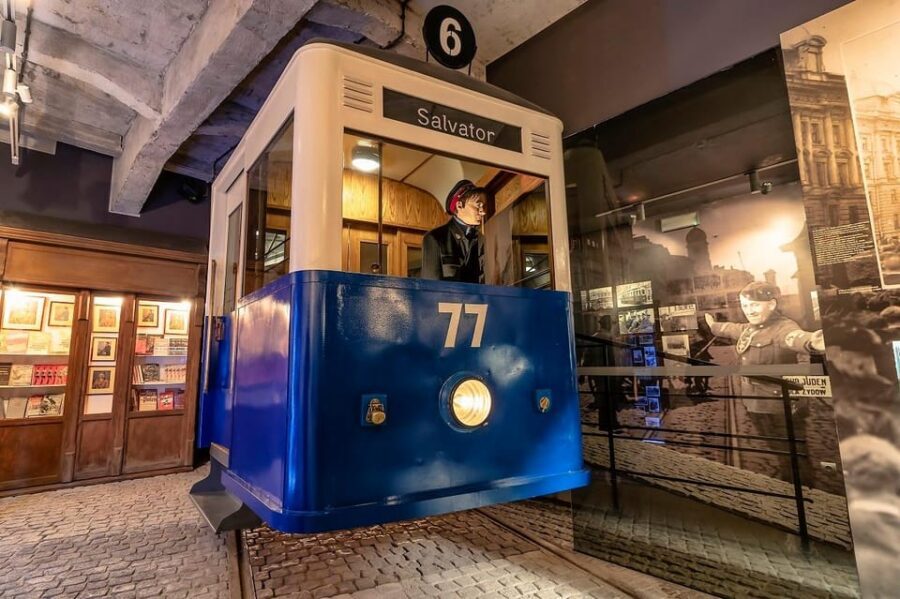
I especially like how the museum doesn’t feel like a neat biography. You get the exhibition Kraków under Nazi Occupation 1939–1945, with objects, photos, and room-by-room storytelling that shows how the war changed daily life for both Jewish and non-Jewish residents.
One thing to consider: the exhibition is designed with narrow corridors and dim, pressure-filled lighting. If you don’t like darker, constrained spaces, you’ll want to mentally prepare for that.
In This Review
- Key things to know before you go
- Meeting at the Old Synagogue: your Kazimierz warm-up
- Schindler’s Enamel Factory: what makes this museum different
- What the guide helps you connect: war as daily life
- Oskar Schindler’s factory story: refuge inside a system of terror
- Kazimierz and the factory: why the pairing works
- Price and time: is $69 good value for this format?
- Logistics that actually affect your day (not just rules)
- Who this tour suits best
- Should you book Kraków: Jewish Quarter & Schindler’s Factory?
- FAQ
- Where do I meet for the tour?
- How long is the tour?
- What’s included in the ticket?
- Is Schindler’s Factory skip-the-line?
- What languages are available?
- What should I bring?
- What time should I arrive?
- Does the tour run in bad weather?
- What is the refund policy?
- Are there any special booking requirements starting in 2026?
Key things to know before you go
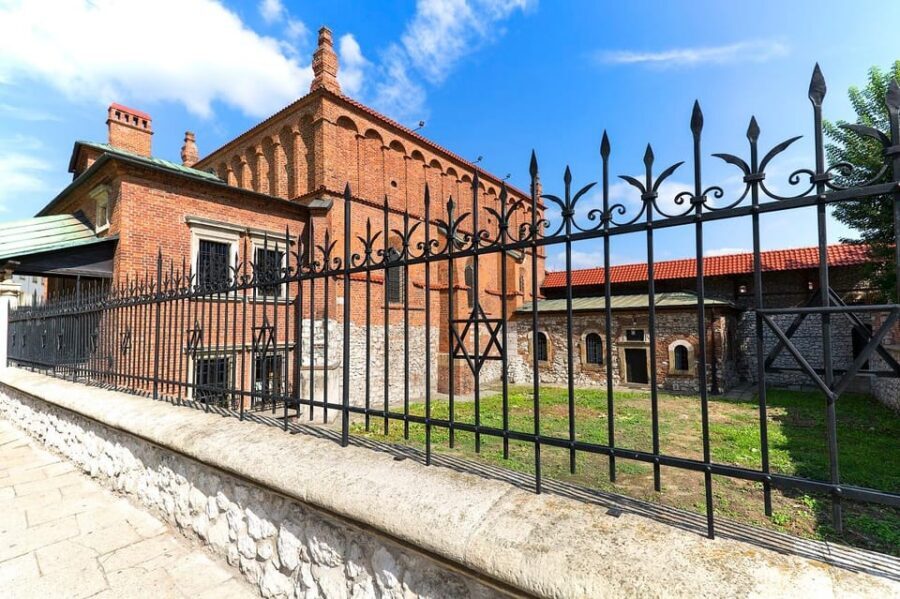
- Skip-the-line entry to Schindler’s Factory so you lose less time waiting and more time learning.
- Licensed local expert guides who explain the ghetto and the factory story in clear, grounded detail.
- Kraków under Nazi Occupation 1939–1945 as the main storyline, not just one person’s life.
- Narrow corridors and immersive reconstructions that recreate the fear and uncertainty of the period.
- Oskar Schindler’s factory as refuge, including the account of sheltering over a thousand Jewish workers.
Meeting at the Old Synagogue: your Kazimierz warm-up
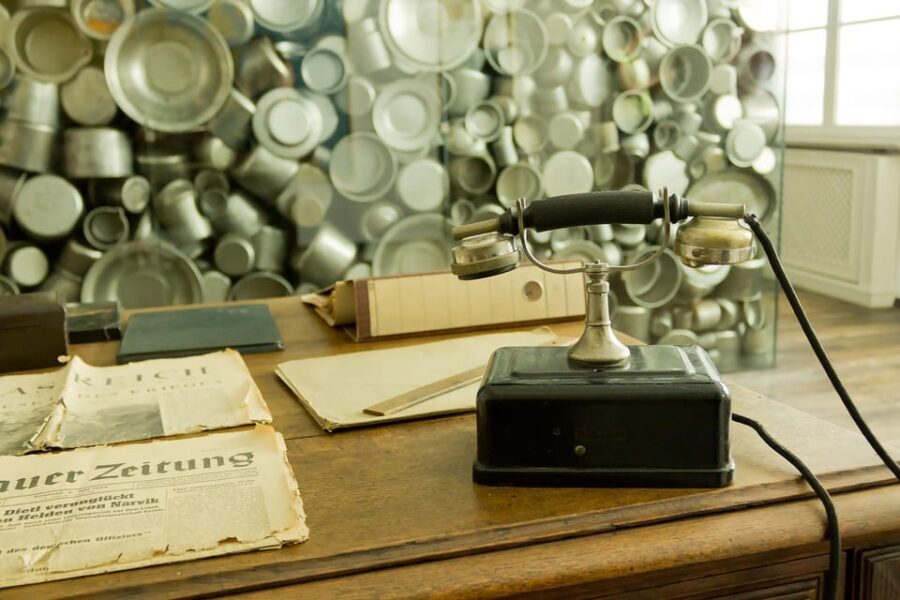
Your tour starts on the steps of the Old Synagogue in Kraków, where you’ll meet a guide holding a sign that says excursions.city. It’s a smart first move, because you’re not jumping straight into a museum. You ease in with a walking tour of the Kazimierz Jewish Quarter—the neighborhood side of the story.
What I like about beginning here is pacing. The walk helps you get your bearings before you enter the heavy material inside Schindler’s Factory. And because this is a guided walking portion, you’re not left to guess what you’re looking at. You’re guided toward the war-era narrative that the museum then builds on.
Keep an eye on timing. You’re asked to arrive 10 minutes early, and once the group leaves, latecomers can’t join and tickets can’t be refunded. That’s not just a rule; it shapes how smooth the tour feels. If you show up on time, you avoid the stress that can make sensitive history even harder to absorb.
You can also read our reviews of more guided tours in Krakow
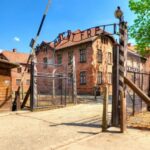
Schindler’s Enamel Factory: what makes this museum different
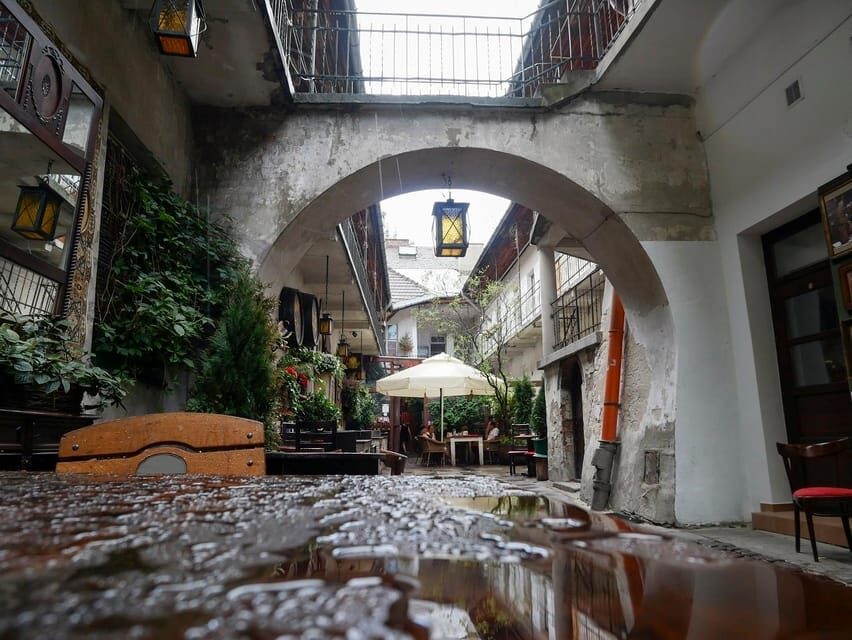
Schindler’s Factory is one of Kraków’s most visited museums, and that’s for a reason. The experience isn’t trying to be only a biography of Oskar Schindler. Instead, it uses his factory setting to tell a broader story: what happened in Kraków from 1939 to 1945 and how Nazi occupation reshaped daily life.
Inside, you’ll focus on the exhibition Kraków under Nazi Occupation 1939–1945, housed in Oskar Schindler’s former enamel factory. The building matters here. Even though the museum does not have original factory machinery today, the location still helps you feel the weight of the setting—like the history is contained in a real working space, not just a lecture hall.
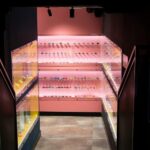
The museum also uses a deliberate layout. Rooms can be narrow and dimly lit. That design choice is not accidental; it’s meant to recreate the pressure, fear, and uncertainty of wartime Kraków. If you’ve done other museum tours where everything is bright and orderly, this will feel more constrained—very much on purpose.
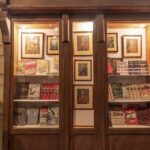
And crucially, you’re not wandering alone. With a licensed expert guide, you’re guided through the story so you don’t miss the meaning behind the objects. The museum includes authentic artifacts and photographs, plus immersive reconstructions that help you connect what you’re seeing to what people had to endure.
What the guide helps you connect: war as daily life
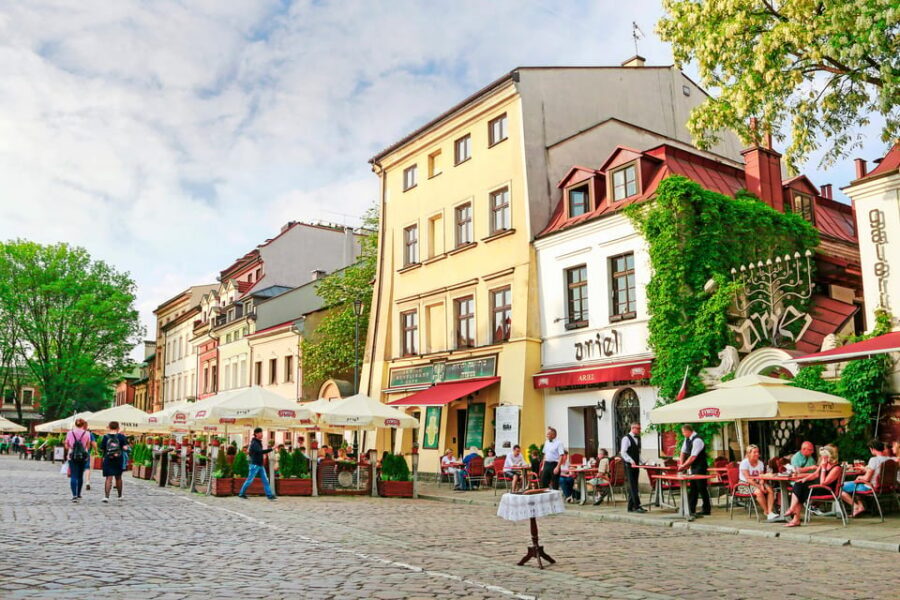
A good part of the value here is how the guide frames the exhibition. You’re not just collecting facts. You’re learning how persecution, deportations, and the destruction of Kraków’s Jewish community unfolded—and how those events affected both Jewish and non-Jewish residents.
This matters because it stops the story from becoming only a list of tragedies. Instead, the exhibition emphasizes daily experience: the way war shifts routines, choices, and safety. When the guide explains how the city was transformed, it helps you see the human scale behind the dates.
I also think this is one reason the guided format is worth it. A museum can be powerful on its own, but wartime history is easy to misunderstand if you’re not given context. The tour’s approach turns the galleries into a guided narrative, so you come out with a clearer picture of how these events connected.
In the tour feedback I’ve seen, guides like Elena are singled out for explaining the history of the Jewish ghetto and the Schindler museum story in a spectacular, easy-to-follow way. That kind of clarity is exactly what you want when the content is emotionally heavy.
Oskar Schindler’s factory story: refuge inside a system of terror
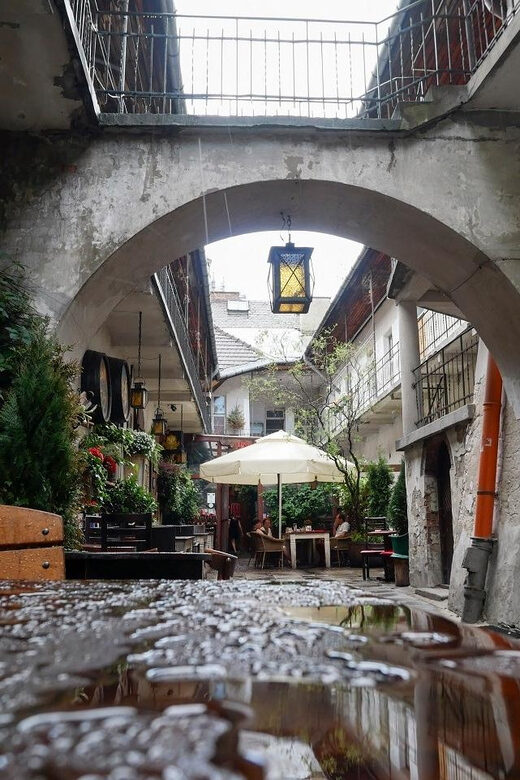
The centerpiece you’ll want to pay attention to is Oskar Schindler’s role, told in the context of the wider occupation. Your guide connects his story to what was happening to Kraków’s Jewish population and how the factory became a crucial point of refuge.
The tour specifically covers how Schindler’s factory provided refuge for over a thousand Jewish workers. That number gives the story weight, and the way it’s presented alongside the broader narrative keeps it from becoming either a simple hero story or a cold statistic.
You’ll also see how the tour balances personal action with the massive forces around it—persecution, deportations, and the destruction of a community. That balance is important. It helps you appreciate courage without losing sight of the scale of what people suffered.
One small but meaningful note: today the museum is in the former enamel factory building, but it’s a museum space rather than an operating workshop. So if you expect to see working production equipment, don’t. The strength of the visit is the exhibition design and guided interpretation, not old machines on display.
Kazimierz and the factory: why the pairing works
On paper, you might think this is two separate experiences: a neighborhood walk and a major museum. In practice, pairing them is the point.
The Kazimierz portion sets the “place” layer. Then the museum sets the “time” layer. You move from the lived geography of a Jewish quarter to the lived reality under occupation—how the war changed what people could do and how they could survive.
That’s also why this tour feels more complete than a standard museum-only visit. You’re not just learning what happened in one room. You’re learning how a city’s social fabric and daily life were affected, and how Schindler’s factory fit into that picture.
If you’re the kind of traveler who hates when history feels like an isolated chapter, this pairing will likely work for you.
Price and time: is $69 good value for this format?
At $69 per person and 210 minutes total, this isn’t a budget “quick stop” tour. But it’s also not overpriced for what you get—because you’re buying three things at once:
- A licensed expert guide for both the walking tour and the museum portion
- Skip-the-line admission to Schindler’s Factory
- A guided visit inside the museum covering the exhibition content, not just basic entry
The time factor matters. You’re out for about three and a half hours, which is a realistic window to do Kazimierz walking and then go through Schindler’s Factory without feeling rushed. And skipping ticket lines isn’t just convenience. In popular museums, waiting can eat the mental energy you need for difficult topics. Here, that friction is reduced so you can focus.
Is it “worth it”? If your goal is to understand the story clearly rather than just see rooms and read labels, then yes. If you’d rather go at your own pace and you don’t care about guided context, you might not need this format. But if you want the museum’s narrative explained, the guided value is the main selling point.
Logistics that actually affect your day (not just rules)
This is a tour with a guided pace, and the details below affect how smoothly it goes.
Arrive 10 minutes early. Late arrival means you can’t join once the group departs, and tickets can’t be refunded. You want your day to start calm.
Bring ID. You should have a passport or ID card. This also applies to children. You don’t want to risk problems at entry.
Know the language setup. Group tours are only in one language. English, Italian, Spanish, German, and French are available. So when you book, pick your language carefully. If you’re traveling with people who want different languages, plan accordingly.
Expect narrow, dim spaces. The museum’s layout uses narrow corridors and immersive design to recreate wartime atmosphere. It’s part of the point, but it also means you’ll be moving through constrained areas for a while.
Times can be approximate. Starting times are shown as approximate and may change due to museum scheduling. That’s normal for a timed-entry environment.
Weather-proof reality. The tour goes ahead in all weather, rain or shine. Wear shoes that work for walking and being on your feet for the full duration.
Who this tour suits best
I’d steer you toward this tour if you want:
- A guided understanding of Kraków under Nazi occupation, not just an audio guide or self-walk
- A serious history experience that connects Oskar Schindler’s story to the wider transformation of the city
- A day plan that combines neighborhood context (Kazimierz) with museum depth (Schindler’s Factory)
It may be less ideal if you dislike darker interiors, constrained corridors, or emotional historical content. This tour is designed to make you feel the atmosphere of wartime Kraków. That can be powerful for the right traveler—and heavy for someone who prefers lighter, more casual sightseeing.
Should you book Kraków: Jewish Quarter & Schindler’s Factory?
If you’re visiting Kraków and you only have time for one “big meaning” history stop, this is one of the strongest ways to do it. The reason is simple: you’re not just seeing Schindler’s Factory. You’re walking Kazimierz with a guide, then entering an exhibition built around the war years, guided by licensed experts.
Book it if:
- You want skip-the-line ease with minimal dead time
- You value expert explanation inside the museum
- You’re ready for an emotionally serious experience that aims to recreate wartime pressure and uncertainty
Skip it if:
- You prefer self-guided museum wandering with no group structure
- You know you’ll struggle with dim, narrow corridors
If you decide to go, my practical advice is to treat it like a focused half-day, not a casual stroll. Start on time, bring your ID, and give the story your attention. The pairing of Kazimierz plus the occupation exhibition is what makes the experience feel complete.
FAQ
Where do I meet for the tour?
Meet on the steps of the Old Synagogue. Your guide will be holding a sign that says excursions.city.
How long is the tour?
The duration is 210 minutes.
What’s included in the ticket?
Included items are a licensed expert local guide, a walking tour of the Kazimierz Jewish Quarter, skip-the-line admission to Schindler’s Factory Museum, and a guided tour inside Schindler’s Factory.
Is Schindler’s Factory skip-the-line?
Yes. The tour includes skip-the-line admission to the museum.
What languages are available?
The live tour guide is available in English, Italian, Spanish, German, and French.
What should I bring?
Bring a passport or ID card. Passport or ID card is also required for children.
What time should I arrive?
Arrive 10 minutes before the tour begins. If the group has departed, latecomers will not be able to join and tickets cannot be refunded.
Does the tour run in bad weather?
Yes. The tour goes ahead in all weather, rain or shine.
What is the refund policy?
You can cancel up to 24 hours in advance for a full refund.
Are there any special booking requirements starting in 2026?
From January 1, 2026, it’s essential to provide the names of all participants during booking since personalized tickets are used and entry may be denied without the required names.